Postcards from Around the World

Architecture of the Gaslamp Quarter San Diego

Another interesting district in San Diego is the Gaslamp Quarter. In the 1860s, the area was known as New Town, in contrast to Old Town, the original Spanish colonial settlement. San Diego has tried hard to protect and preserve the architecture of times gone by and the district features one of the largest collections of Victorian Era commercial architecture in the western US, comprising 94 historic buildings, many of which are in still use as restaurants, shops, entertainment venues, and nightclubs.
My first stop was the Gaslamp Museum at the Davis-Horton House which depicts the story of the downtown area’s early settlers. The Davis House (1850)is the oldest surviving structure from San Diego’s New Town. It is an example of a prefabricated, “salt-box” style home. Built on the East Coast, shipped around Cape Horn, and assembled in San Diego.
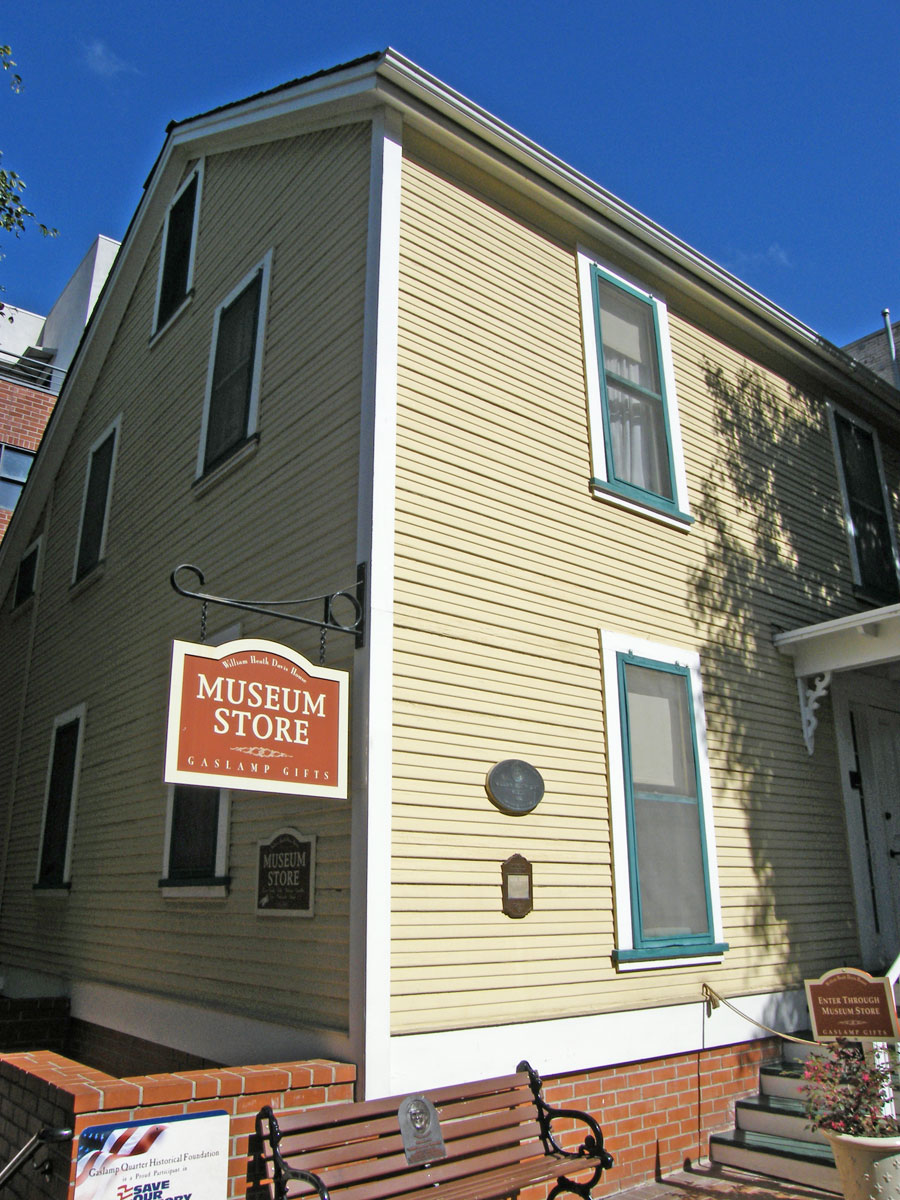
Museum

Located across the street from the Gaslamp Museum is the Horton Grand Hotel, a restoration of two historic hotels – the Grand Horton and the Brooklyn-Kahle Saddlery – both built around 1887. The Grand Horton was of Italianate design and more of a luxury hotel, whereas the Brooklyn-Kahle Saddlery was a less formal hotel that combined Western/Cowboy and Victorian styles.

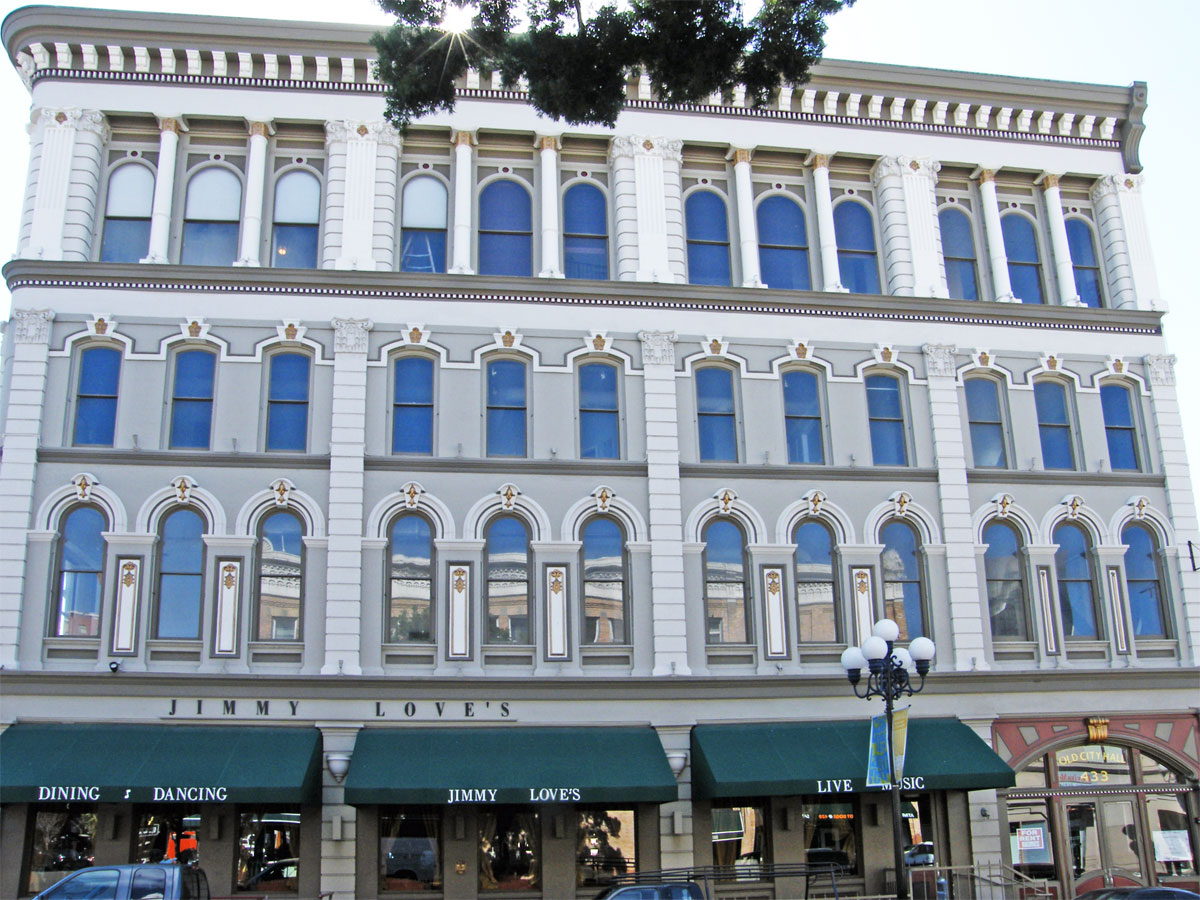
The Old City Hall is a beauty, a classic example of Florentine-Italianate architecture. Originally two-story structure was built in 1874, but 13 years later two more floors were added to accommodate the San Diego Public Library.
The Louis Bank of Commerce is a historic building which dates back to 1887. Reputed to be the most photographed building in the Gaslamp, this stately, four-story, twin-towered Queen Anne (Baroque Revival)-style structure possesses so many noteworthy and elaborate architectural features that it has been nicknamed “The Queen of the Gaslamp.”

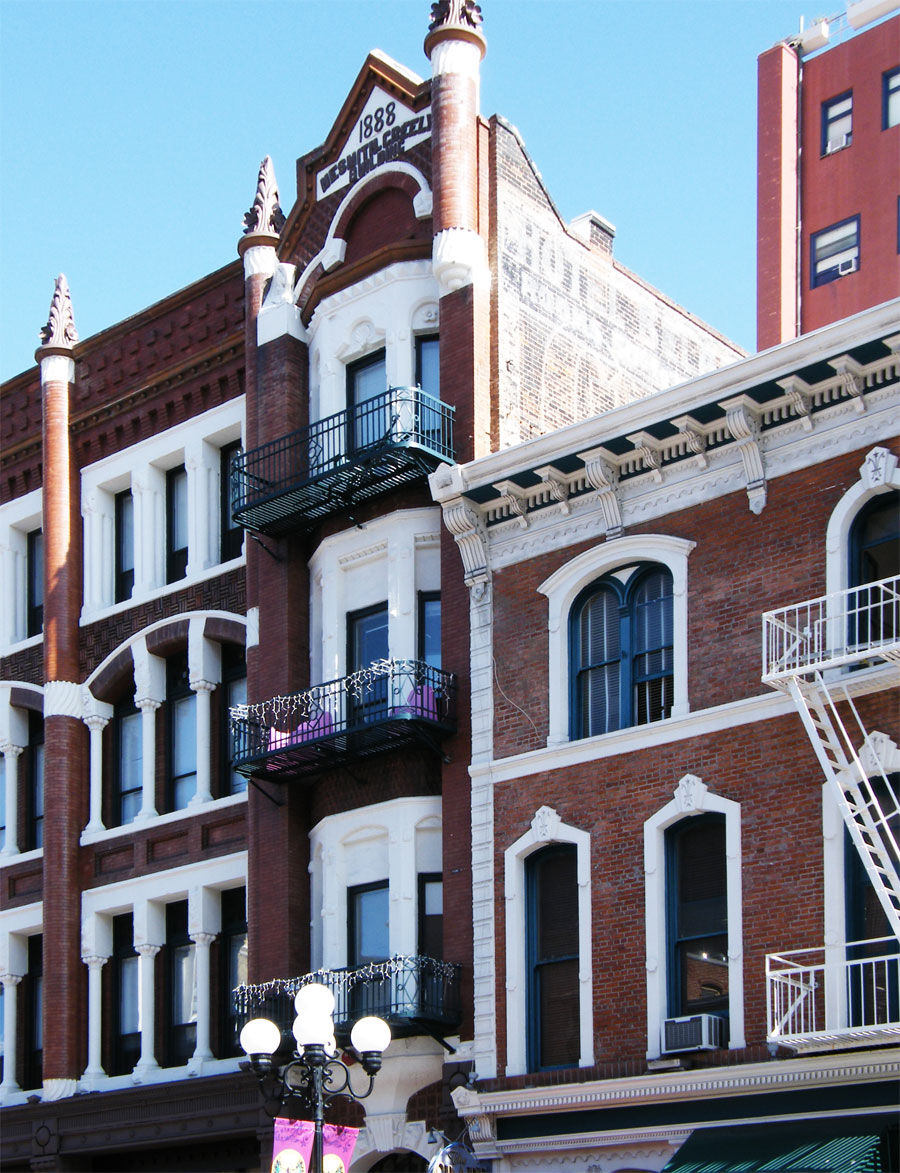
The Nesmith–Greely Building is a four-story historic structure located at 825 5th Avenue next to the Louis Bank of Commerce. Built in 1888 in the Romanesque Revival style the building is named for Thomas Nesmith, President of the Bank of San Diego, and Major General Adolphus Washington Greely. . The Hubbell building is on the right (1886) constructed in the Victorian style.
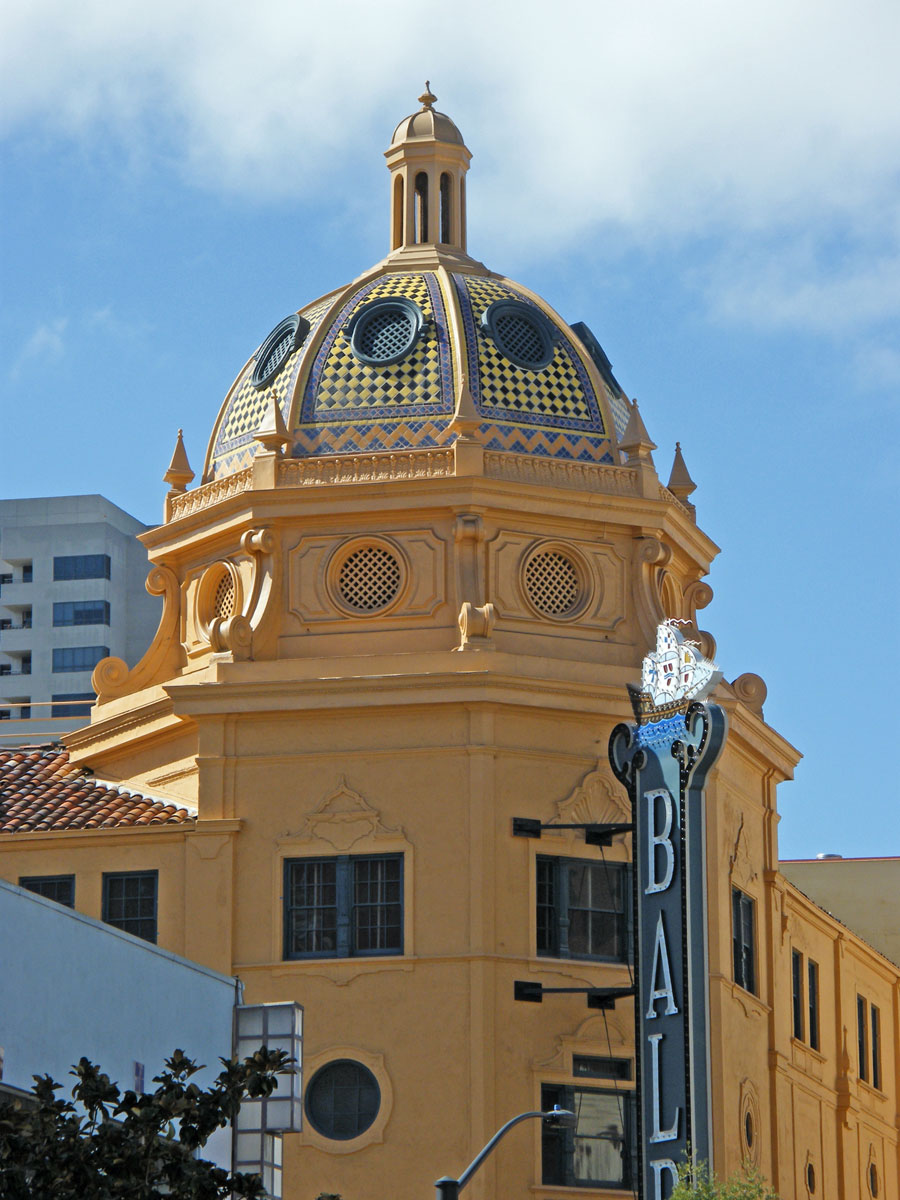
The Balboa Theatre in San Diego’s Downtown area blends Moorish and Spanish Revival architectural styles and was built in 1924.
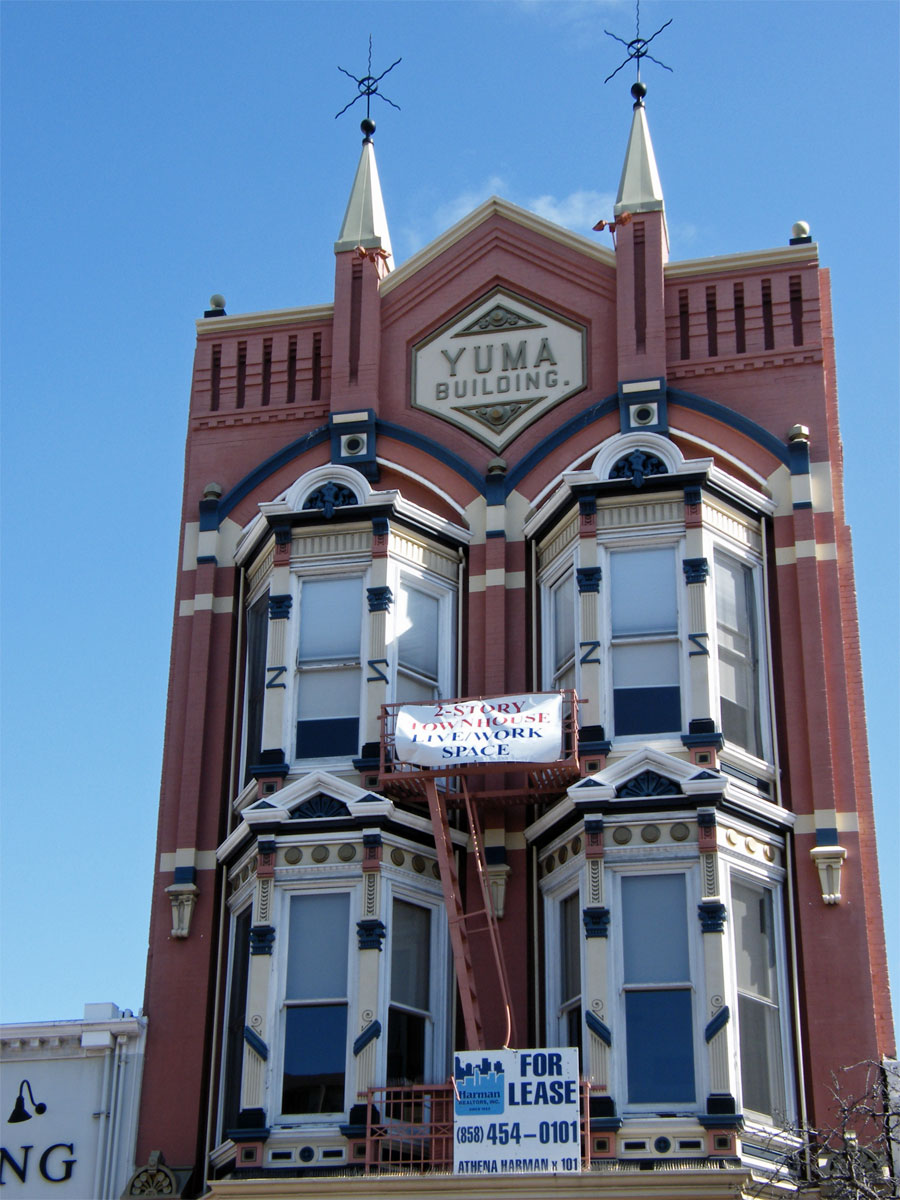
The Yuma Building, 1882, was one of downtown’s first brick structures, and was owned by Captain Wilcox who arrived in 1849 at the helm of the U.S. Invincible. The building is called the Yuma because of Wilcox’s business connections in the Arizona town.
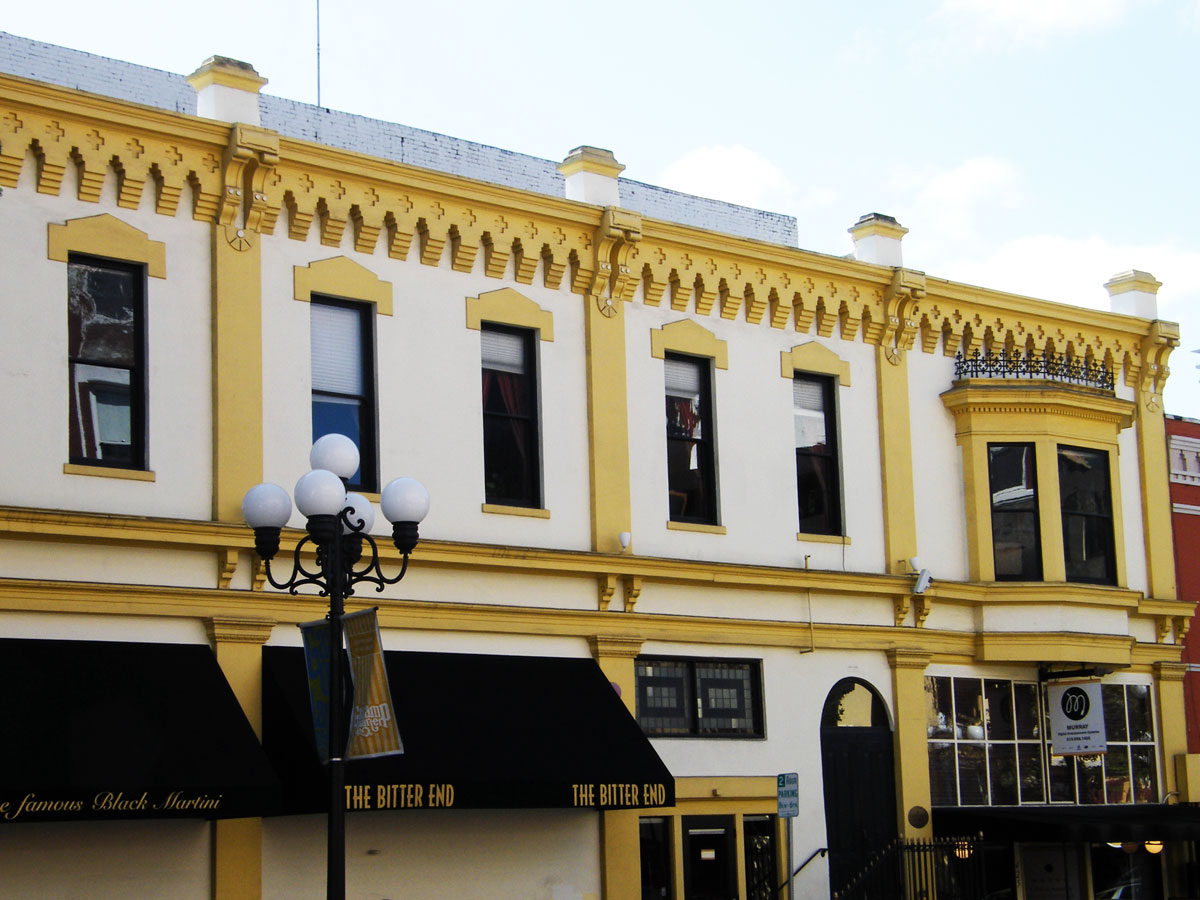
The Spencer Ogden Building, 1874. The second floor was added in 1885, and the original ironwork of this French Renaissance-style building was replaced with newer material.
Marston’s department store (1881-1896) Marston’s was one of Southern California’s finest emporiums and a genteel social hub for all ages. During the early 20th century, it was the region’s exclusive source of Gustav Stickley’s prestigious Arts & Crafts oak furniture. With the building of the fifth store in 1912, the store soon grew to 500 employees, in a progressive environment where women held senior positions and salaries provided a living wage.
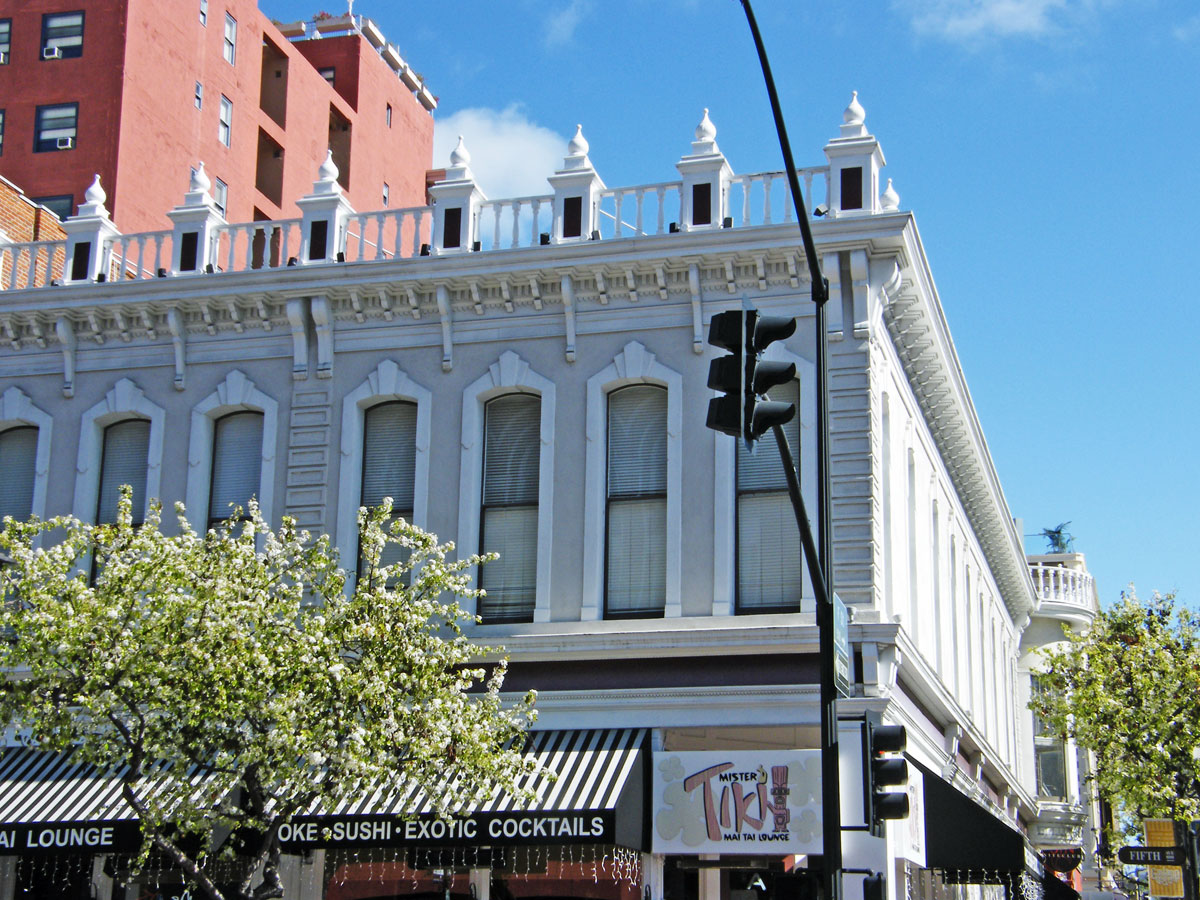
Construction of the San Diego Trust & Savings Bank building occurred in 1927 and is generally regarded as a fine example of the Italian Romanesque Revival style. From 1928 until March 18, 1994, the building at Sixth & Broadway served as the headquarters for San Diego Trust & Savings Bank. It was then repurposed as a Courtyard-Marriott Hotel.
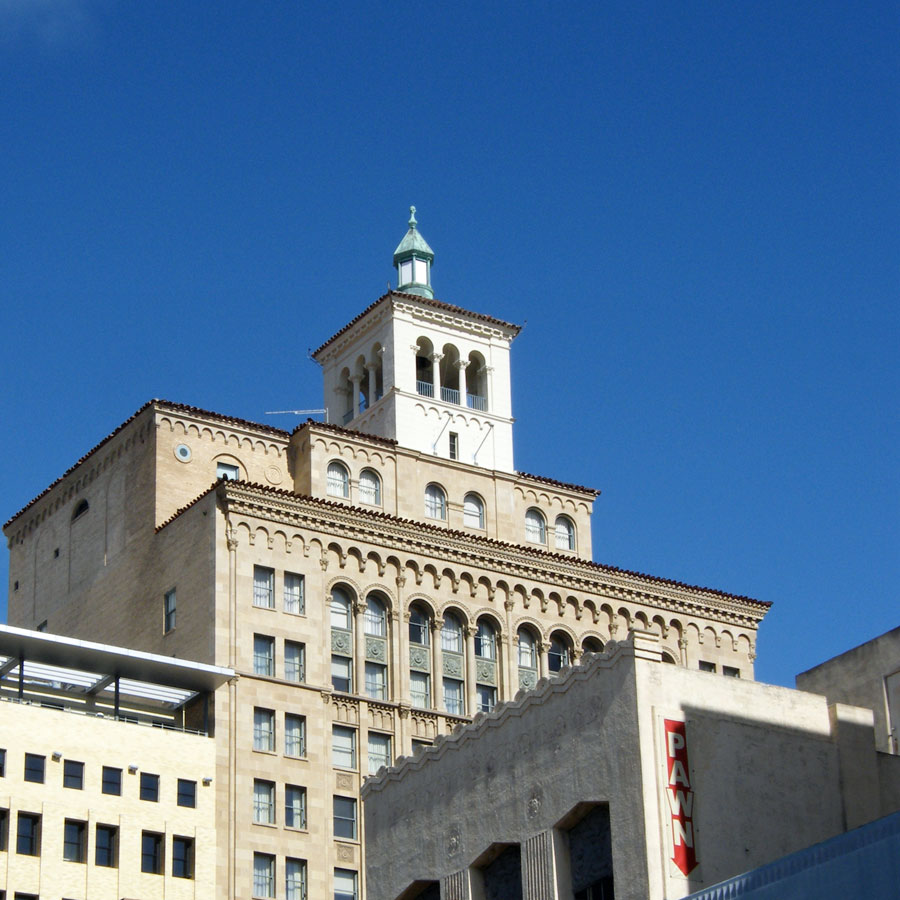
Spreckels Building 625 Broadway was San Diego’s very first high-rise building and one of the last buildings constructed by John D. Spreckels in 1926. Now converted into luxury loft apartments.
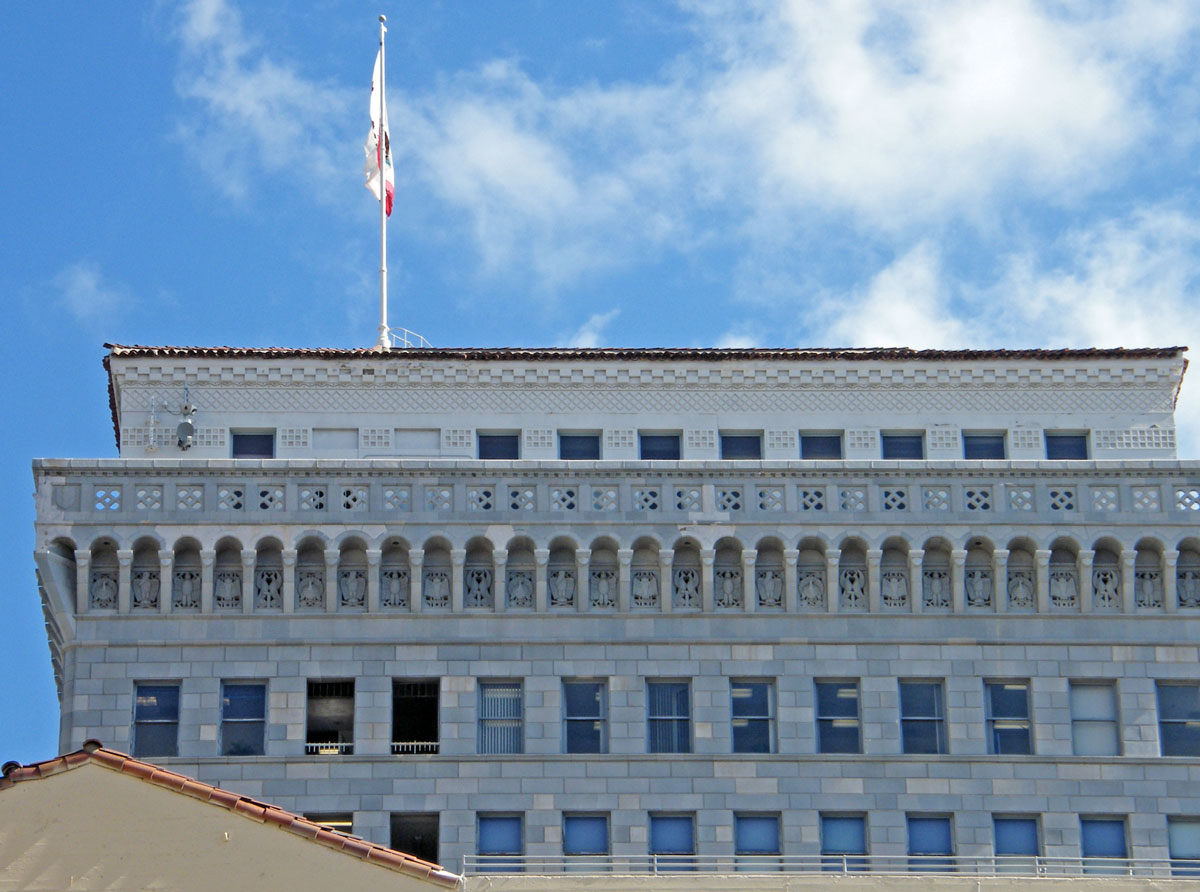
Historic theatre (Reading Cinemas Gaslamp 15)

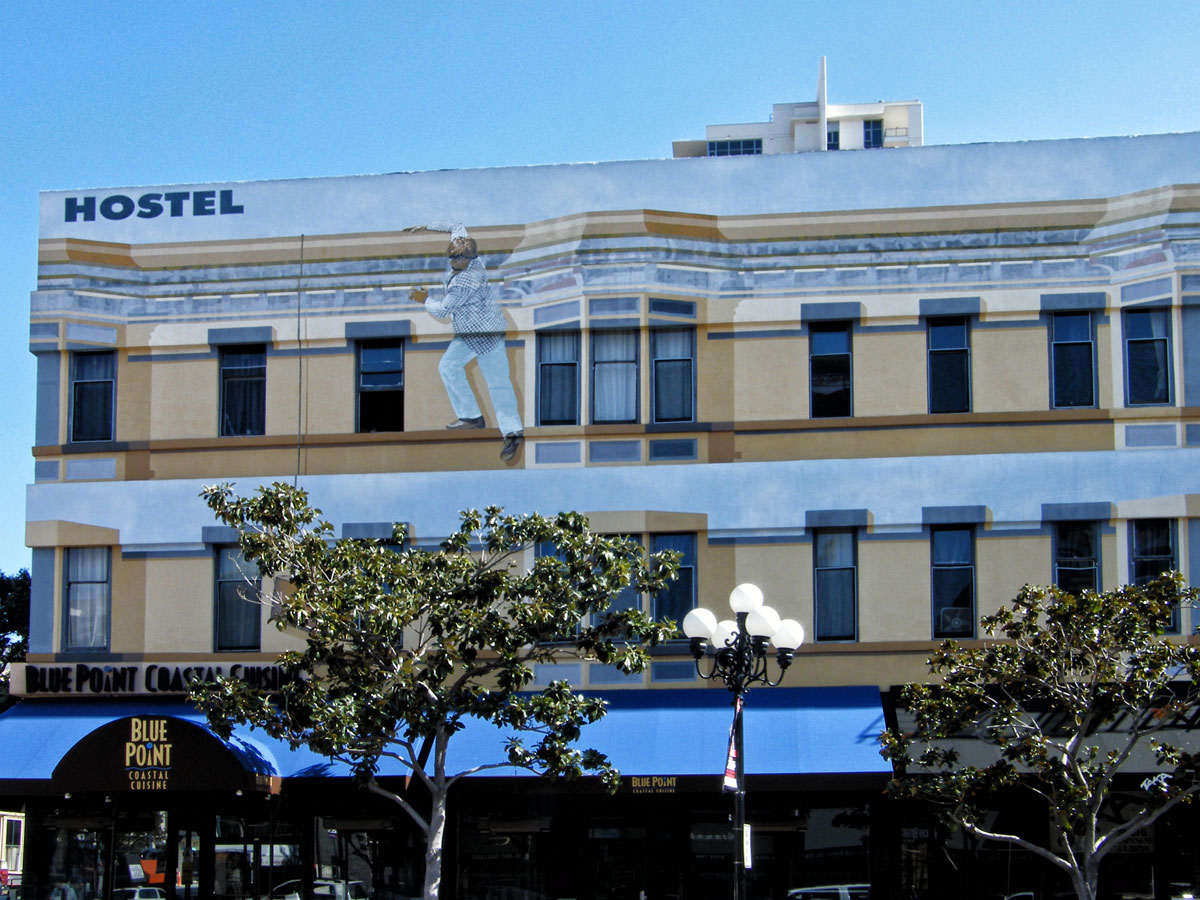
Downtown Hostel
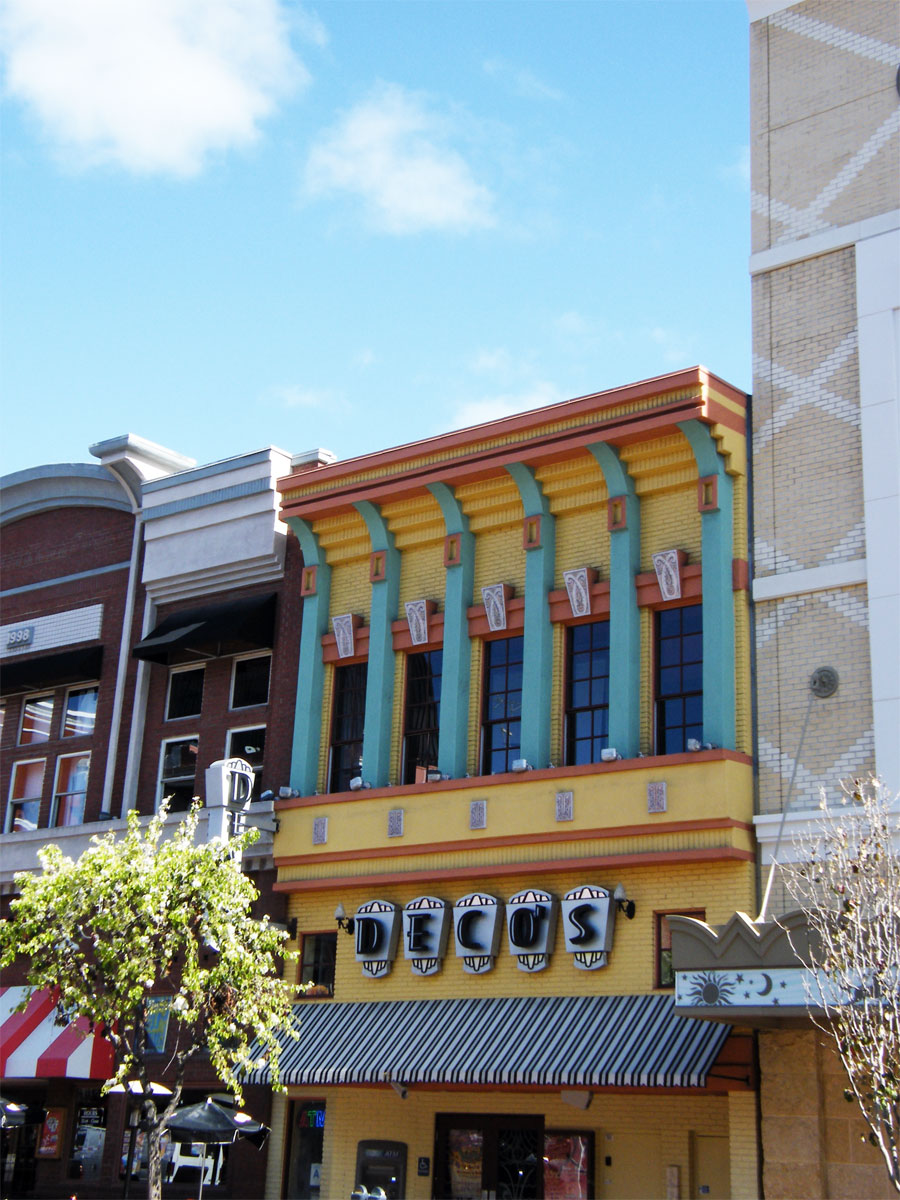
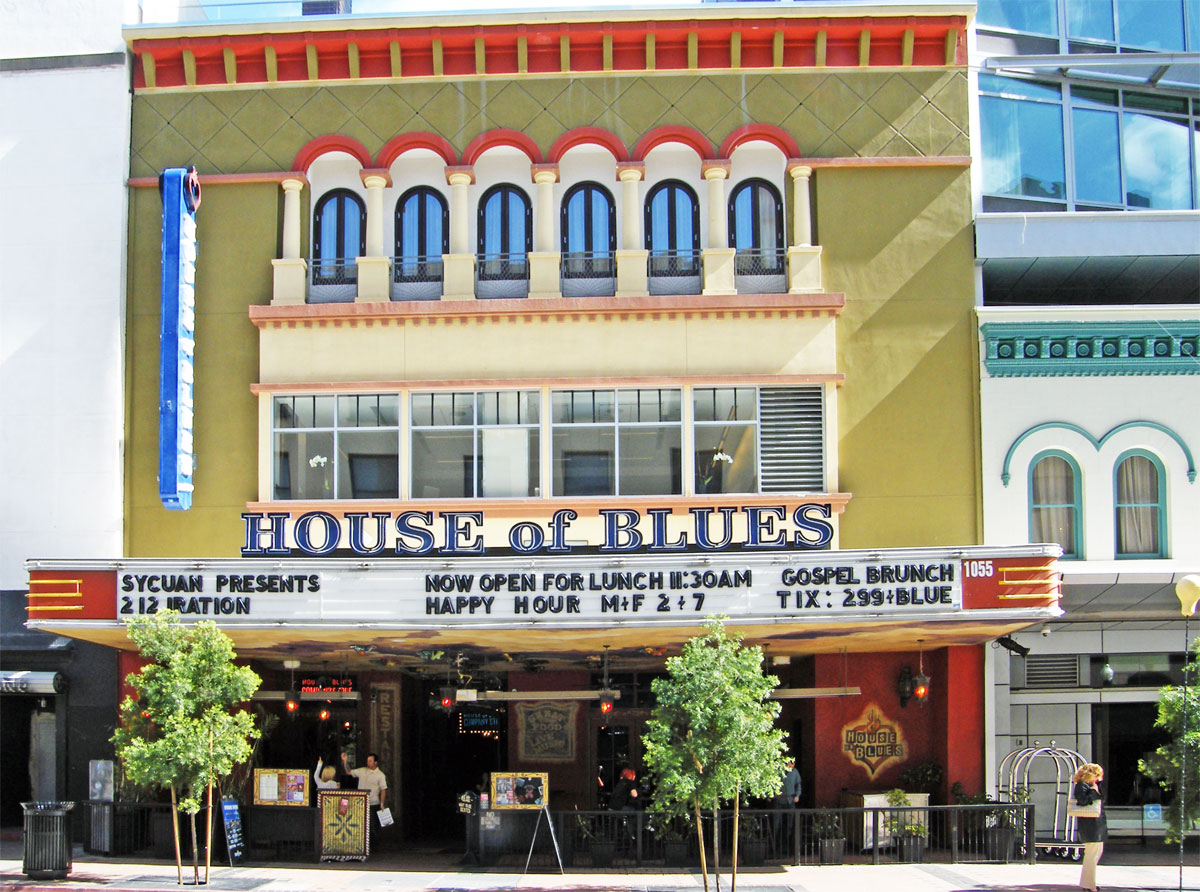
Art Deco buildings on 5th Ave

Although often difficult to photograph these buildings without the horrid perspective distortion it is an interesting district to wander about in with lots of history although I was unable to discover much information about the art deco style buildings.
Postcards from Around the World

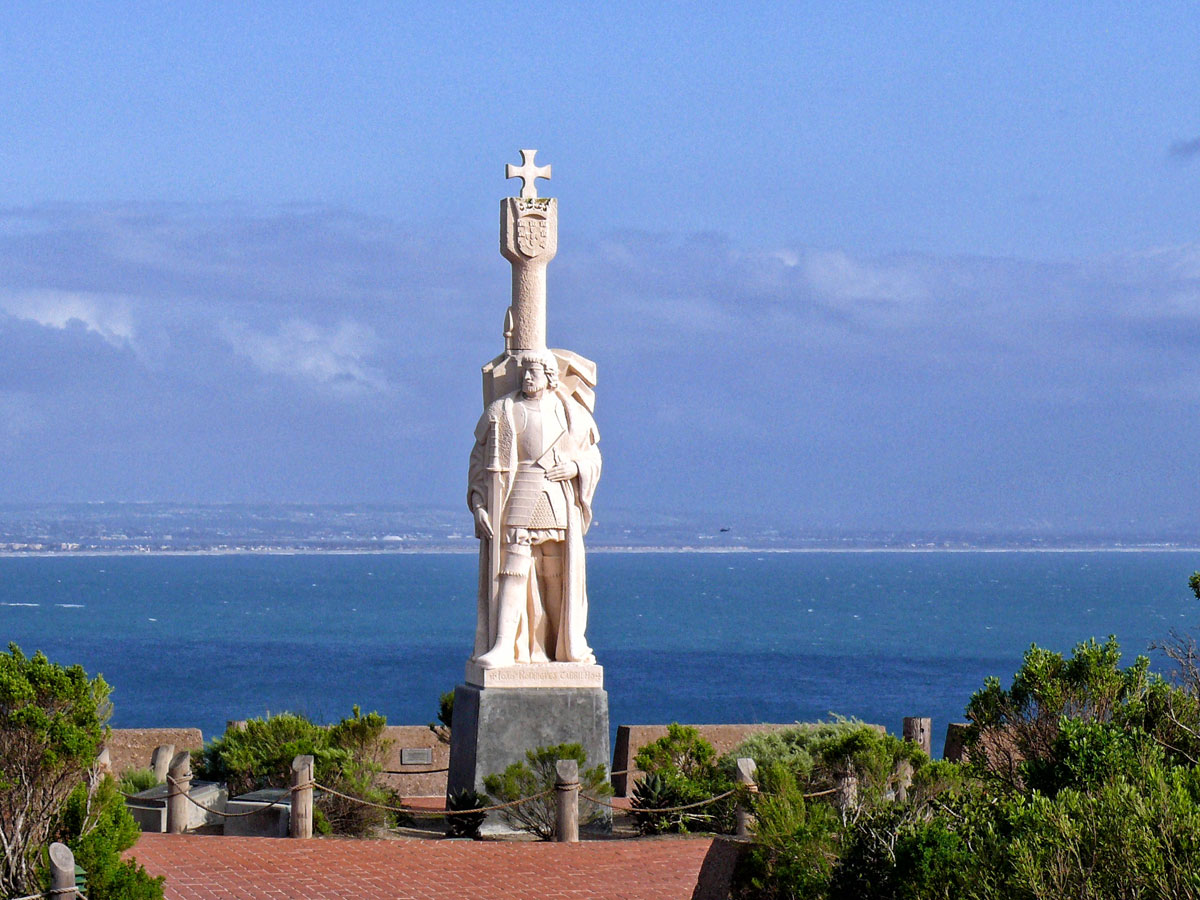
Just west of downtown San Diego and on the other side of the water from the Coronado Naval Air Station sits the Point Loma Peninsula, known for its tide pools, sandstone cliffs, and the historic Cabrillo National Monument which commemorates the landing of Juan Rodríguez Cabrillo at San Diego Bay on September 28, 1542.

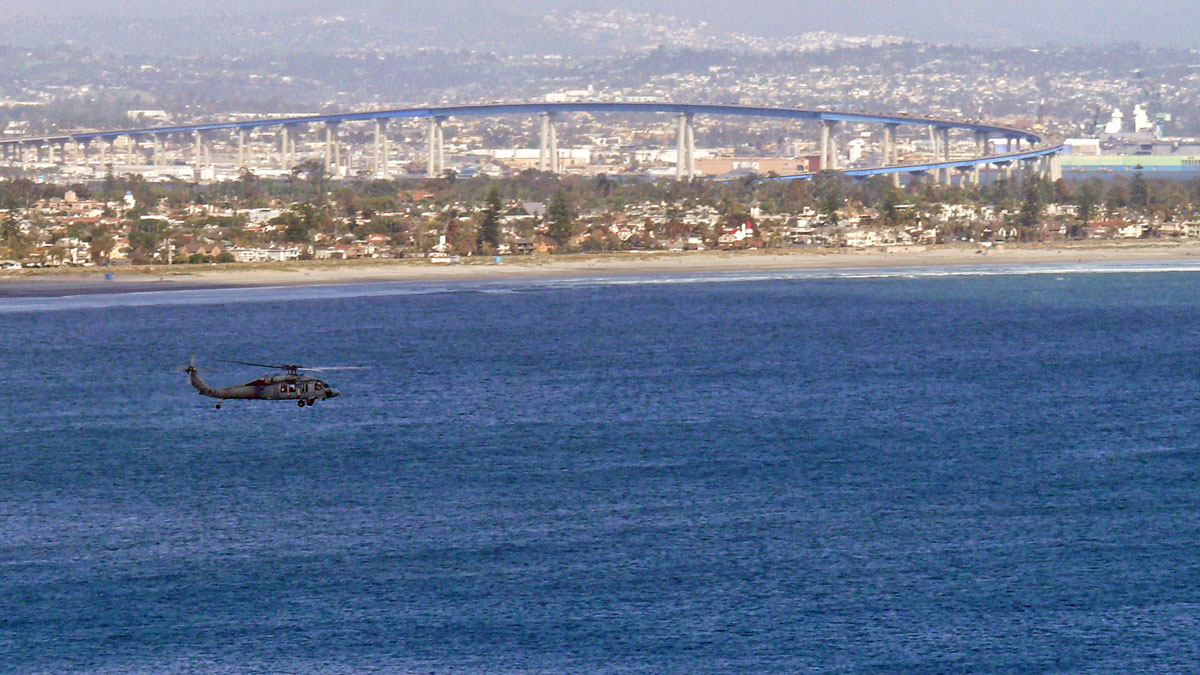
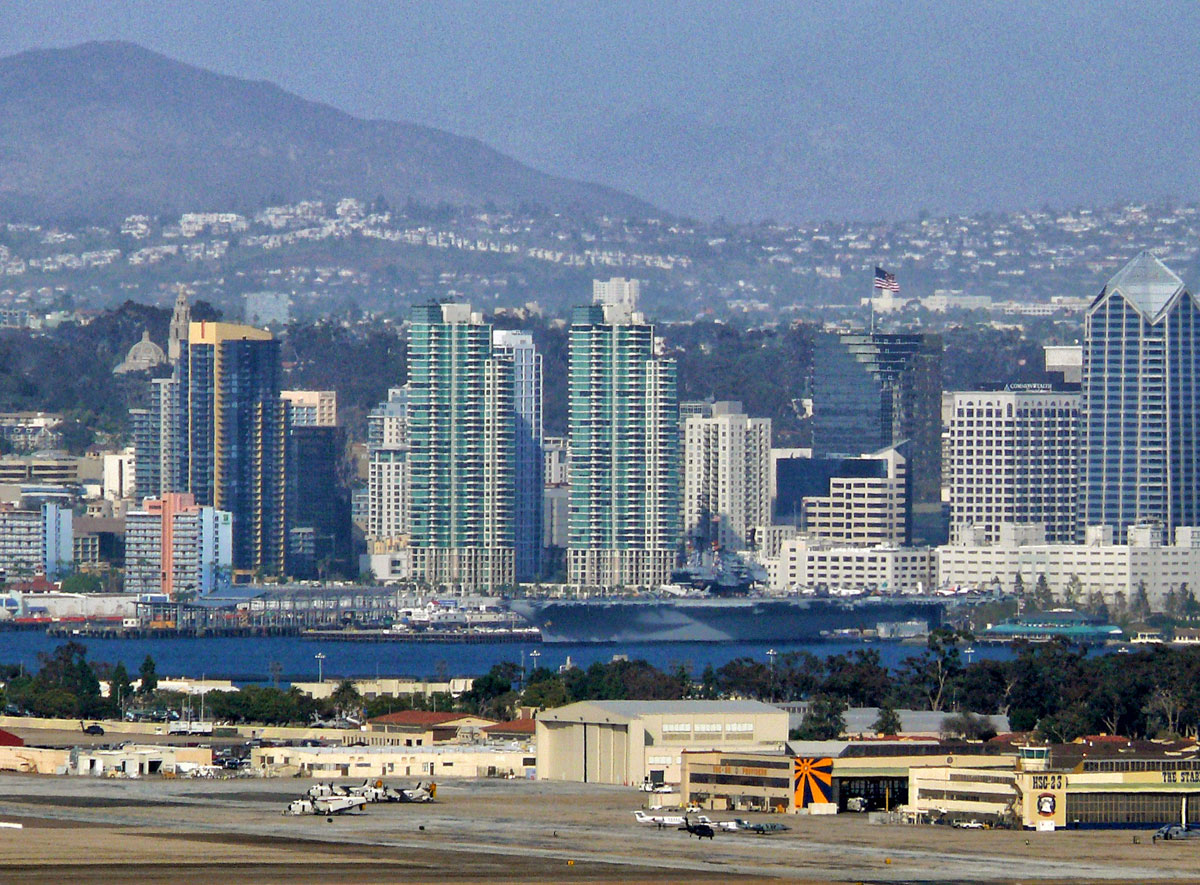
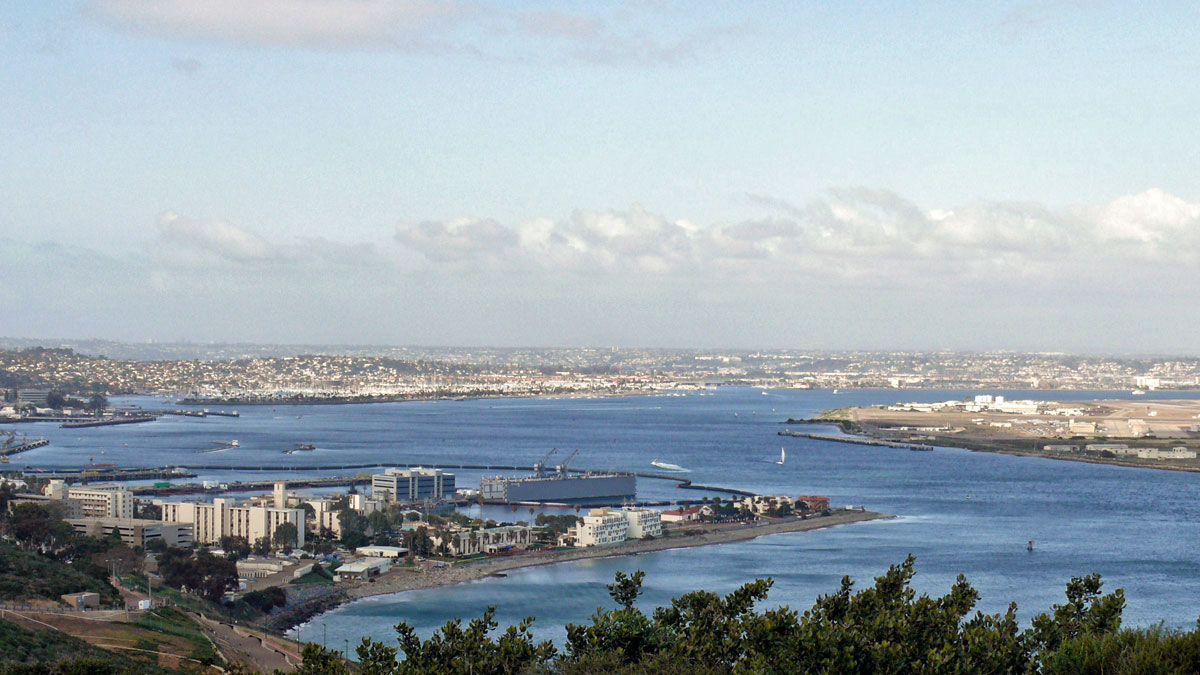
There are great views across to the harbour and San Diego region (Point Loma Naval Base in the foreground and the Naval Air Station on Coronado on the right).
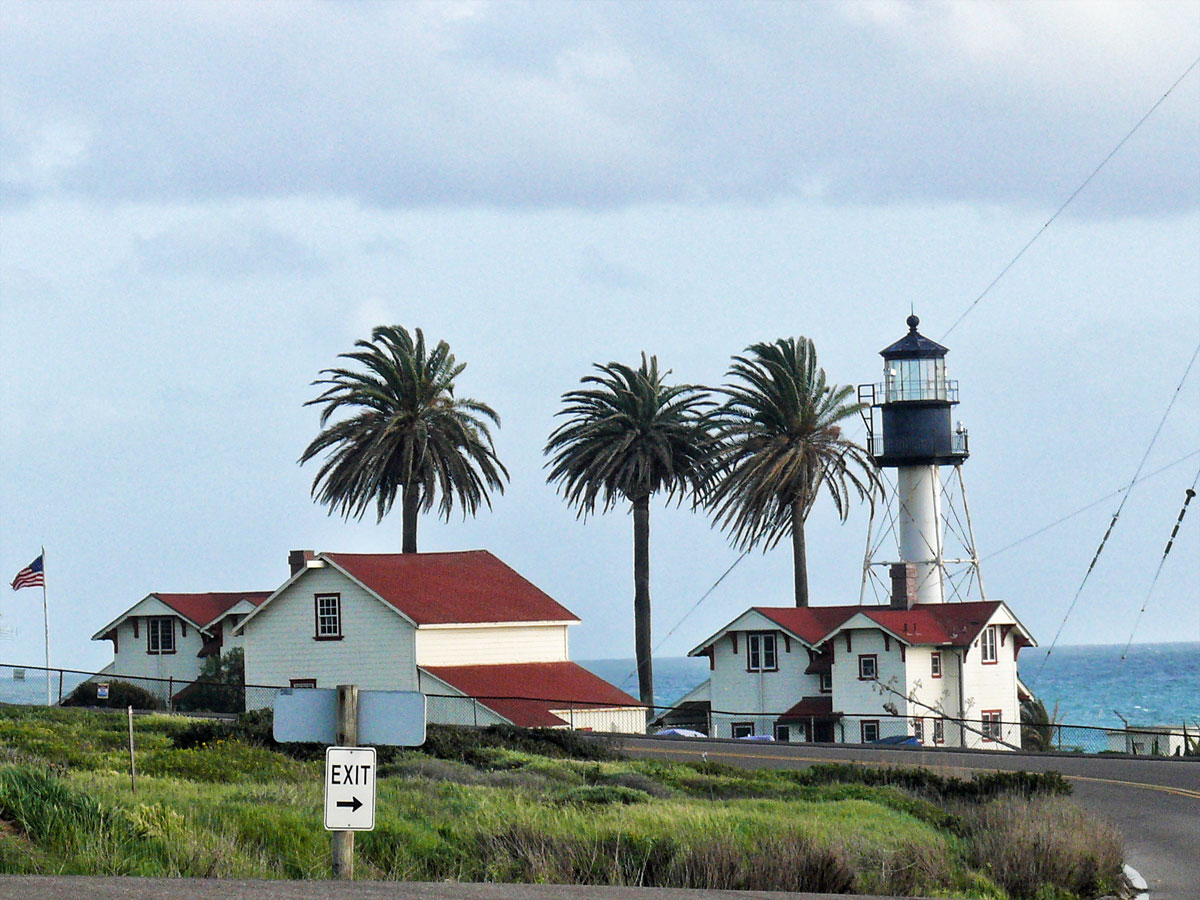
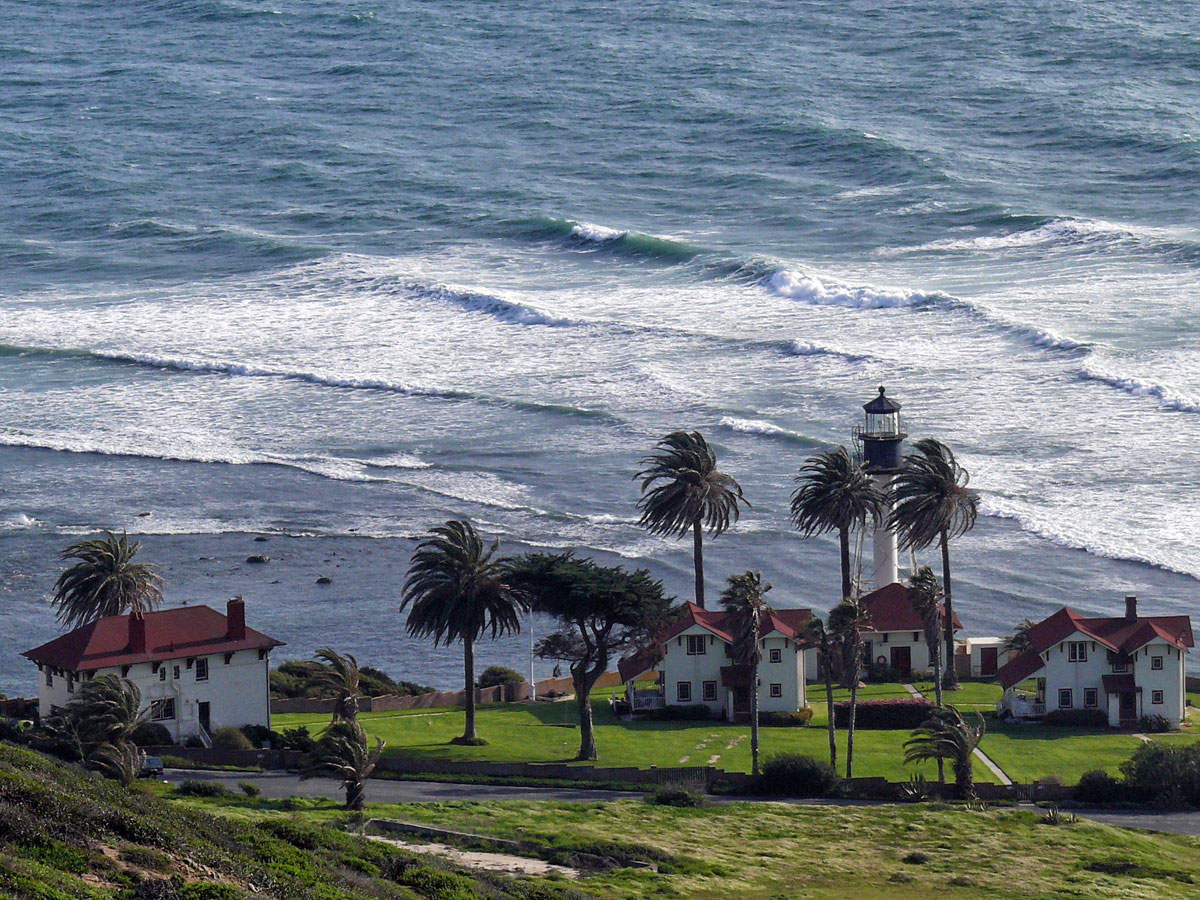
This is the new Point Loma Lighthouse in San Diego, California. It was in service from 1891-1997. The lens was removed and is now stored on site at the old Point Loma Lighthouse.

There are several hiking trails through the coastal sage scrub forest especially beautiful in spring with wildflowers. There are also tidal pools to explore which get very busy during the summer months.
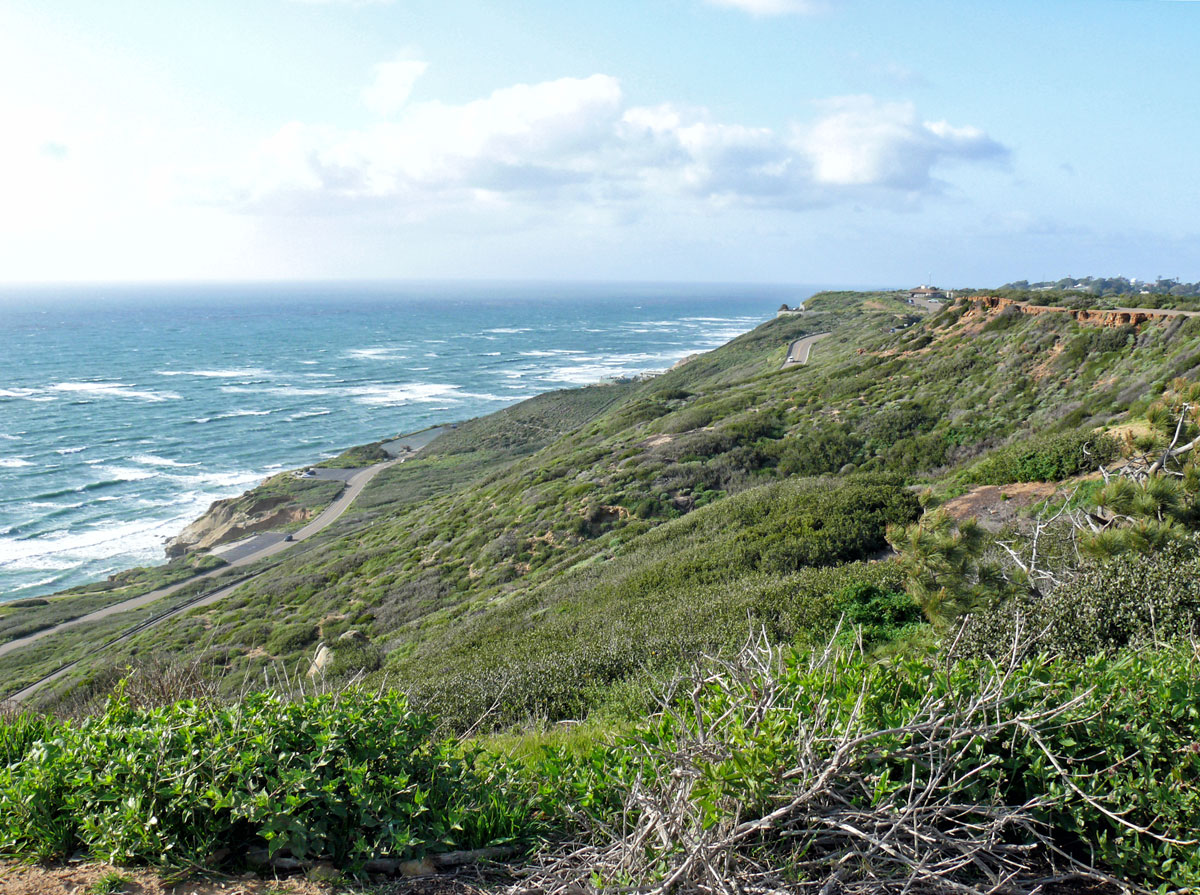
Roads through the National Park

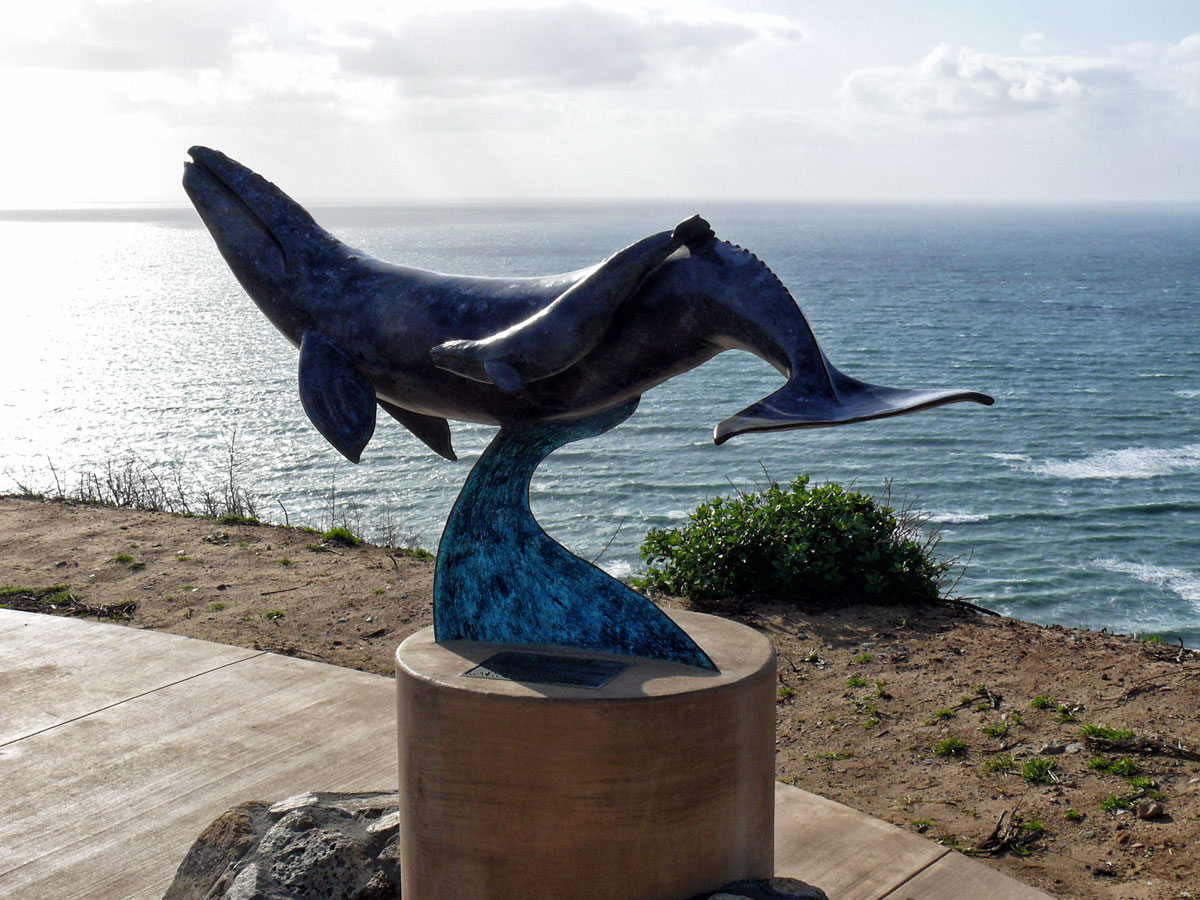
A little south of the lighthouse is the Whale Overlook. This vantage point offers pleasant views of the Pacific Ocean and the New Point Loma Lighthouse. Whales are often seen from here in January and February.

The Grey Whale statue
New Point Loma Lighthouse
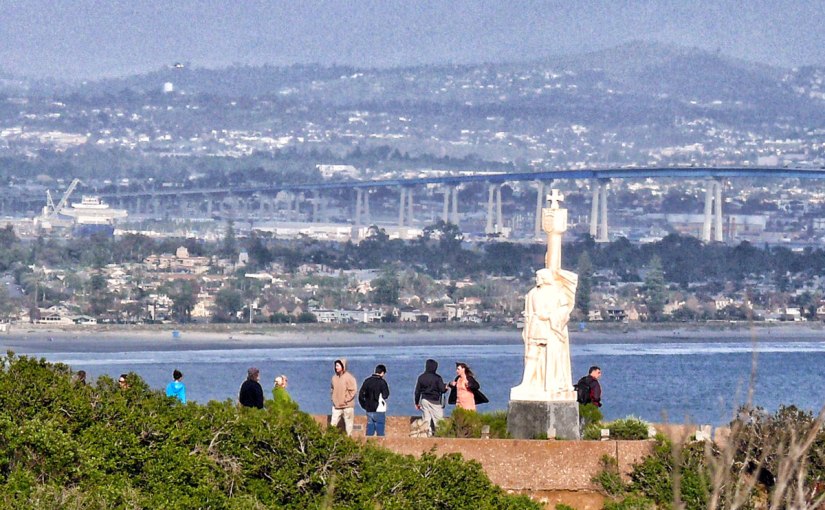
A helicopter leaving North Island Naval Air Station against the impressive curved bridge to Coronado. The views from Cabrillo National Monument are impressive.

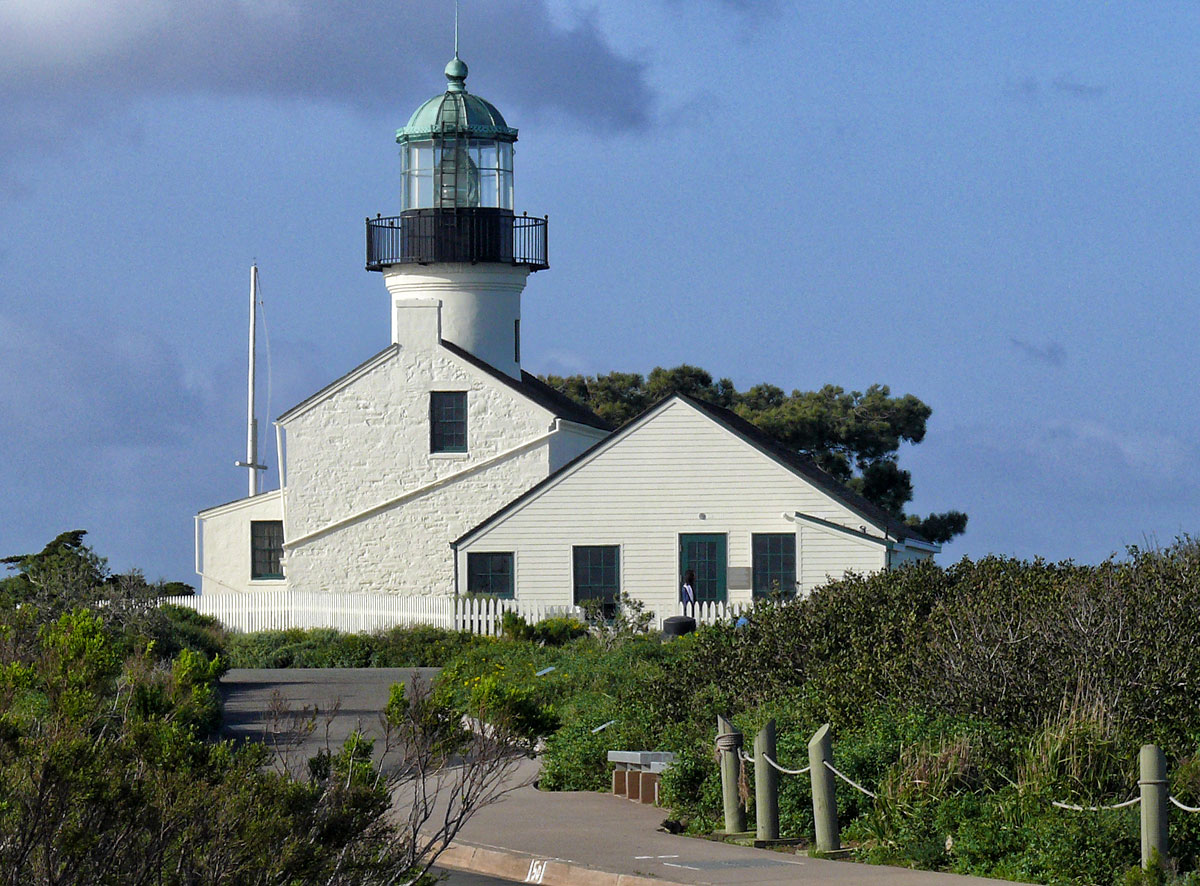
A short walk leads to the Old Point Loma Lighthouse. This picturesque structure is restored to its 1880s appearance and presents life as it was for the lightkeepers and their families. In the adjacent Assistant Keeper’s Quarters, interactive exhibits tell the story of the Lighthouses of Point Loma and, in a nearby historic military building, the exhibit “They Stood the Watch” presents the history of Fort Rosecrans.

This is the old Point Loma Lighthouse. It was in service 1855-1891.
The statue viewing area is down a short walking path just off the traffic circle in front of the Visitor Centre.

Cabrillo led the first European expedition to set foot on what would become the west coast of the United States, and the first to chart the coast of California. Cabrillo departed from the port of Navidad, Mexico on June 27, 1542. Three months later he arrived at “a very good enclosed port,” which is known today as San Diego Bay. He later died during the expedition though his crew made it as far as Oregon before harsh winter storms forced them back to Mexico.

Downtown San Diego

We had an America the Beautiful pass which covered our vehicle entrance as we were planning on doing the Canyons Circle after leaving the city.

Postcards from Around the World

La Jolla Coastal Walk

La Jolla (Pronounced luh hoy uh) is a smart seaside area, known for its rugged coastline and tidal pools as well as waterfront restaurants and posh boutiques in La Jolla Village. So whilst on a visit to San Diego, back in early March 2010, I decided to go and see it for myself. Easy to reach from the Old Town terminus on the number 30 bus.

Walking from the bus stop on Silverado Street I made my way to the shoreline at Cuvier Park, stopping first for brunch at the Museum of Contemporary Art of San Diego. From there I simply followed the coastline and promenade along to Goldfish Point – about a mile – before heading back to the bus stop.

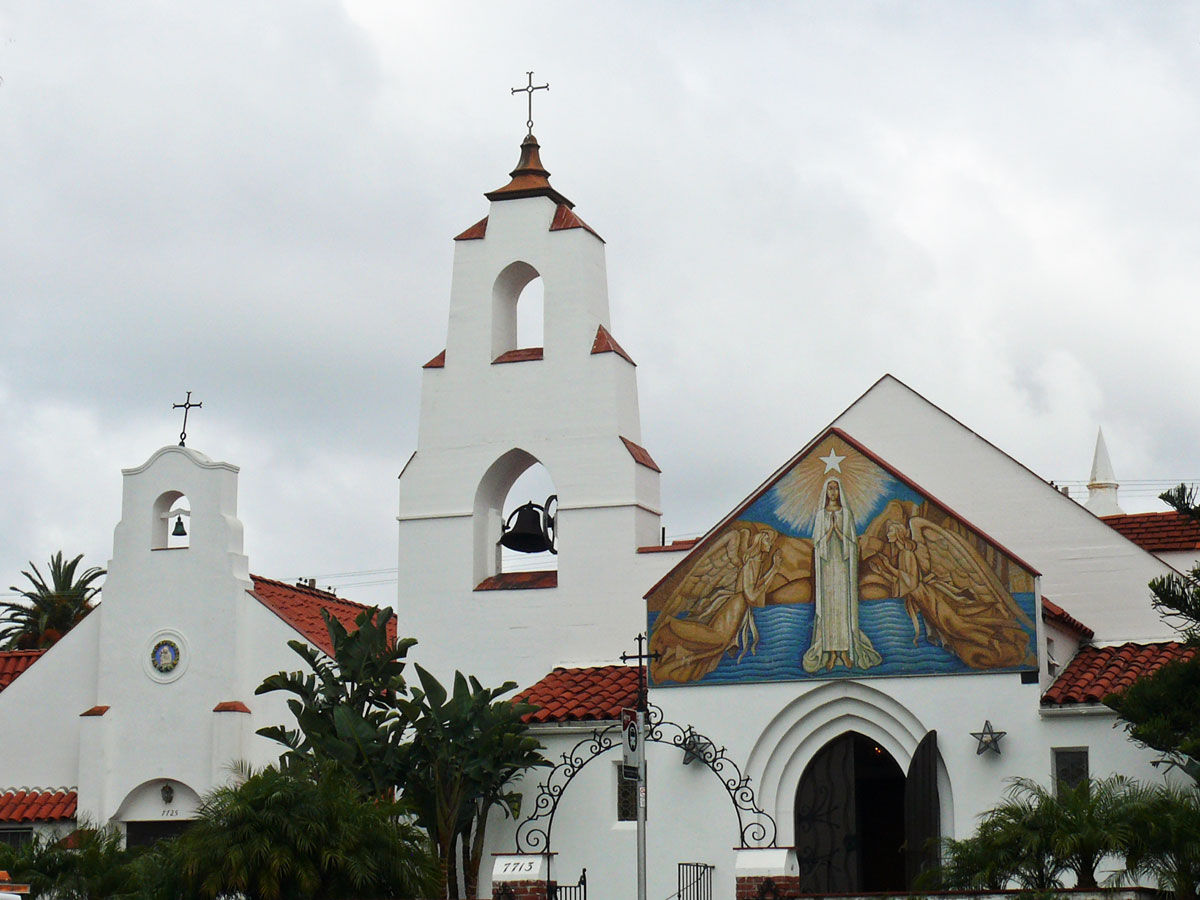
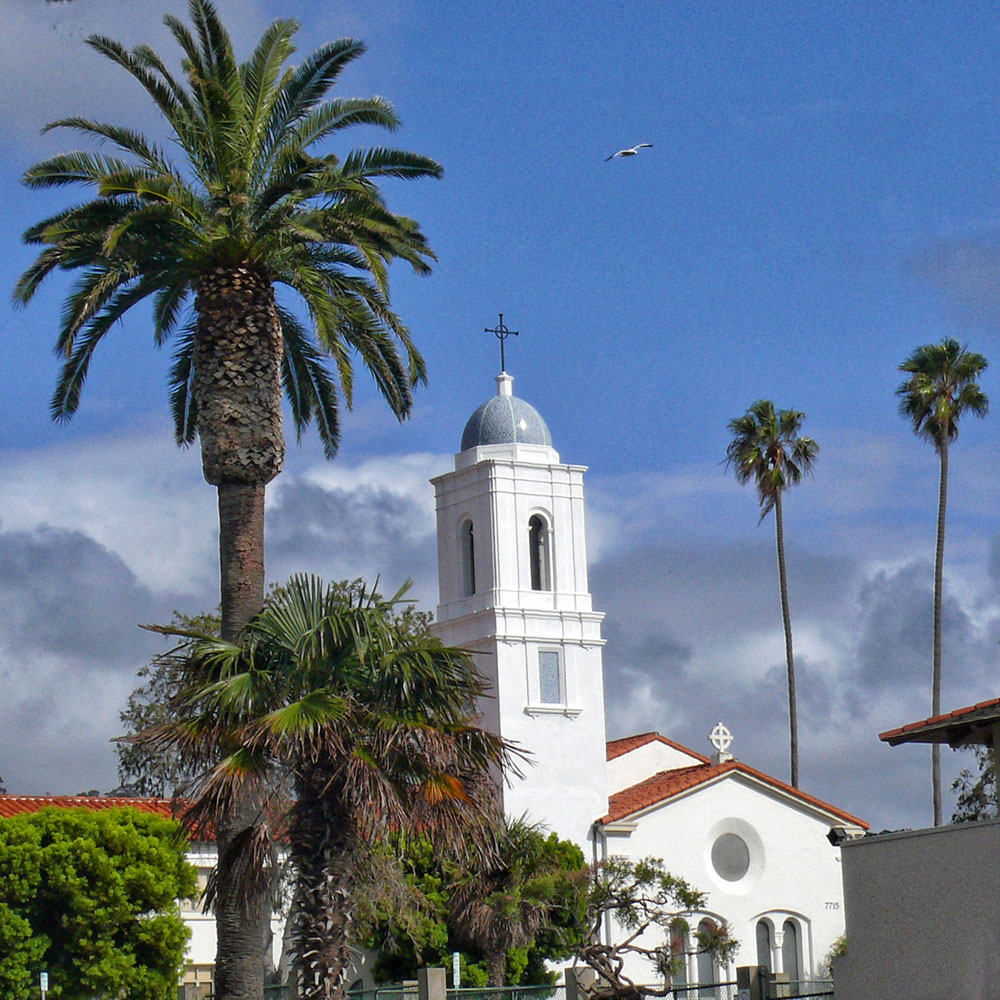
Mary Star of the Sea Catholic Church – Girard Avenue
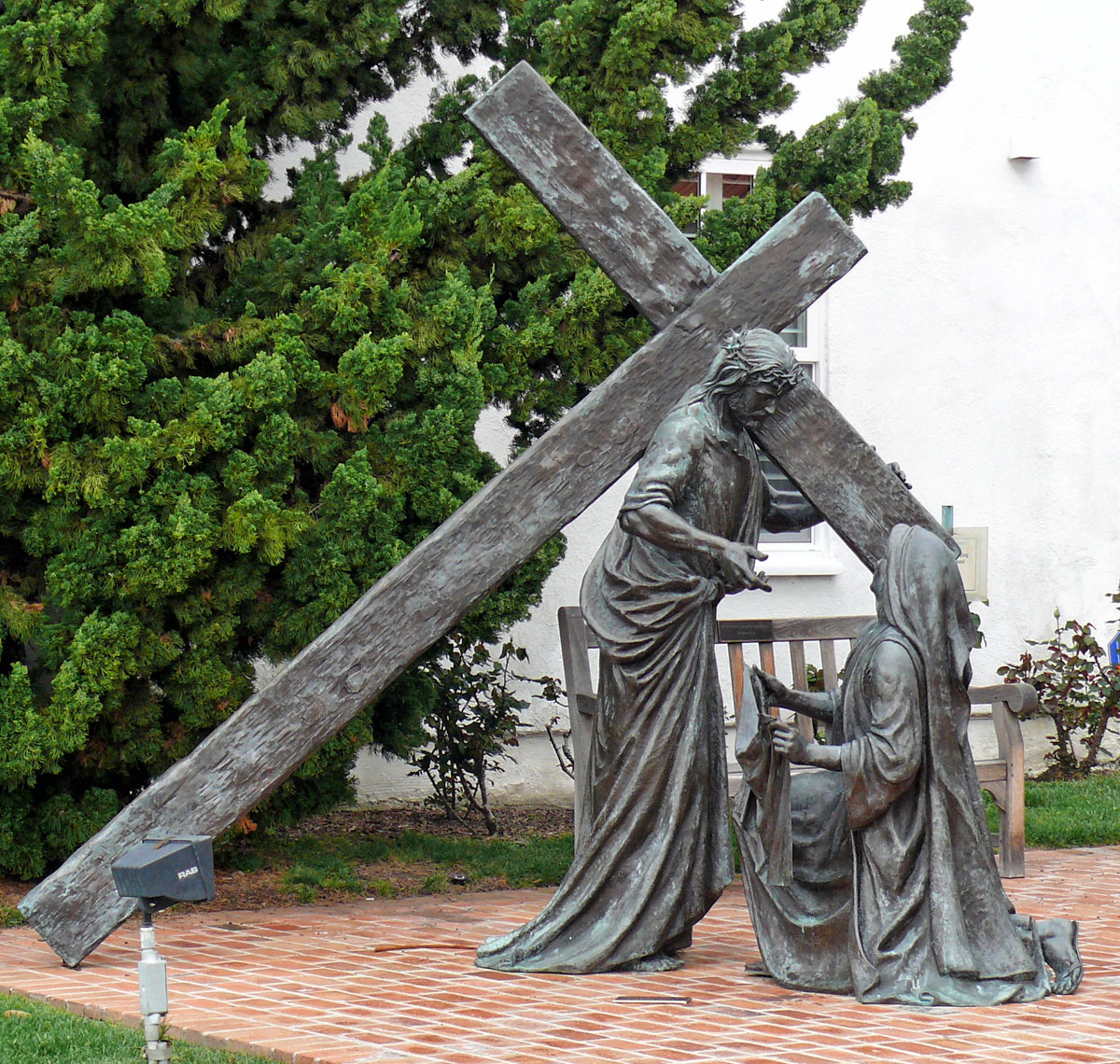
The Sixth Station: Veronica Wipes the Face of Jesus

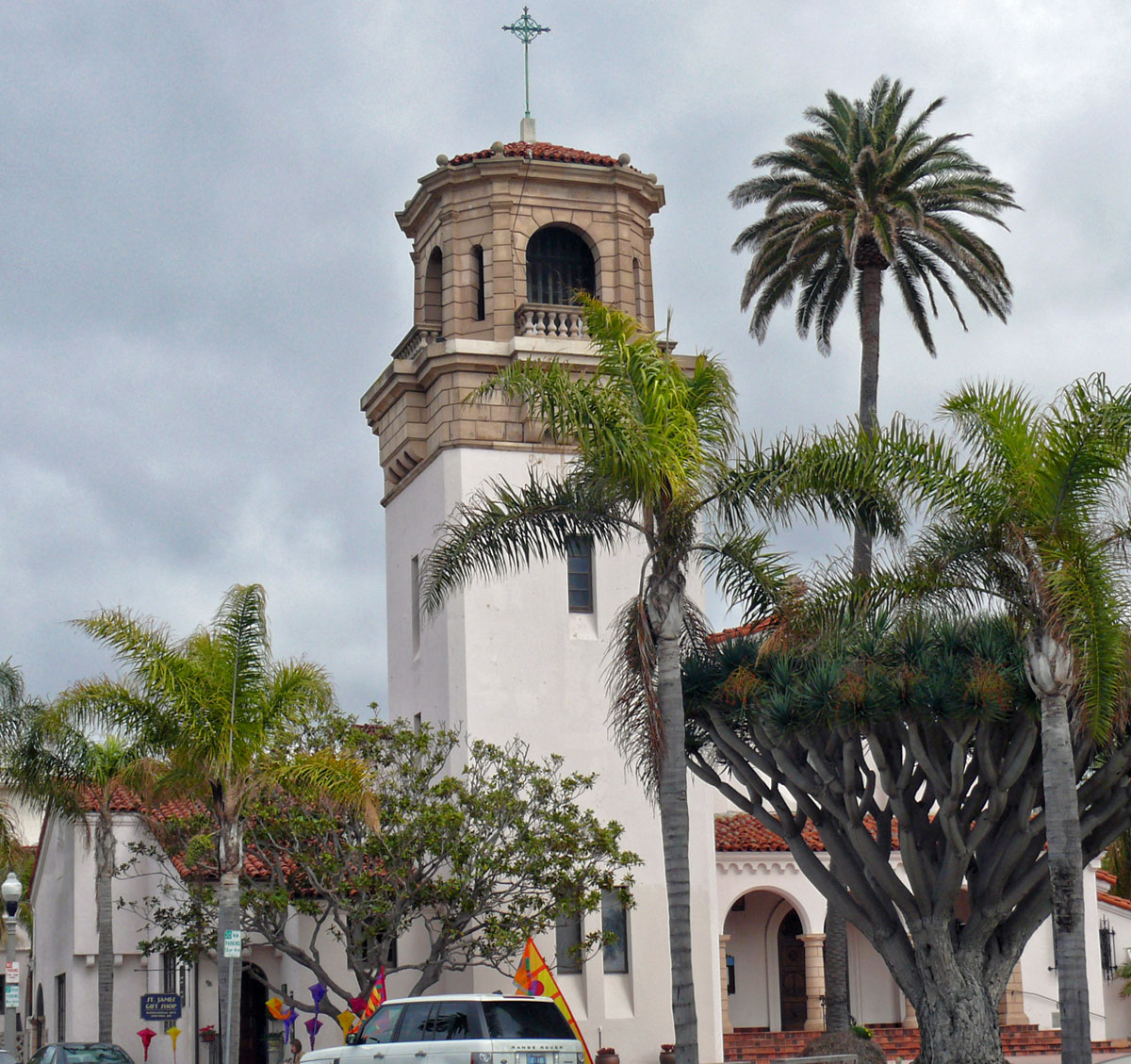
There seem to be many churches in La Jolla, but all rather beautiful, from the outside anyway. I didn’t go into any of them.

Presbyterian Church – Draper Avenue
St James by the Sea Episcopal Church – Prospect Street

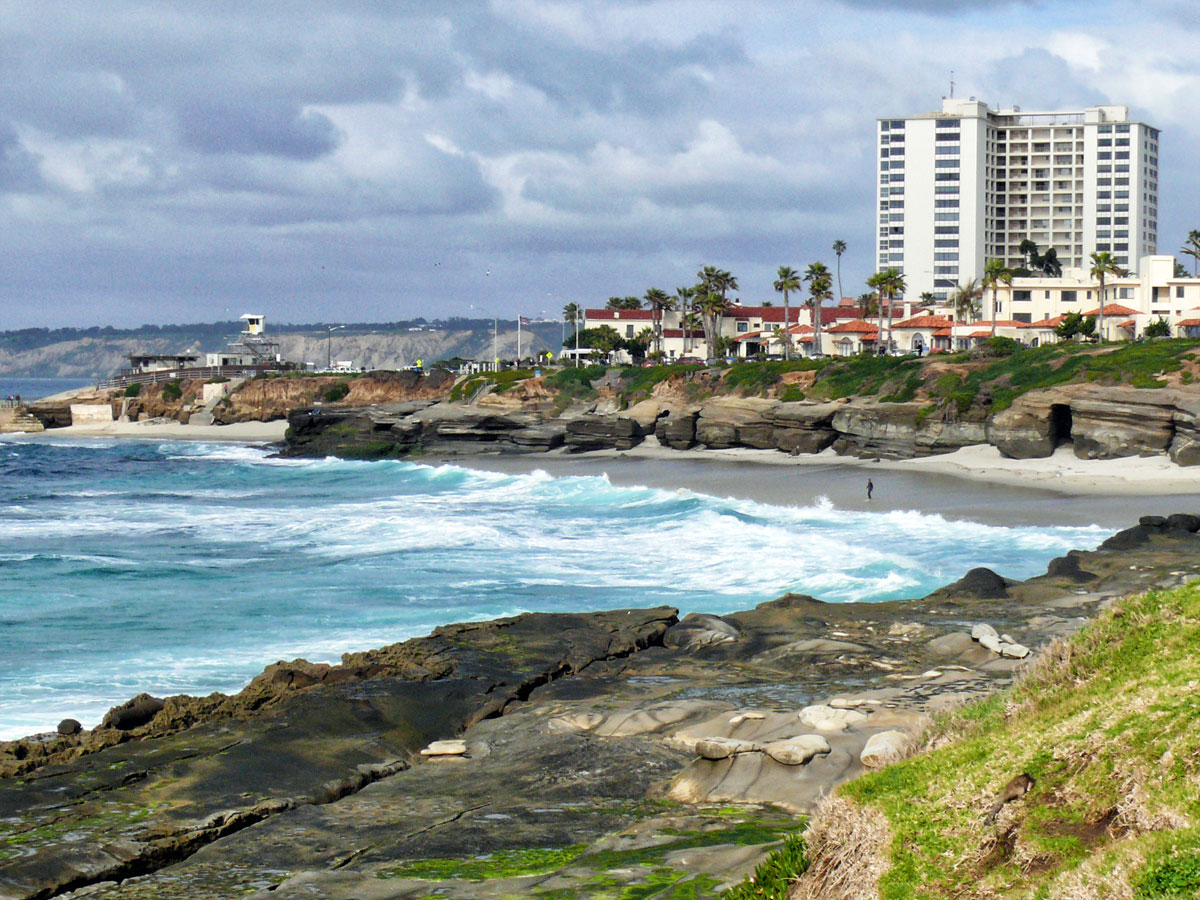
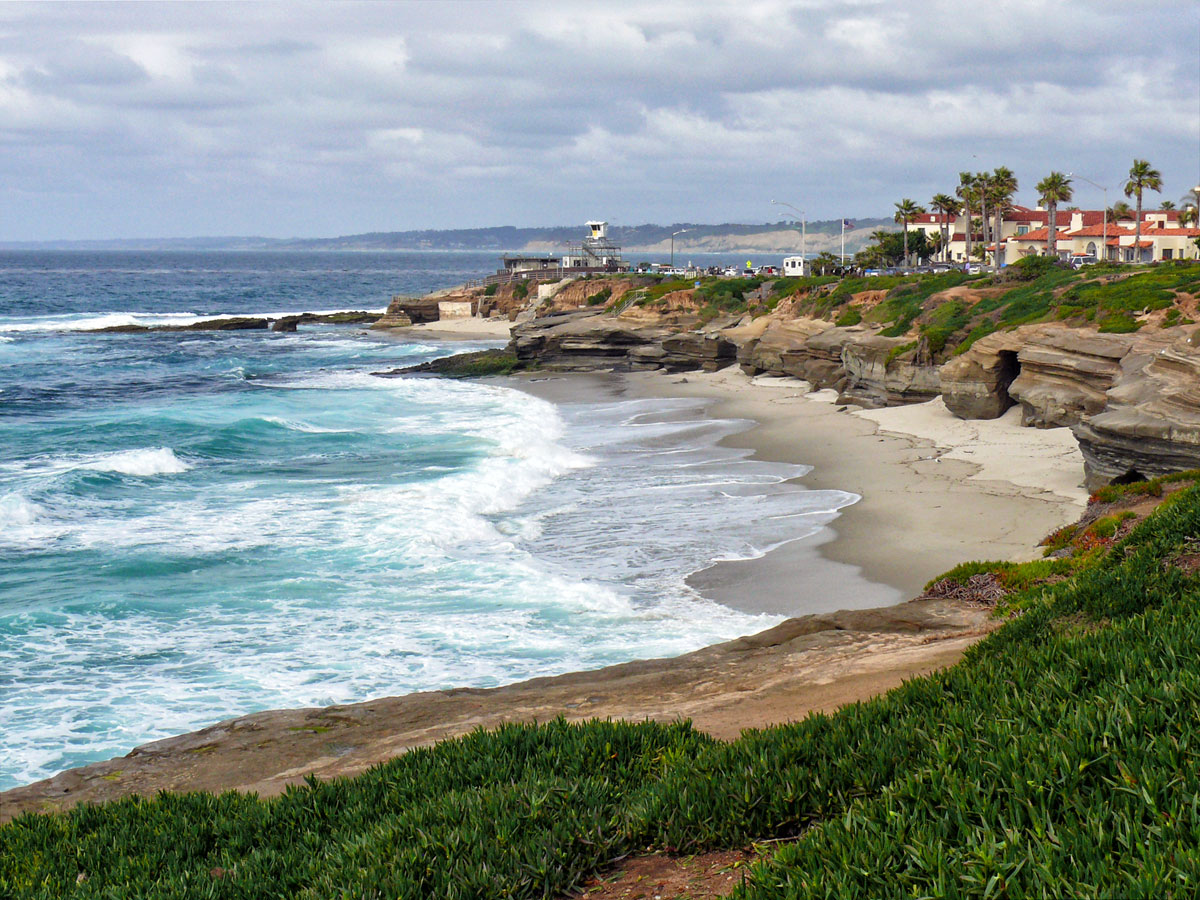
From Cuvier Park you get the most wonderful views north

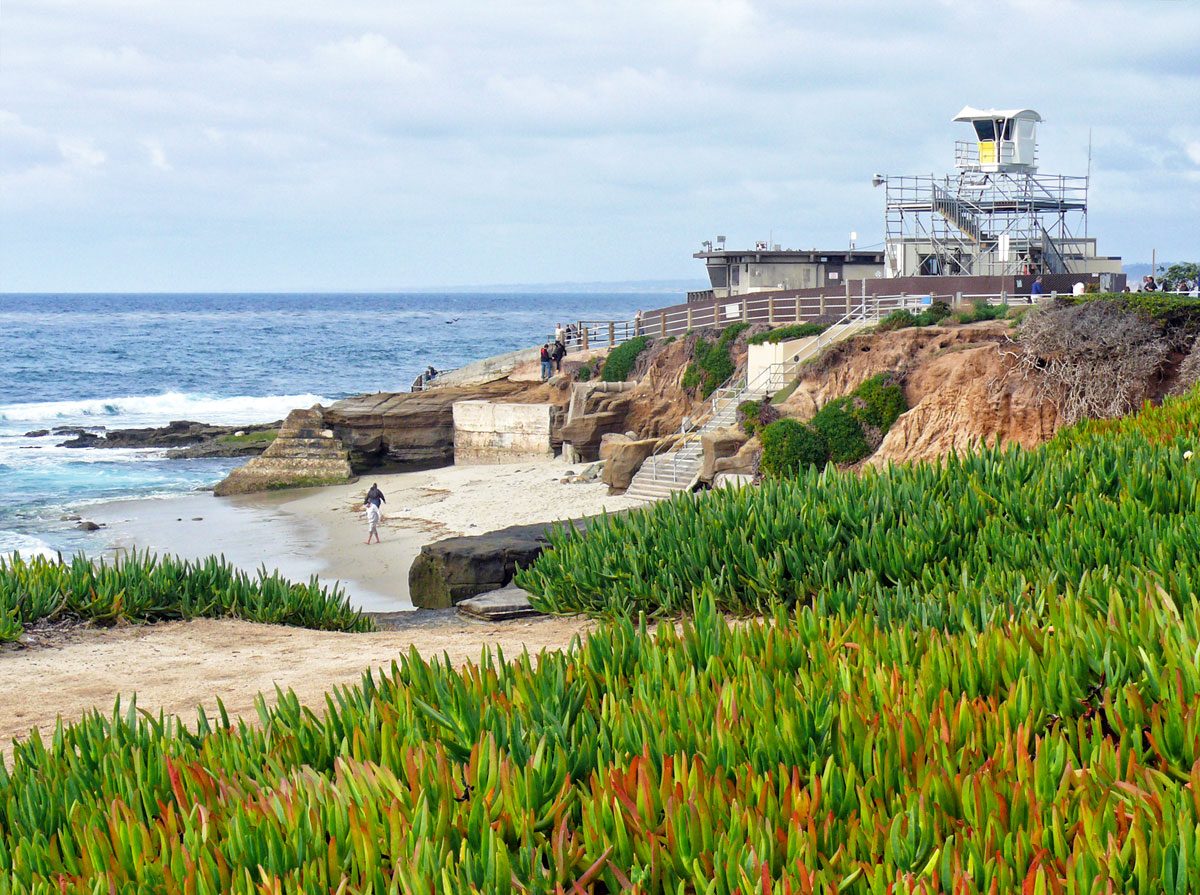
View north towards the Lifeguard Tower at Children’s Pool
Let’s get rid of that ugly high-rise

The ice plants were obviously a very tempting snack for these Californian Ground Squirrels.

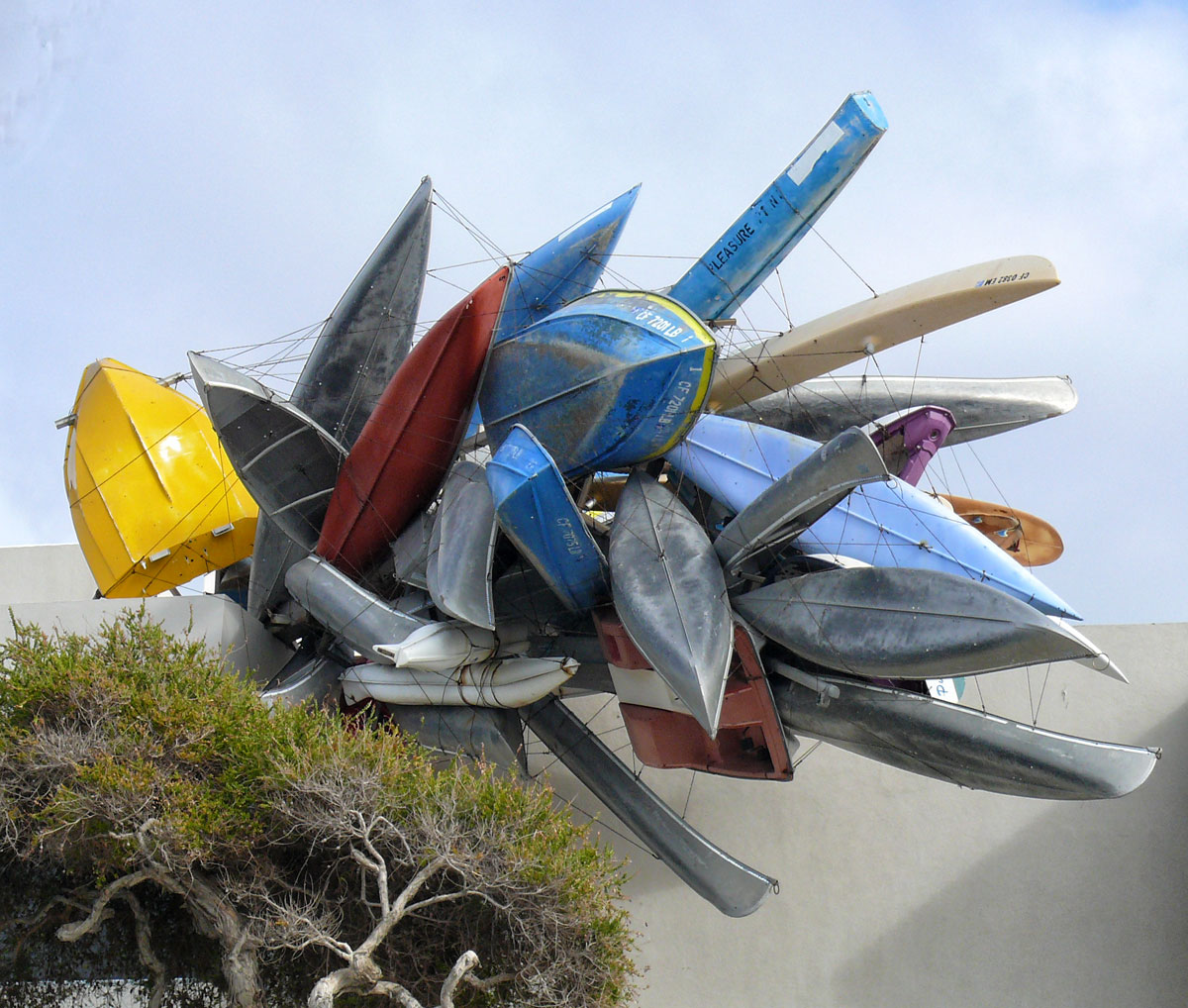
Unusual sculpture at the rear of La Jolla’s Museum of Contemporary Art San Diego called Pleasure Point, by artist Nancy Rubins. It’s made of rowboats, canoes, jet skies, kayaks, surfboards
Lifeguard Tower
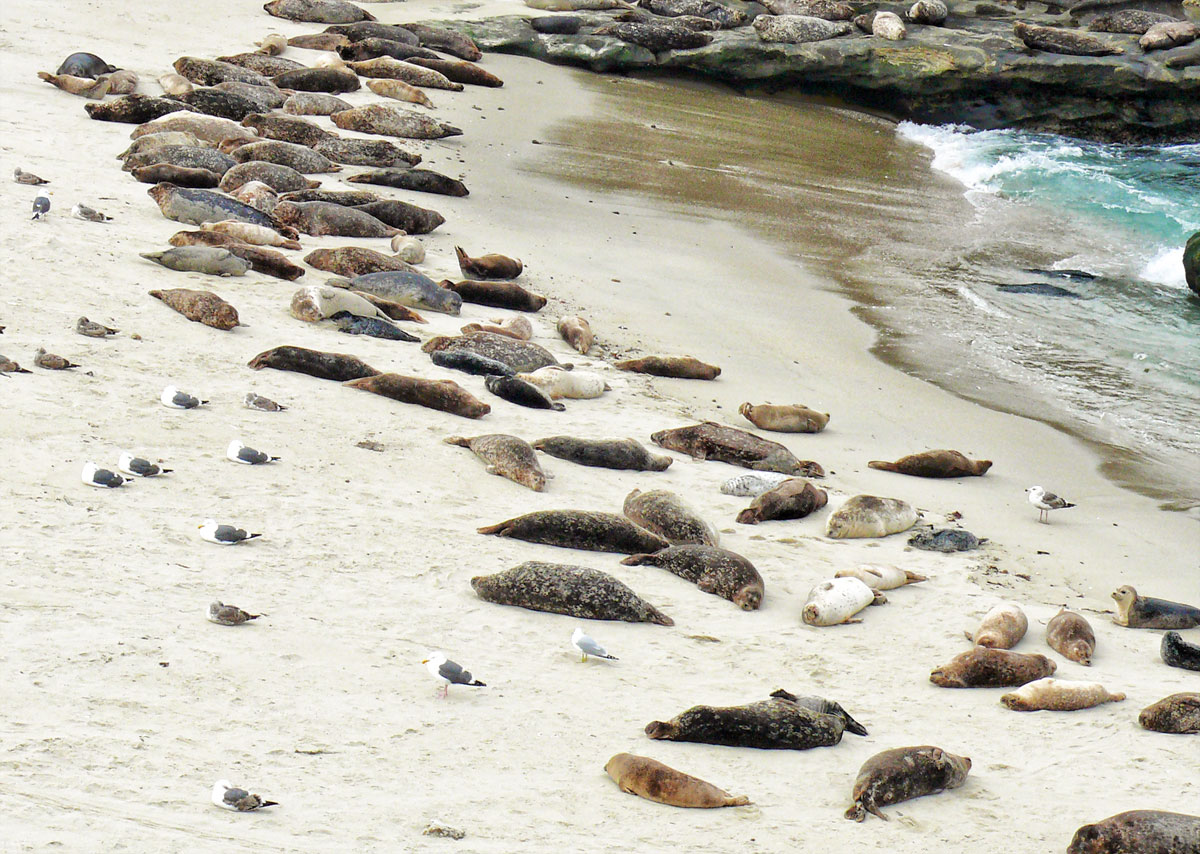
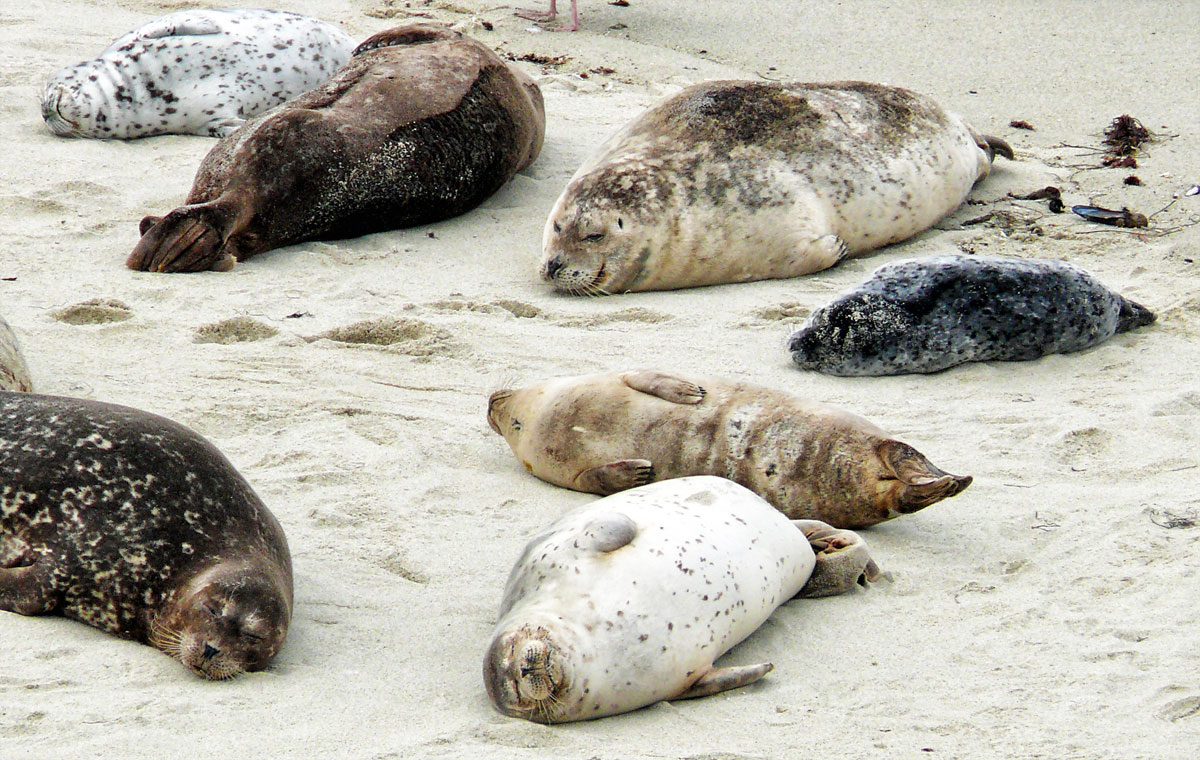
Seals basking on the sand at Children’s Pool

The facility was created in 1931 by benefactor Ellen Browning Scripps as a safe spot for children to swim, but the seals decided that it was also a lovely sunny beach for them to relax on and give birth to their pups. A rope now keeps people from disturbing the protected marine mammals.

Seal pups
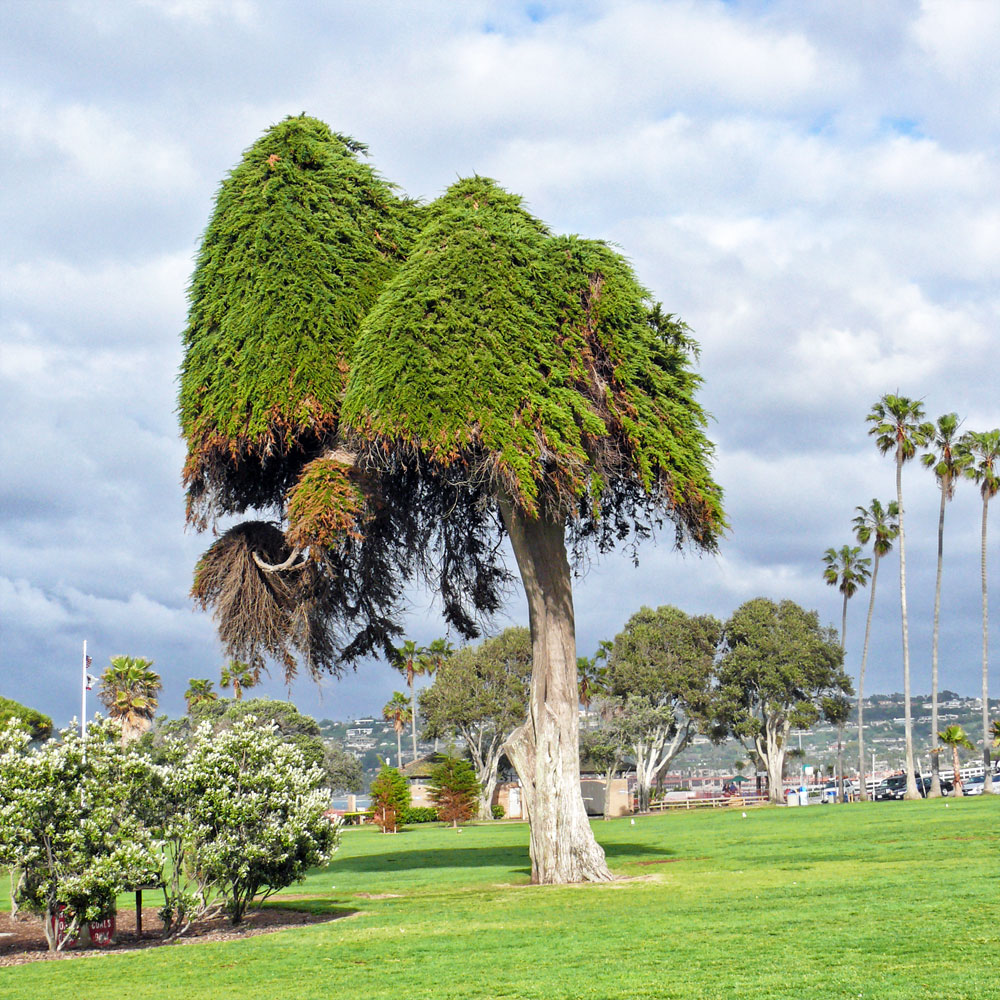
Ellen Browning Scripps Park contains many picnic areas and places to relax on the grass.
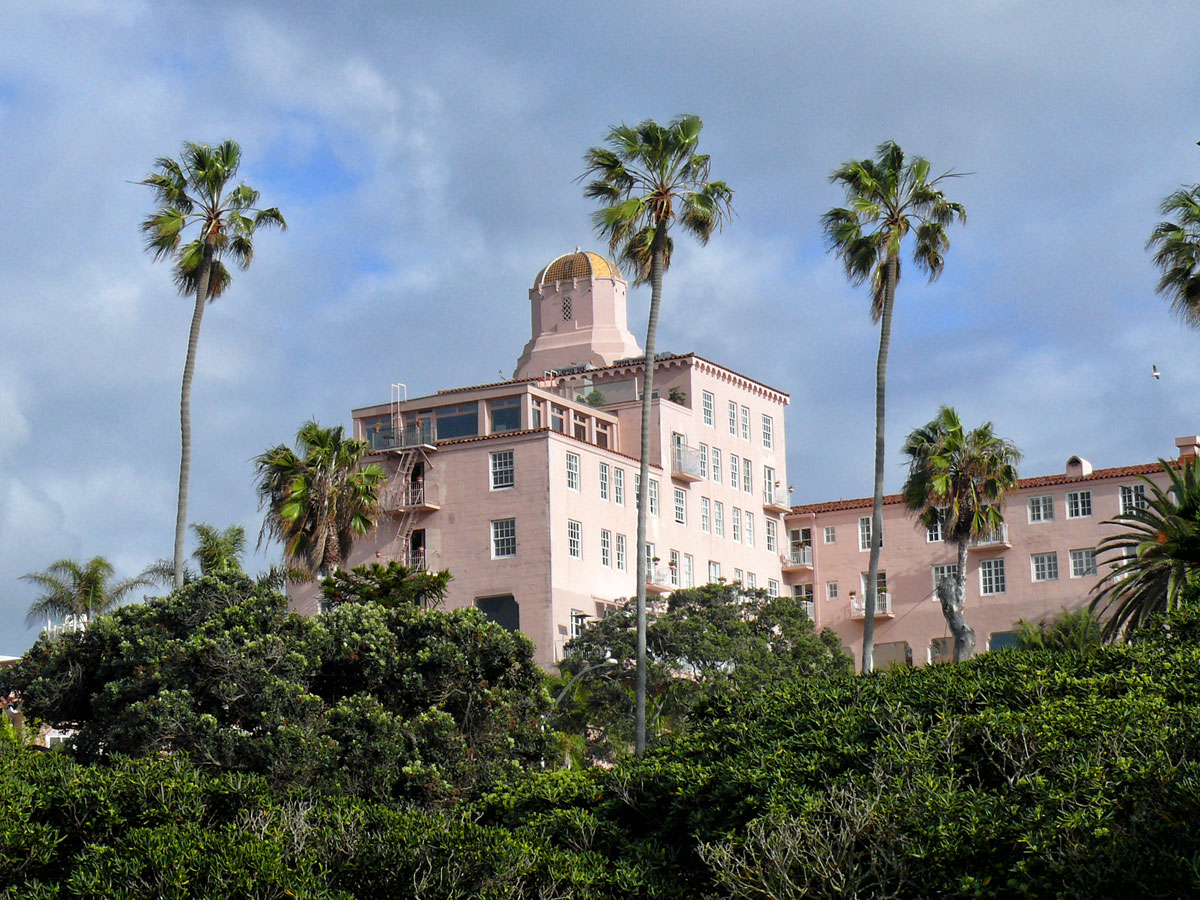
This is La Valencia Hotel otherwise known as ‘The Pink Lady’ which dates back to the 1920s
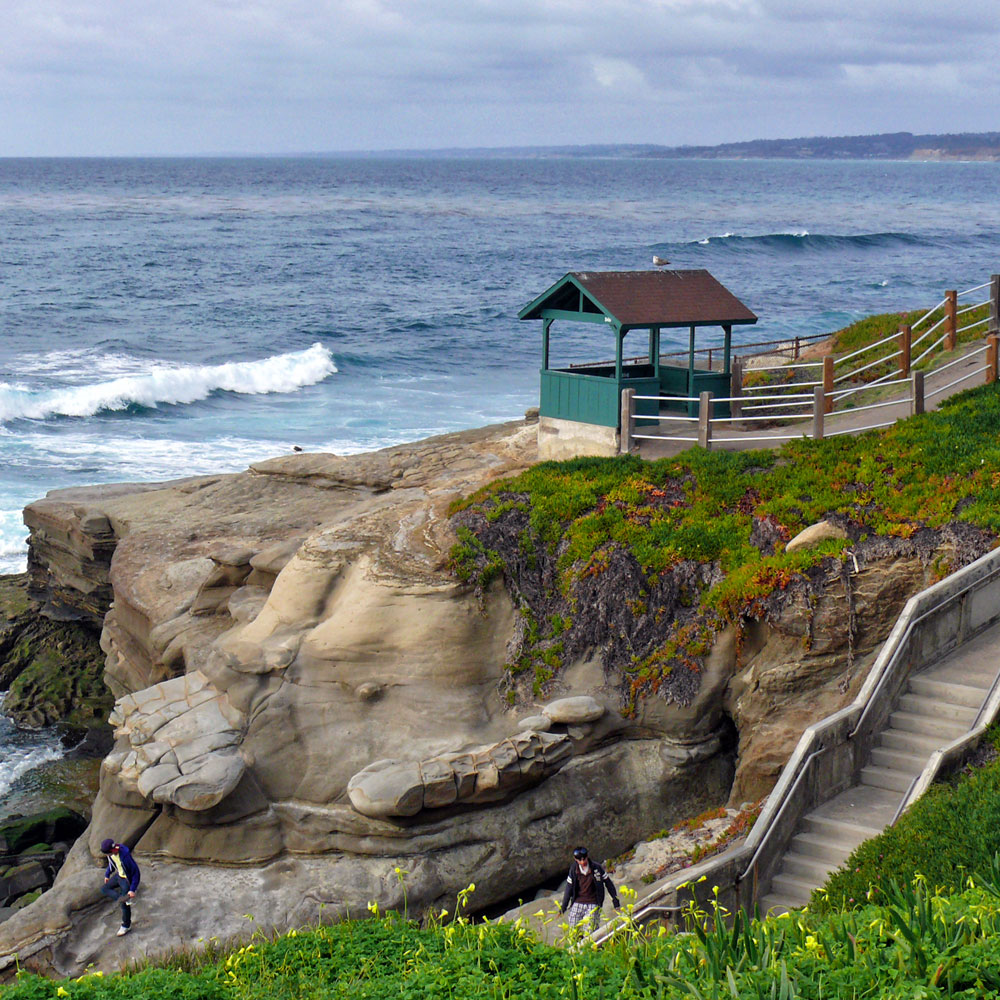
One of the gazebo structures along the sculptured sandstone cliffs
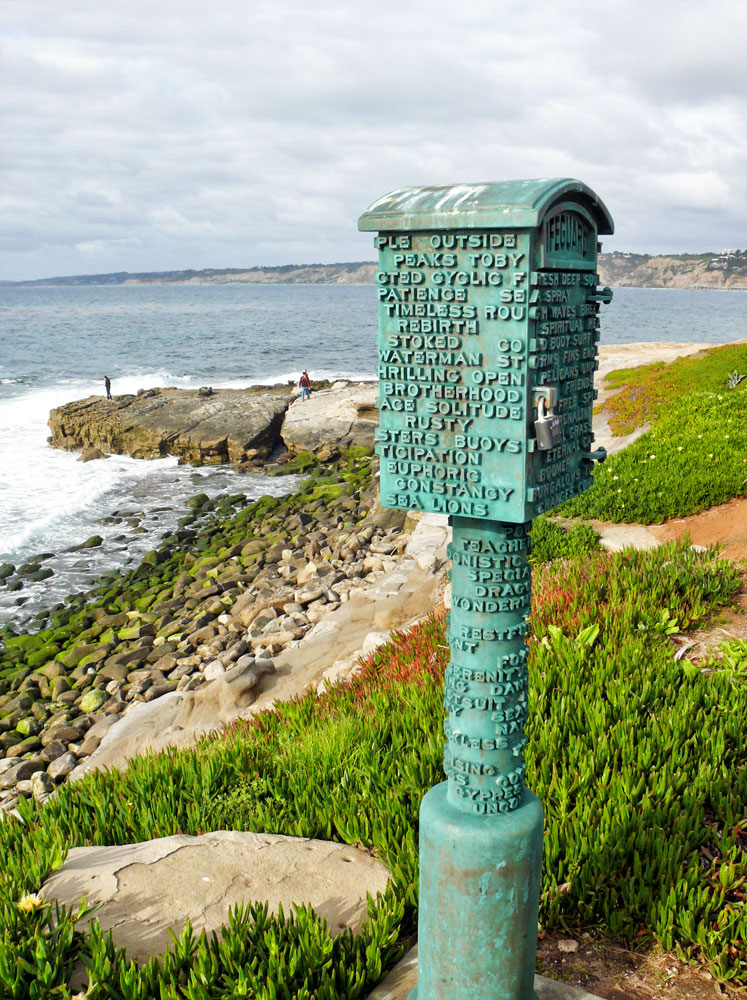
High on a craggy bluff overlooking the churning surf in La Jolla stands this weathered sea-green box..

To discover what this lifeguard icon is all about click here.

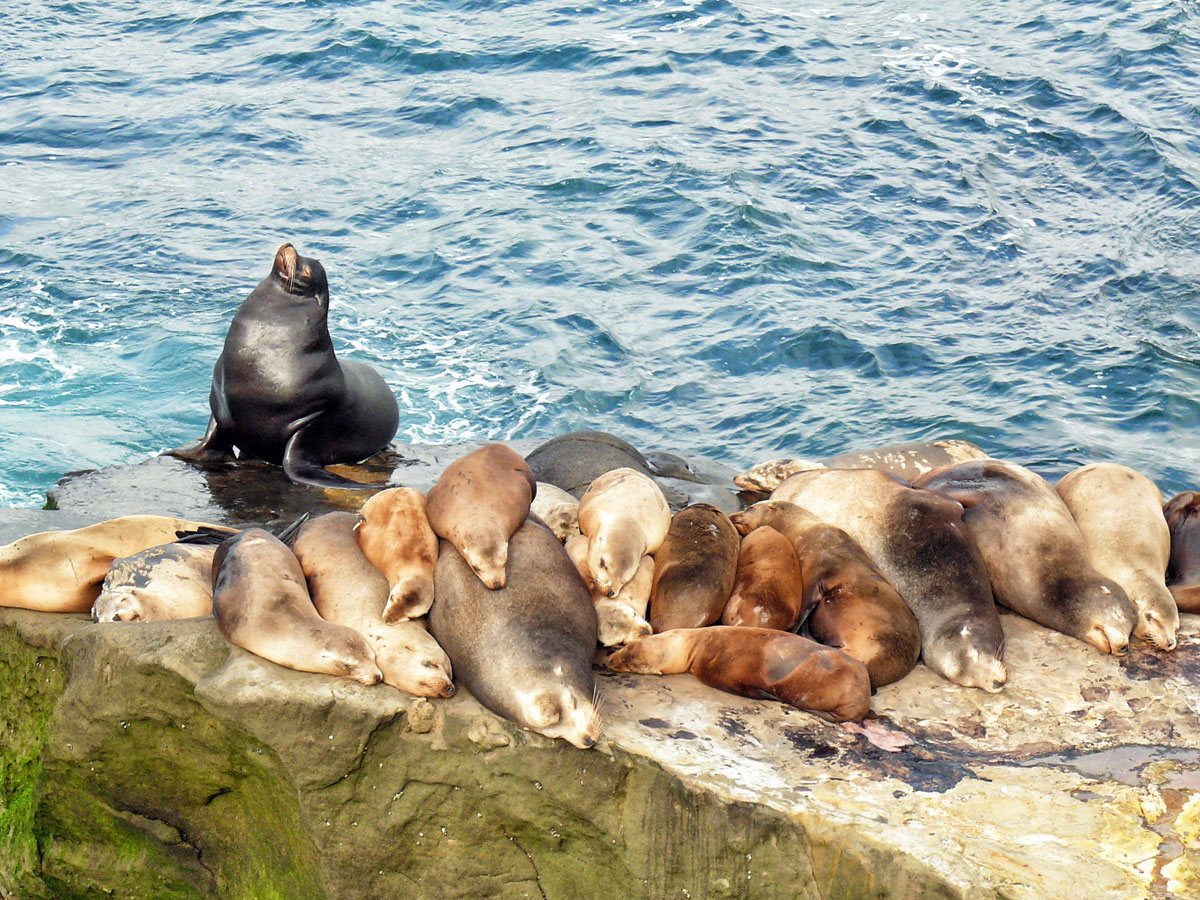
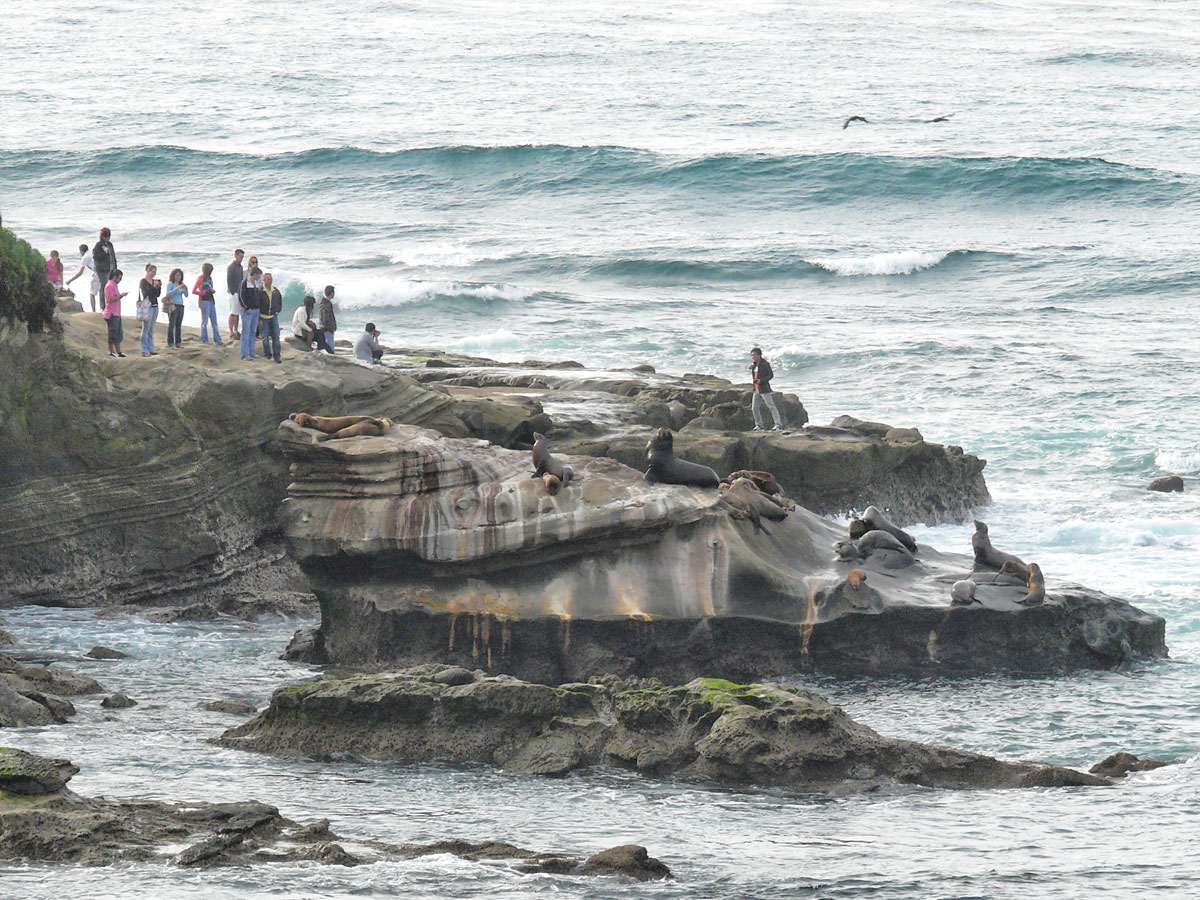
At Point La Jolla you will find the Sea lion and his harem
Where people get a little too close to nature.

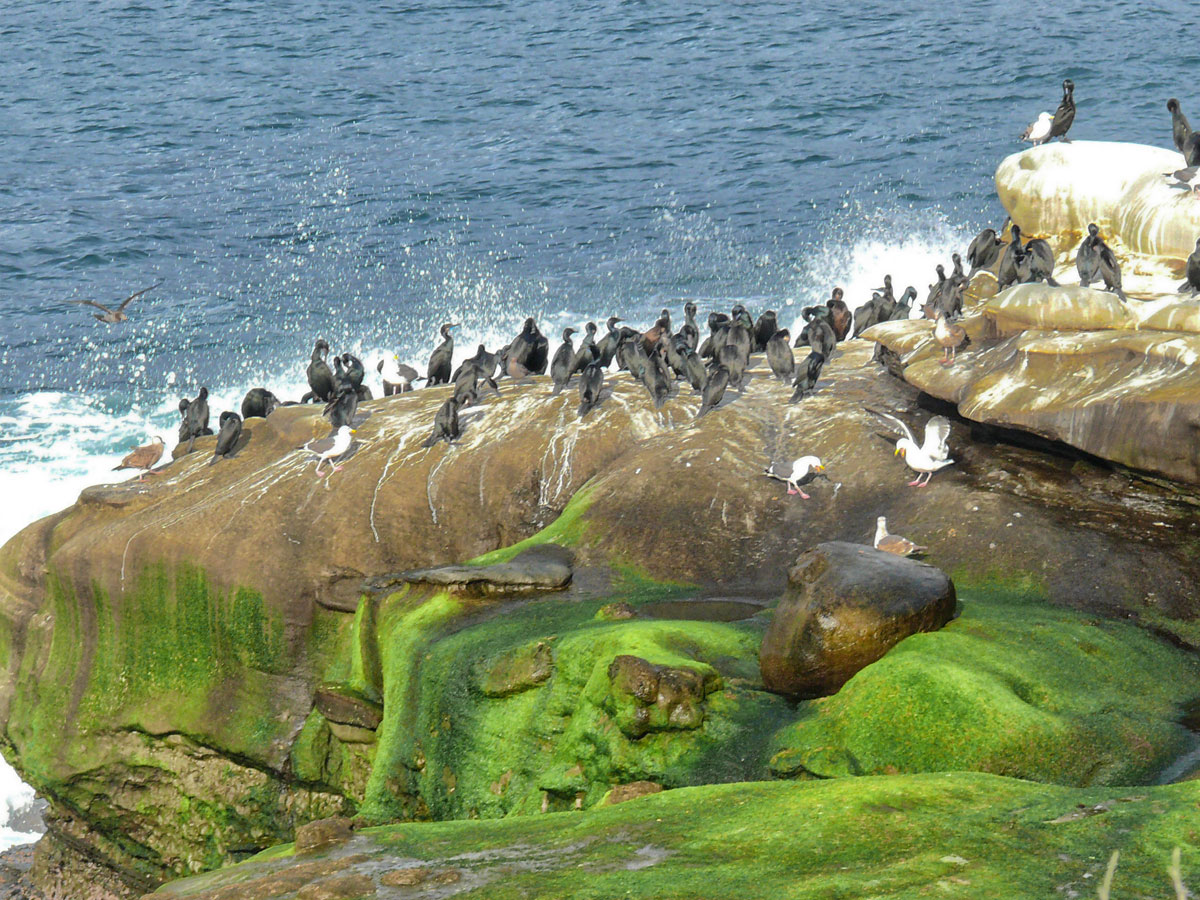
La Jolla Cove is where many people gather to snorkel and swim and kayak and close by you will find pelicans and cormorants on the rocky outcrops.

Cormorants and other seabirds.

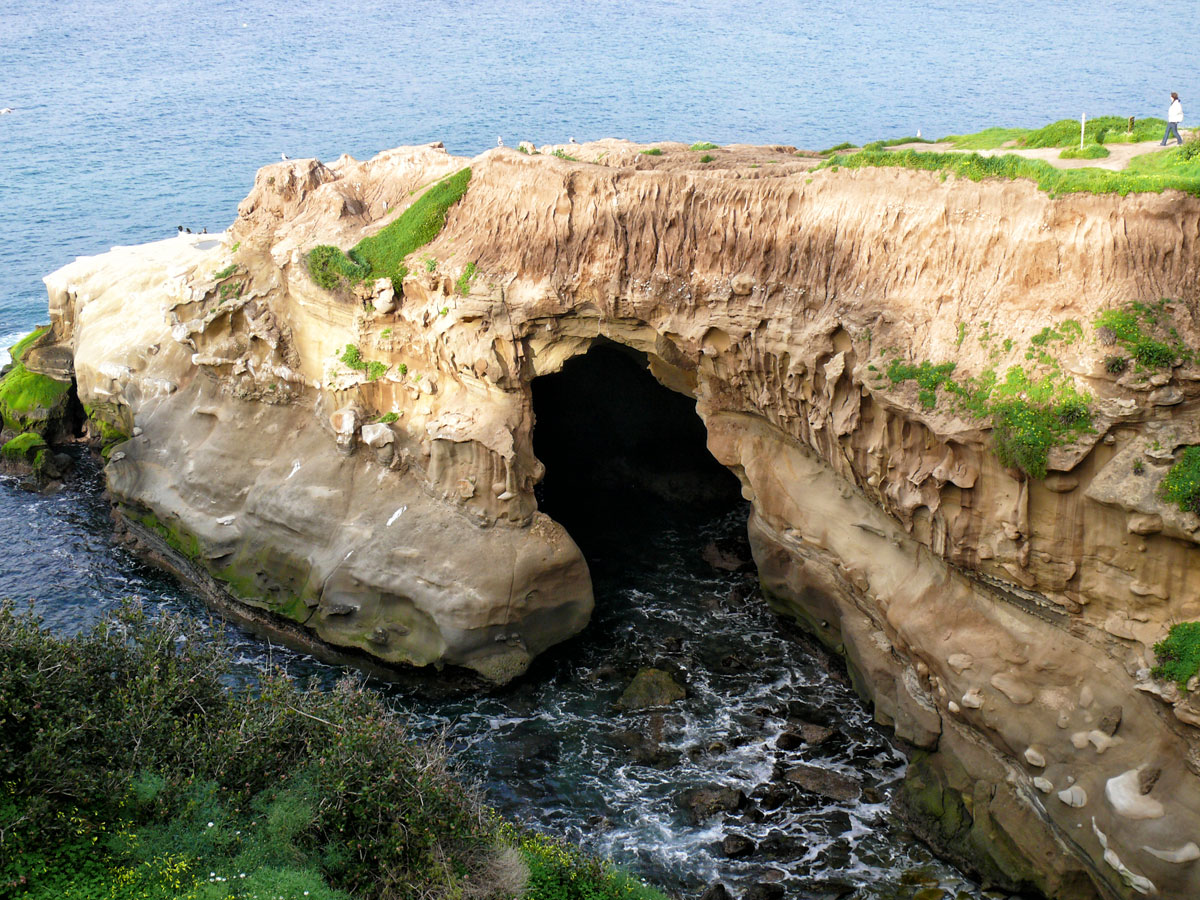
My walk along the coast ended at Goldfish Point and Sunny Jim’s Sea Cave.

This Cave is accessed through the Cave Store. You walk down a tunnel with 145 steps to a small cave looking out into the ocean.

If you do have the fortune to visit San Diego I really would recommend popping over to La Jolla for a few hours, more if you fancy a swim.

Postcards from Around the World

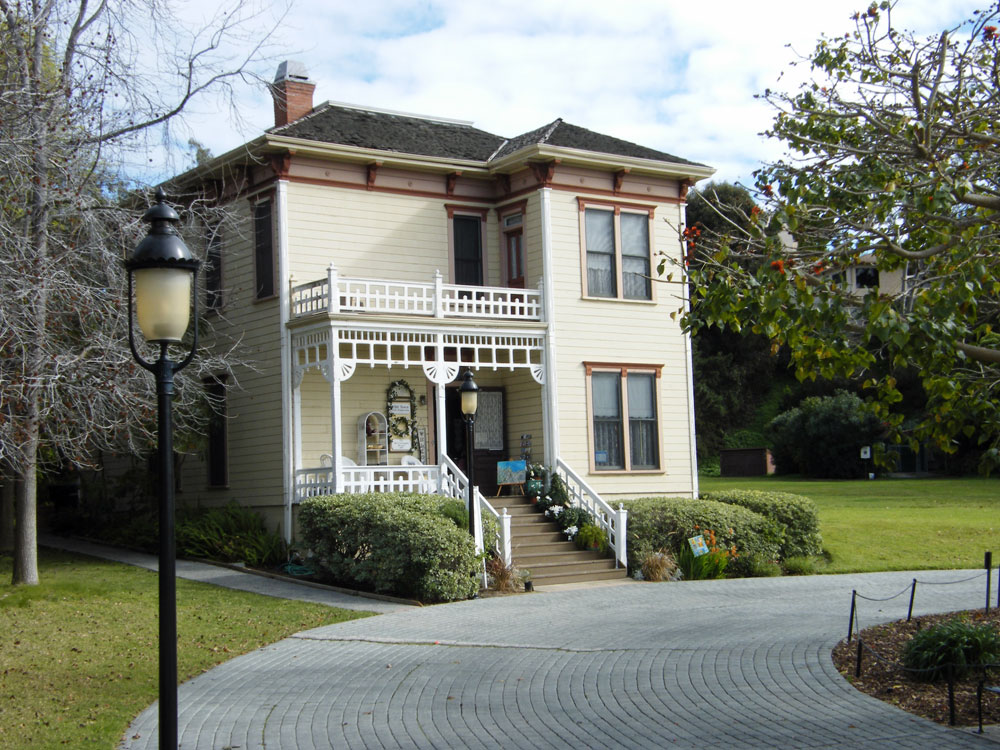
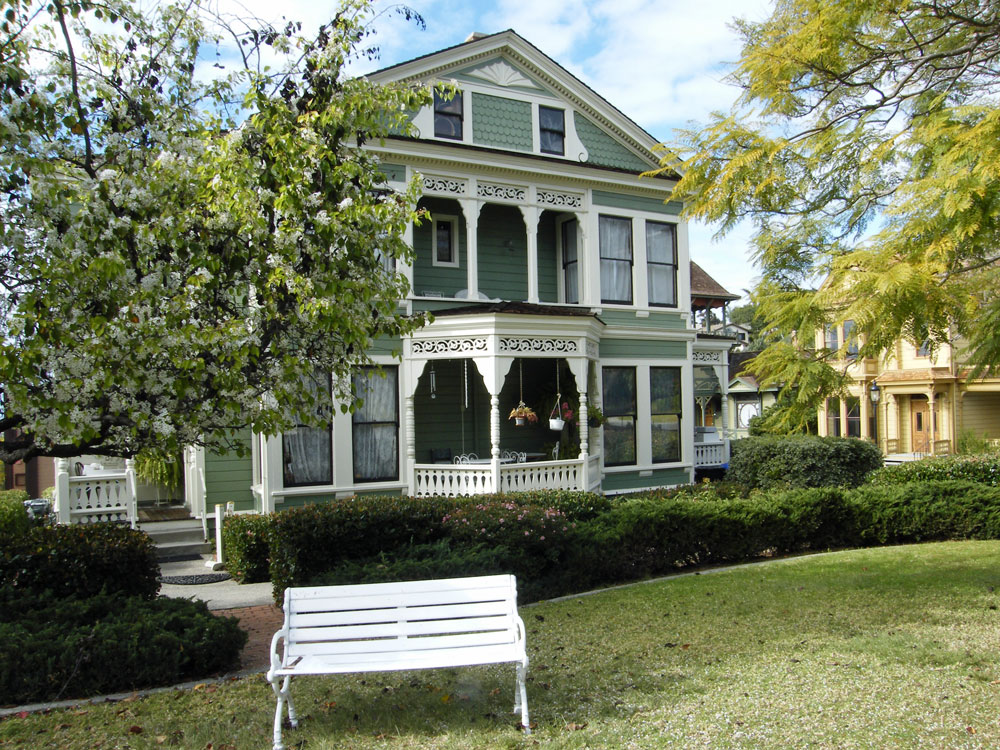
Adjacent to the Old Town San Diego State Historic Park is nearby Heritage County Park which features several restored Victorian homes and the city’s first synagogue. Several of the exteriors of the Victorian architecture of wealthy San Diego residents in the late 1880s-1890s have been restored although the interiors are currently undergoing improvements.

The Historic Buildings at Heritage County Park

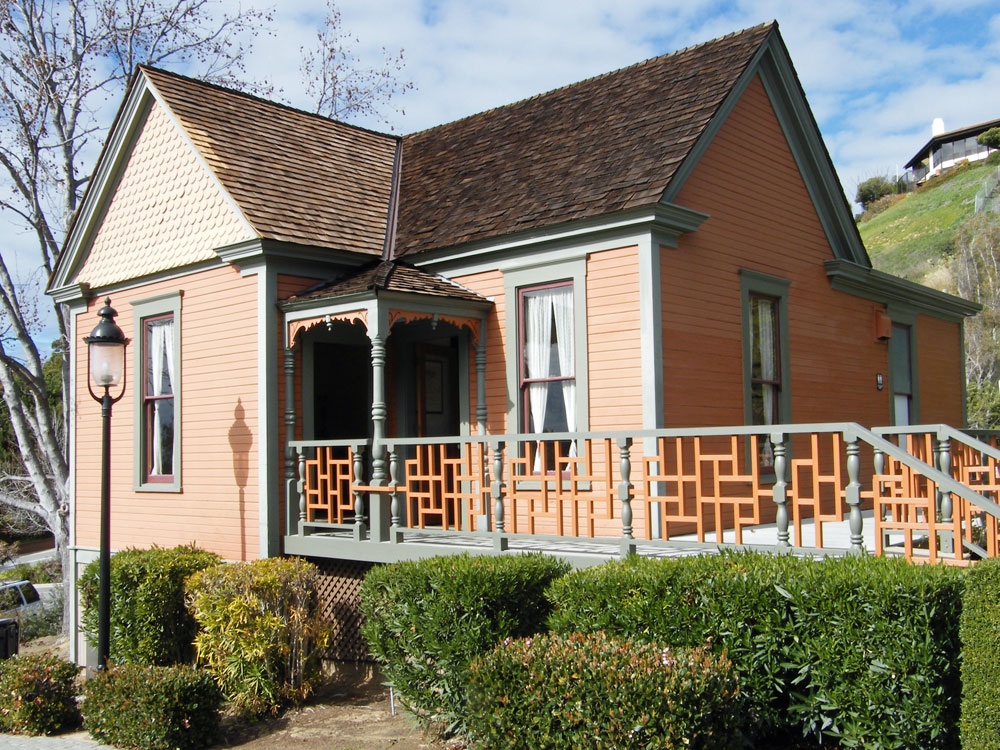
Senlis Cottage: 1896, moved to Heritage County Park in 1981 (Queen Anne Cottage)

Built in 1896, this modest four-room dwelling was home to gardener Eugene Senlis and his wife Lena. Eugene was employed by Kate Sessions, a renowned San Diego nurserywoman and horticulturalist.

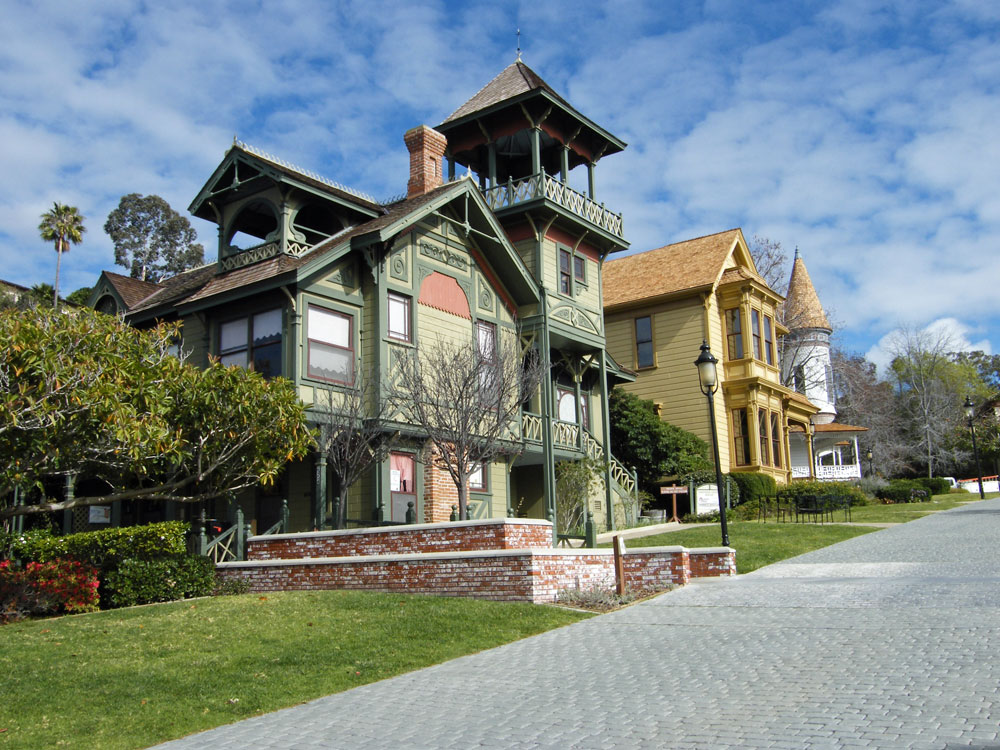
Sherman-Gilbert House: 1887, moved to Heritage County Park in 1971 (Stick Eastlake Style)

The Sherman-Gilbert House, recognized by its central tall square tower and abundance of millwork details, was originally built and owned by John Sherman who is deemed a master builder.

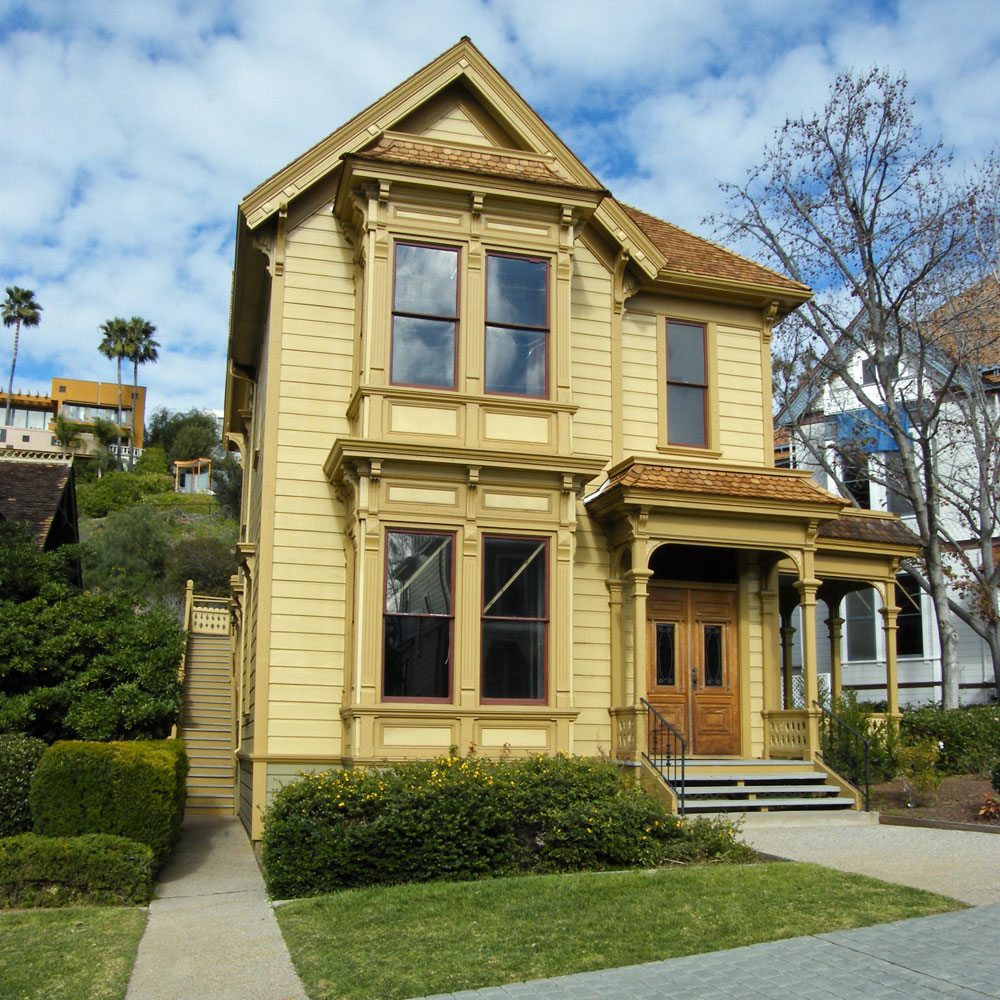
Bushyhead House: 1887, moved to Heritage County Park in 1976 (Eastlake Style)

This cheery yellow Eastlake style home, marked by a two-story projecting bay window and a richly ornamented porch, was built in 1887 by Edward Wilkerson Bushyhead.

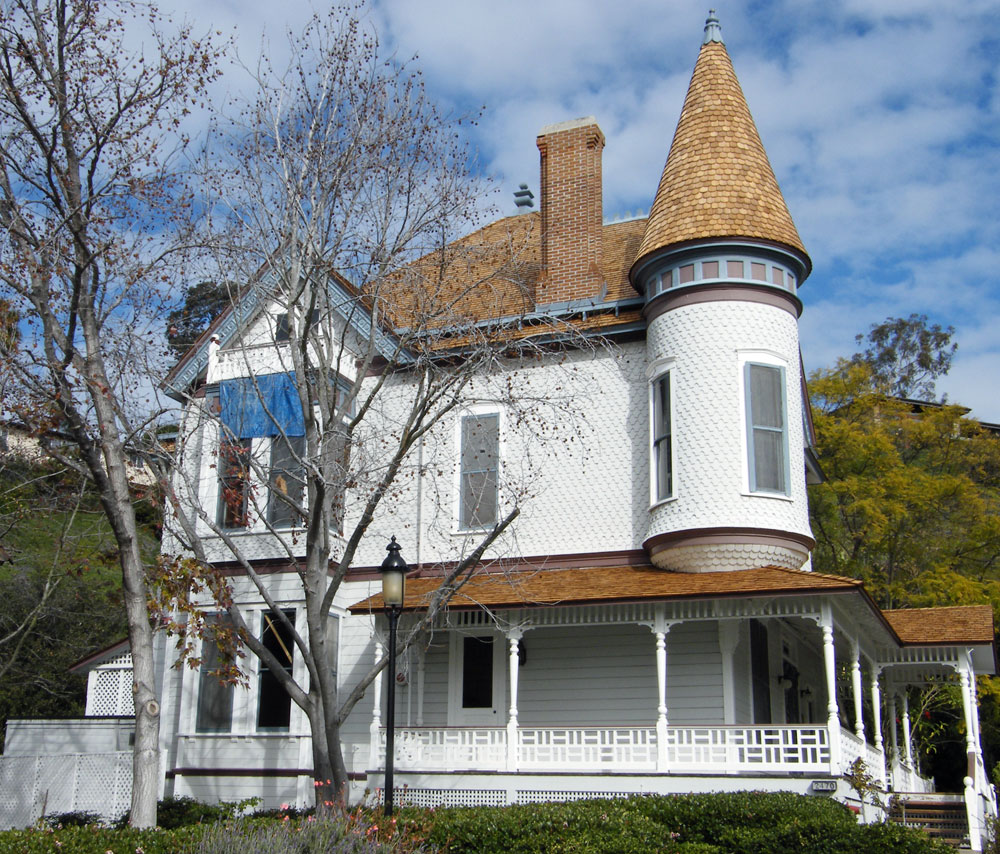
Christian House: 1889, moved to Heritage County Park in 1976 (Queen Anne style)

Boasting an extensive wrap-around porch, tall corner tower, and scalloped siding cladding the second floor, the Christian House is a vibrant example of a Queen Anne Victorian home, a style known for its decorative layers and variations. This home was owned by Harfield Timberlake Christian and his wife Myrtle.

McConaughy House: 1887, moved to Heritage County Park in 1981 (Italianate Style)

The home’s original owner and builder, John McConaughy, was renowned in San Diego for founding the area’s first cargo and passenger service, which operated between the city and the backcountry town of Julian.

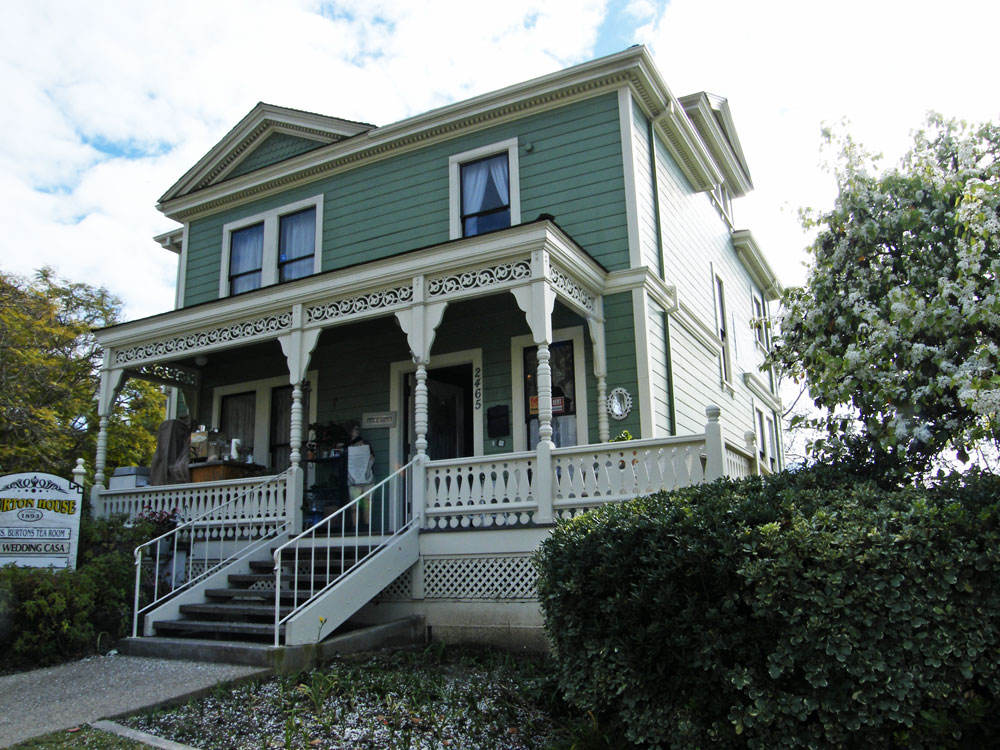
Burton House: 1893, moved to Heritage County Park in 1976 (Classic Revival Style)

Henry Guild Burton, the home’s original owner, was a retired Army physician who served in the Second Seminole War, Mexican-American War, and the American Civil War

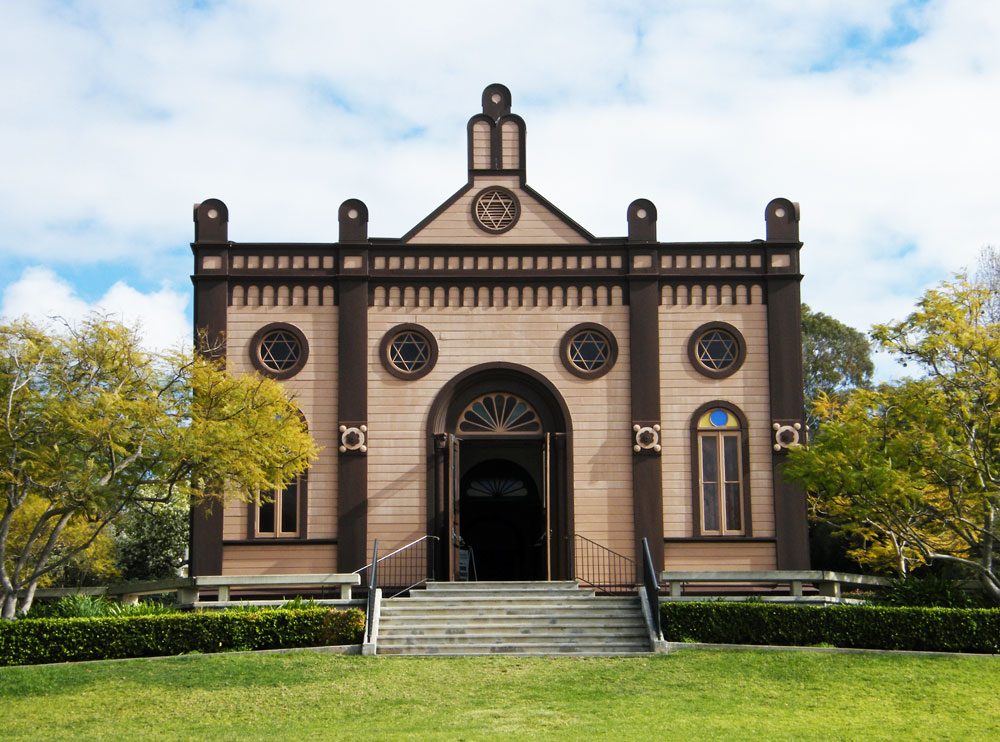
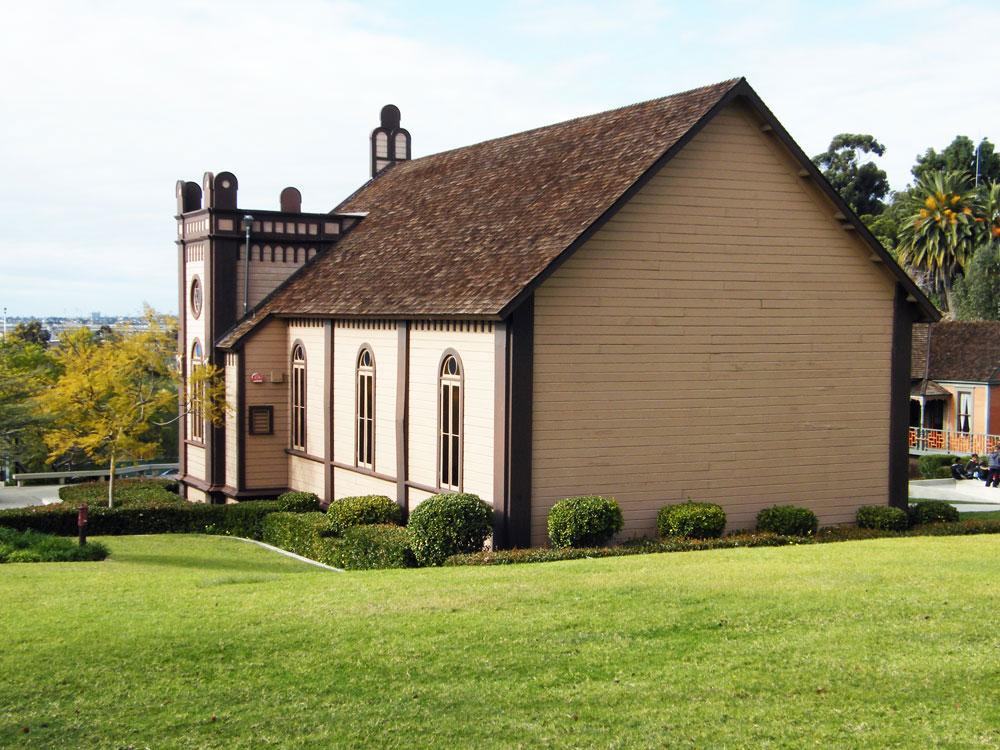
Temple Beth Israel: 1889, moved to Heritage County Park in 1978 (Synagogue architecture)

Constructed as San Diego’s first synagogue and the second oldest extant in the Western United States, Temple Beth Israel originally stood at the corner of Second Avenue and Beech Street downtown.

Heritage County Park arose from County Parks’ commitment to the preservation of San Diego’s cultural as well as natural resources. The park is a joint project with the Save Our Heritage Organisation.

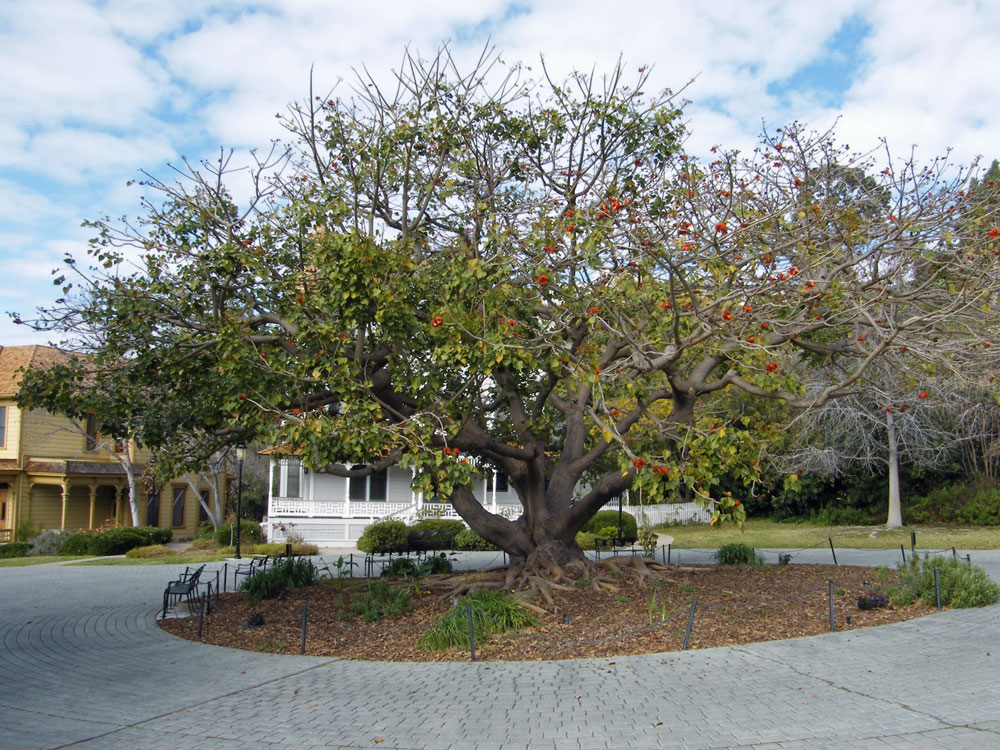
Brisbane Coral Tree – Erythrina x sykesii (Australia)

A document with more information by SOHO can be found here. San Diego Parks & Recreations have more recent information here

Note that my photos are from February 2009 and that the exterior colour of these houses may well have altered.