Thursday’s Special

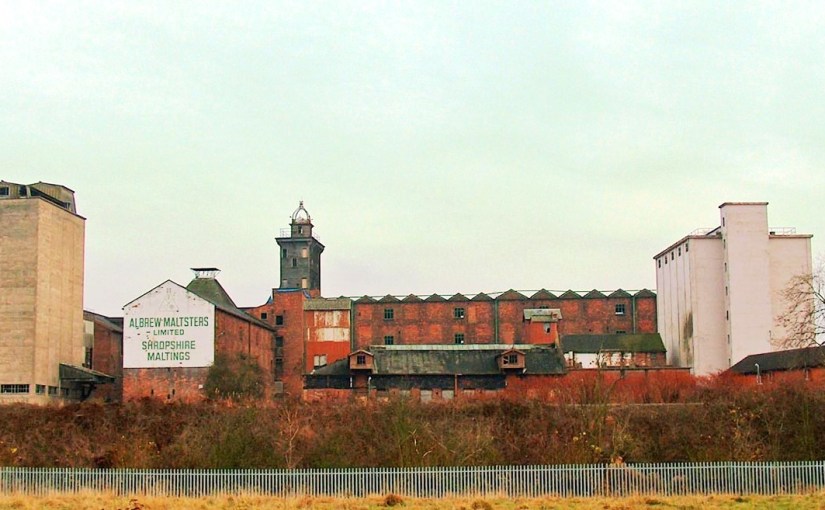
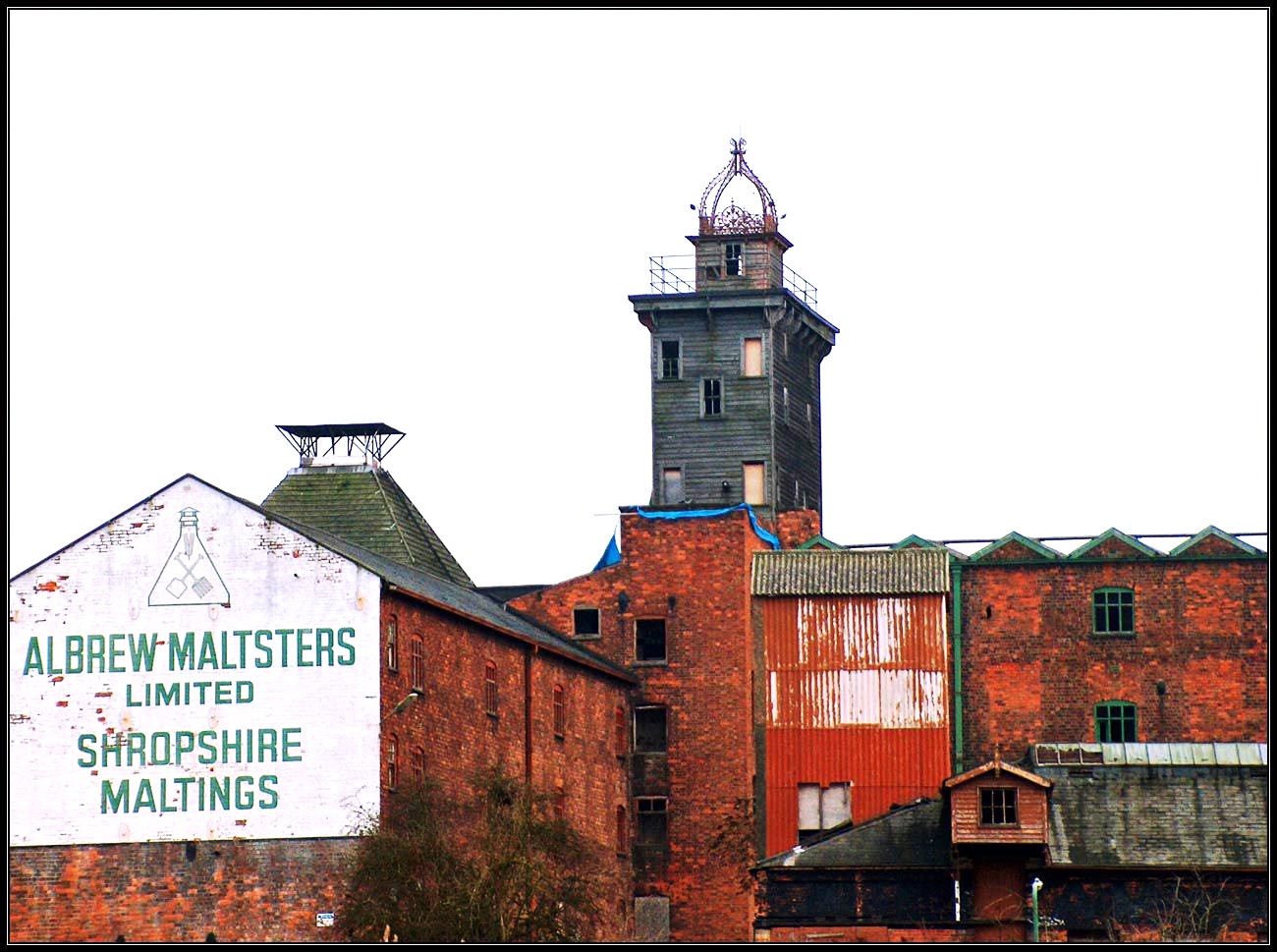
The Ditherington Flax Mill is one of Shrewsbury’s most important buildings. Constructed in 1796 as the spinning works of Marshall, Benyon and Bage it later became the Maltings and as the first wholly iron-framed building in the world, is the great-grand-daddy of New York’s mighty skyscrapers.
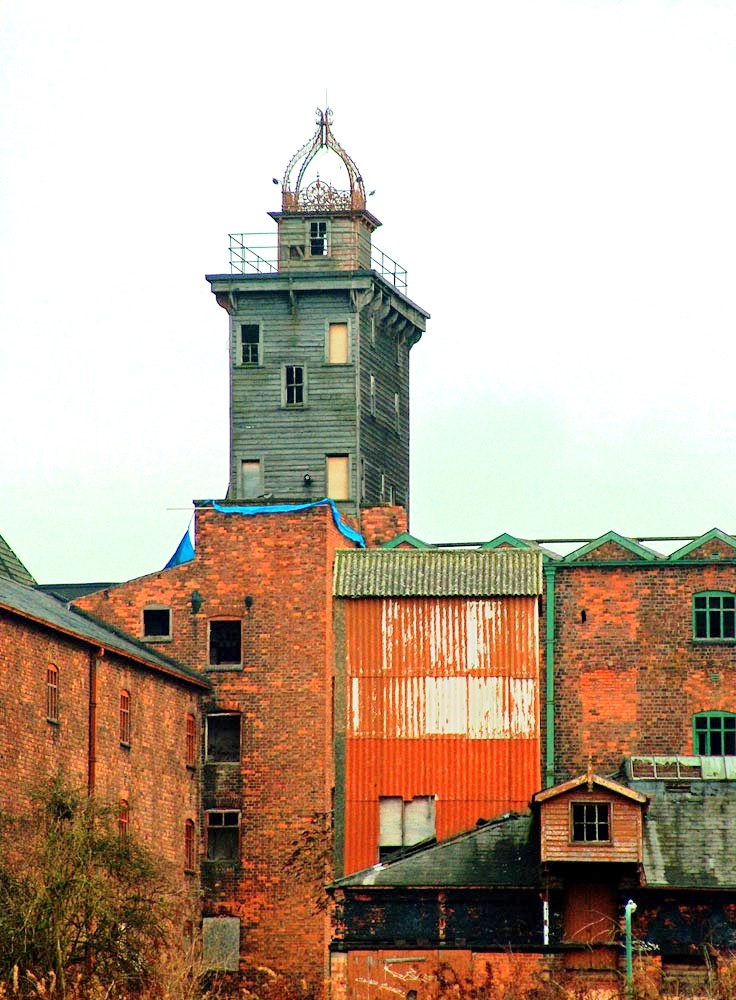
Throughout the 1990s it was left empty and decaying, and various ideas for regeneration have been and gone, most failing due to a lack of private sector investment. Now it is in the hands of Historic England in partnership with Shropshire Council and Friends of the Flaxmill Maltings. Let’s hope its future is secure.
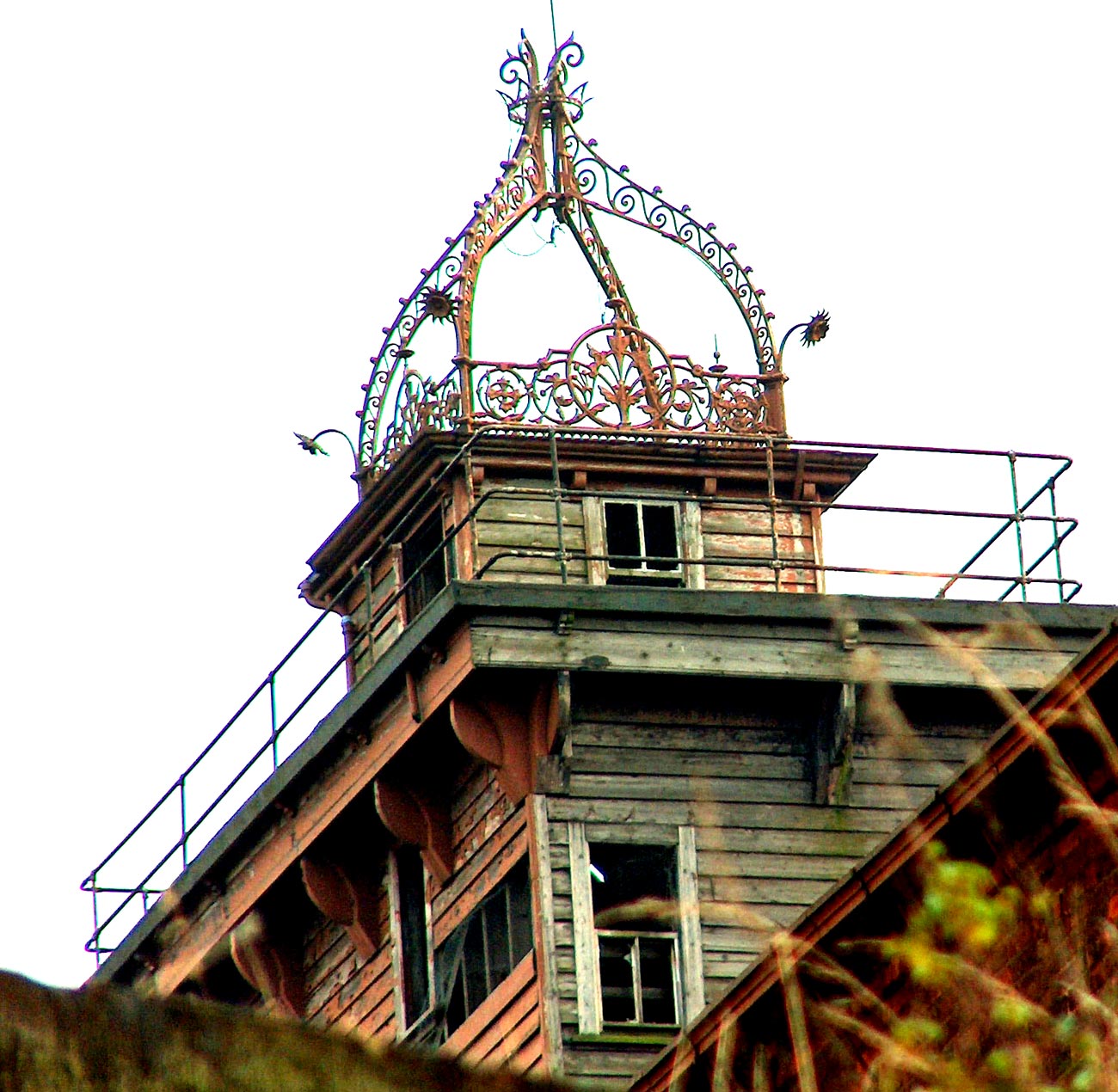
Ditherington-Flaxmill-(4)

Paula’s (Lost in Translation) challenge this week is Traces of the Past
Thursday’s Special

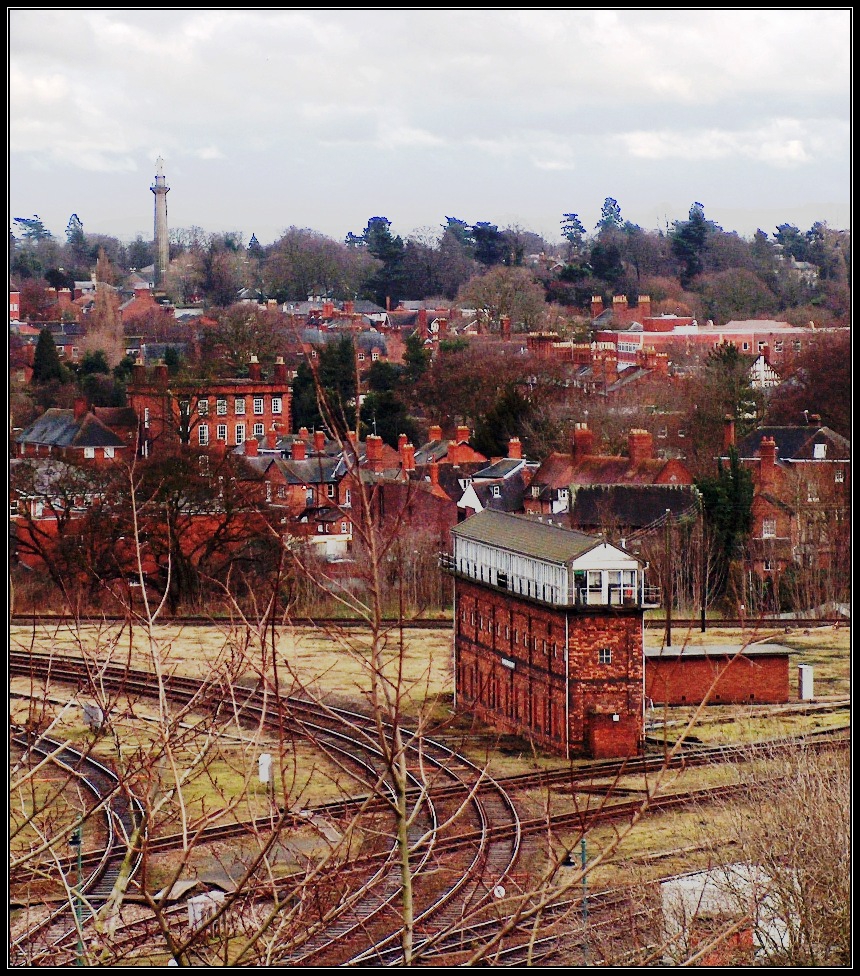
signal box

The Severn Bridge Signal Box is often described as “a cathedral among signal boxes” by enthusiasts. Found just beyond Shrewsbury Station it was built in 1910 and one of the largest in Europe.

The massive Greek Doric column in the background is 133 feet 6 inches tall and towers over Abbey Foregate with a statue of Lord Hill (1772-1842) on top. Lord Hill was the Duke of Wellington’s right-hand man in the Peninsula Wars and at the Battle of Waterloo when his horse was shot from under him. He succeeded Wellington as Commander-in-chief of the army in 1828.

Paula’s (Lost in Translation) challenge this week is Traces of the Past
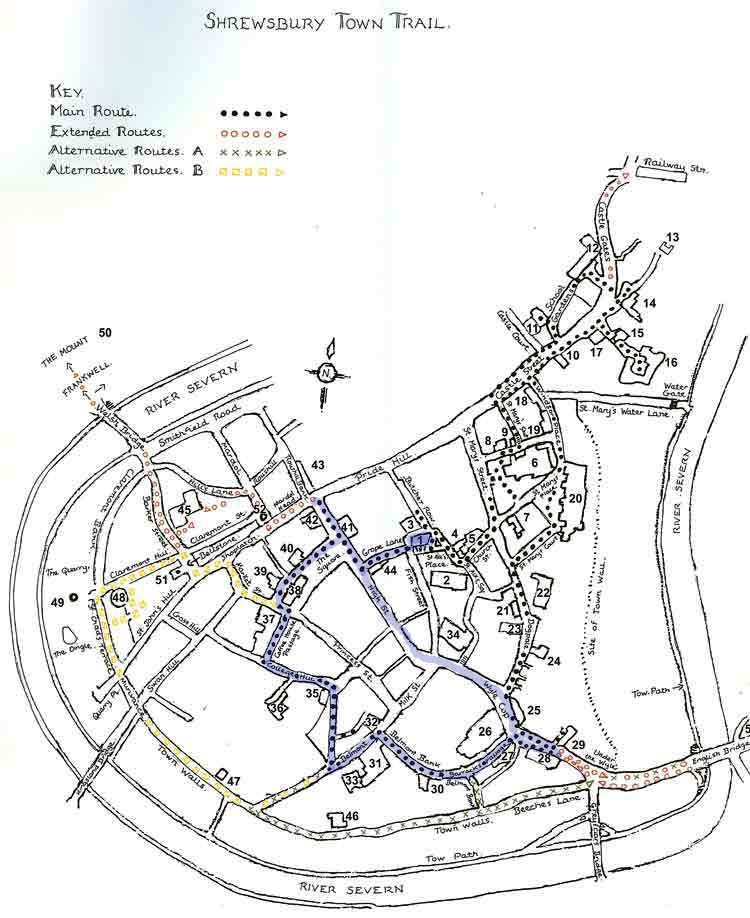
Scrobbesbyrig/Shrewsbury: Town Trail Part 2

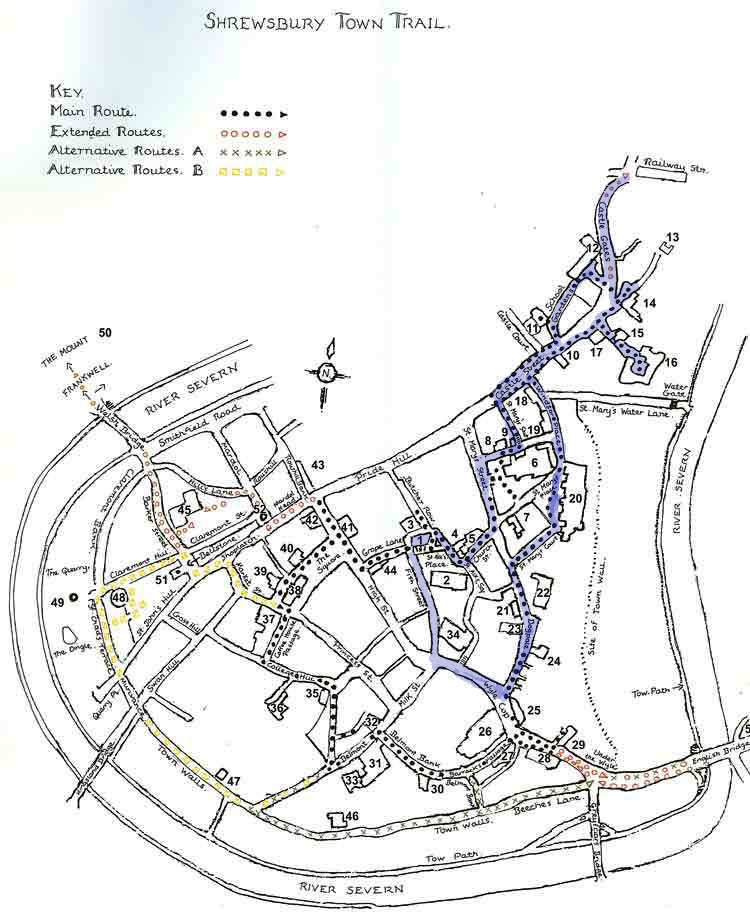
towntrailmap (Trail 2)

Leave Bear Steps on Fish Street (1) via Grope Lane to exit onto the High Street. On the corner is the former Cross Keys Inn. (44)

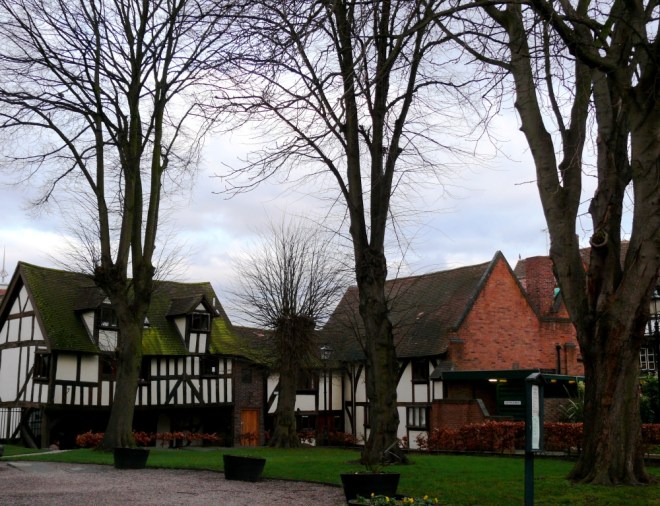
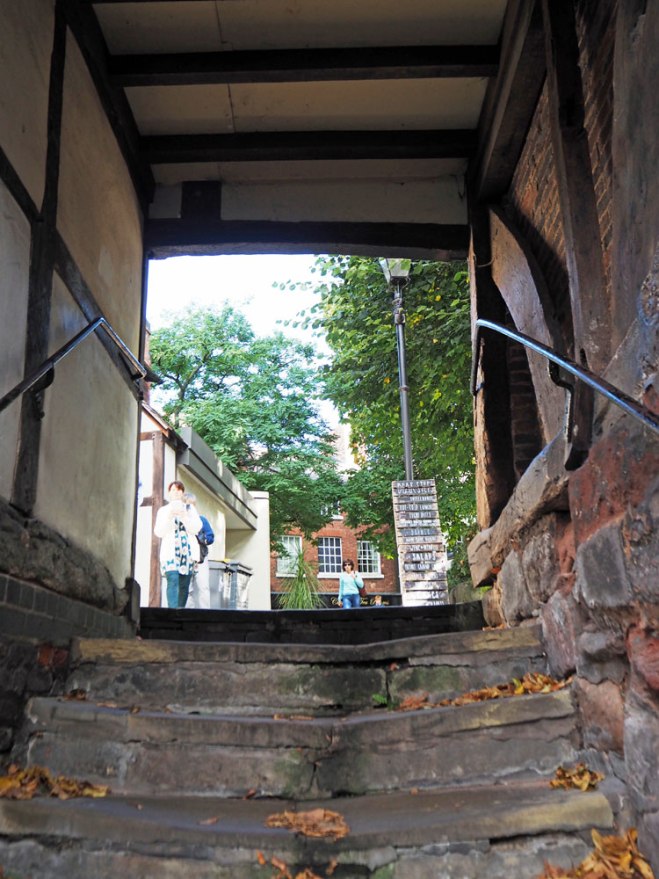
Bear Steps

(The medieval folk were quite apt to call ‘a spade a spade’, or in this instance, the heart of the red-light district was called Grope Lane (ahem… shortened from something even more unacceptable). These areas were often found in the centre of market towns, such as Shrewsbury, to  please the visiting market tradesmen who came to the town and whose stalls were close by, as well as the locals. St Alkmund’s Place was used for the market until the thirteenth century. Most towns have renamed their streets to something more genteel, such as Grove or Grape or Grave – you get the picture. Shrewsbury has retained its name, but then with names like Mardol and Dogpole you can sort of see why!)

The High Street

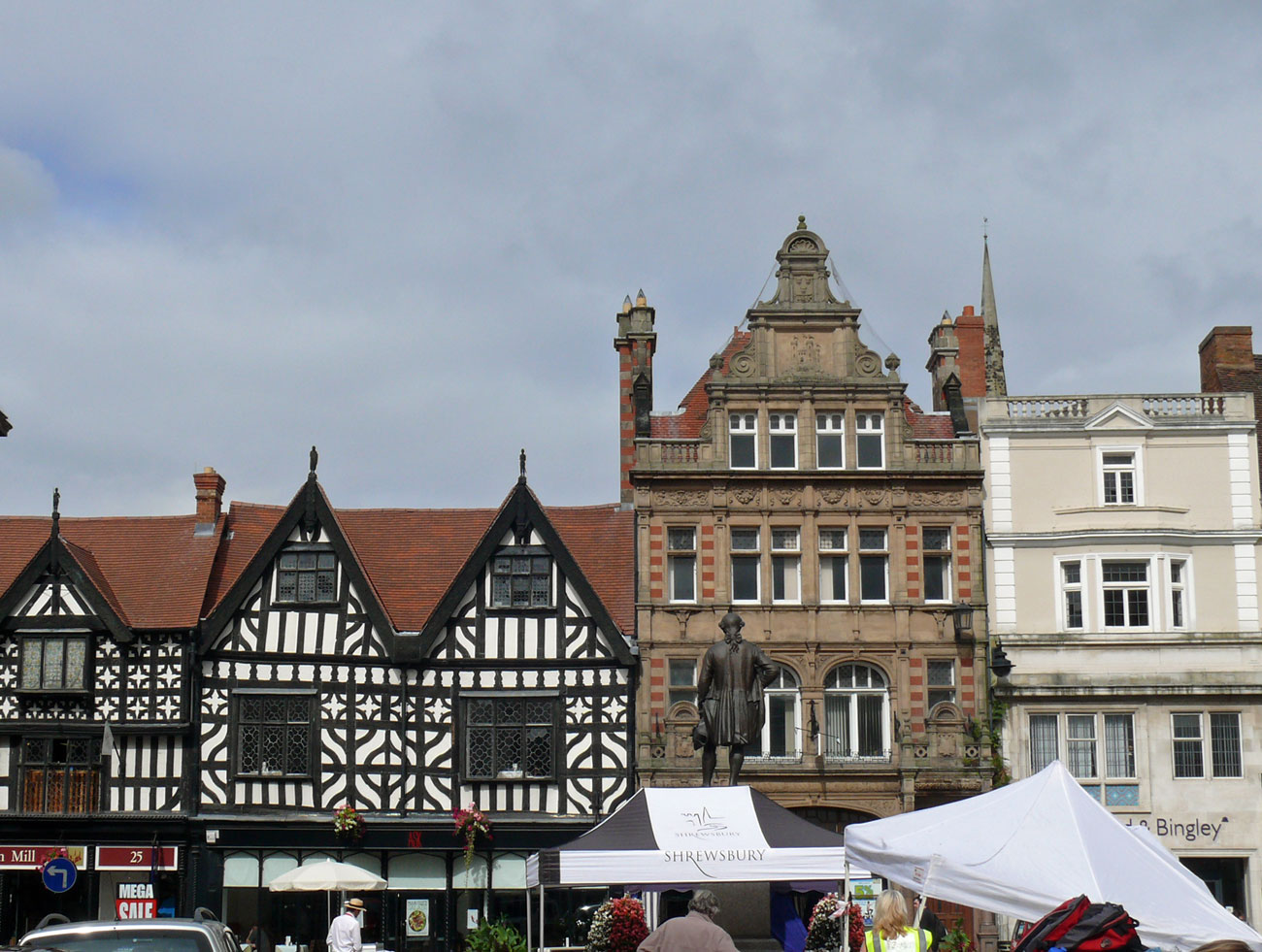
Opposite is the Square. From here you can see several important buildings: Owen’s Mansion (41),  the former Plough Inn (40), Wolley’s House (39), the Old Market Hall (38), the former Music Hall (37), and the very interesting Alliance Assurance Company with its Flemish styled ornate building of pink banded brick and grey stone. Look at the top of this building and you will see the loggerheads (leopards or lions) the Salop coat of arms. Continue reading Scrobbesbyrig/Shrewsbury: Town Trail Part 2

Thursday Special

Arabesque Ribeiro da Cunha Palace @ No 26 Rua dom Pedro V

Arabesque Palace @ No 26 copy
dating from 1877, now housing a university department. This once beautiful building, now somewhat dilapidated, is close to the Parque Príncipe (Prince) Real, near Bairro Alto which is a wonderful park though a little tired at the time of my visit in 2012, as indeed much of Lisbon was.

Paula’s (Lost in Translation) challenge this week is Traces of the Past
Scrobbesbyrig/Shrewsbury: Town Trail Part 1

Today we are going to follow the blue path around town, starting from the Bear Steps (1) heading to the railway station. (The churches, station and library appear in ‘Looking at stone buildings)

towntrailmap (Trail 1)

The Bear Steps (1) is in the centre of town and named after a pub that was opposite the steps.

This place has a family connection as the OH’s eldest uncle was born in one of the small cottages back in 1913. The Bear Steps hall is one of only a few remaining medieval stone and timber-framed halls that dominated the town’s architecture. It now houses the offices of the Shrewsbury Civic Society (who produce a Shrewsbury Town Trail booklet and from which much of this information has been gathered) an Art Gallery and Coffee Shop. Continue reading Scrobbesbyrig/Shrewsbury: Town Trail Part 1