Just Back From….. Brightlingsea Part One

It was supposed to be a 2 week break covering Essex (to see our latest grandchild) then onto Suffolk and finally across country to our old abode in Ludlow. But things didn’t quite work out as planned. Such is life.
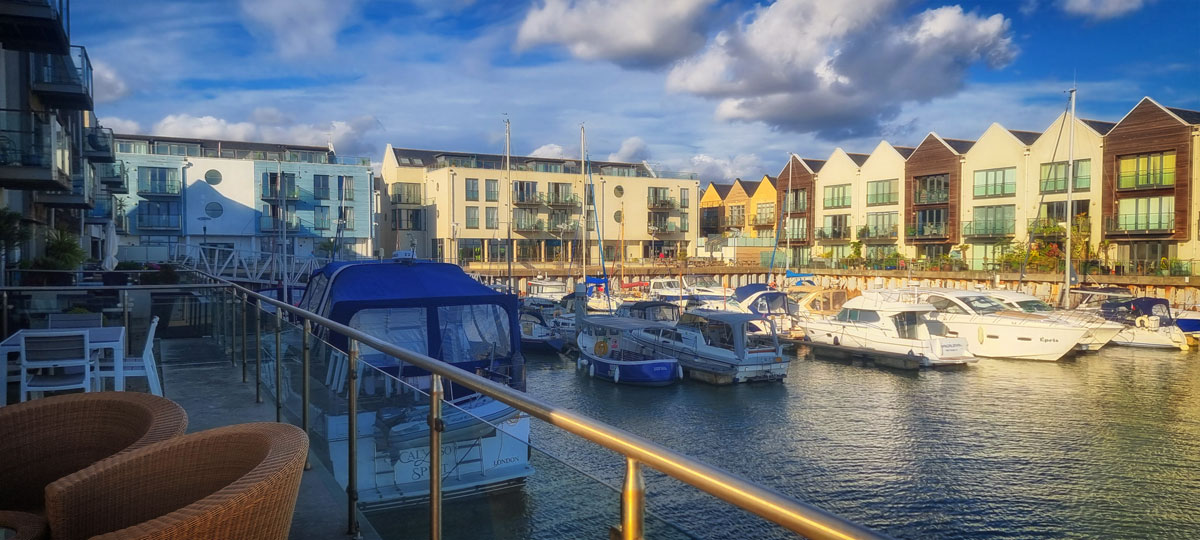
Our first view from the very extensive terrace of our apartment. The Waterside Marina luxury apartments development within Brightlingsea Harbour has over 50 berths.

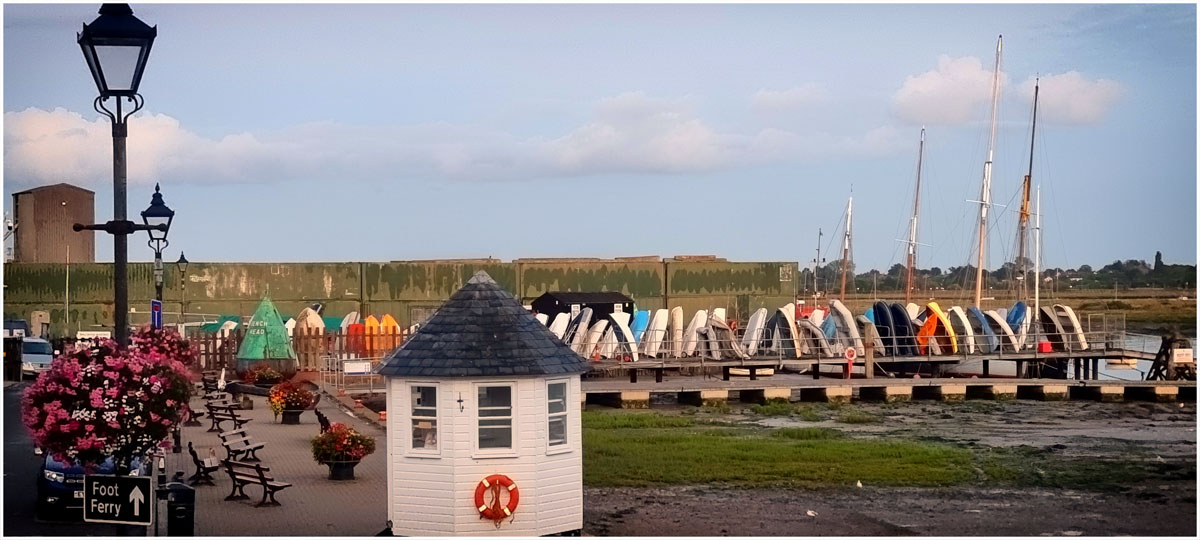
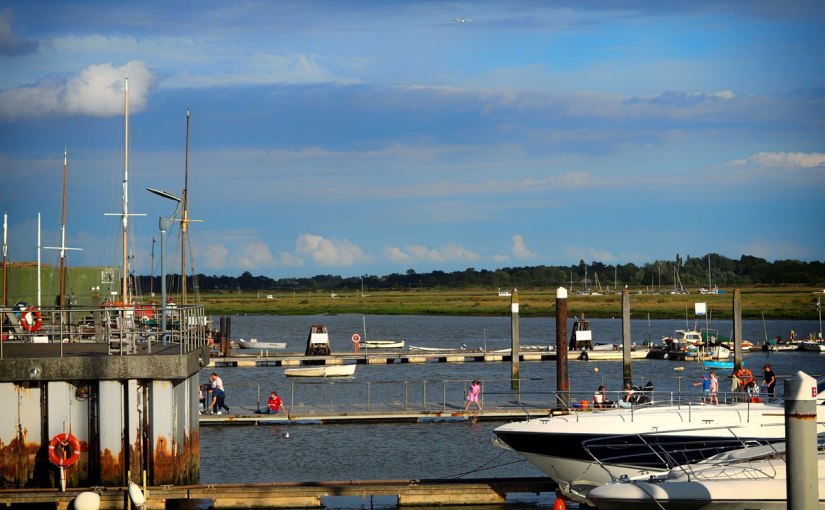
We spent most of the week in Brightlingsea itself other than a couple of trips into Colchester which has the most horrendous traffic (and roundabouts). Our apartment however was magnificent and I would move there in a heartbeat if I didn’t have to go anywhere near London or Colchester. The views across the water, the sunsets, even a couple of sunrises, endless fun watching the goings on including people crabbing from the heritage jetty (feature image), the ferryman taking foot passengers back and forth to Point Clear, river policemen stopping for their lunch break, posh yachts coming and going, rowing clubs out on the water and more.
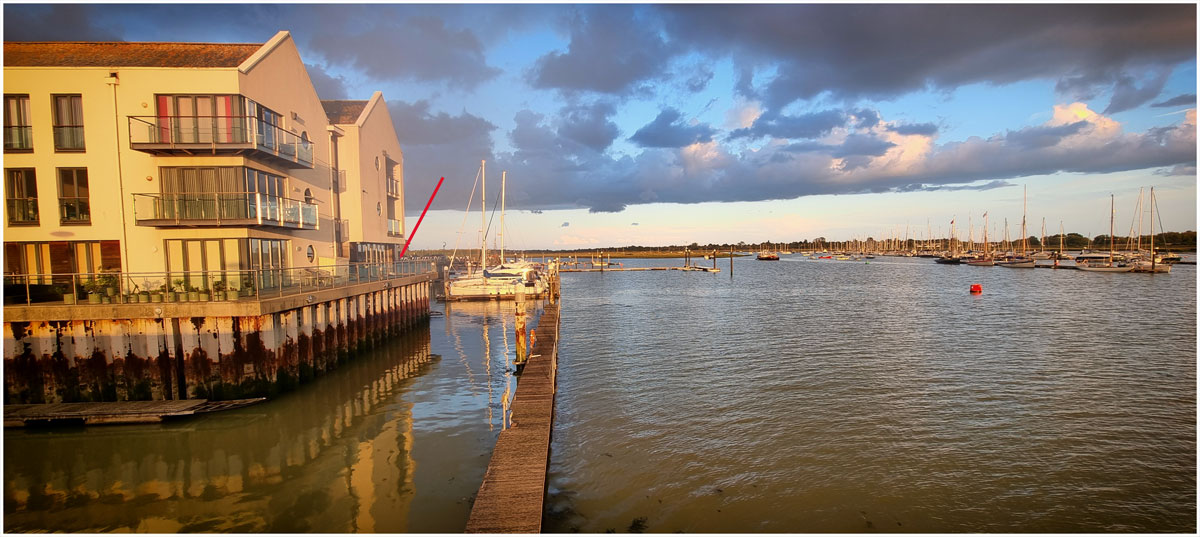
The red arrow points to the apartment we stayed in. Views towards Point Clear, Mersea Island and even as far south to the northern coastline of Kent (Whitstable)

Brightlingsea is a coastal town and civil parish in the Tendring district of Essex, England. It is situated between Colchester and Clacton-on-Sea, at the mouth of the River Colne, on Brightlingsea Creek.
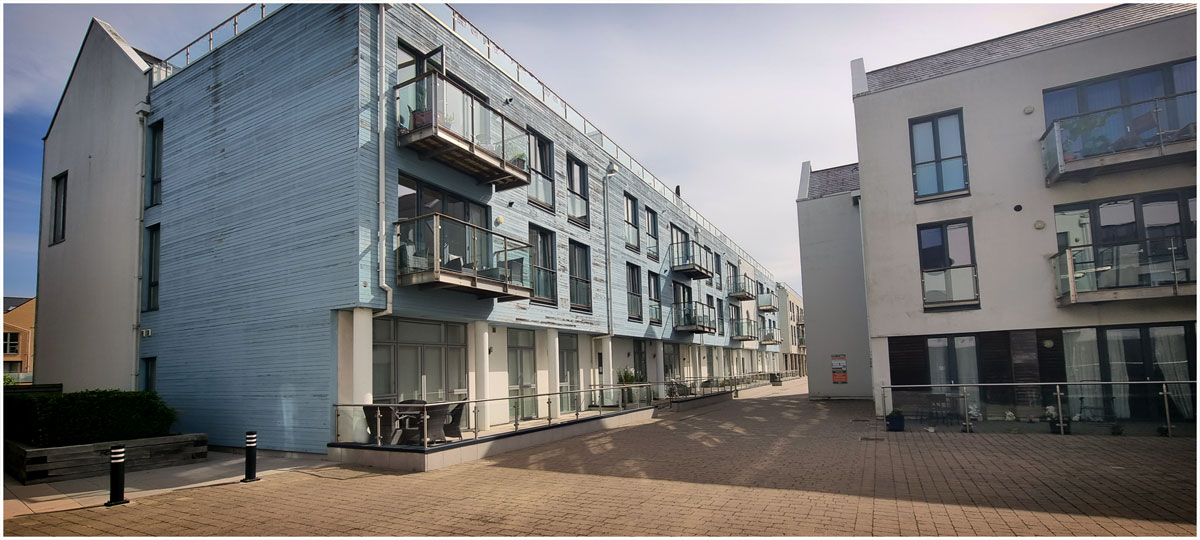
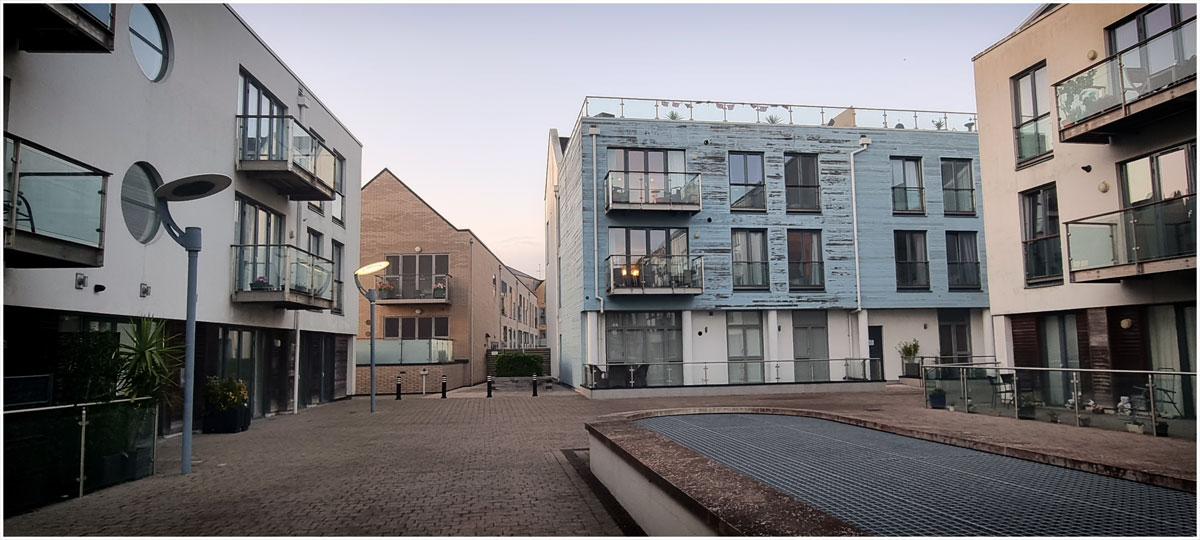
The Waterside Marina consists of apartments and town houses and retail.
Waterside Marina

I have split the photos up into several posts (there are a lot of photos) so let’s first go for a walk around the Waterside Marina area in which we stayed.
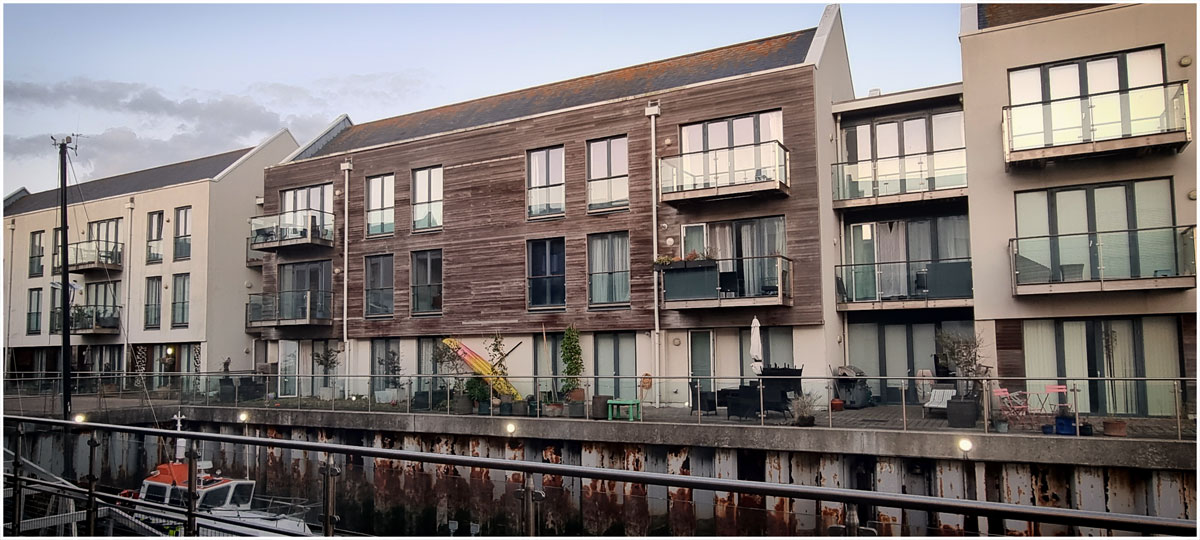
All the apartments have either terraces or balconies.
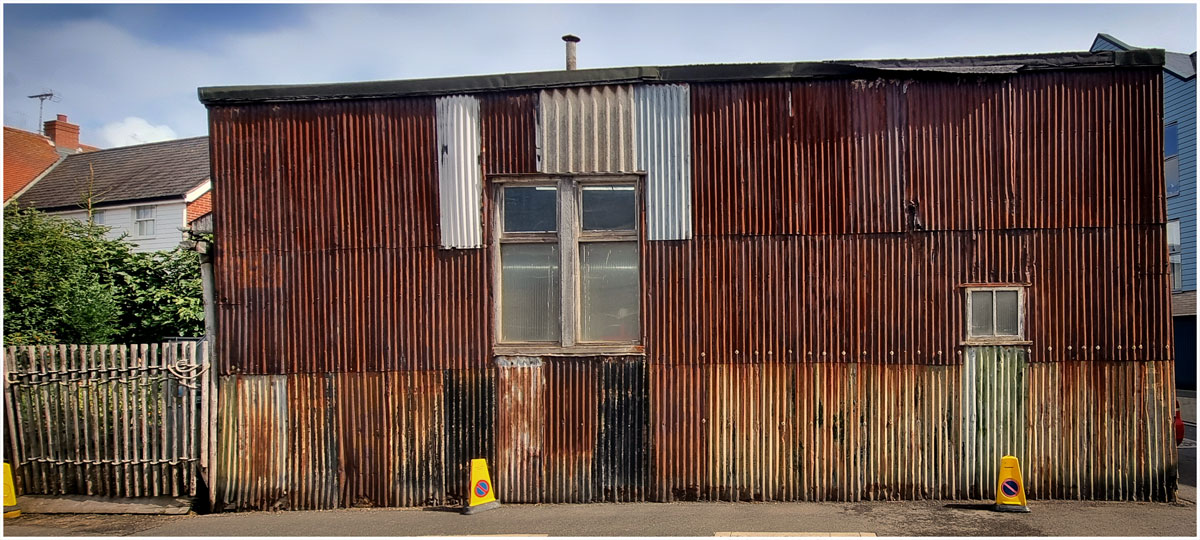
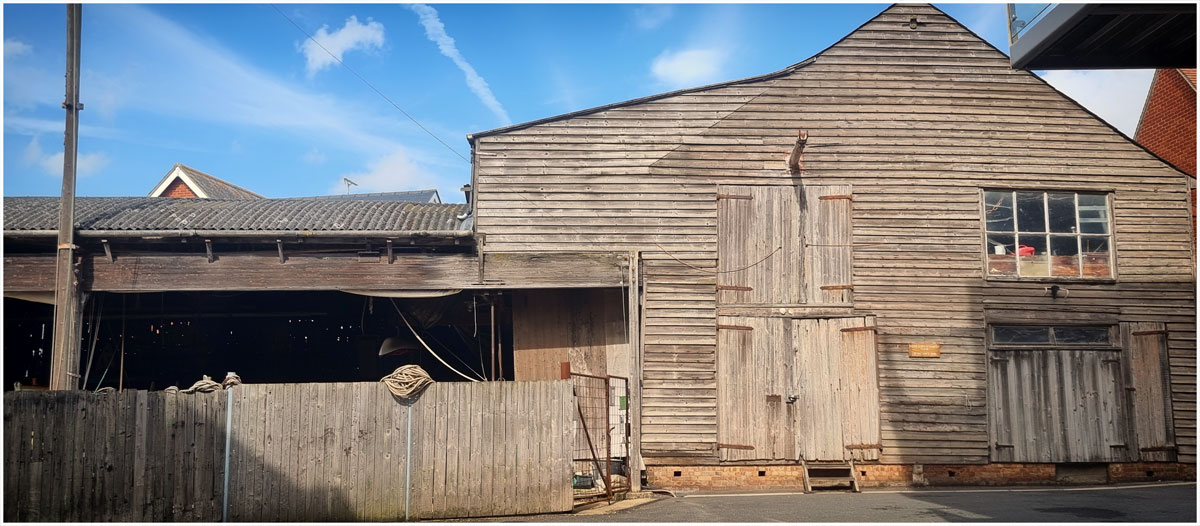
There are not many of the old buildings left
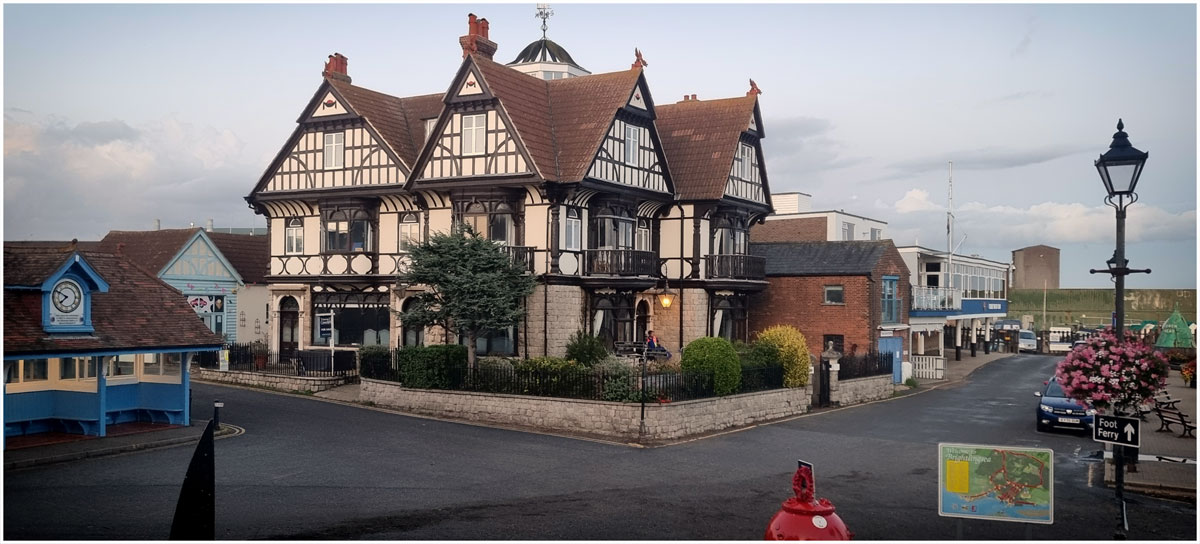
With the exception of this one on the corner of Fieldgate Dock which leads to the Brightlingsea Sailing Club, the promenade and the beach huts.
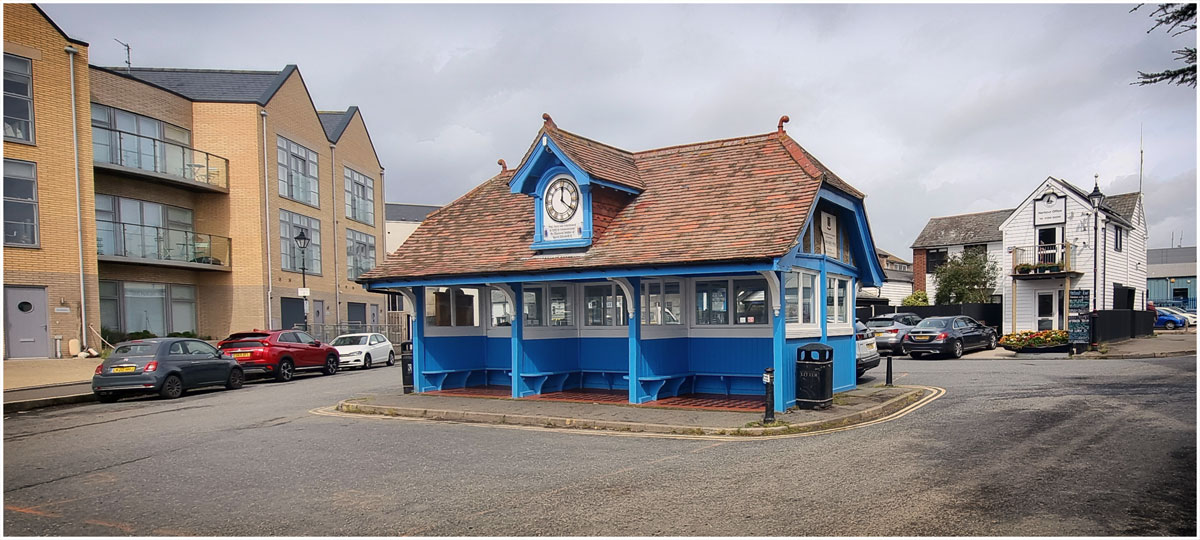
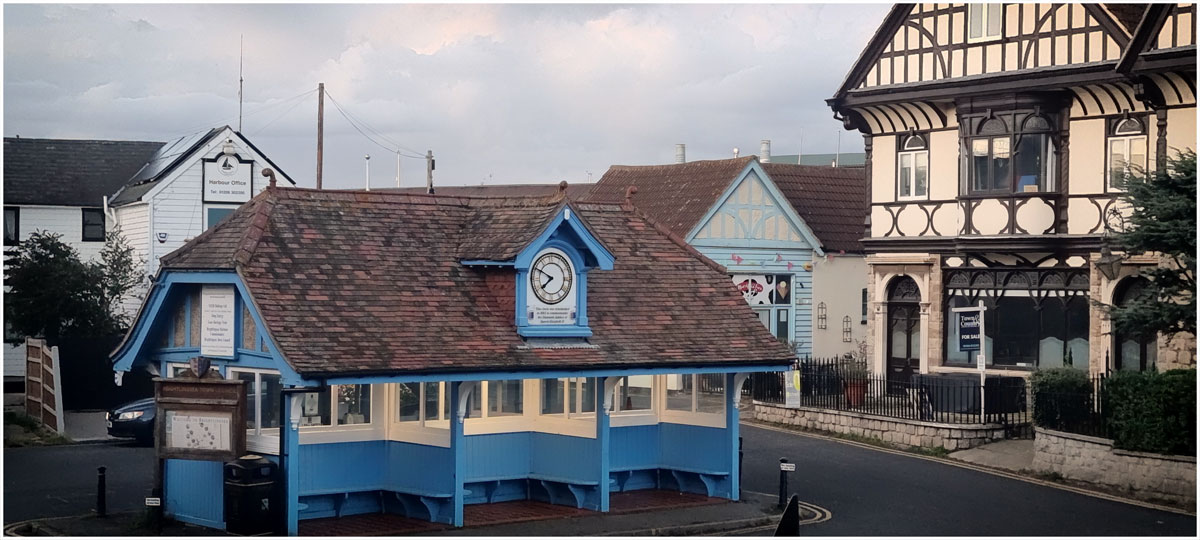
Hard Shelter, Built 1898 – this was a former bus shelter situated on the waterside close to the Town Hard with the Harbour Office behind.
This distinctive blue and white building, features a prominent clock on its roof and is located close to the Colne Yacht Club.
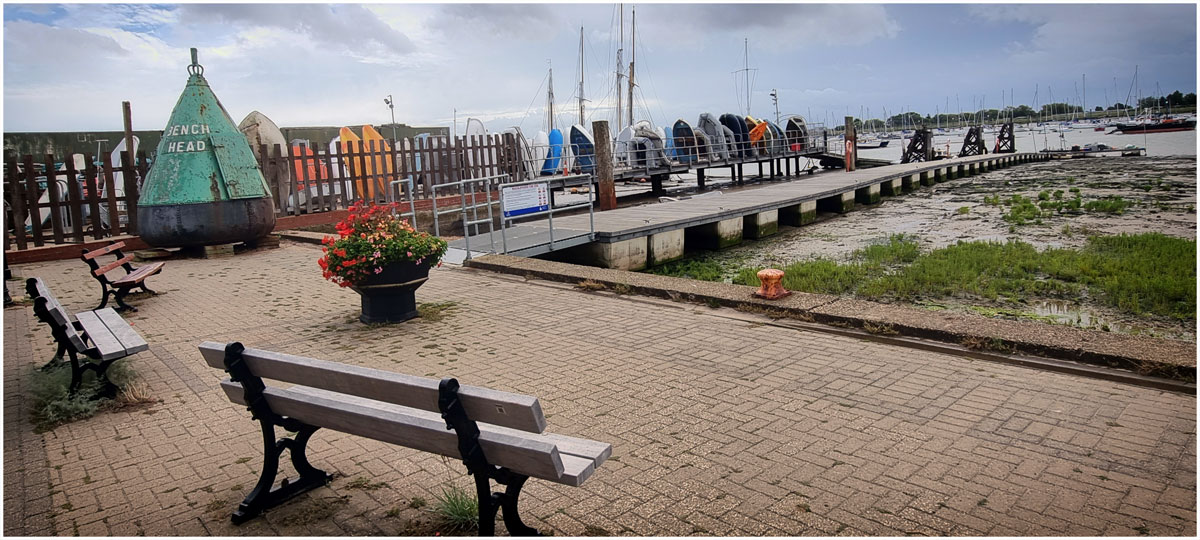
‘The Hard’, is a very useful outcrop of water-borne gravel, on the southern part of Brightlingsea overlooking Point Clear and allows for launching of boats
The wooden hut, almost surrounded by water at high tide, is the Hard Master’s office where user charges are collected.
Originally the Angel Hotel built in 1901 by architect George Henry Page. Then it became the Anchor Hotel before being split into apartments. Lovely architectural details and stained glass. Next door is the Colne Yacht Club.
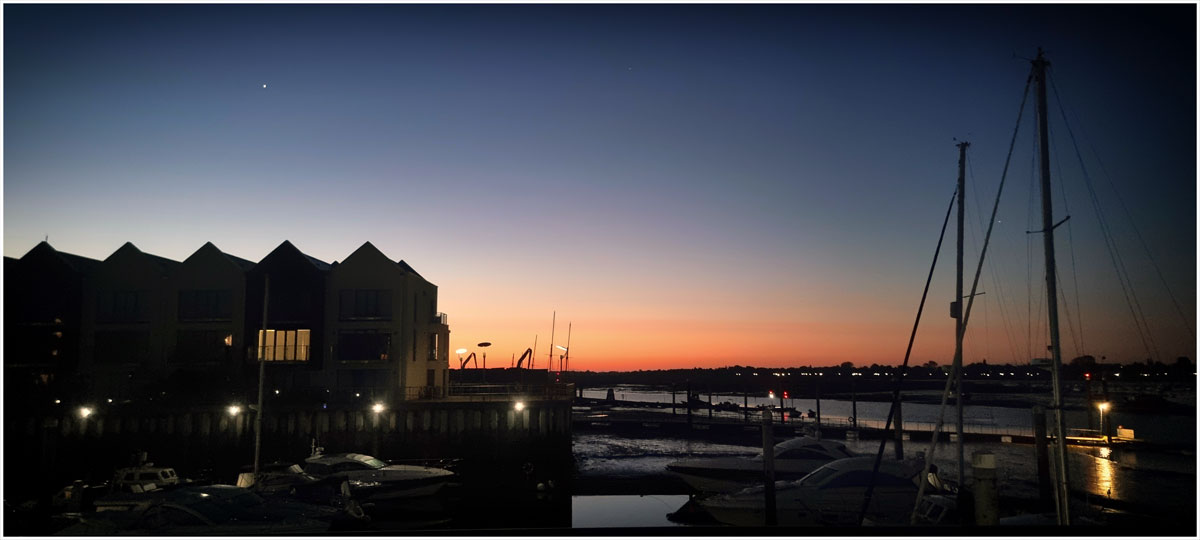
The Waterside Marina on our last day – sunrise at 05:28

The weather was unpredictable with sunshine, some heavy rain and almost always windy, with the terrace doors open we were serenaded by the ‘whap, whap, whapping’ sound of the closest yacht’s rigging slapping against the mast and on the windiest days a shrill whistling or howling sound. I have to say that I actually liked it. Made a change from the usual cattle sounds.
Beth Chatto’s Gravel Garden

Entrance to the gardens

Beth Chatto transformed an overgrown wasteland deemed unfit for fruit farming, into a series of informal gardens. As the conditions within the garden vary widely, five distinct areas have been created providing useful examples of working with nature to find the right plant for the right place.

Grasses add height

The world-famous drought-resistant Gravel Garden, created in 1992, began as an experiment to replace sun-scorched grass with a living garden of drought-tolerant plants.

Dark clouds on the horizon

The Gravel Garden, once a car park, was originally planted by Beth and her team as an experiment to test a range of drought-tolerant plants. The garden is famous for the fact that it is never watered, despite being situated in one of the driest parts of the country and having naturally occurring, free-draining soil.

Sedums add contrast – this is Hylotelephium Red Cauli
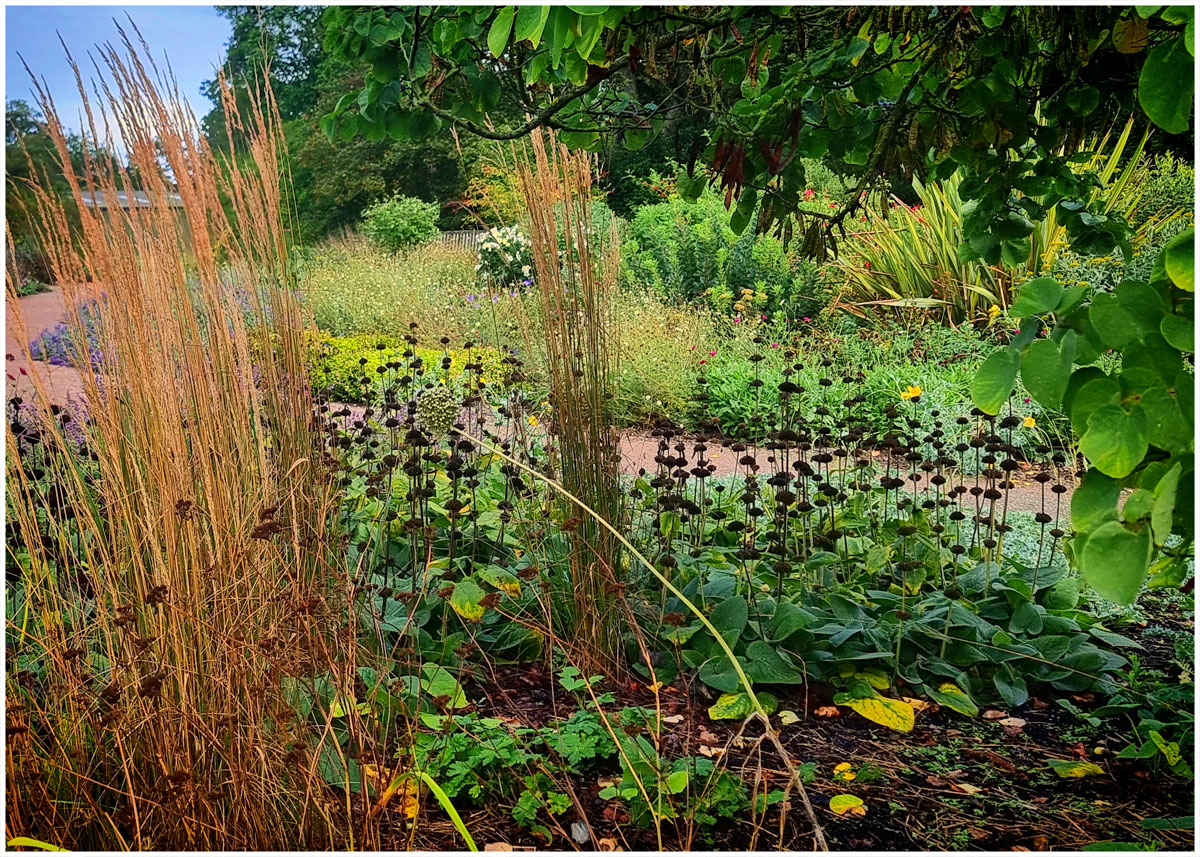
The seed heads of Phlomis russeliana have an impact here too.
Eryngium ebracteatum; Hylotelephium Red Cauli; Verbena Bampton; Gaura / Oenothera lindheimeri; Pennisetum villosum

Beth Chatto Reservoir Garden

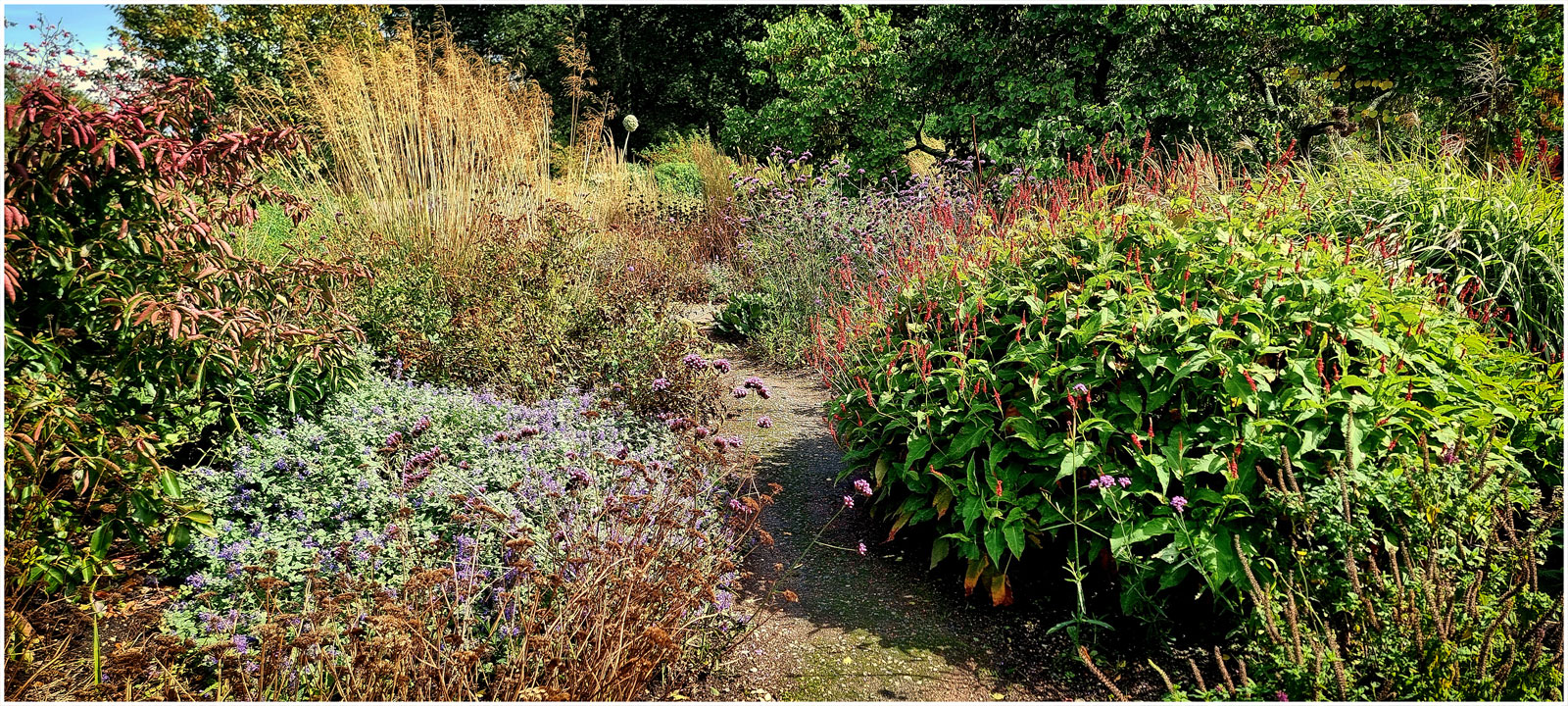
The heavy clay soil of the Reservoir Garden was improved by Beth’s team and replanted in 2017. The garden showcases a variety of ornamental grasses and prairie-style plants offering late season interest with an exciting new display of perennials, accessible via winding pathways.

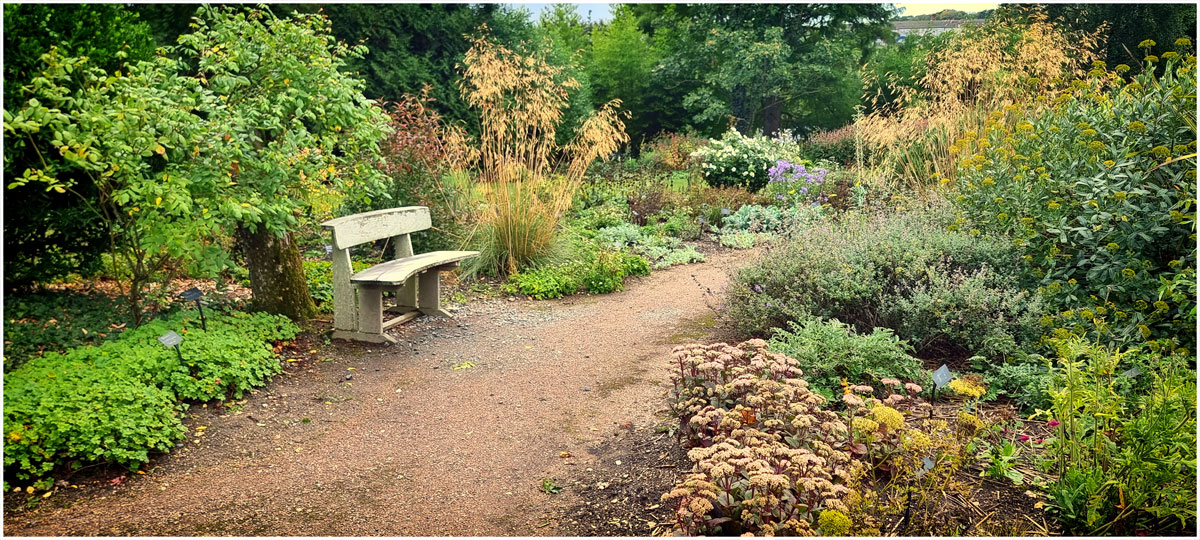
There are plenty of benches on which to sit and contemplate the garden.

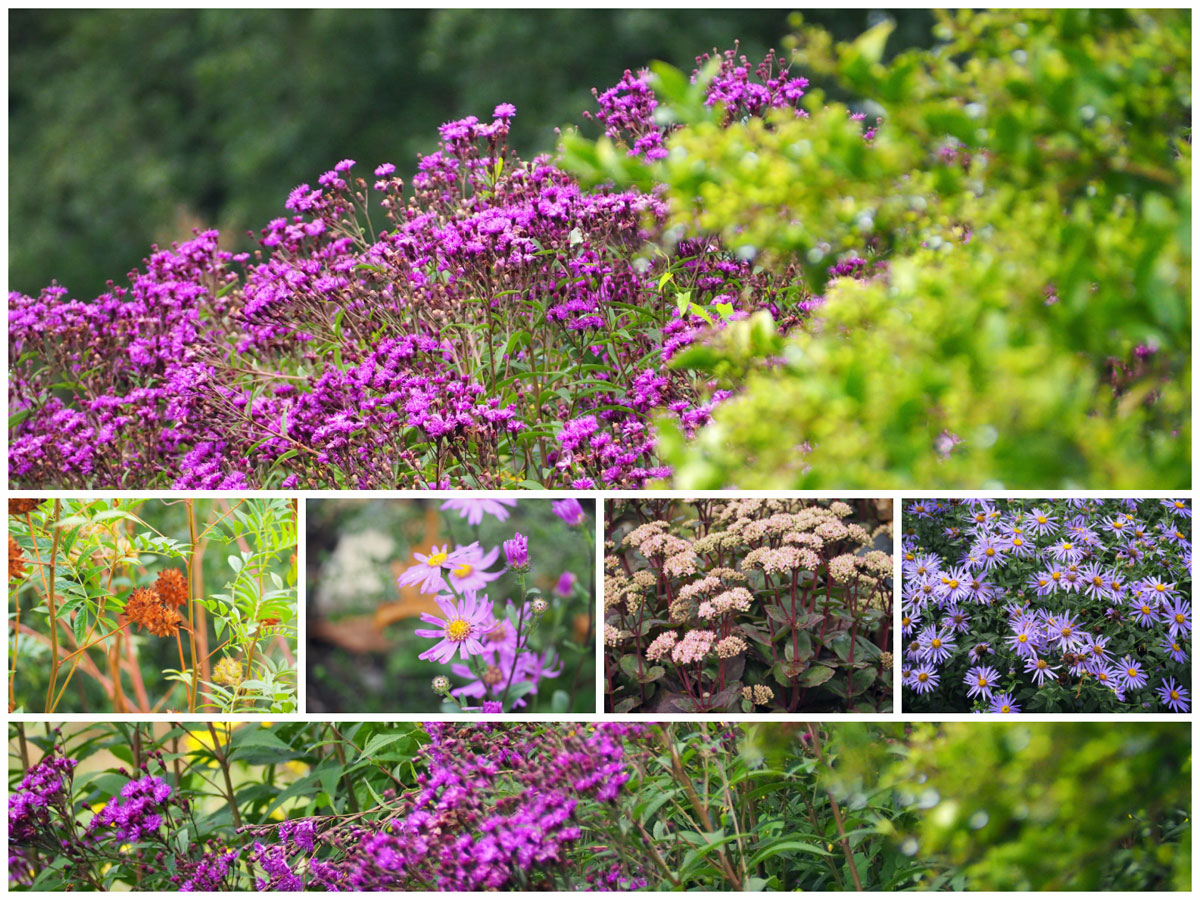
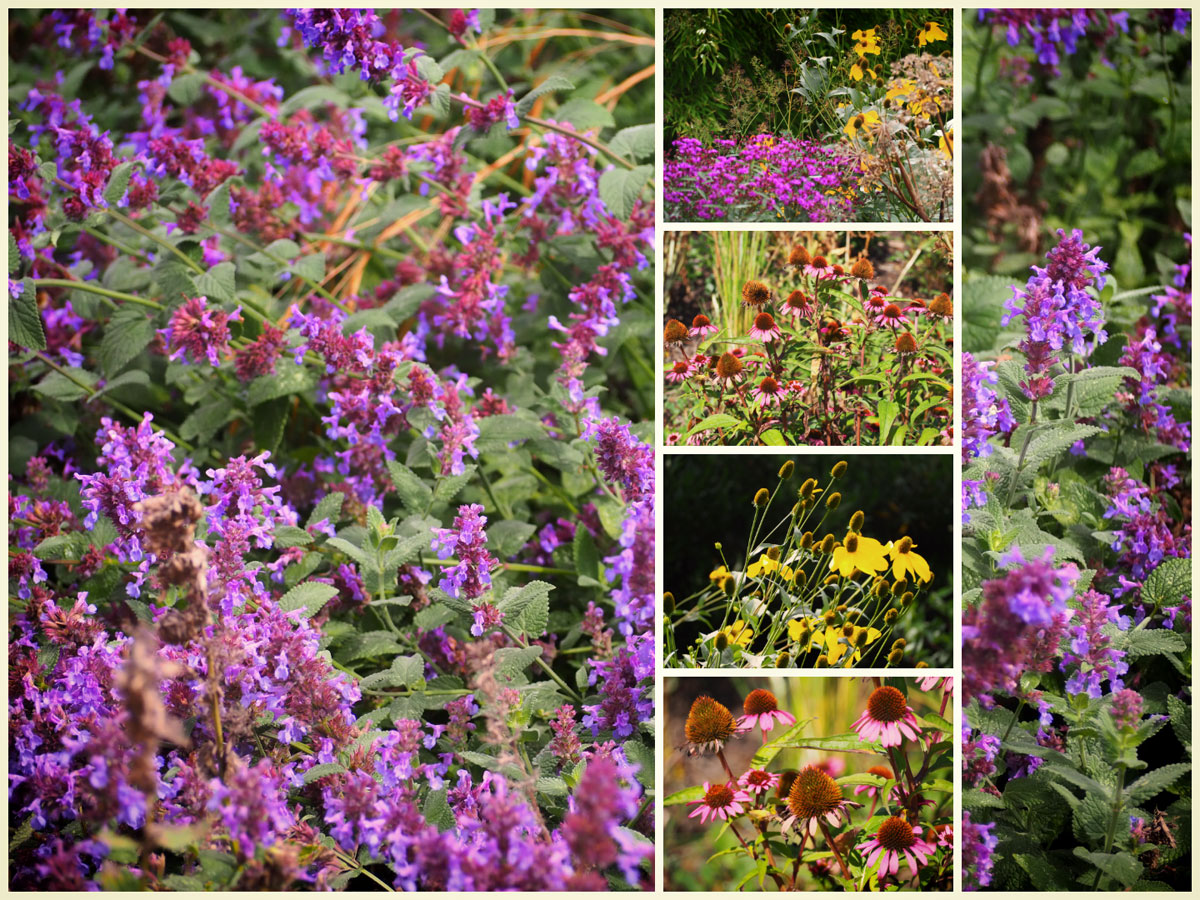
Lots of purple
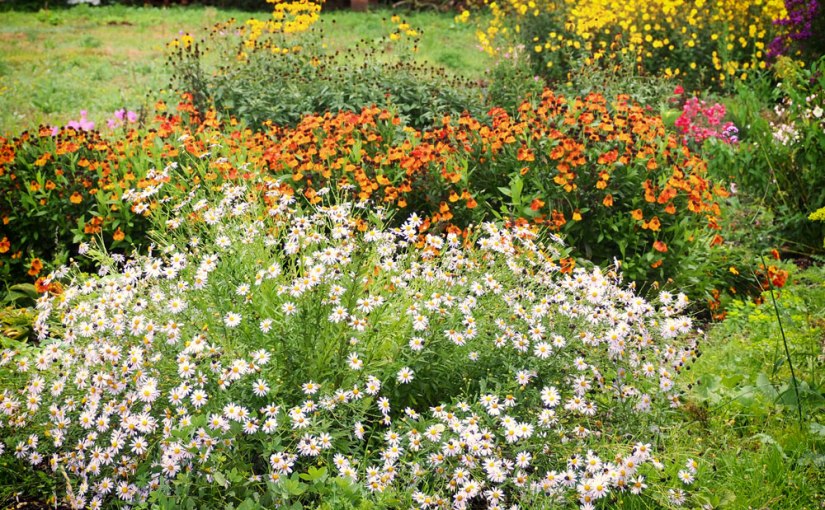
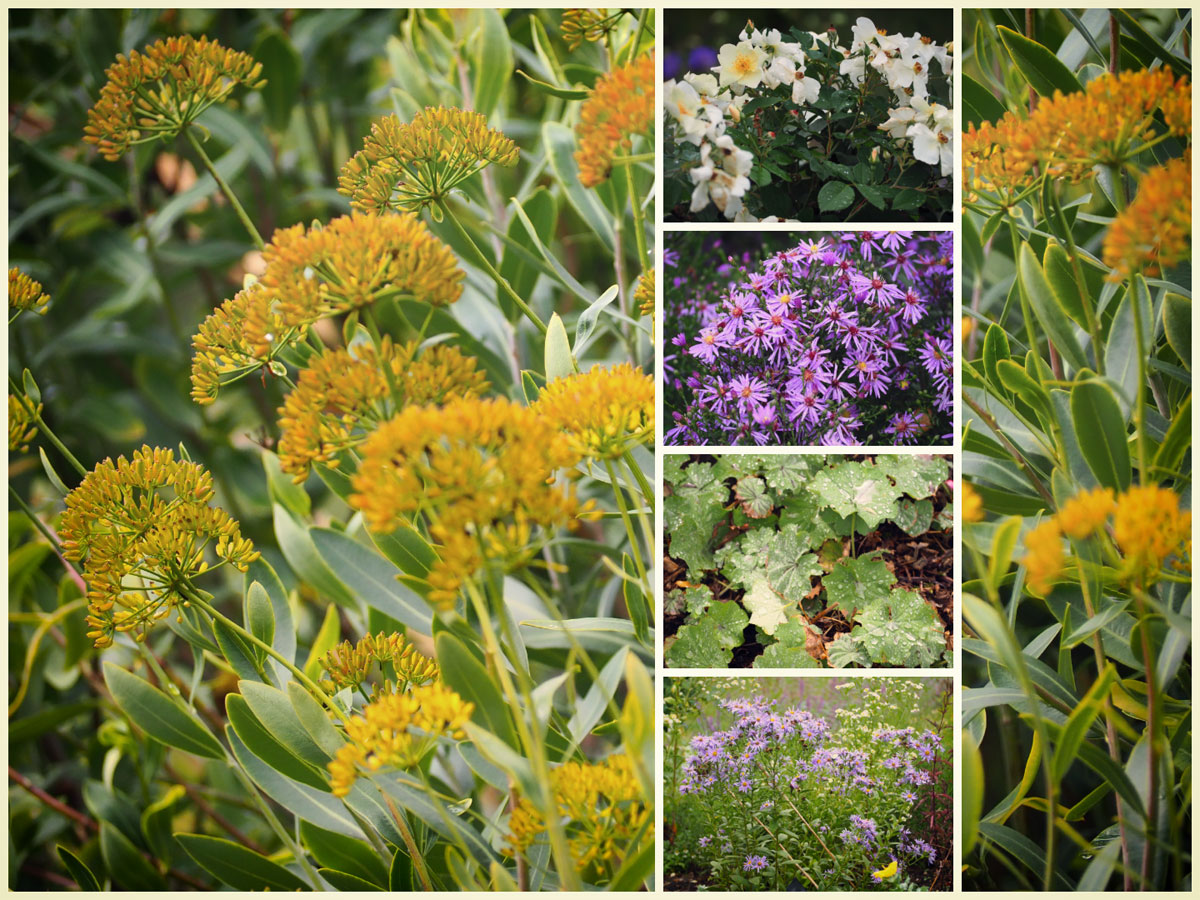
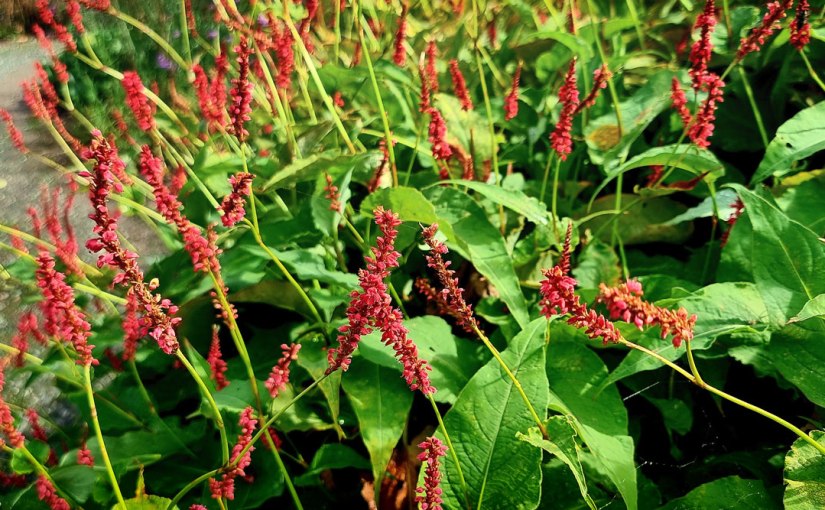
Asters were a feature of this September garden
And seed heads. Phlomis russeliana are particularly effective
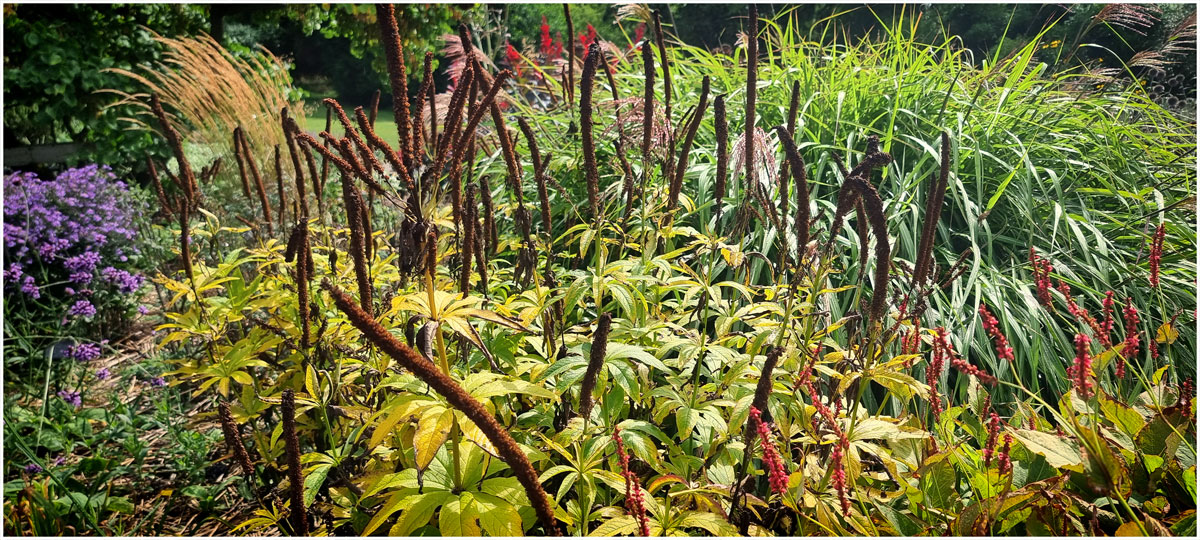
Wild seed heads of the Veronicastrum
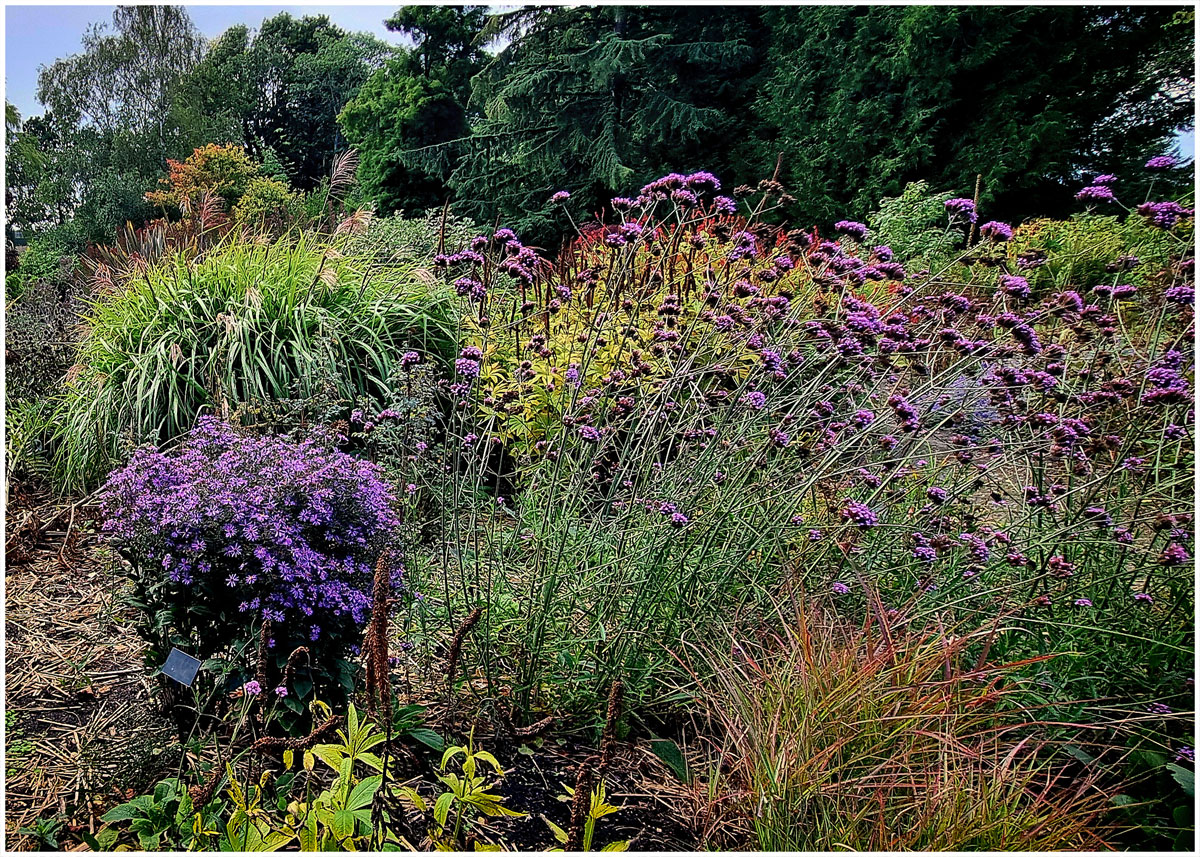
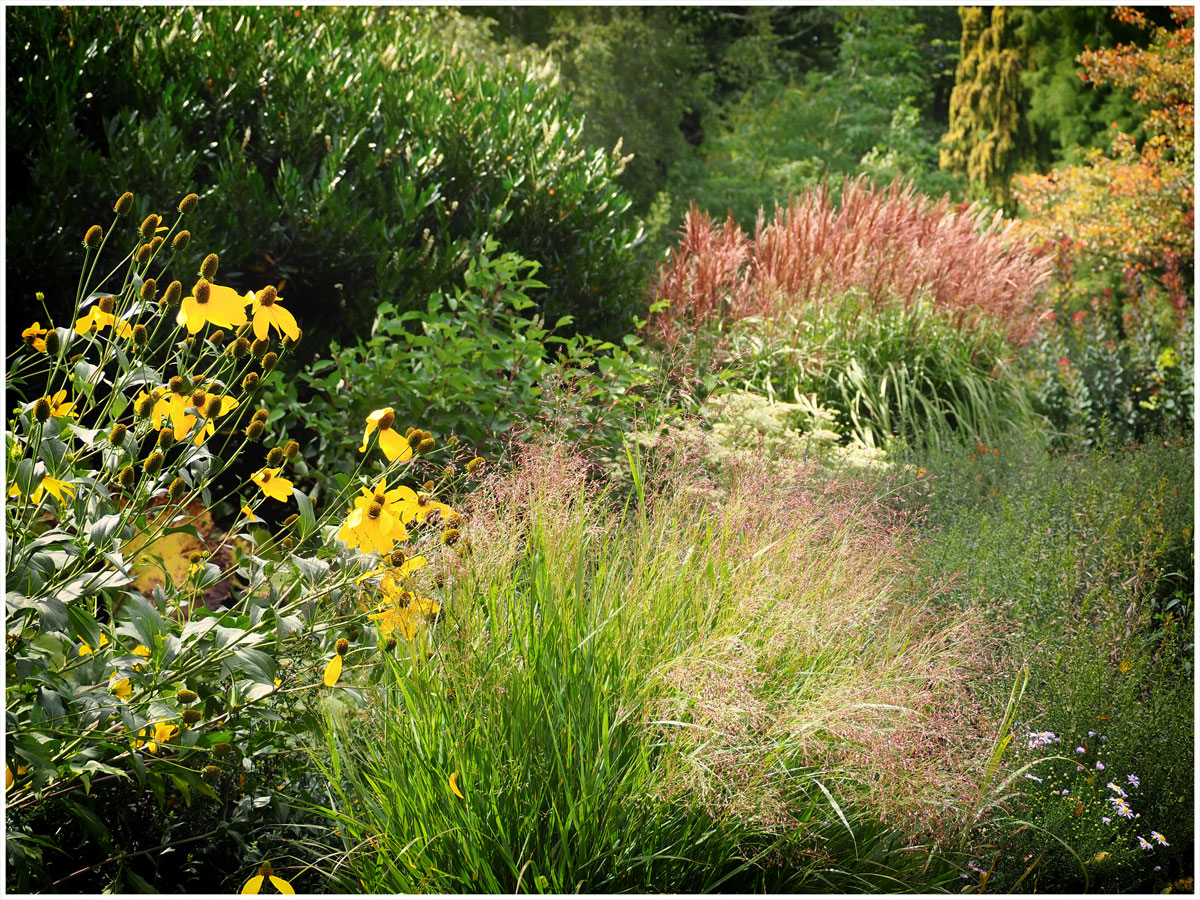
Beautiful flowering grasses soften the borders
Purple and Yellow contrasting colours
Lovely prairie style planting

When I visited Beth Chatto’s Gardens in 2016 this area was a complete blank canvas. My favourite zone then was the gravel garden, but this year the Reservoir Garden with its naturalistic prairie planting, grasses wafting in the wind and the pops of colour from the asters, heleniums and rudbeckias intertwined with dramatic seed heads was by far my favourite area. In fact I sat here for a good half hour simply enjoying the peace.

Lens Artists Photo Challenge # 364 |Quiet Moment

Beth Chatto’s Gardens

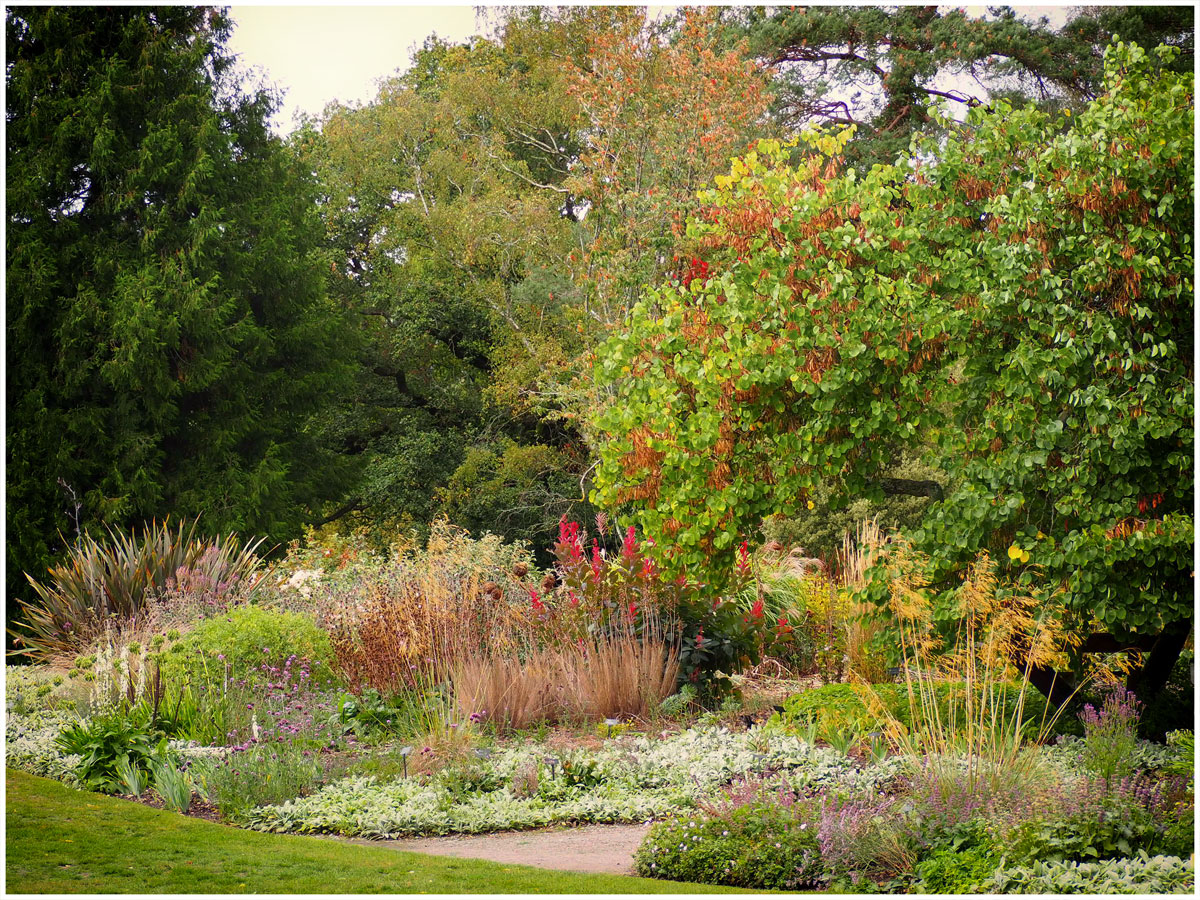
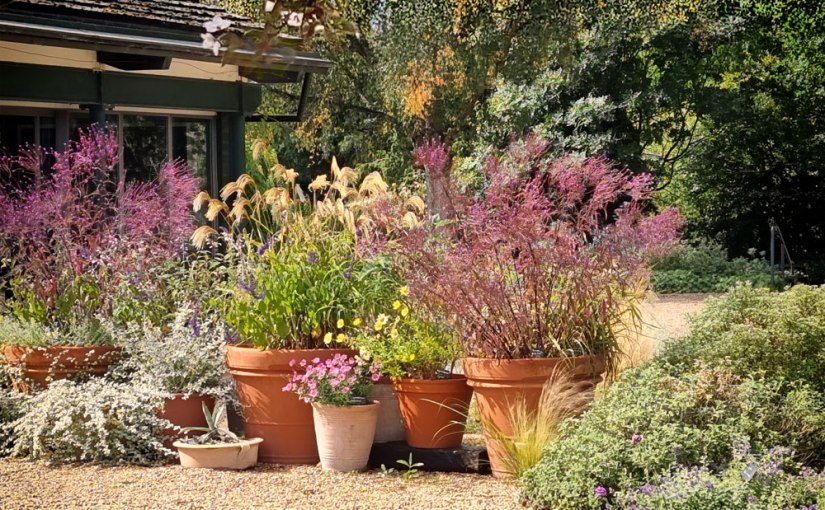
No Six on Saturday post from me today, but here is one view of the planting scheme in Beth Chatto’s gardens in Essex. More to come later.

(Please click image to enlarge)

The Reservoir Garden replanted in 2017 so after my visit to these gardens in September 2016. The garden showcases a variety of ornamental grasses and prairie-style plants offering late season interest.

A brief look at Colchester

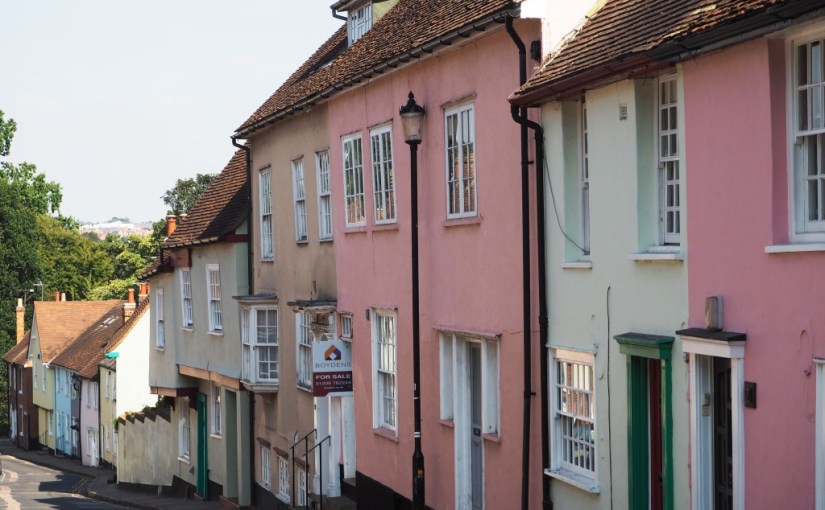
We were in Colchester at the beginning of September for a wedding so didn’t really do much in the way of exploring. Given my love for architectural styles I did have a brief wander around the Cultural area where we were staying to see what I could find.  It is of course a very old Roman town (Camulodunum ) and once the capital of Roman Britain, but was attacked and destroyed during Boudica’s rebellion in AD 61.

At only 50 or so miles north of London it is growing fast as a commuter town.

We stayed at the recently opened Greyfriars Hotel on the eastern edge of the High Street.  It is not only a beautiful C18th neo-classical building, but was for a hundred years a much-loved icon of educational excellence and, even centuries before 1755 when the current house was built, its site had religious, social and educational significance. Occupants have included friars, nuns, householders, clergy, physicians, horticulturists, an industrialist and students (young and adult). Empty from 2007 when sold by Essex County Council who decided it was no longer fit for purpose for education the building has been transformed.

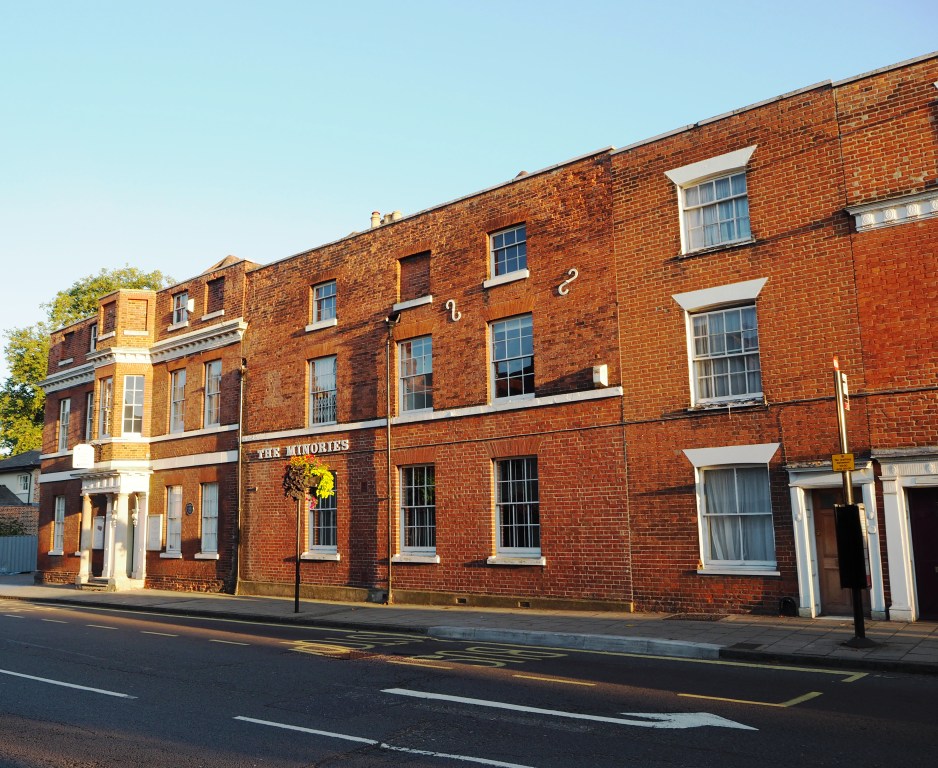
The wedding we were attending was held across the road in the Minories – another lovely Georgian building and now an art gallery and centre for post-graduate study in art. This house in a very similar style to Grey Friars was bought in 1731 by Isaac Boggis a merchant in the wool trade.

OLYMPUS DIGITAL CAMERA

Continuing along the High Street you reach Castle Park and another neo-classical designed Georgian house – Hollytrees – which was built in 1718 by Thomas Blagden for Elizabeth Cornelisen. It was completed by March 1719 but unfortunately Elizabeth passed away before she had the chance to live in it. It is now a museum (free entry) and forms the eastern part of Castle Park. Continue reading A brief look at Colchester