Postcards from Around the World

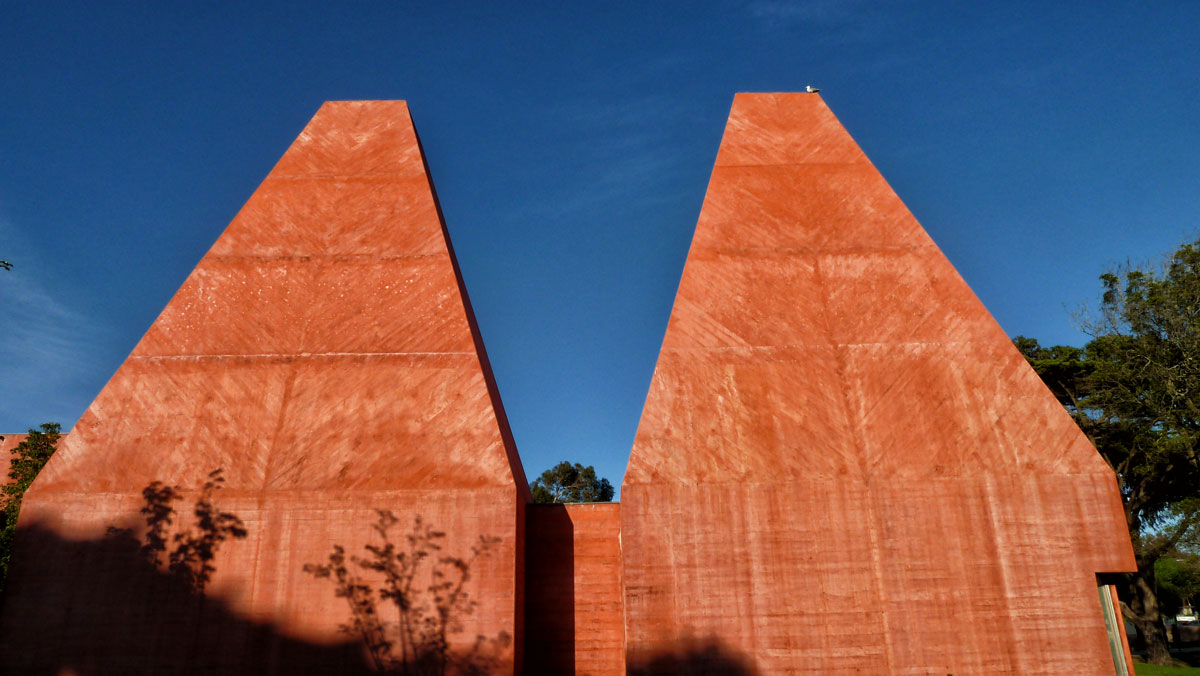
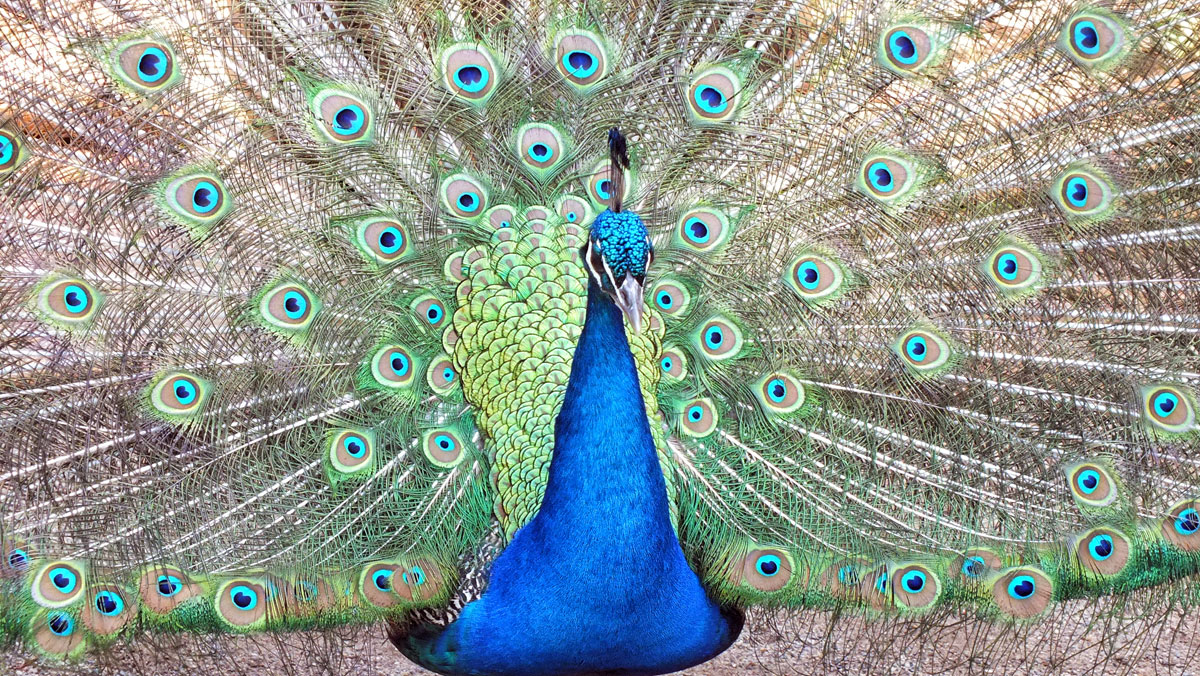
Whilst wandering around Cascais we found a short cut to the coastal road north past the interesting bold pyramid shaped towers of the Casa das Histórias Paula Rego which led into an extensive park (Marechal Carmona Park also known as Gandarinha Park) with gardens, architectural and sculptural interests and where we came across a peacock with the largest / longest tail I have ever seen.
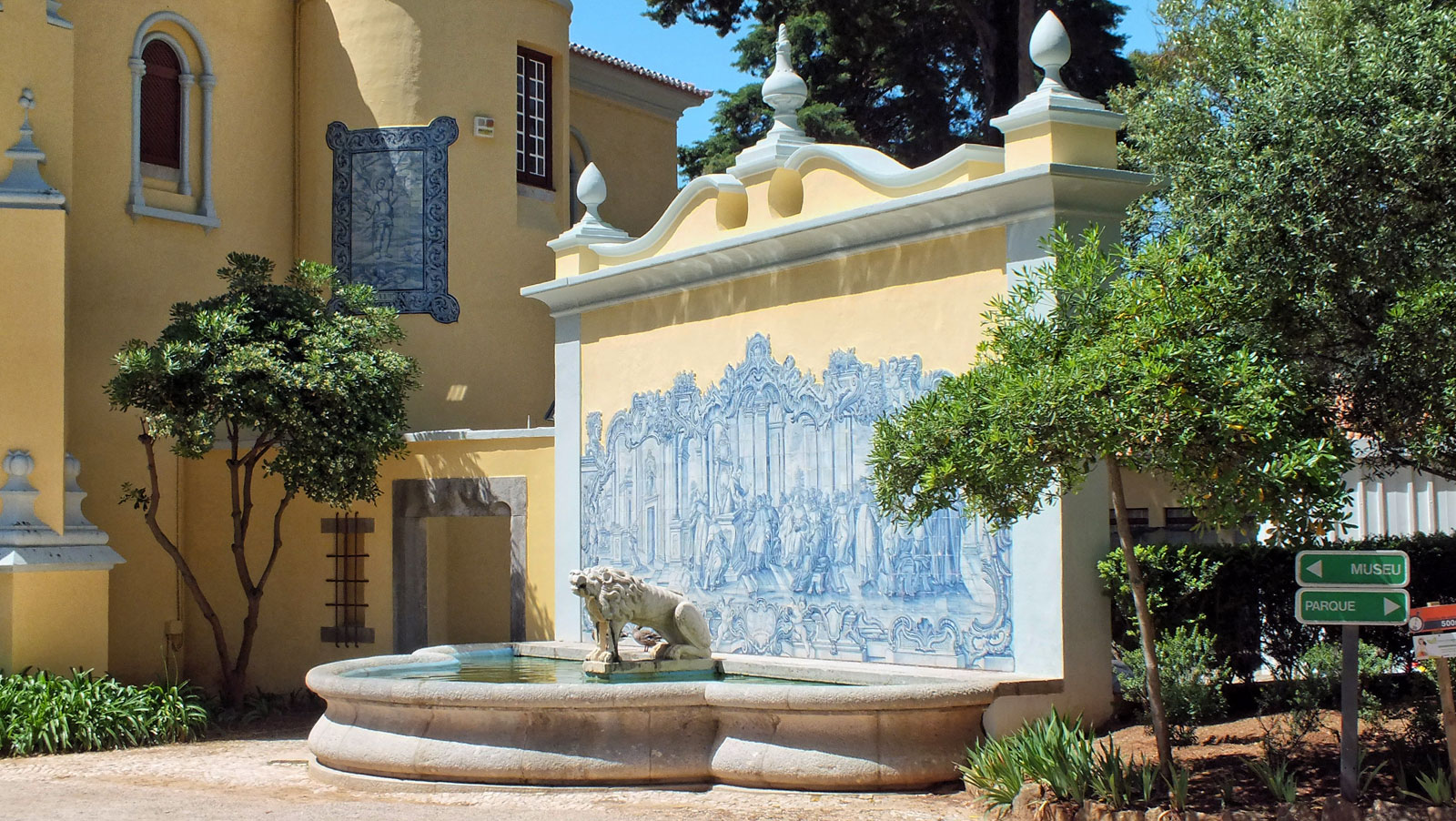
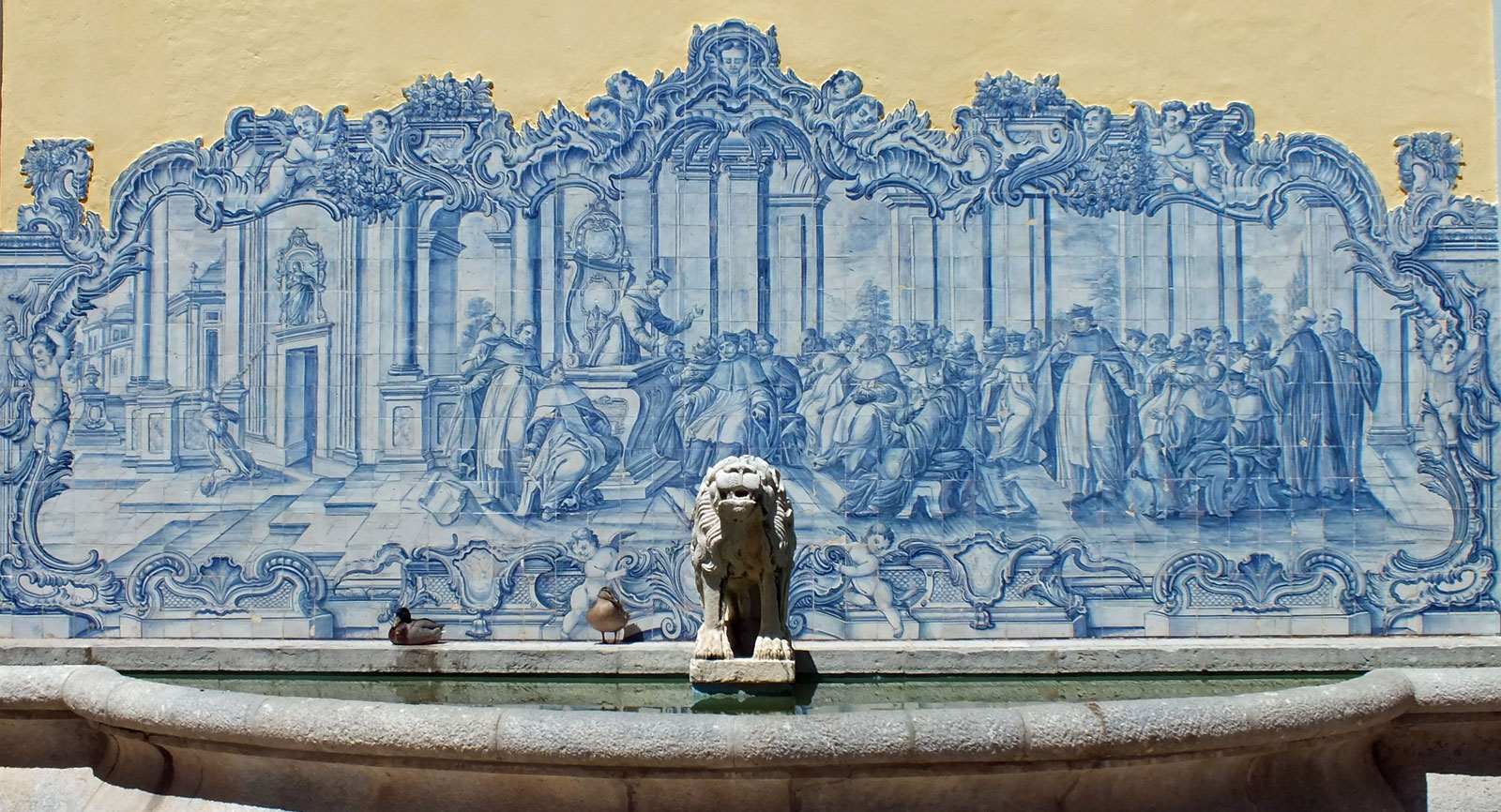
We also came across the Museu Condes de Castro Guimarães – a charming fairy-tale example of the revivalist architectural style built in 1897.
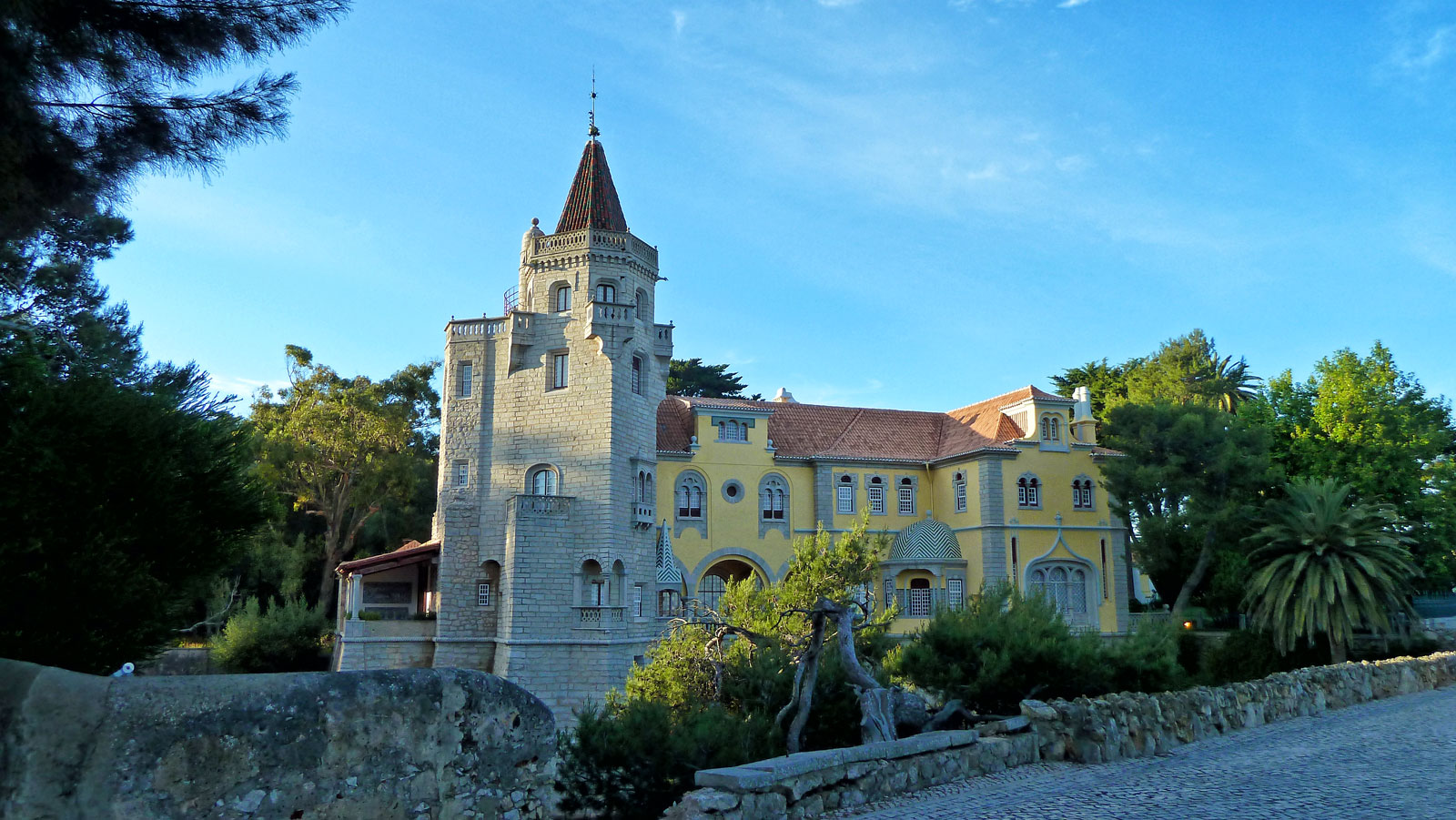
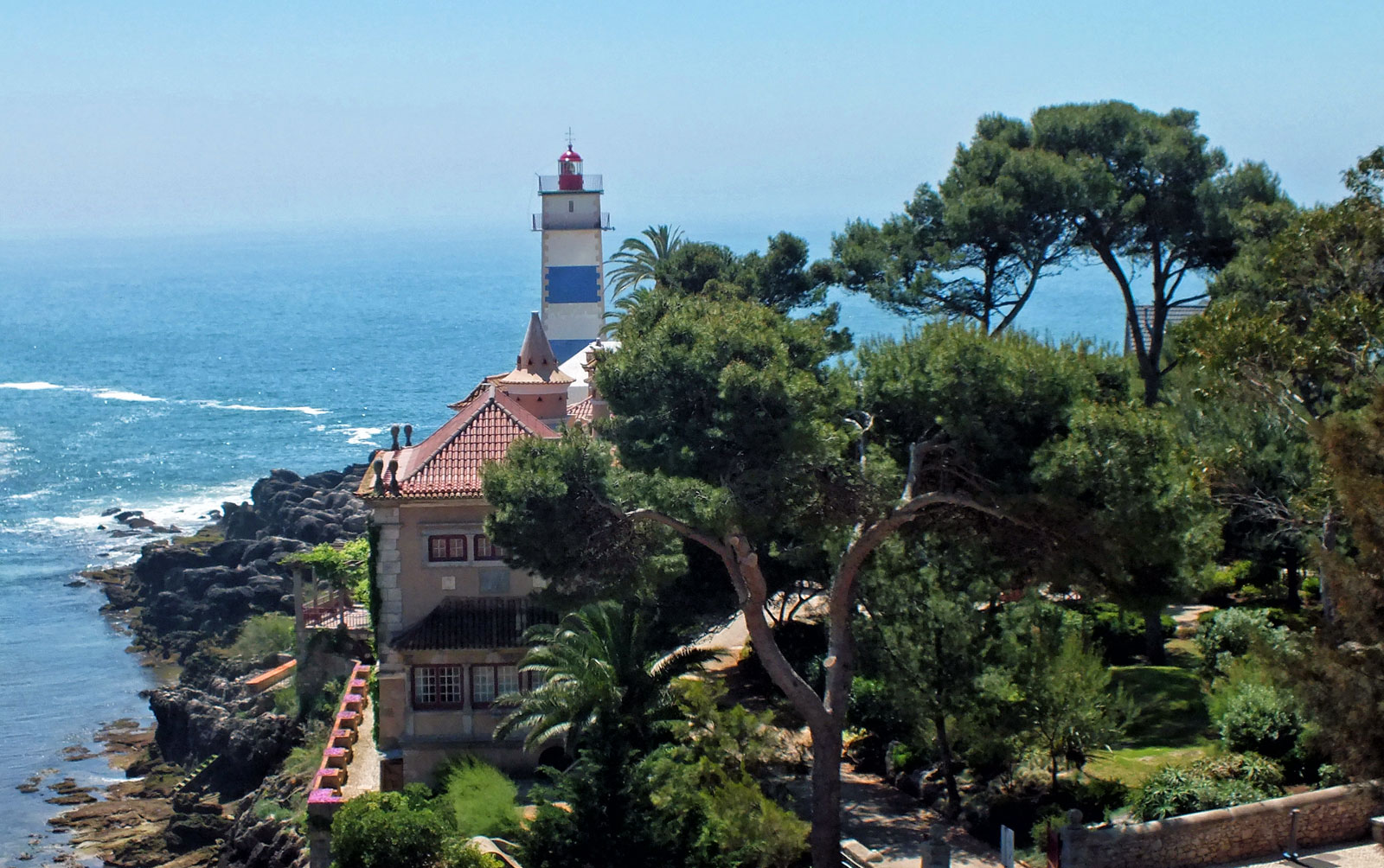
The museum’s exhibits include an impressive art collection, rare pieces of Indo-Portuguese furniture, a few prehistoric archaeological remains and a library and if you climb up to the tower there are impressive views over the Santa Marta bay and the Santa Marta Lighthouse.
Views from the tower to the Santa Marta Lighthouse

After visiting the museum and the pretty Chapel of Saint Sebastian, which is close by, we walked down to the lighthouse to have a closer look before going for lunch at a restaurant overlooking the bay.
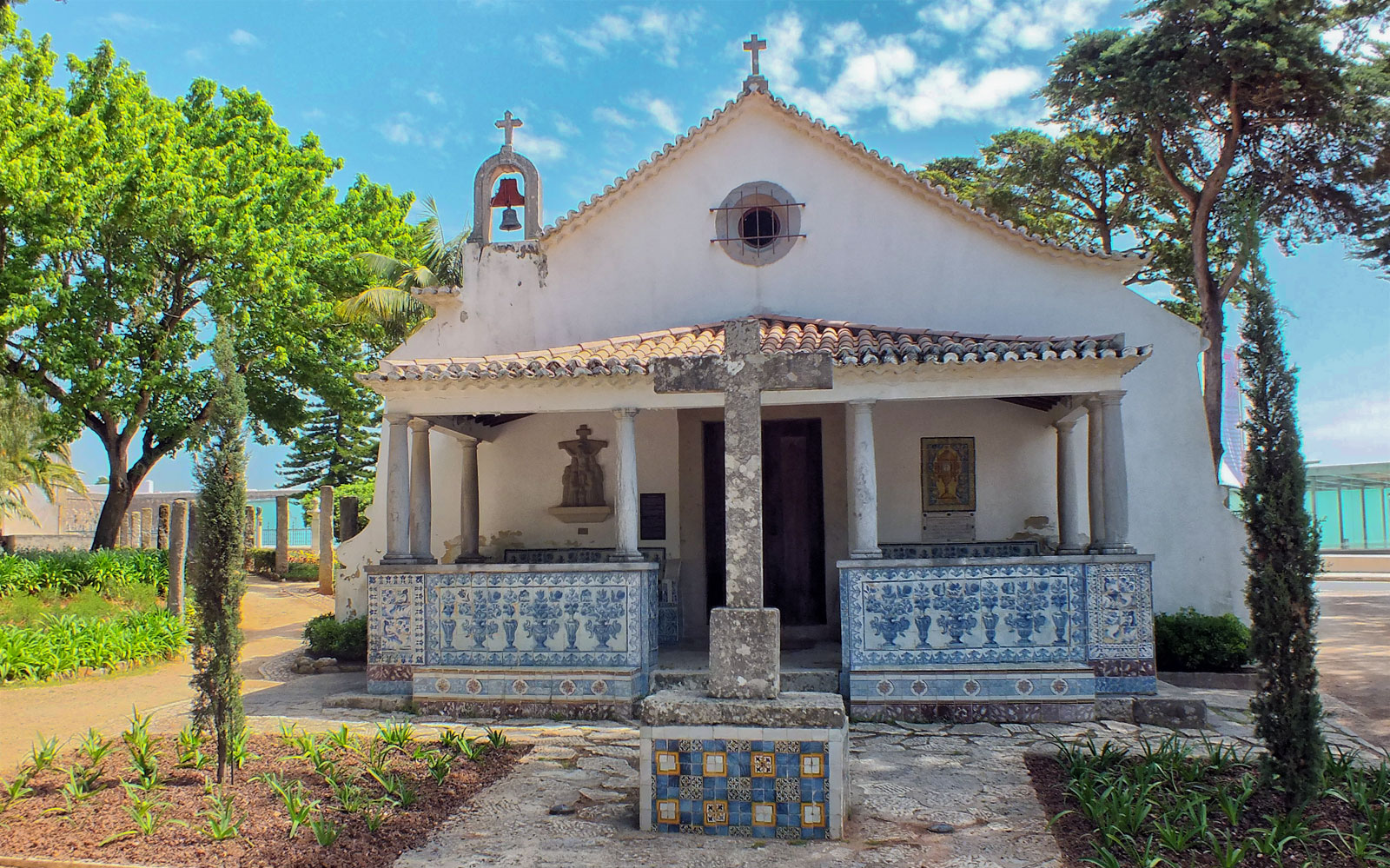
Chapel Sao Sebastiao (17th century)

There is a lot more to this seaside resort than you might first think, plus it is an easy train ride into Lisbon and also a cheap bus ride to the historic town of Sintra. A perfect base in my opinion.

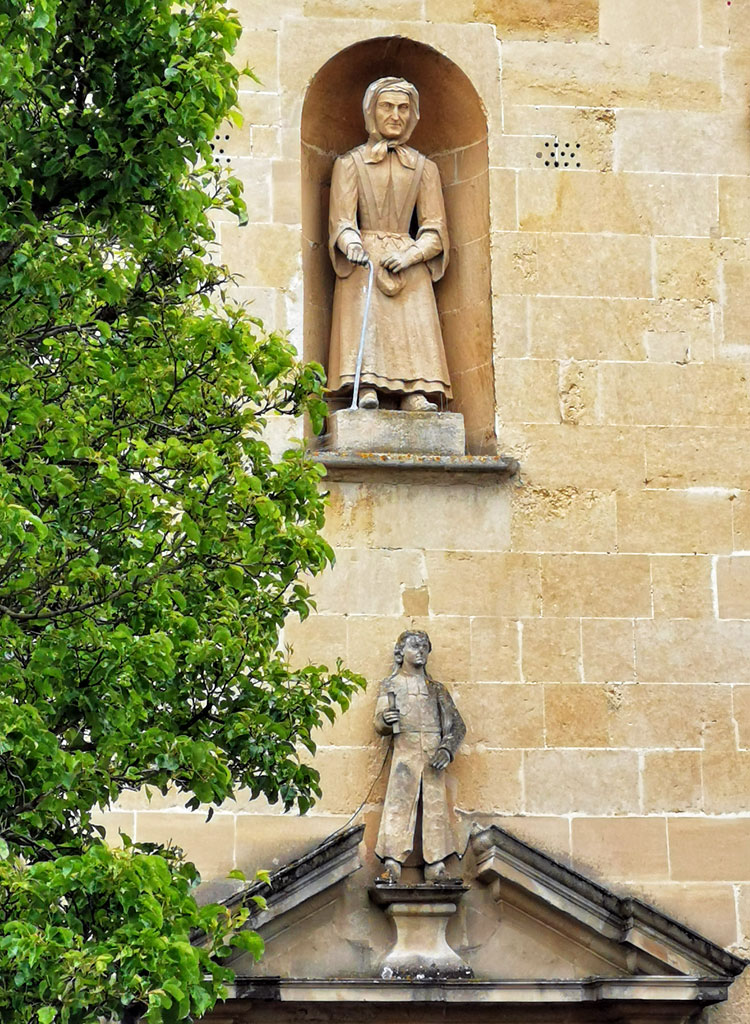
The Blue House – Frome

The Blue House, next to the town bridge, is Grade 1 listed; it was formerly the Bluecoat School and Almshouses, named after the colour of the school uniforms. Built in 1726 at a cost of £1,401 8s 9d, it replaced an almshouse dating from 1461 and rebuilt in 1621. The Blue House provided a home for twenty widows and schooling for twenty boys.

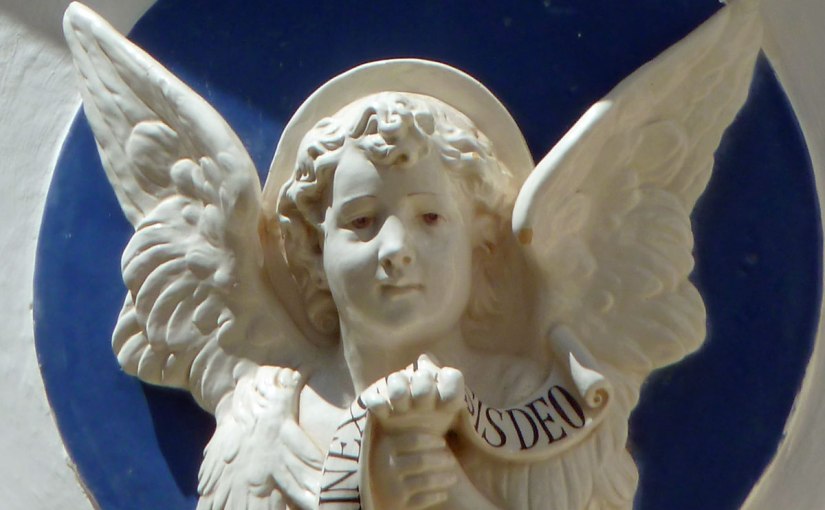
The front of the building is adorned by two statues, of a man and a woman, indicating the building’s dual purpose. The building’s role as a school came to an end in 1921 and it now provides studio and one-bedroom flats for seventeen elderly residents. Wikipedia

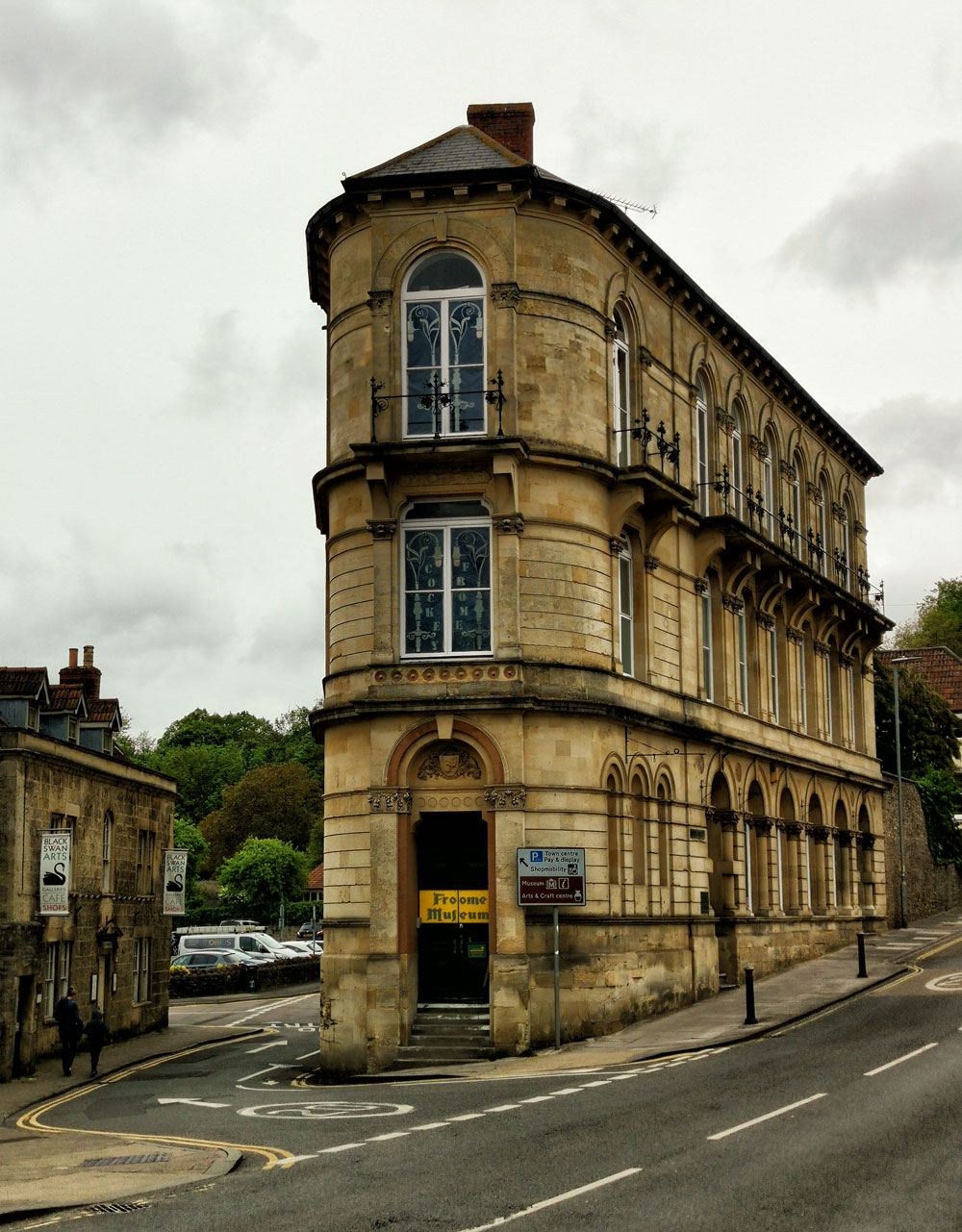
Frome Museum

The Italianate building was built as a Literary and Scientific Institute in 1865 for John Sinkins. The architect was J Hine and it was built by the company Carr and Pickford. It is a Grade II listed building. It houses a collection of local history and has a particular important collection of artefacts from the bronze foundry of J.W.Singer. A Cockey lamp is on show, with its art nouveau style; more than 60 can still be seen around the town. (Edward Cockey (1781–1860) was an industrial entrepreneur in Frome, Somerset, England, descended from a local family of metalworkers.) Wikipedia

Life in Colour

To find out more about this year’s photo challenge here on Travel Words, please read this post.

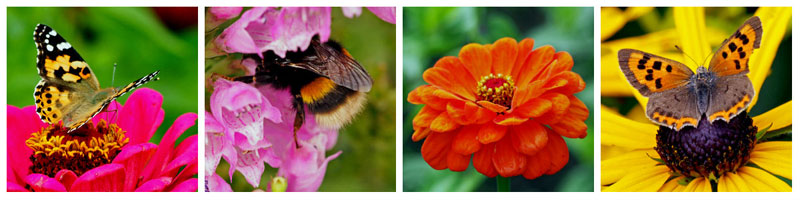
This is the last day of October which means it is the last week of the colour Orange. If you have any orange photos left that you want to share then please do so as we will move to the penultimate colour of the year next Sunday.

Red Pyramid Building The Paula Rego Art Gallery Museum in Cascais Portugal / Casa das Historias Paula Rego
do You Have any orange Architecture?

Lightleading-Light

The new January Squares challenge, hosted as ever by Becky, the Queen of Squares,  is all about ____light. That’s words ending in light. In this often dull month light of any kind is what we all need to lift our spirits as we wait impatiently for spring to begin. Click on the link to find out more.

lightleading-light

leading-light (noun) or range-lights are usually navigational lights in a harbour used by vessels to manoeuvre into harbour at night. Or it can refer to the pattern of lights at night on the mast of a vessel to indicate its size or in the case of a tug boat, the number of barges it is towing.

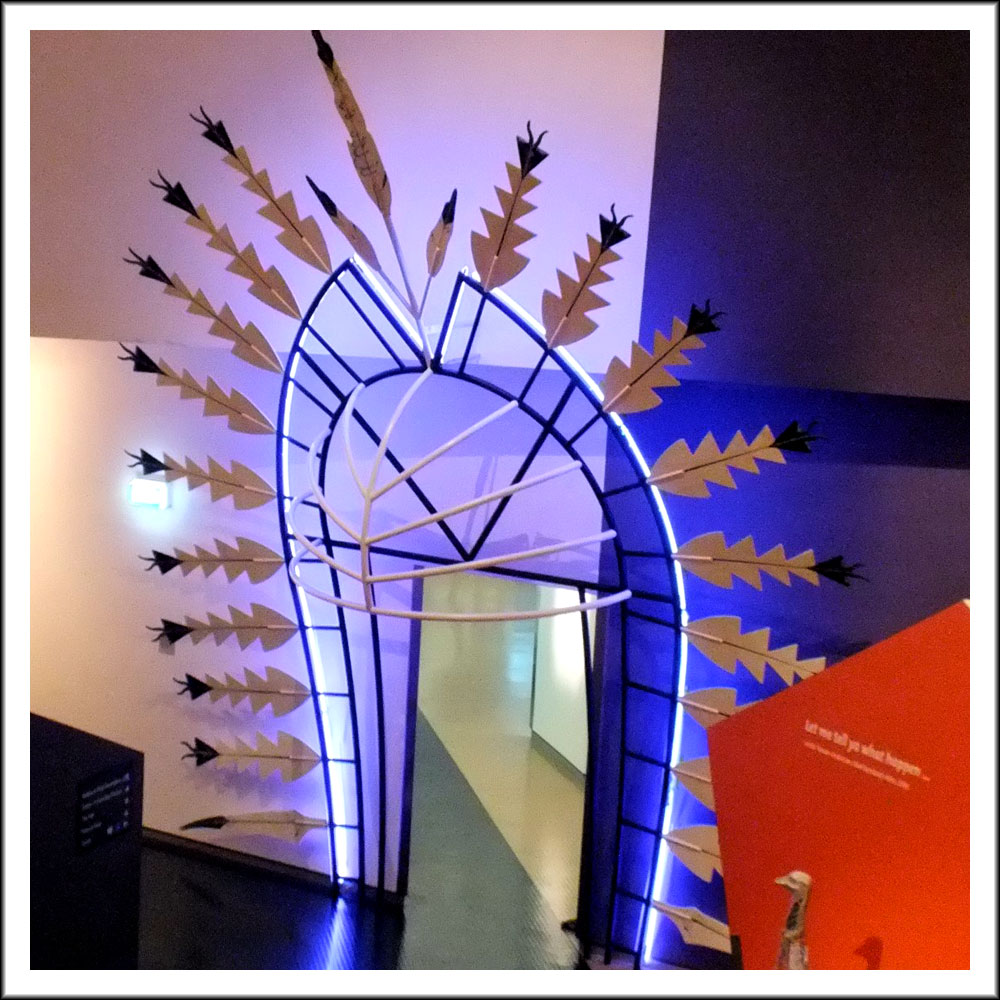
I have gone slightly off-piste here to use a (made-up) word lightleading-lights which in this instance are showing the way through this entrance/exit in the National Museum of Australia, Canberra.

January Squares | Day Twenty-Six