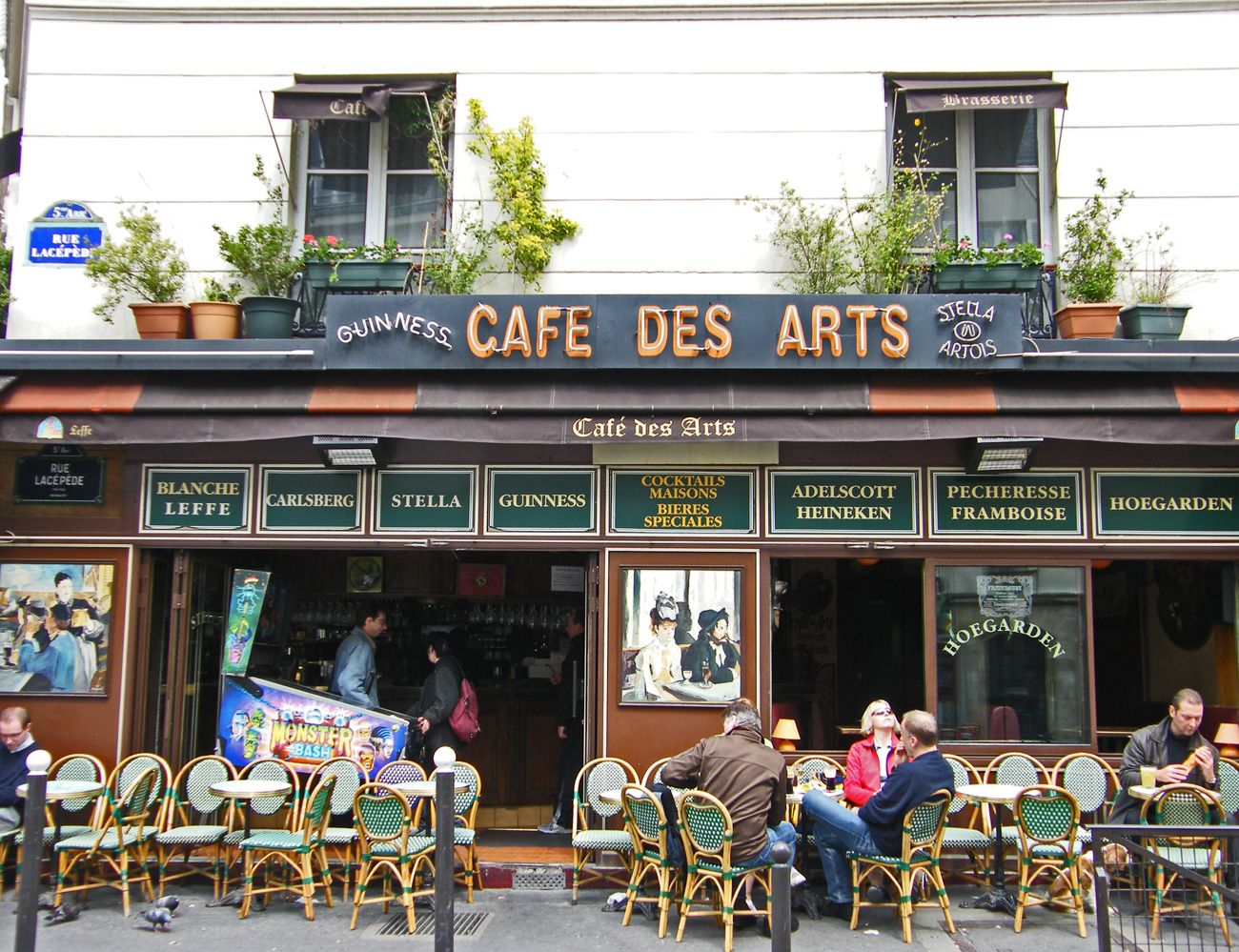
Just another day in Paris…
 For this week’s challenge, we want you to become a documentary photographer and attempt to capture a candid moment of a person, place, or thing.
Just another day in Paris…
For this week’s challenge, we want you to become a documentary photographer and attempt to capture a candid moment of a person, place, or thing.
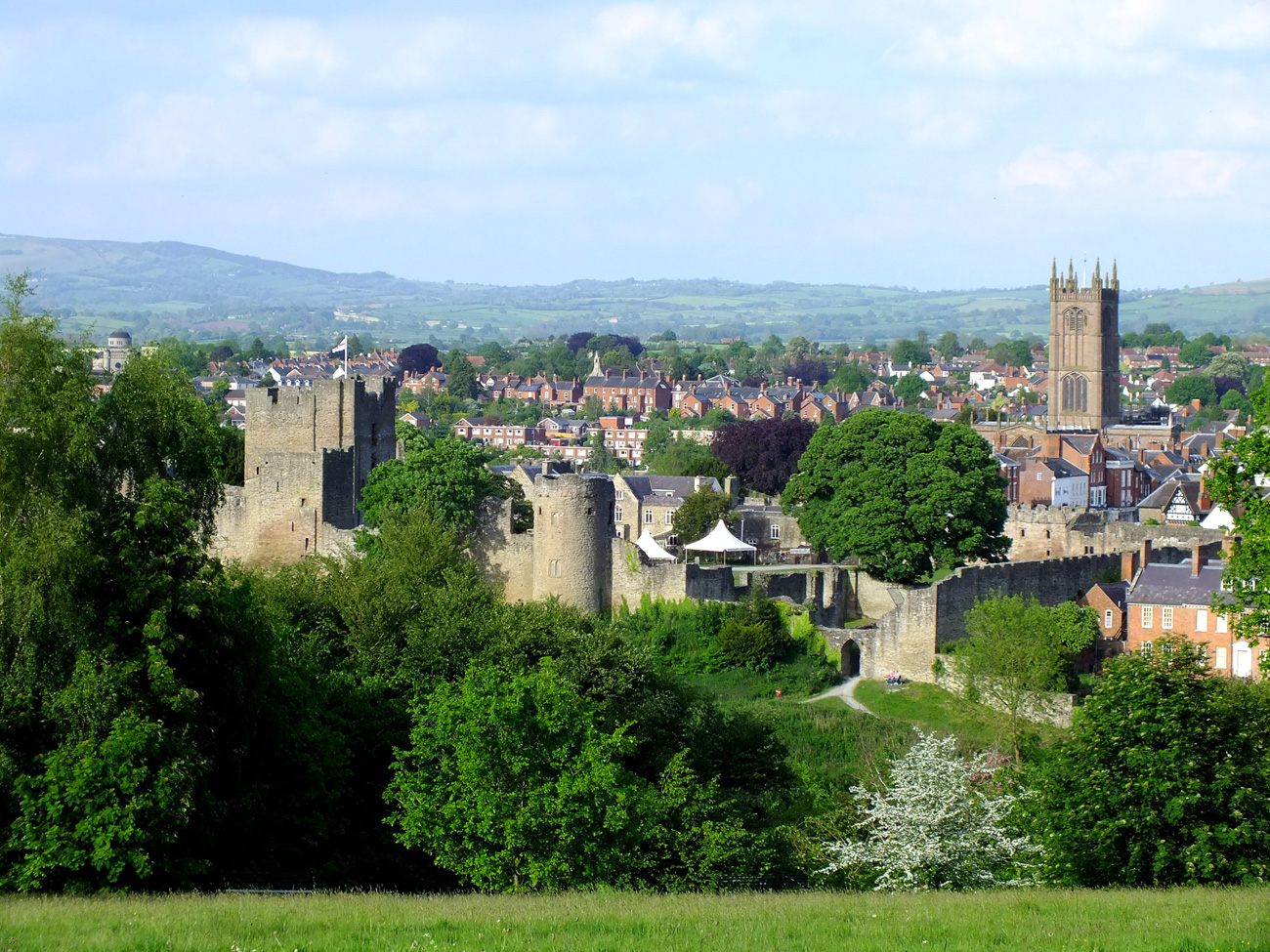
There are many ways to photograph the town of Ludlow from Whitcliffe Common – castle views, church views, town views framed by the trees or not.
Zooming in on the old town shows you the undulating rooftops, the multitude of chimney pots of varying shapes and sizes, and even a window or two.

This weekly challenge is hosted by Dawn from ‘The Day After’ who invites participants to post pictures of any windows that they find curious, inviting, photogenic, or in some way tell a story. Visit her blog to see more windows and/or to join in with the challenge.
With the recent good weather I have been trying to get out for a daily walk. Last Sunday we set off towards Priors Halton farm, about a mile or so outside of Ludlow. It is one of the few flattish walks around here, as Ludlow is surrounded by hills.
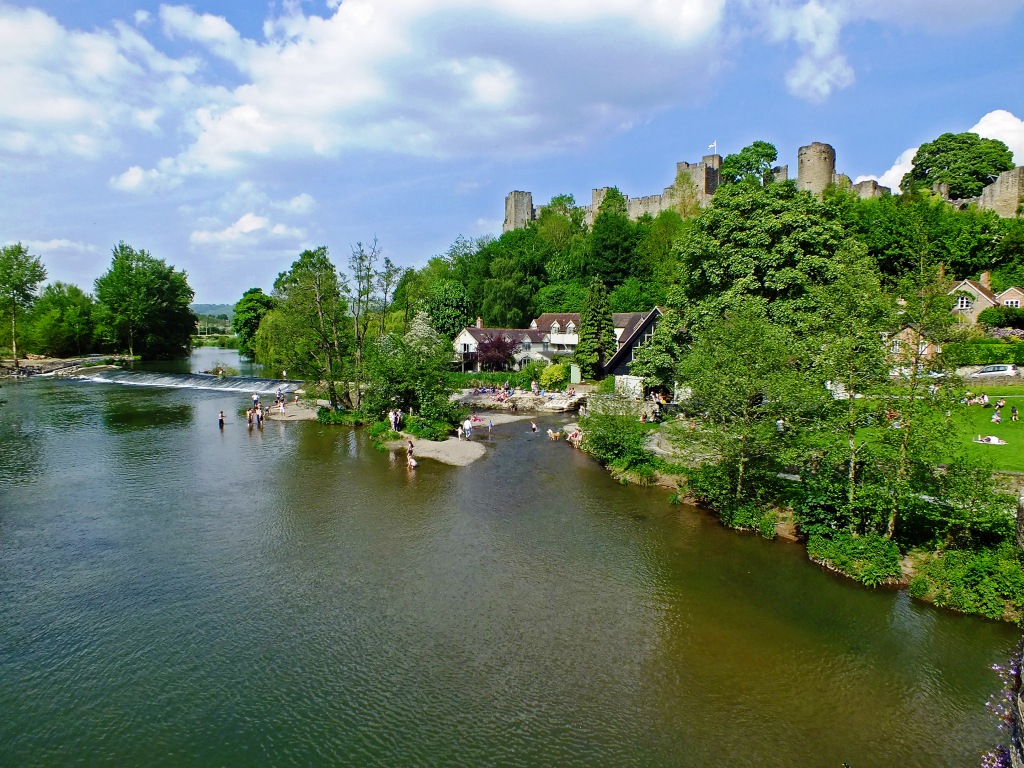
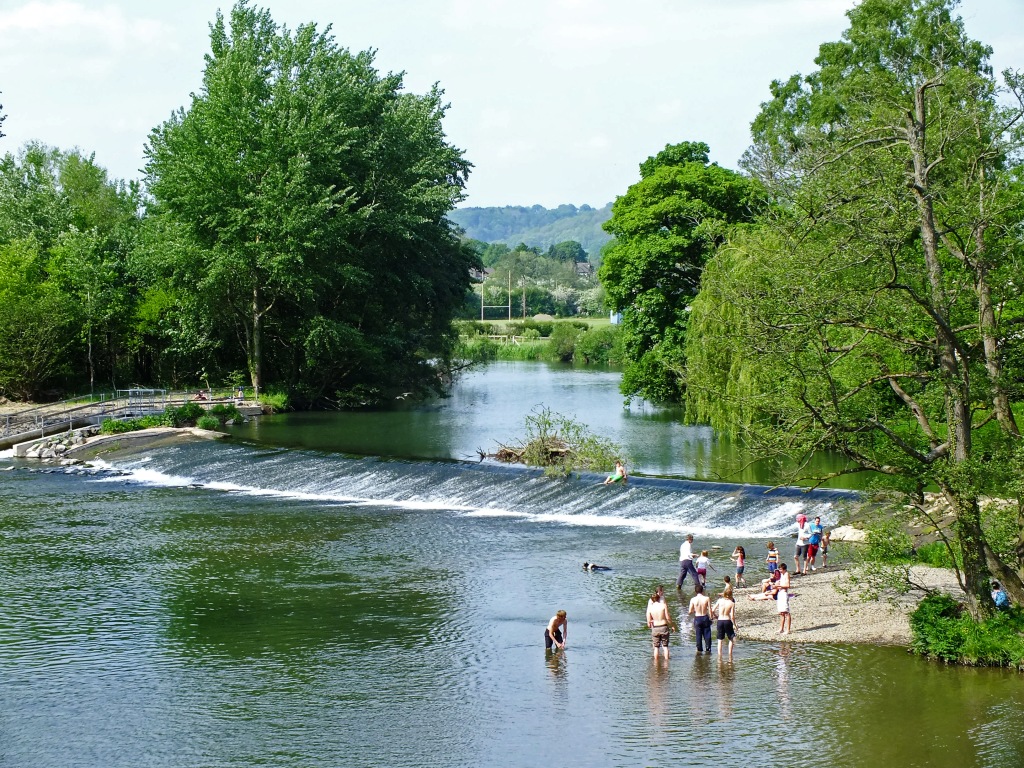
Most walks in and around Ludlow begin with crossing a bridge. This time Dinham, with a glance at ‘Ludlow Beach’, as locals name the area on the Teme where it is often safe to paddle. Repairs are being made to the weir (including a by-pass to allow salmon moving 50 miles upstream to spawn an easier way through the river ) has meant changes to the ‘beach’ too. And today there are many more youths than usual. It is a hot day, though they are a bit big to swim in the extremely shallow waters – amazing to think how high the water level was only a couple of months ago.
 Instead of heading left along the Bread Walk or ahead up the Donkey Steps onto Whitcliffe Common, today we are continuing along the road towards Priors Halton. The road ends at Priors Halton farm, but you can continue on foot or bicycle to Lady Halton or Oakly Park and even Bromfield where you will find Ludlow Food Centre, a café and restaurant.
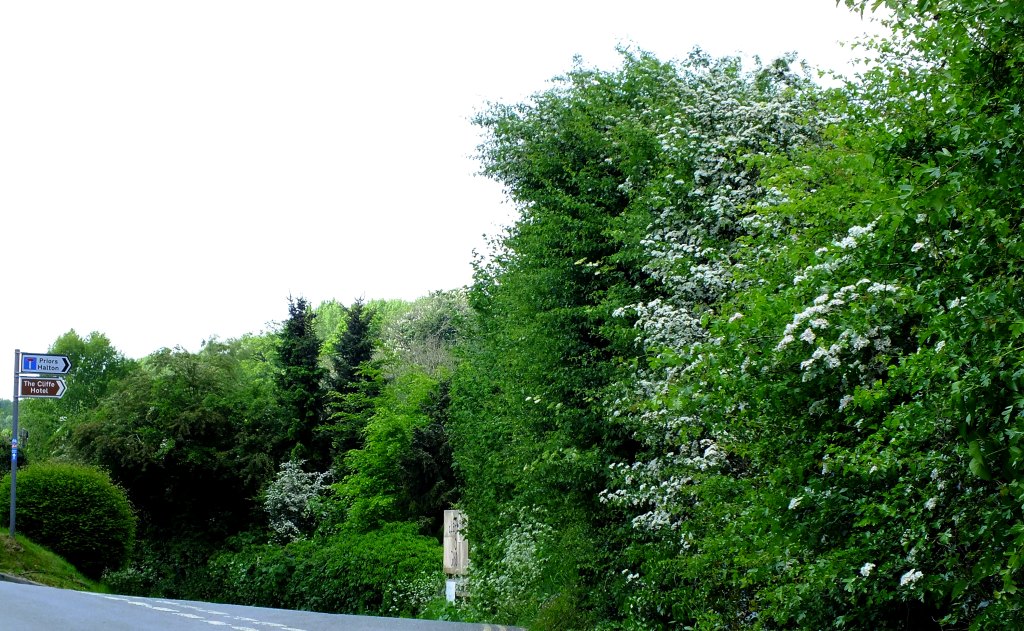
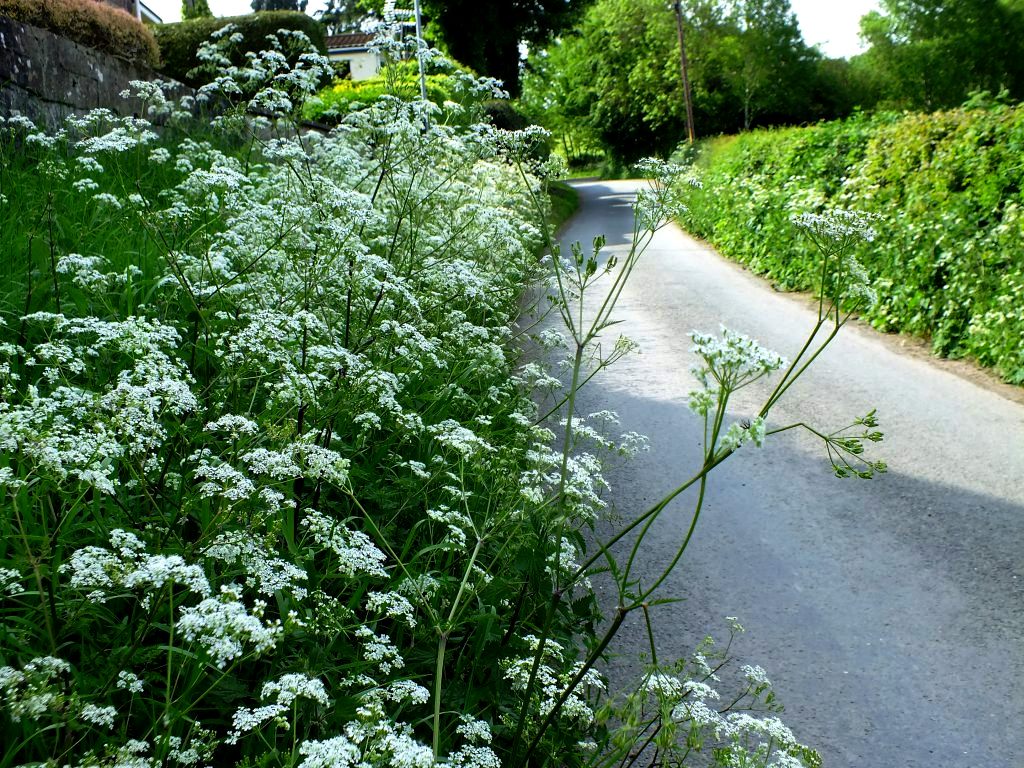
Lots of wild flowers in the hedgerow hidden amongst the clouds of cow parsley and May trees are flowering.


Look back and you’ll be rewarded with a dramatic view of the castle in its commanding position, chosen by Norman builder, Roger de Lacy in 1085.
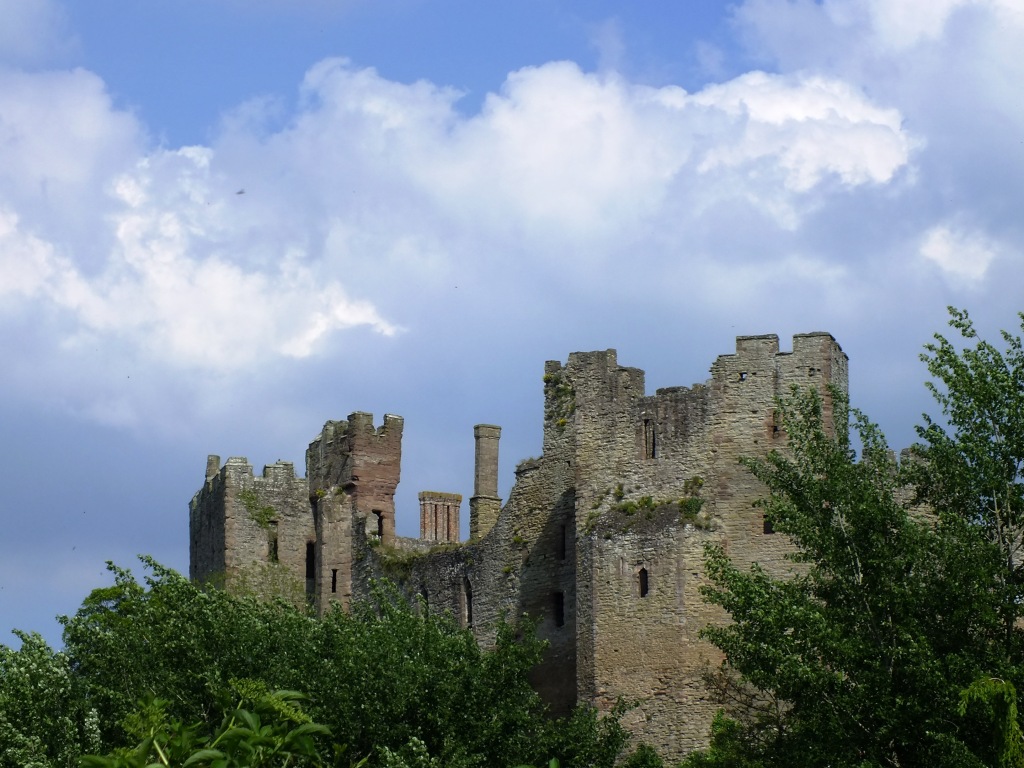
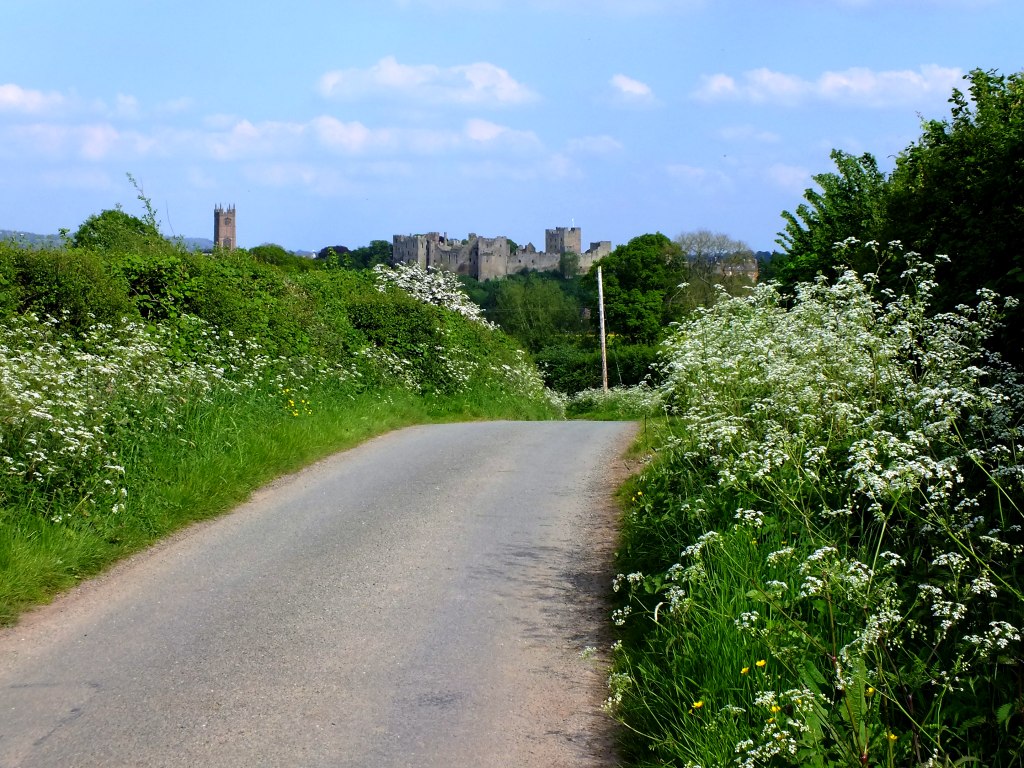
It’s amazing that only half a mile away from the town you feel deep in the heart of English countryside. The only sound is that of birds…


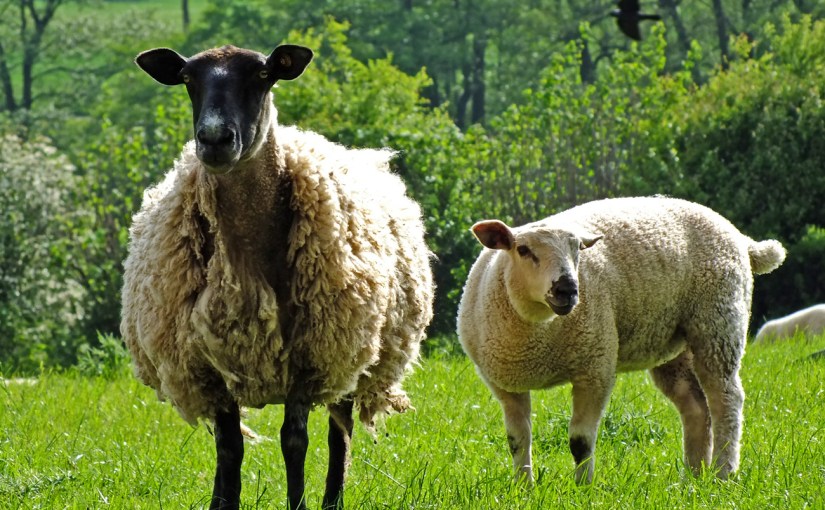
and sheep bleating…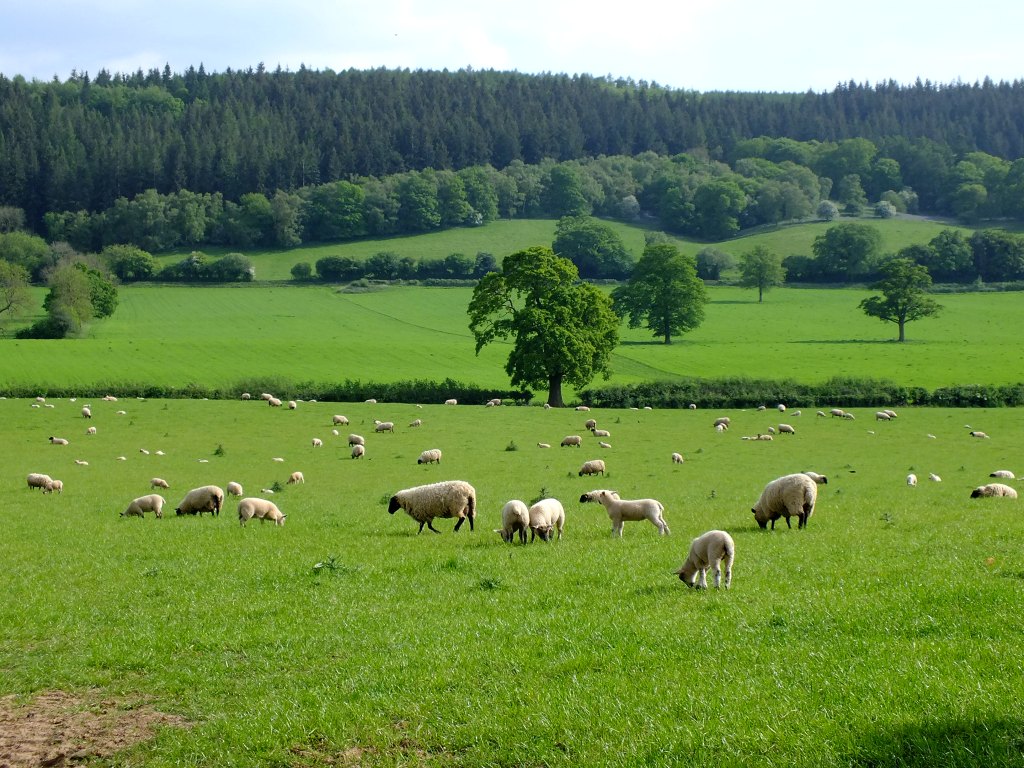
At the farm we decided to return to Ludlow via one of the public footpaths, thus shortening the walk to around 3 miles instead of a 5 mile loop.
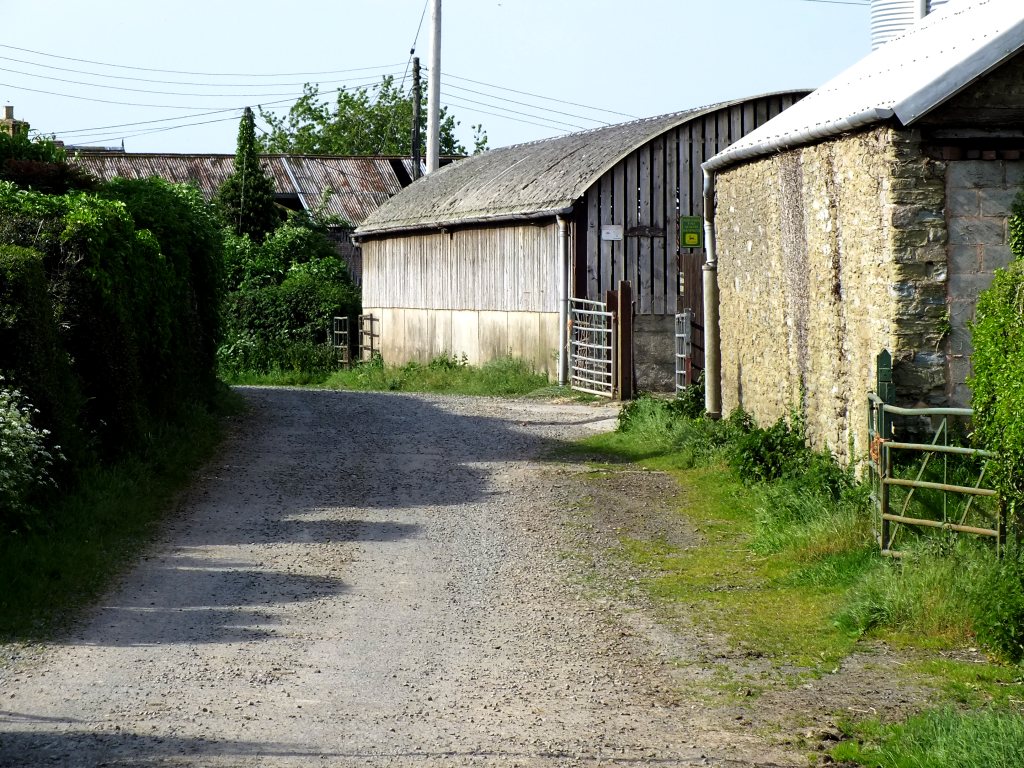
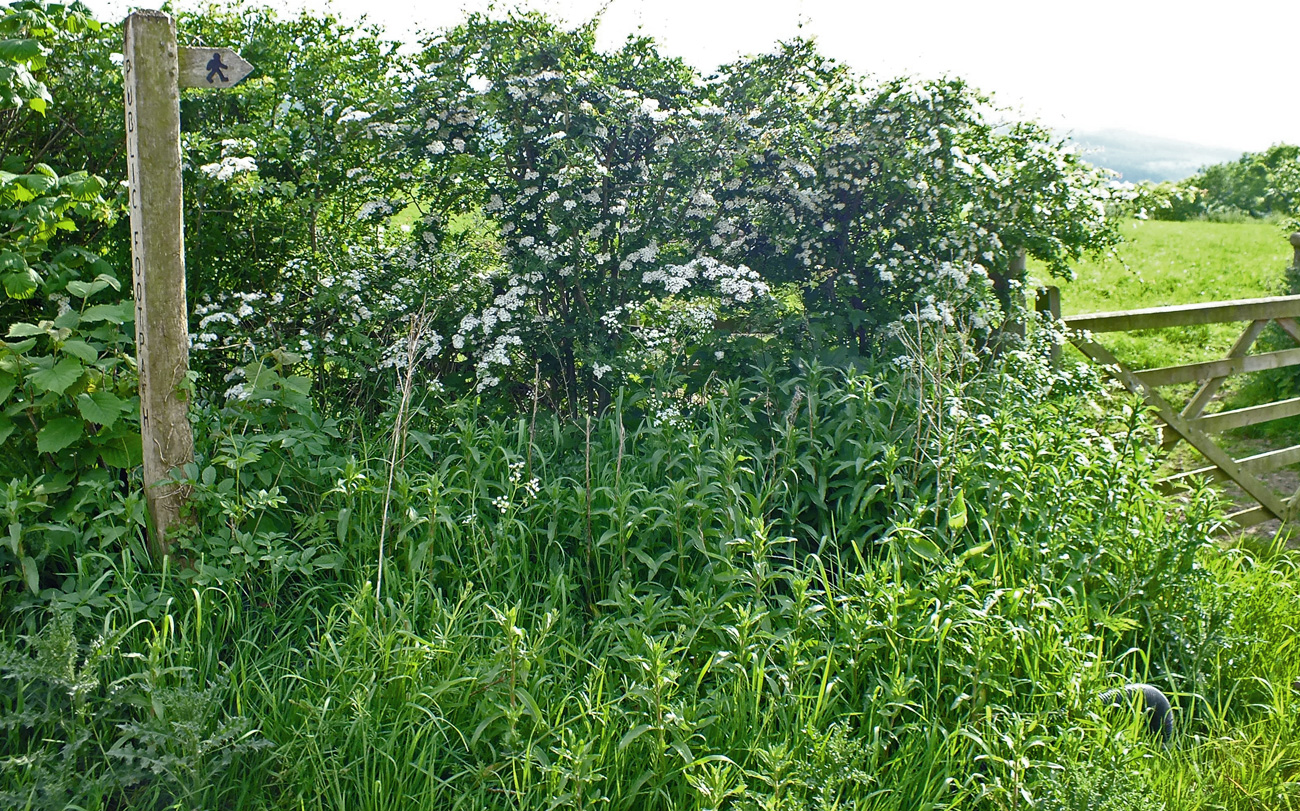
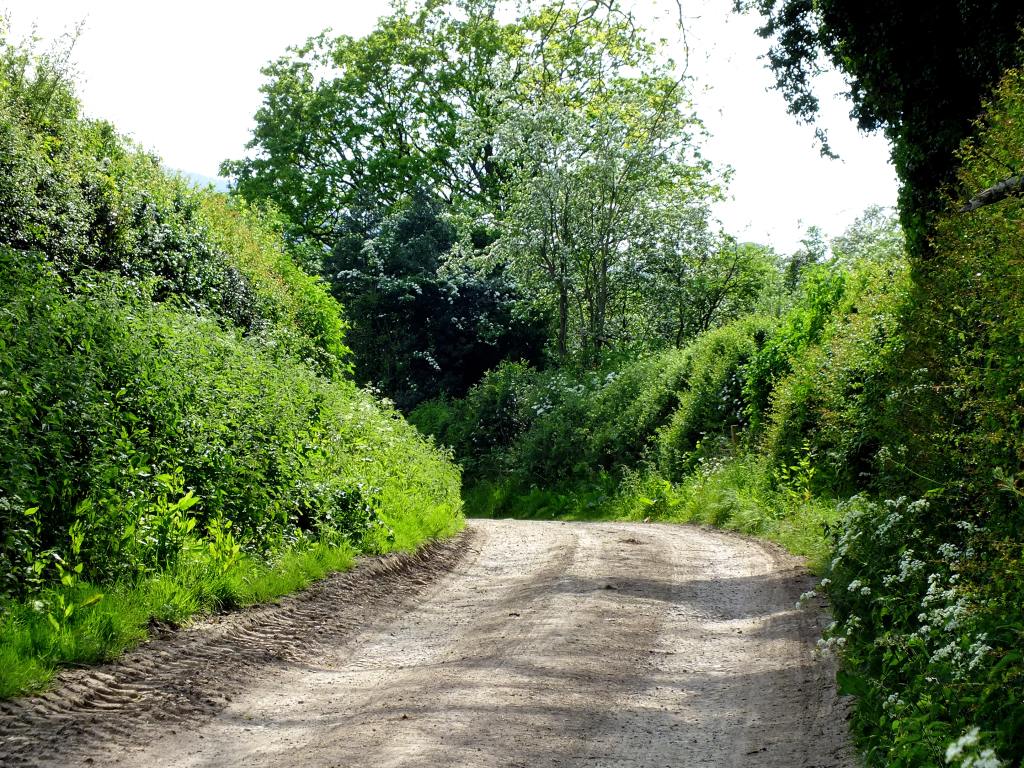
A public footpath which during this dry weather, is easy to walk on. This is not always the case as, unlike the lane, this route is unpaved and gets very churned up and muddy.


Another public footpath leads to Lady Halton alongside the farmer’s field, but we’ll continue along this track today, heading towards Mortimer Forest. It is slightly uphill but a gentle climb.
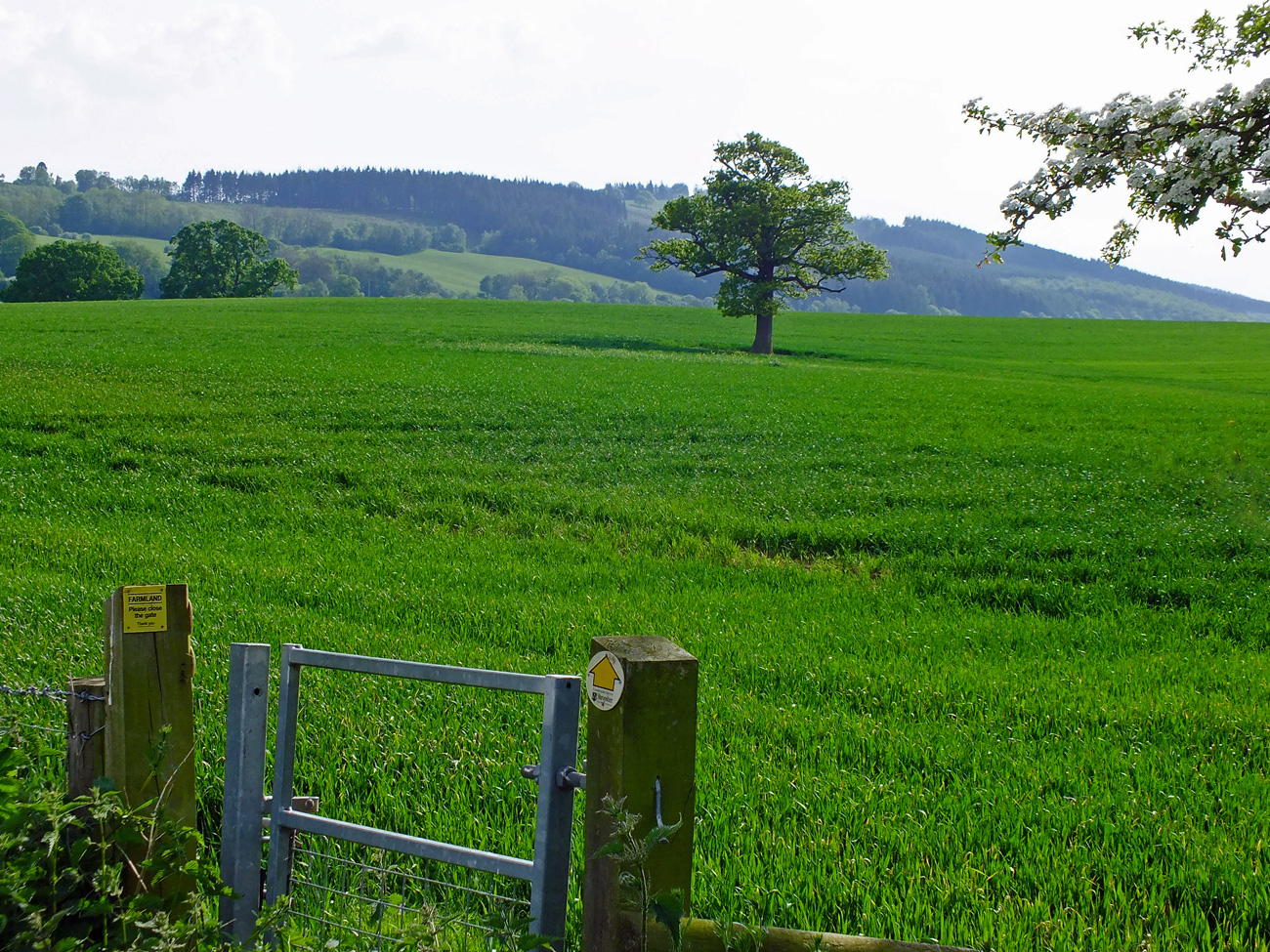
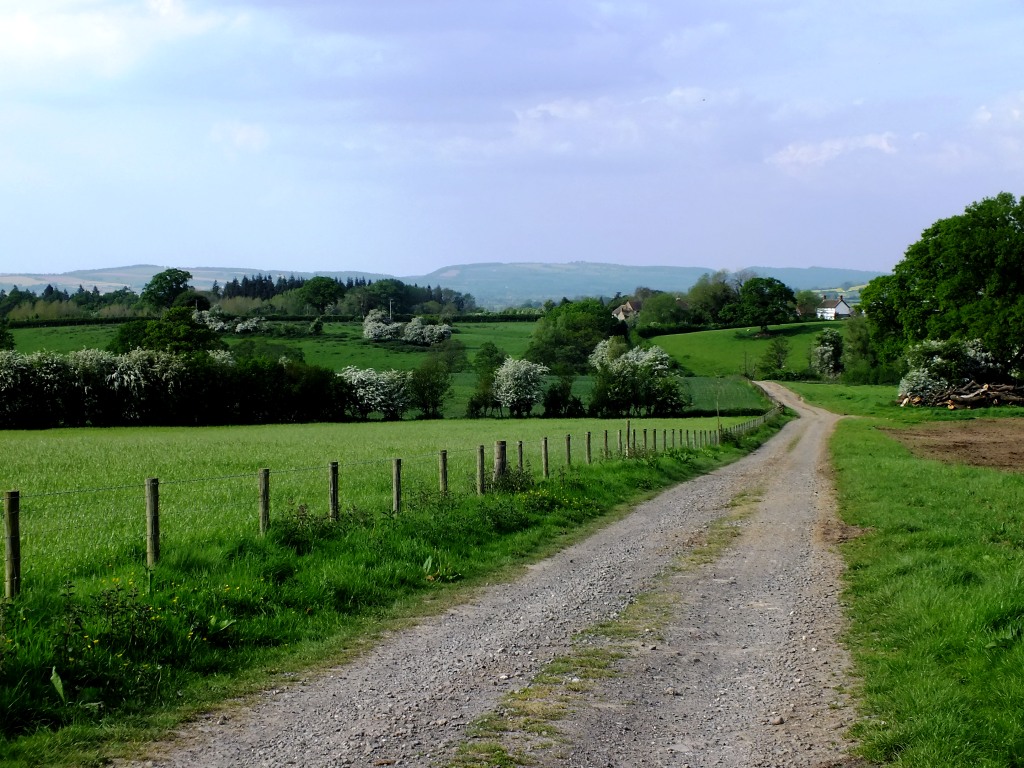
The views are good now that we are out of the high hedgerows. Look back towards Priors Halton and you can see the farmhouse and also the south Shropshire hills in the background.
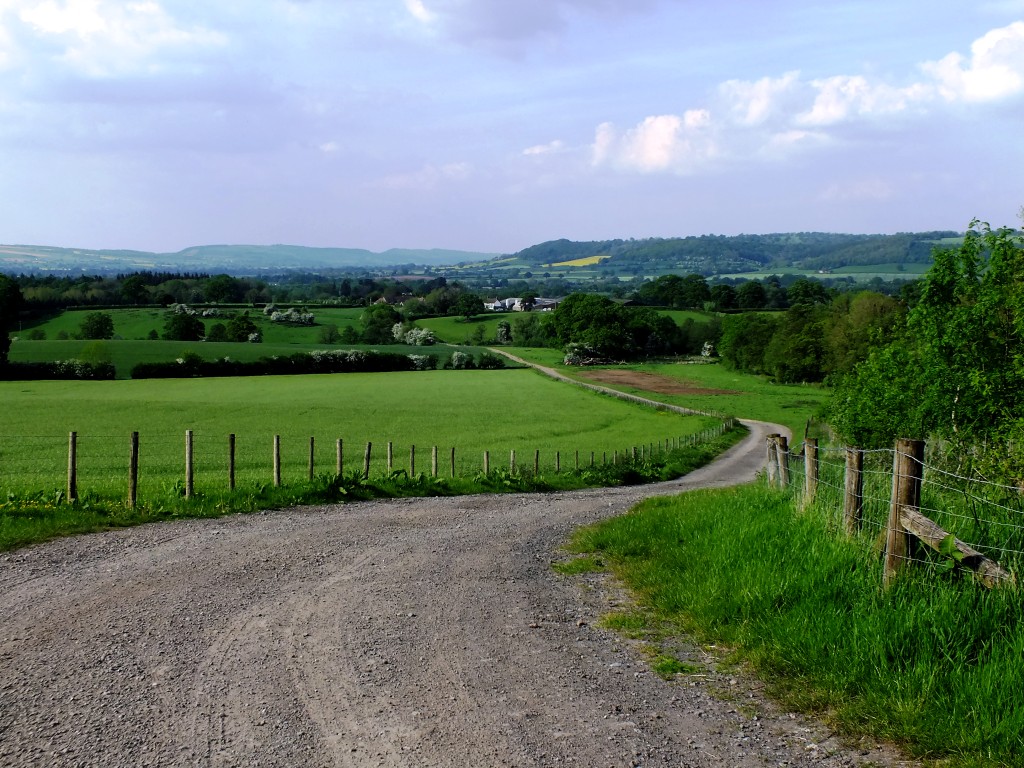
We reach Middle Wood Road and turn left back to Ludlow.
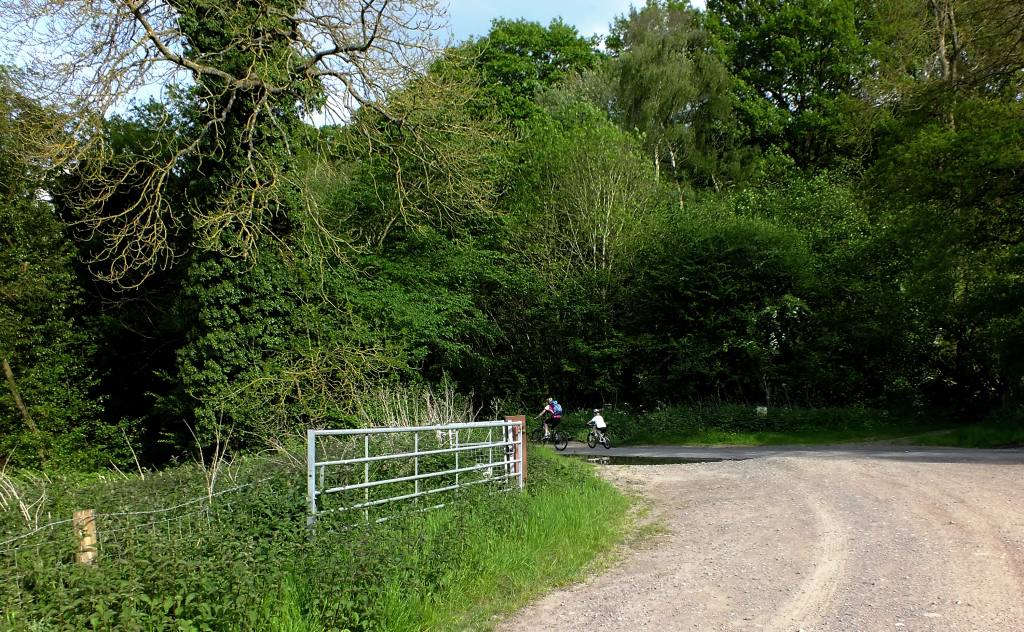 Watch out for speeding cyclists!
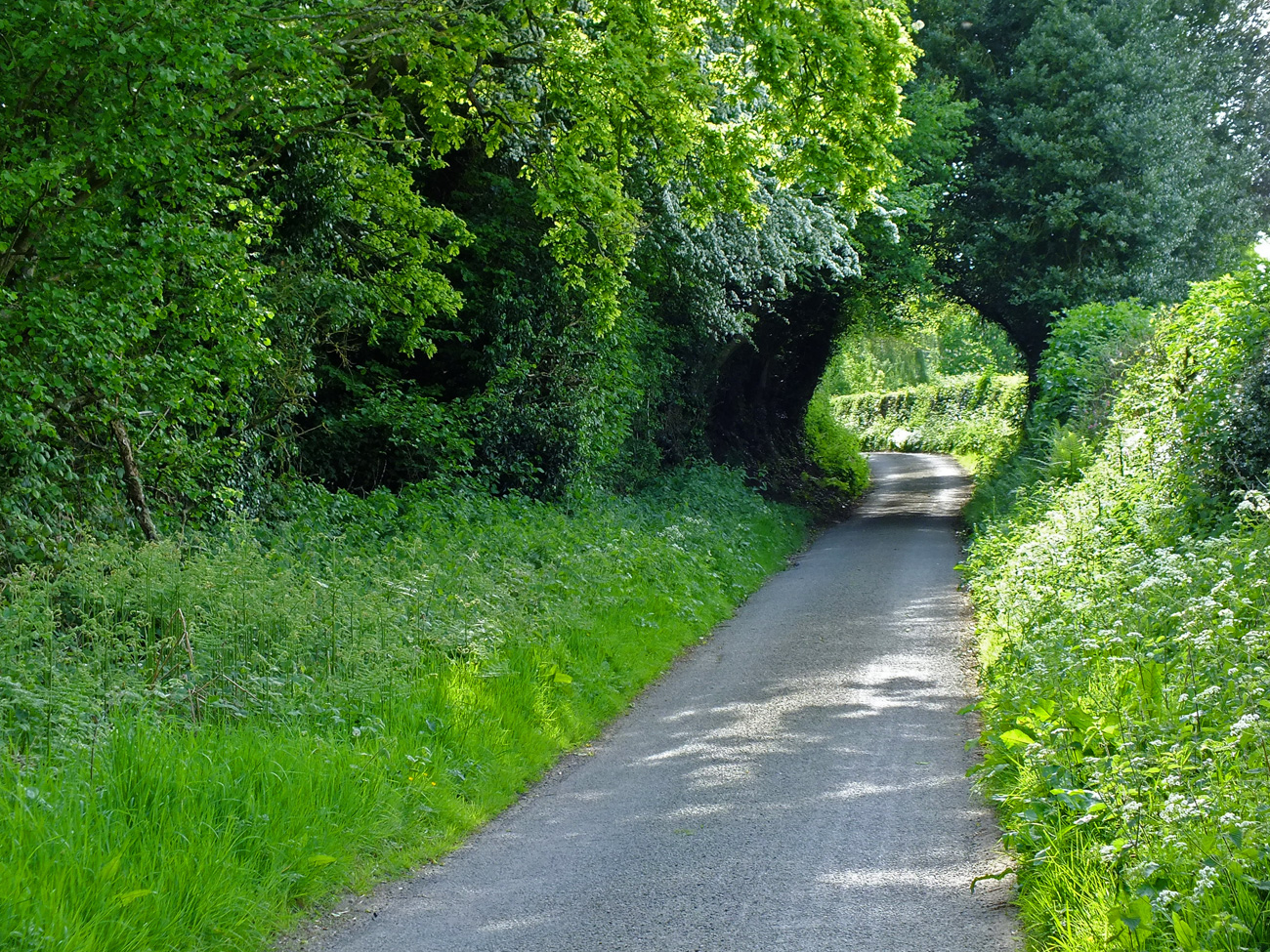
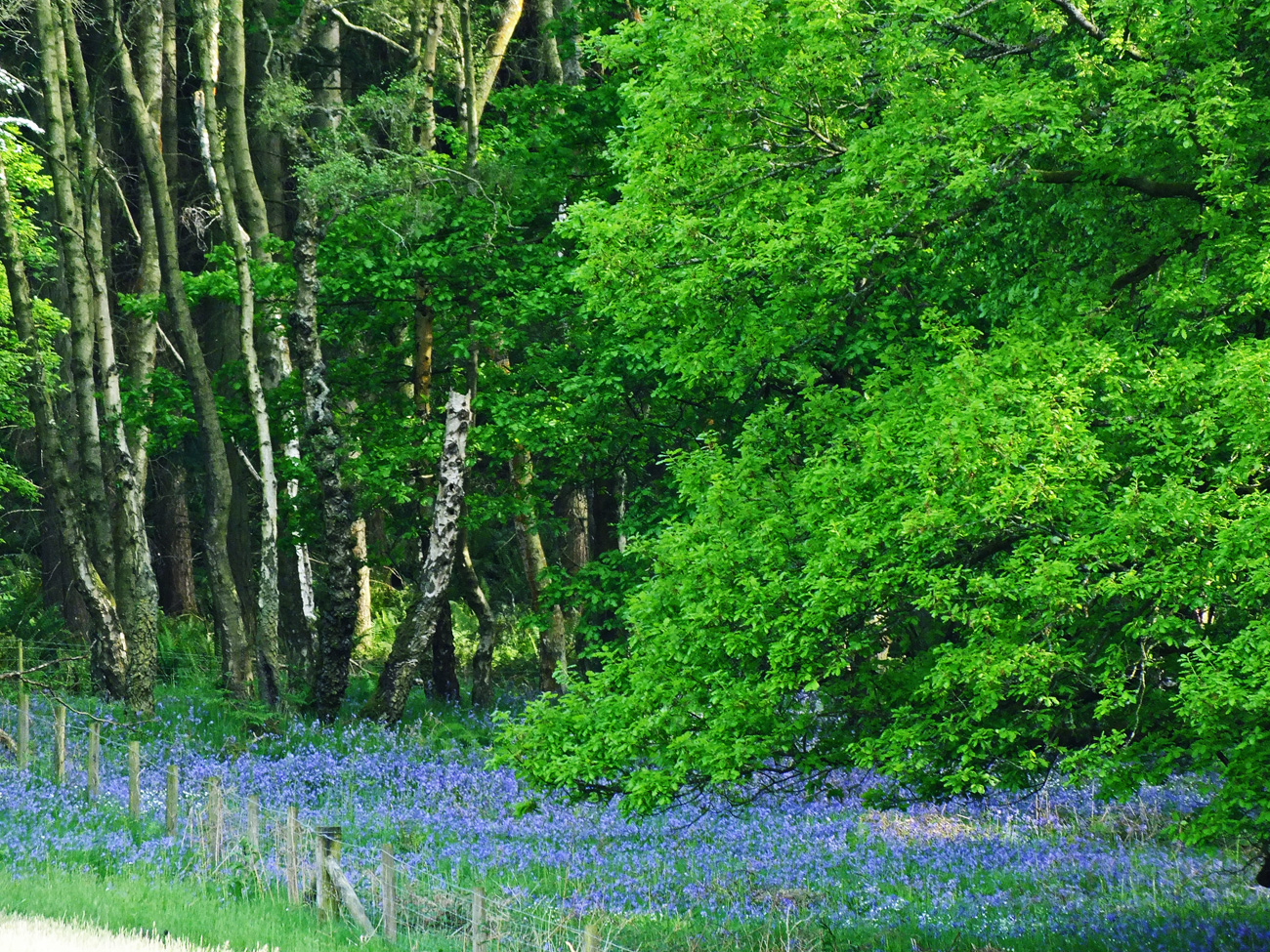
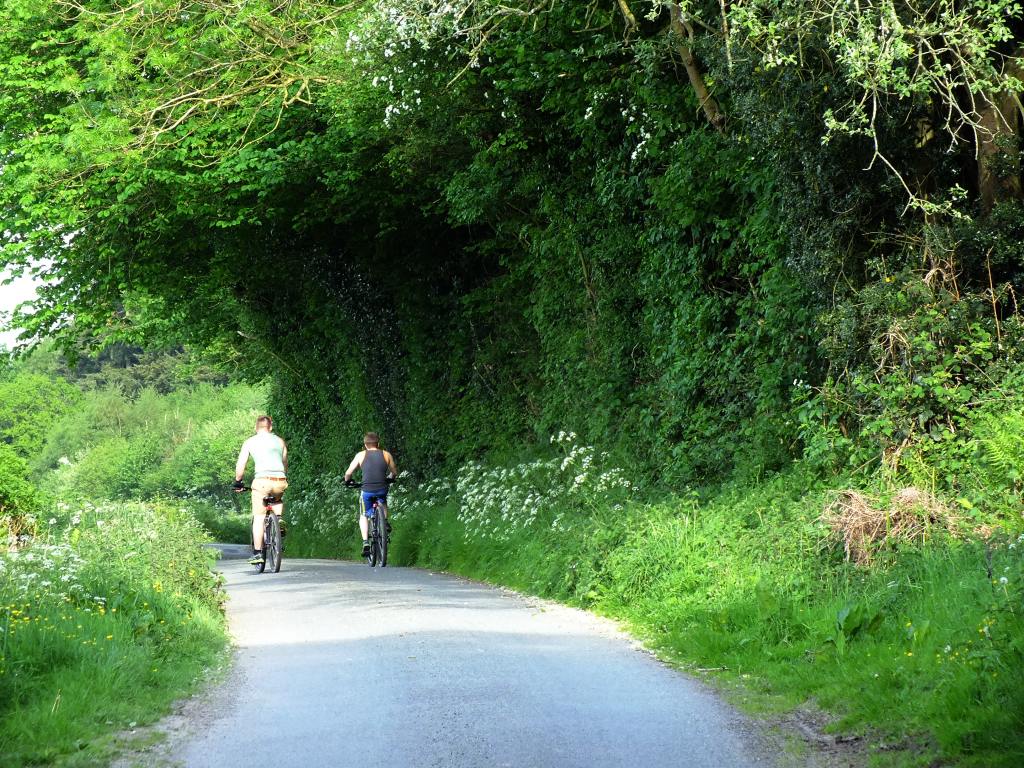
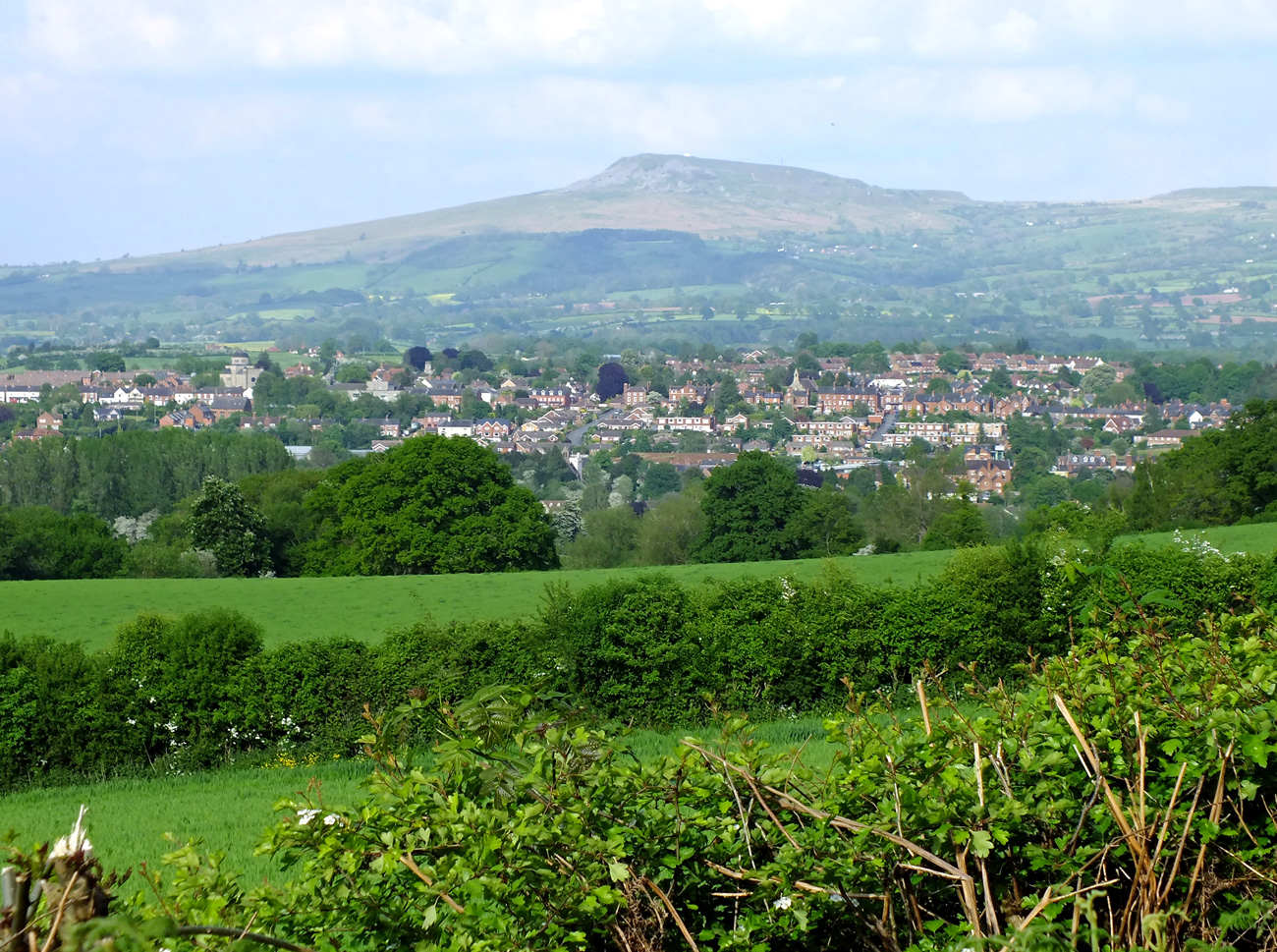
It is lovely and shady along this road as we walk along the edge of the woodland. Ludlow can be seen in the distance, crouching beneath Titterstone Clee Hill, which is about seven miles distant.
And we are accompanied by orange-tipped butterflies flitting along the hedge, but never stopping for a photograph. Bluebells can be spotted up in the woodland, cow parsley appears again
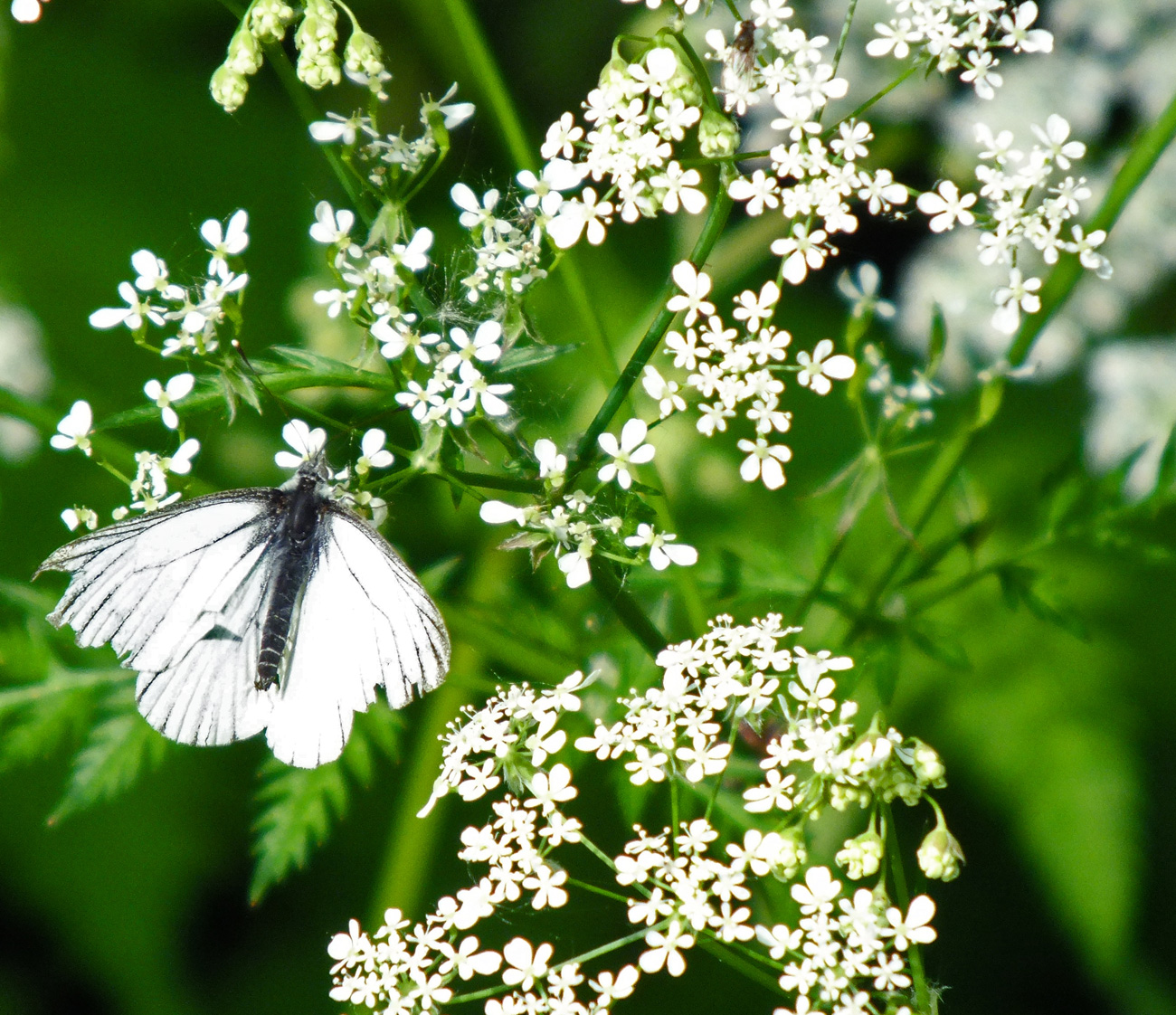
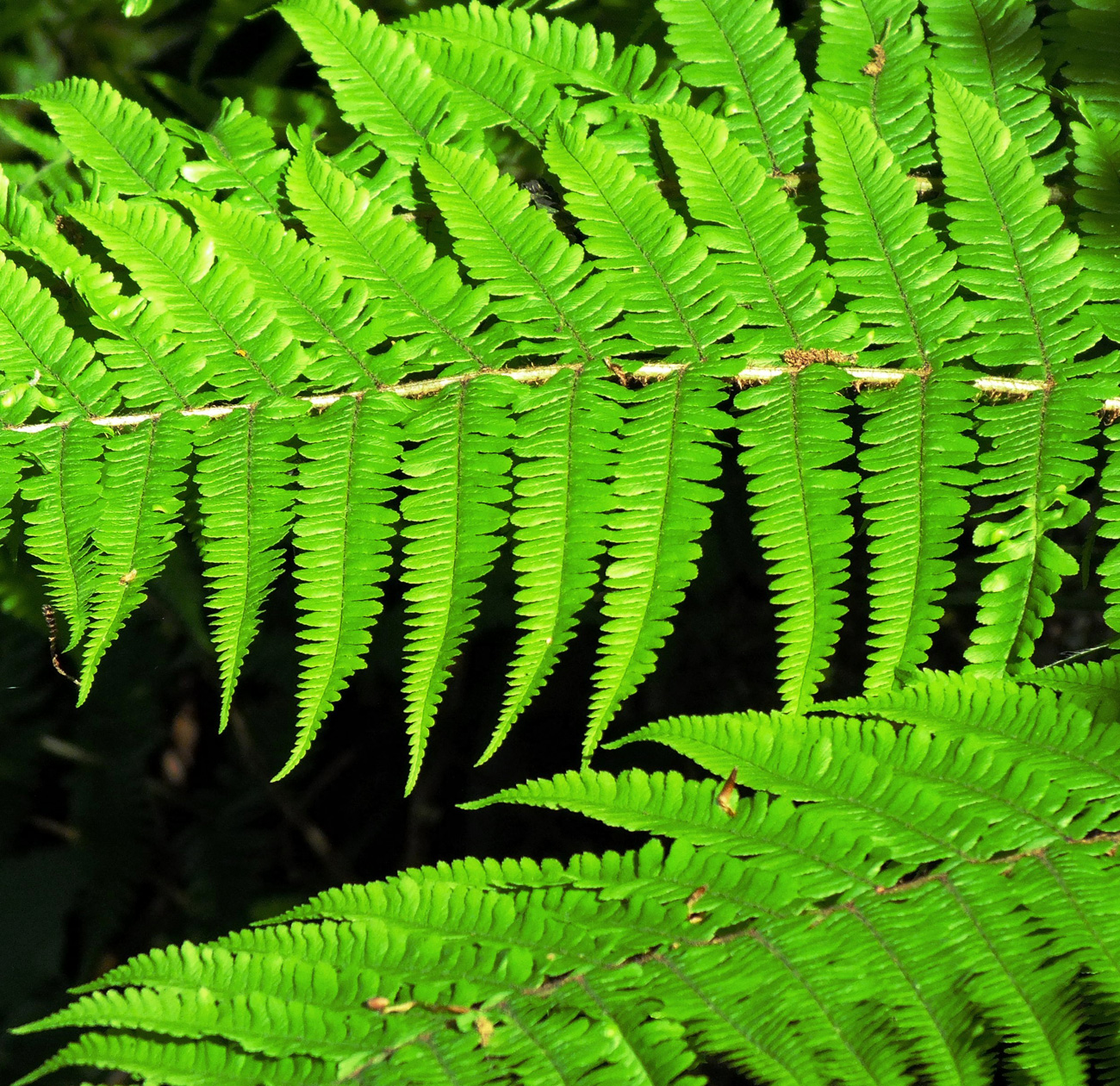
and we did get a shot of this little fellow, who may be a Wood White butterfly and some lovely new ferns.
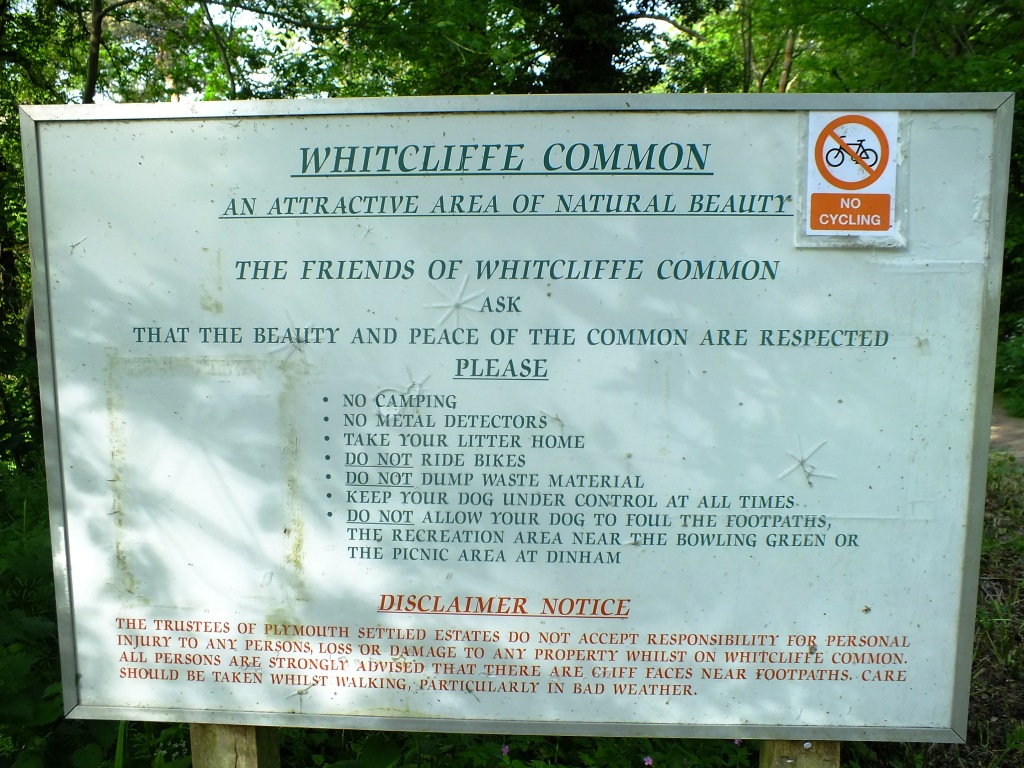
Finally we reach Lower Road and Whitcliffe Common, where we found a bench to rest and enjoy the view of Ludow and the castle where a couple are enjoying their view from the bench next to the archway, which I mentioned on my Castle Walk.
If you enjoy a walk, short or long, then you may enjoy visiting Jo’s Monday Walk where you are in for a treat.

Event Type: General Blogging
Start Date: Tuesdays, recurring weekly
Description: Every Tuesday I offer the “A to Z challenge”, walking step by step through the alphabet.
If you would like to join in then please click here

The Ursuline Monastery in Solvenia’s young capital, Ljubljana and the Holy Trinity Parish Church was commissioned by Jakob Schell von Schellenburg, a wealthy local merchant and financier, and his wife Ana Katarina. During the construction of the Trg republike square, the Monastery underwent a thorough reconstruction and its garden was completely destroyed.
Its undulating façade enhanced by semi-columns and a characteristic gable inspired by the famous Roman architect Francesco Borromini make it one of Ljubljana’s most beautiful and extraordinary example of Baroque architecture.

In front is the Holy Trinity Column erected in 1693 as a thanks offering for the city having been spared from the plague.
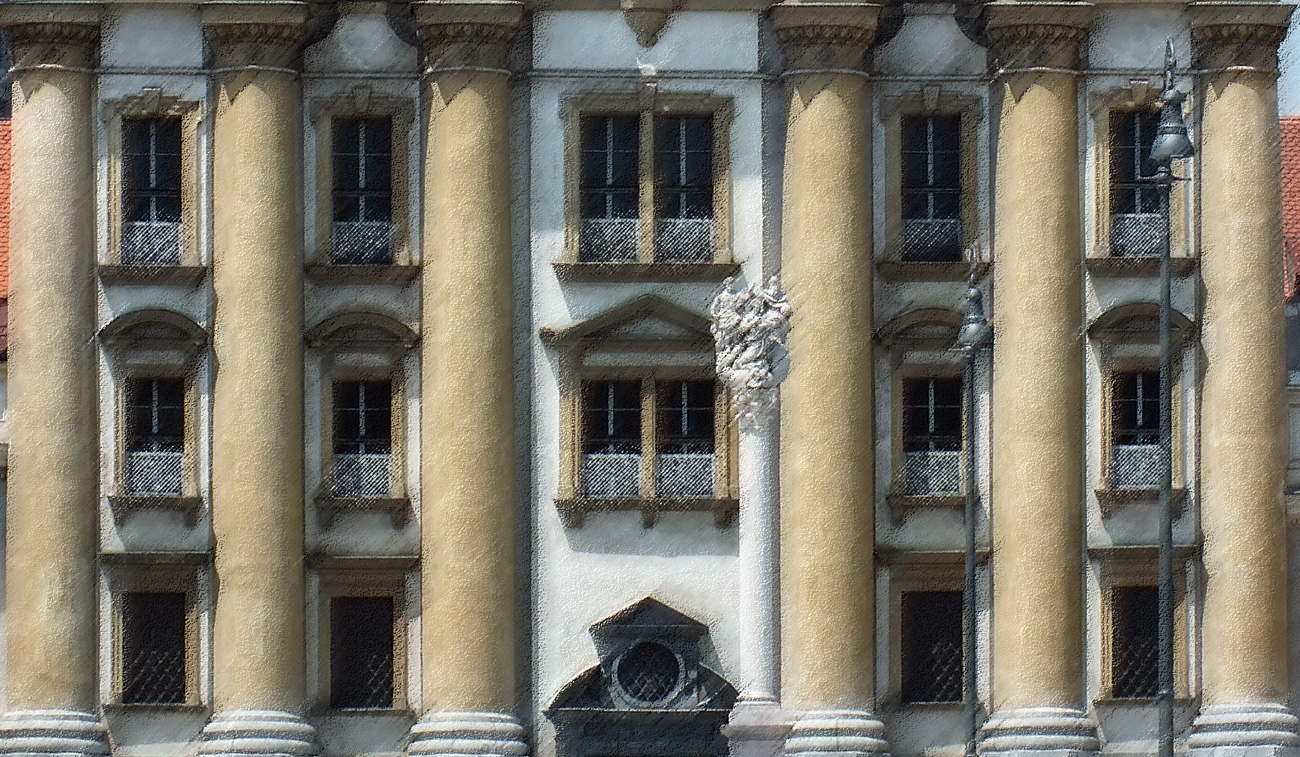 and given the number of windows in this beautiful building I am linking this to Dawn’s Lingering Windows Challenge.
Wednesday afternoon found me on top of the Vinnalls Loop in Mortimer Forest not very far from where I live. Having exhausted local walks I thought it was time I returned to this spot where you have panoramic views over Shropshire, Herefordshire, Worcestershire and Wales. It is a stiff climb up though!

But what a view!

Lisa of the blog NorthWest Frame of Mind has decided to run a different project over the next 24 weeks. To try to show what is happening in different parts of the world (if you all join in) at a particular time of day.
If you would like to participate you have until next Saturday midnight to post a photo or write about what is happening in your part of the world between 15:00 – 16:00 this week. I hope you’ll join in! See links for more details.