I have lived in the UK for most of my life, but when young I definitely had wanderlust and even ended up living in South Africa for several years which was a wonderful experience. I now look forward to a long and leisurely retirement doing what I like most - gardening, photography, walking and travelling.
Every week Sue from ‘A Word in Your Ear’ dips into her English Oxford dictionary and picks a word on the page that it falls open at. The challenge is to post a photograph, poem, story – whatever the genre you like best to describe what that word means to you.
Yellow is an unusual colour for houses to be painted, but here in Ludlow there are two. Both timber-framed buildings with the frames revealed.
Above: The Ribble Viaduct. It is the longest and most famous viaduct on the Settle-Carlisle Railway, a railway line passing through some spectacular British scenery. The viaduct is curved, and so may be seen by passengers on the train.
(click on an image to enlarge it and get more information)
It seemed fitting for my 100th post on this blog to write about an historical event, one with far more importance though…
It is a date that every English child will know sooner or later. The year 1066, when King Harold was shot in the eye by an arrow and died on the battlefields at Hastings. The most famous battle fought on English soil and the last successful invasion of this country. Continue reading Just Back From… 1066
Cheri’s first post of the year is about Beginning. She wants to see what we see through our lenses.
As someone who divides the year into seasons I see the beginning as spring, when nature awakes from the cold of the winter and new life appears. Snowdrops are usually the first flowers to raise their heads above the frozen ground, so it is an obvious choice for me to choose the common snowdrop or Galanthus nivalis.
If you would like to see what others have come up with for this challenge then go to the Daily Post @ WordPress Weekly Photo Challenge
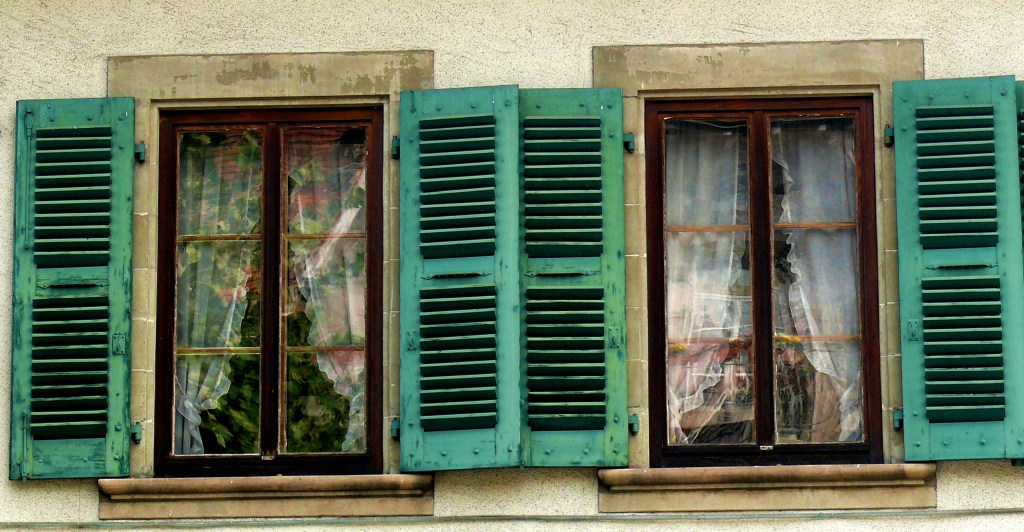
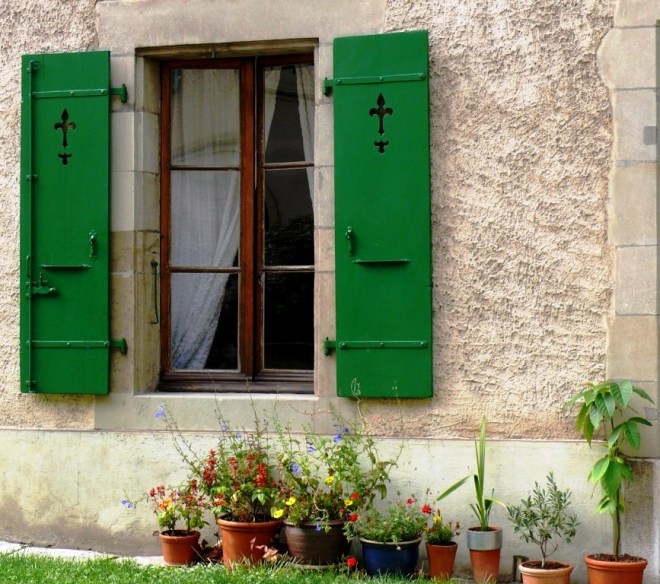
This weekly challenge is hosted by Dawn from‘The Day After’who invites participants to post pictures of any windows that they find curious, inviting, photogenic, or in some way tell a story.
“Summoned by Bells”, by John Betjeman
Down the drive,
Under the early yellow leaves of oaks;
One lodge is Tudor, one in Indian style.
The bridge, the waterfall, the Temple Pool
And there they burst on us, the onion domes,
Chajjahs and chattris made of amber stone:
‘Home of the Oaks’, exotic Sezincote.
Sezincote (pronounced seas in coat) is a British estate, located in Gloucestershire, England. It was designed by Samuel Pepys Cockerell in 1805, and is a notable example of Neo-Mughal architecture, a 19th-century reinterpretation of 16th and 17th-century architecture from the Mughal Empire. At the time of its construction, British India was becoming the “jewel in the crown” of the world’s largest empire….Wikipedia
It was also the inspiration for the Brighton Pavilion.
This extraordinary Indian house set in the Cotswolds hills has a central dome, minarets, peacock-tail windows, jail-work railings and pavilions. The main photo above shows the curving Orangery which frames the Persian Garden of Paradise with a fountain and canals. A more in depth post about the gardens is on my flower blog: Earth Laughs in Flowers