Orangery at Trelissick

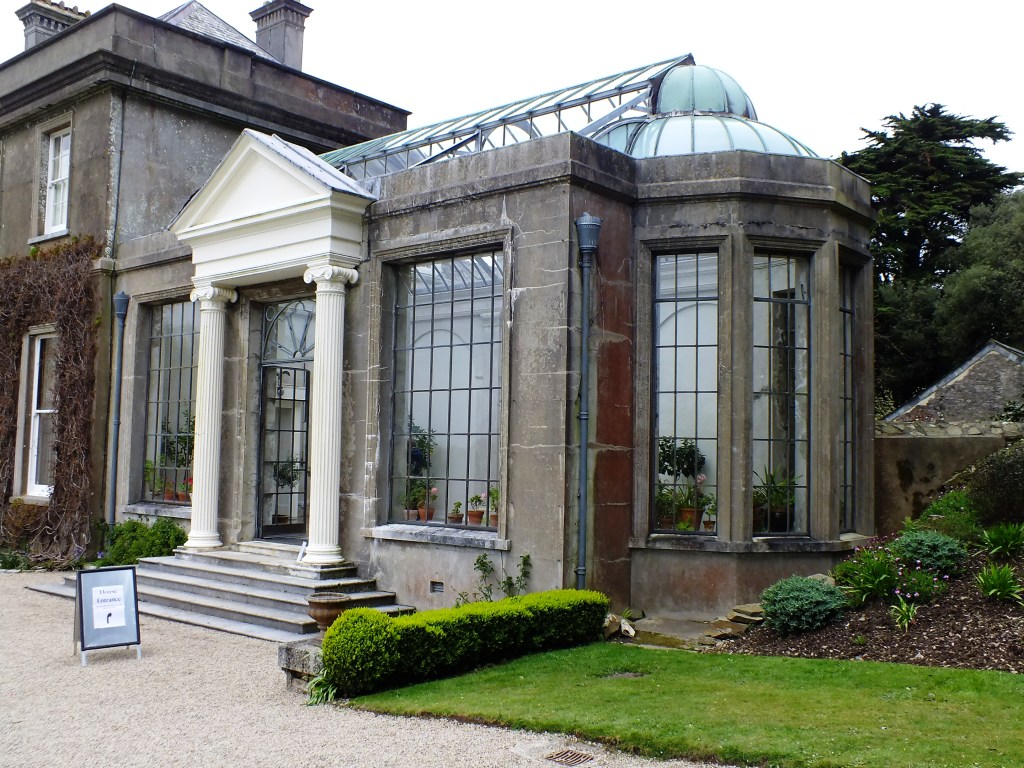
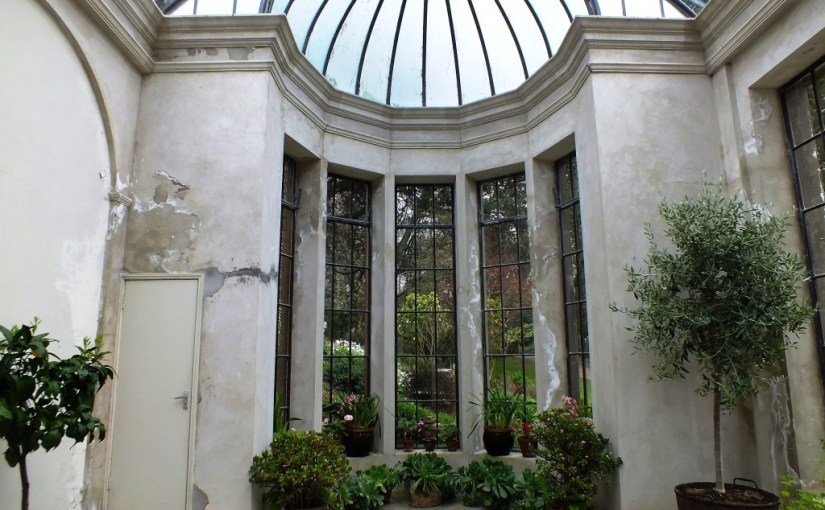
Wandering around Trelissick Gardens (Cornwall)  in the springtime I came across the house (now open to the public) and this fabulous orangery. Those of you who follow my Earth Laughs in Flowers blog know how much I love flowers and glasshouses – my dream house would have an orangery. Sadly that is not likely to happen as I don’t have the cash for such an addition. Still I can dream. And in the meantime I can drool over buildings such as this. Just look at that stone mullioned full-length bay window and leaded panes.

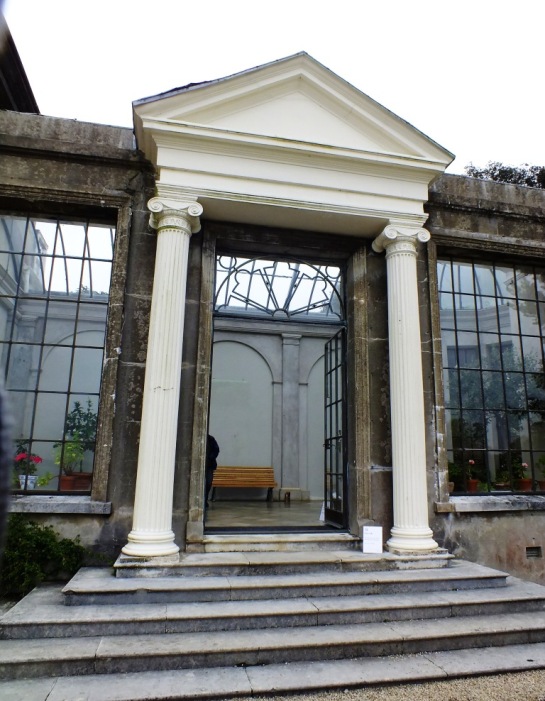
DSCF4823And ornate entrance with Ionic columns and their beautiful scrolled capitals

DSCF4840

Is it not a pure delight?

Welcome to Gourmetville

It’s that time of the year again…

…when people from miles around converge on this beautiful little Medieval market town for the Ludlow Food Festival. They come to attend numerous workshops and tastings, visit local producers, hit the sausage trail or try the pudding tastings, listen to top chefs deliver talks and demonstrations in the castle grounds or learn knife skills and attend Egyptian Masterclasses. This town of 10,000 people will double its population over the coming weekend.

On Sunday there will be a Local Producers’ Market with over 40 small, local food and drink exhibitors on the Market Square.

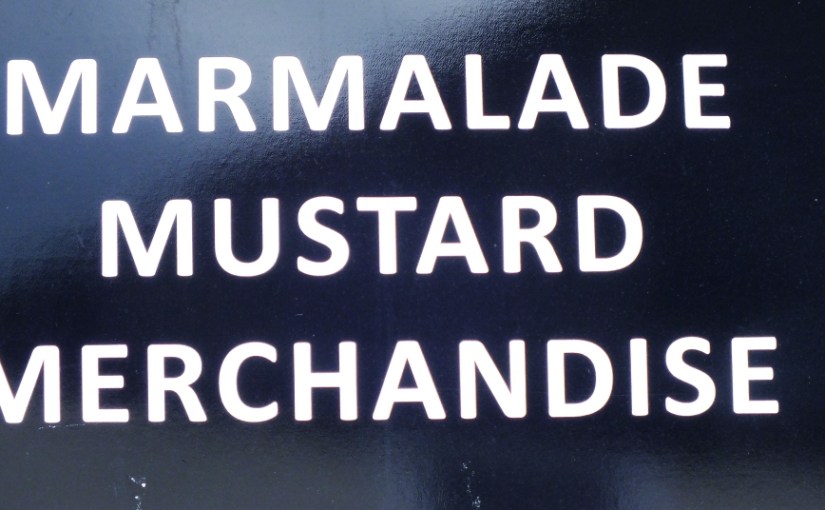
And, as usual, there is a Window Dressing Competition. So I took the camera around the town today (before the hoards arrive) to see what merchandise I could find.

DSCF3004

What kind of festival do you like to attend?

Cathedral of the Weald

DSCF2143

If you read about my recent visit to the delightful Weald town of Cranbrook you will have seen my reference to St Dunstan’s church which is known as the ‘Cathedral of the Weald’. Wealth from the cloth industry enabled successive enlargements of the medieval church in the 15th and 16th century.

This delightful church is well worth a more detailed look around, so let’s go inside.

DSCF2134

Around the church are information panels providing details about particular interesting objects within.

The Font

DSCF2077

This font is Victorian from 1852, and example of early Victorian Gothic and made of Caen stone. The white marble carved figure behind commemorates Thomas Webster, an artist, and the Alexander Window above was installed by Col Alexander in memory of his wife and three children.

 The Green Man

DSCF2084

Although of pagan origin it is not unusual to find carvings of the Green Man inside a Christian church, even Canterbury Cathedral has 80 of them. When this church was built Cranbrook was surrounded by dense forest – the Weald. Four circular oak shields depicting these fierce-looking woodland spirits can be found here.

The church contains some splendid stained-glass windows

DSCF2112

The St Thomas Chapel

DSCF2126

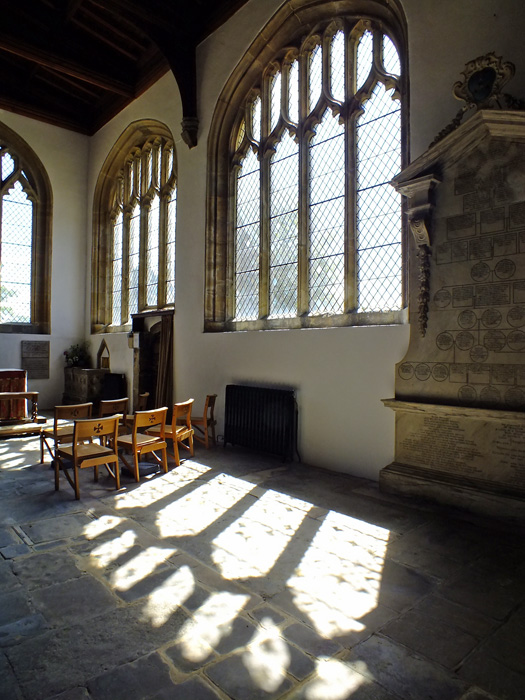
This beautiful serene corner of the church is named after St Thoma a Beckett, who by the 15th century had replaced St Dunstan as England’s most popular saint. I loved the light flooding through the clear leaded windows.

The South Porch

This porch was built around 1390. The wooden door added in 1569 at a cost of 17 shillings and 7 pence (£2k today). On the ceiling is a stone-carved Green Man.

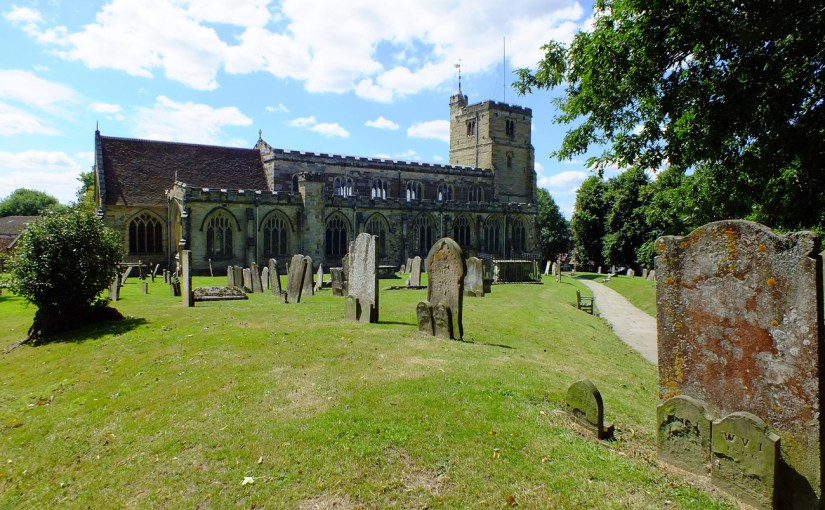
And a final look at the church surrounded by the old graveyard with interesting headstones.

If your interest is windows then Dawn from ‘The Day After’  invites participants to post pictures of any windows that  they find curious, inviting, photogenic, or in some way tell a story.

New Abbey Buildings

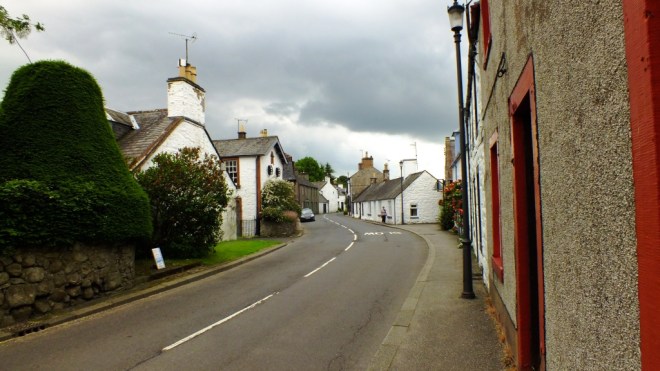
Although the main reason for visiting New Abbey was the delightful Sweetheart Abbey, we also took a stroll along the main street to the Corn Mill at the bottom. There are some interesting houses and windows that I thought I’d share with you.
DSCF0330

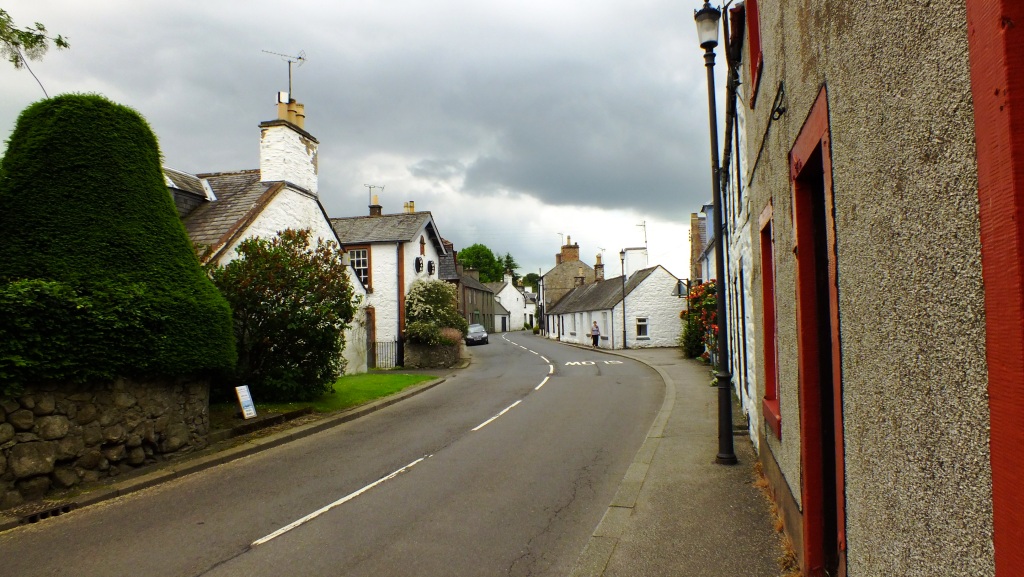
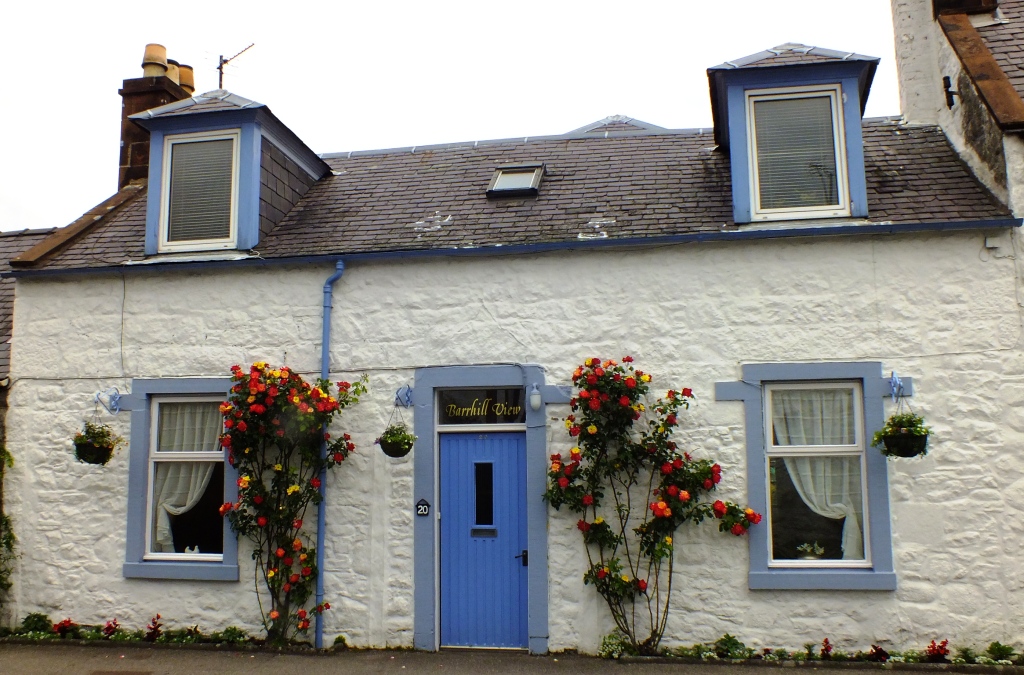
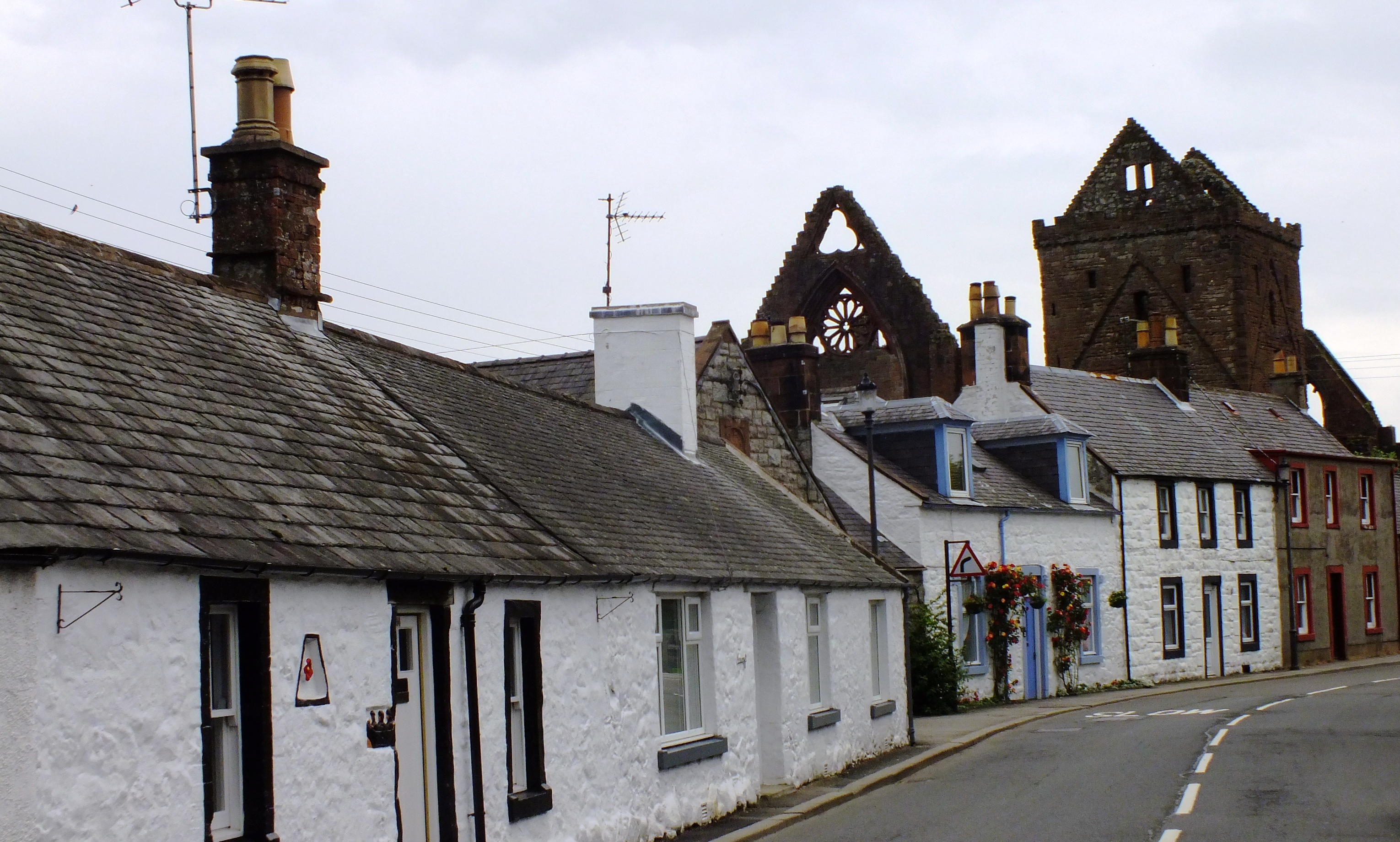
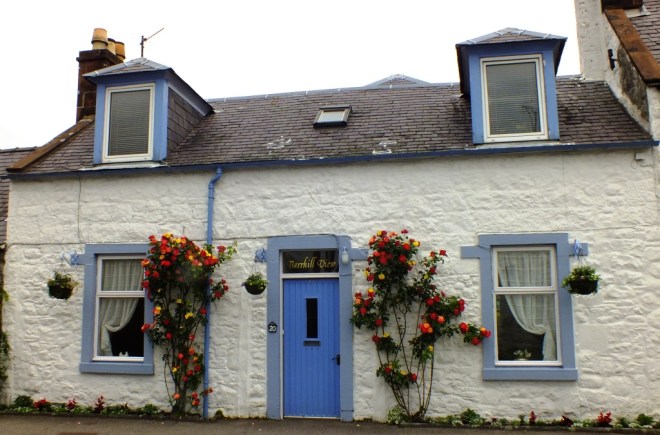
From the carpark at the Sweetheart Abbey head back to the road and turn right through the village down to the working Corn Mill. Pass several single-storey rubble-stone, whitewashed cottages like this pretty blue-painted framed openings with roses around the door.
DSCF0332

Rosewall

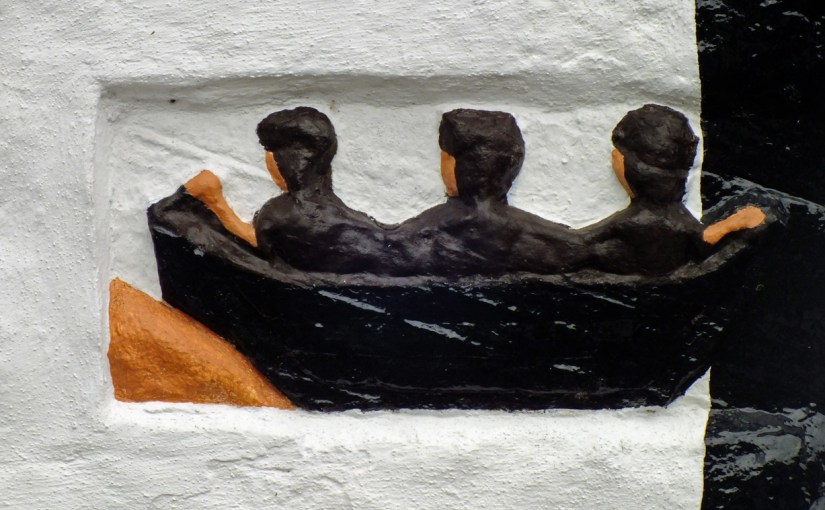
Mid/late 18th century. Single storey 3-bay cottage with central door and 2 carved stones incorporated. Carved stones represent a) 3 men in a boat, b) rose motif in incomplete pediment.

The Port House

Probably late 16th/17th century, but heightened late in 18th or in first quarter of 19th century, and openings altered.

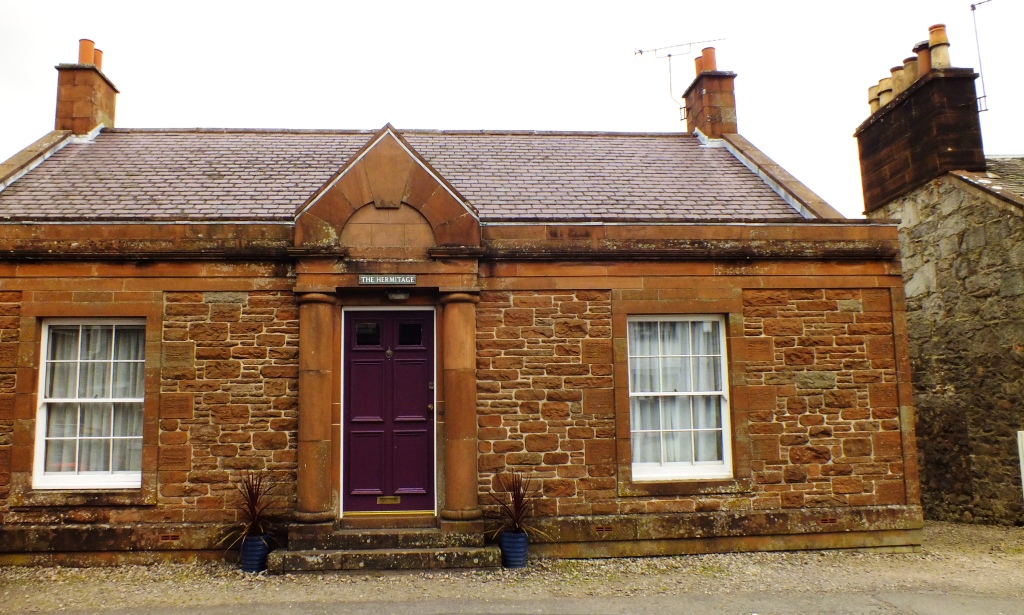
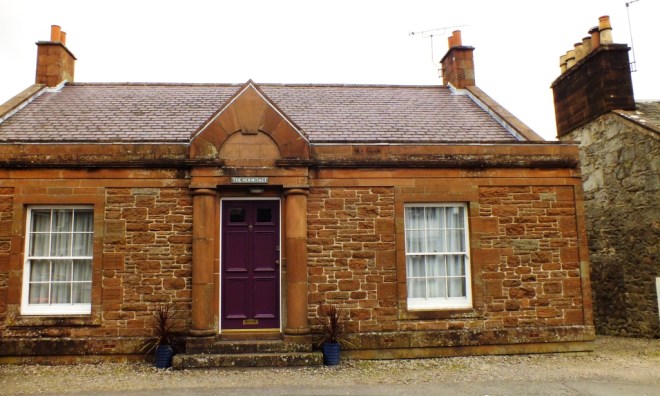
The Hermitage
DSCF0341

Windows filled with interesting old glass bottles.

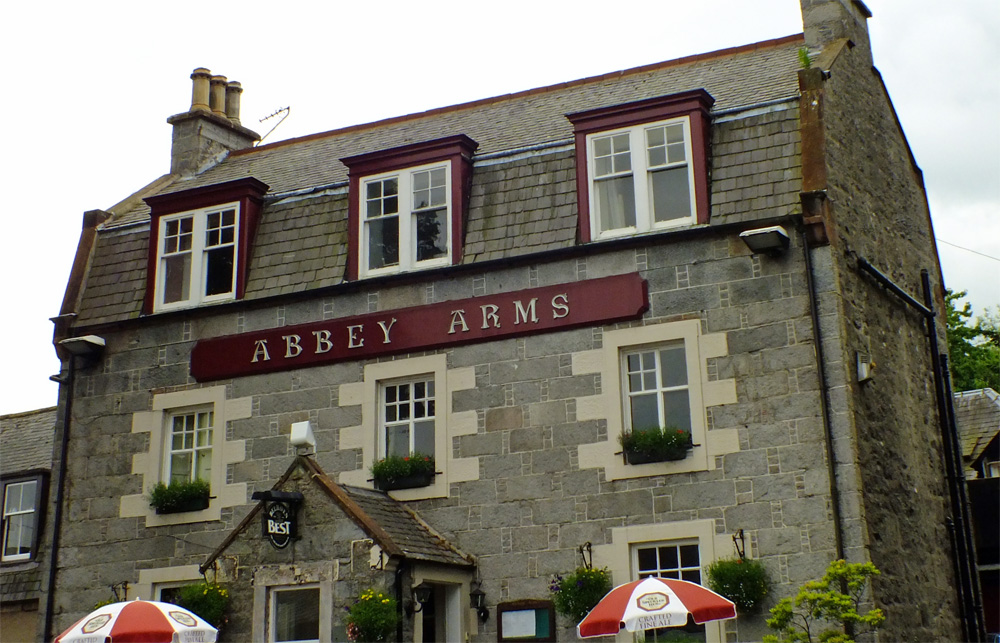
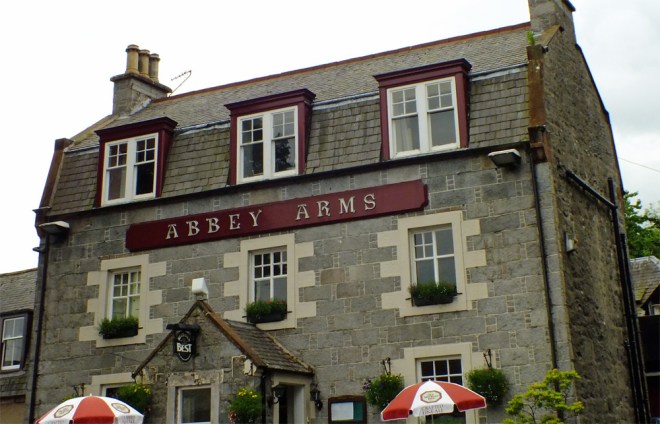
And two village pubs facing each other across the square.
DSCF0348

and another house with an interesting plaque

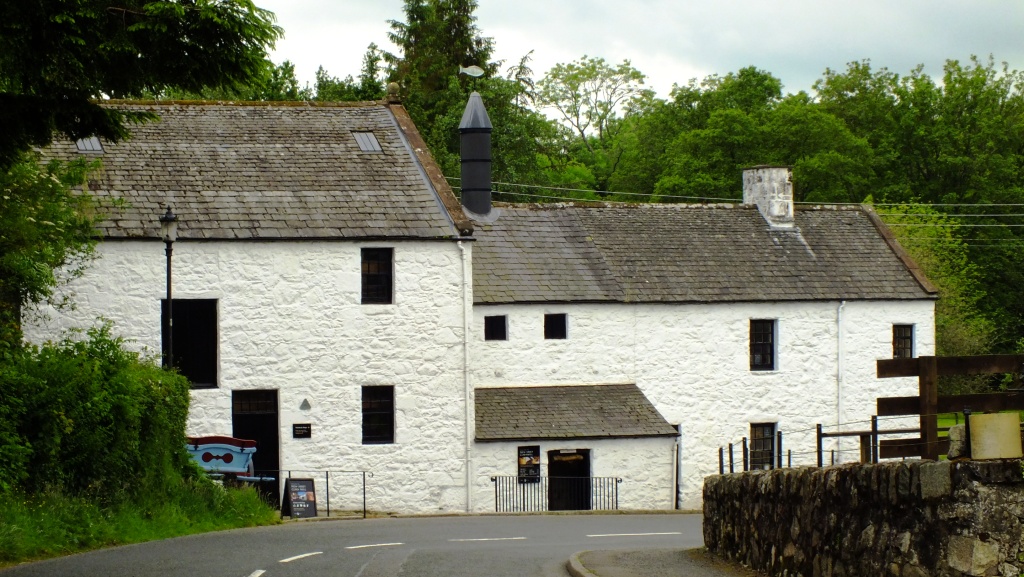
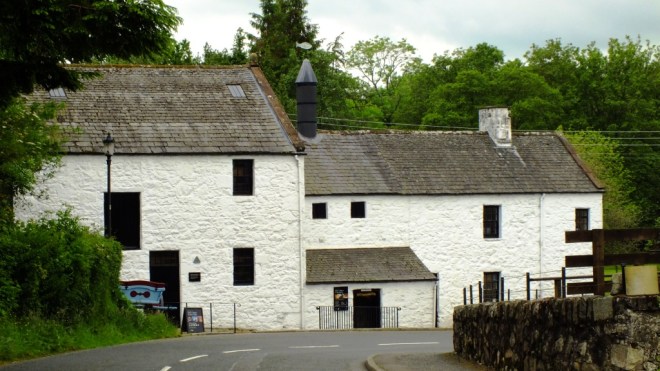
And finally the Corn Mill
DSCF0344

Now under the care of Historic Scotland, this three-storey whitewashed mill building was built towards the end of the 18th century by the Stewarts of nearby Shambellie House. However, it is thought that it reaches back much later than that, perhaps to as early as the late 13th century, when the Cistercian monks established their monastery of Dulce Cor (‘Sweet Heart’ ) at the far end of the village;  today the mill is still known locally as ‘Monks’ Mill’.

Behind the mill is an 1806 Masonic Lodge converted to church hall 1887; now a dwelling house.

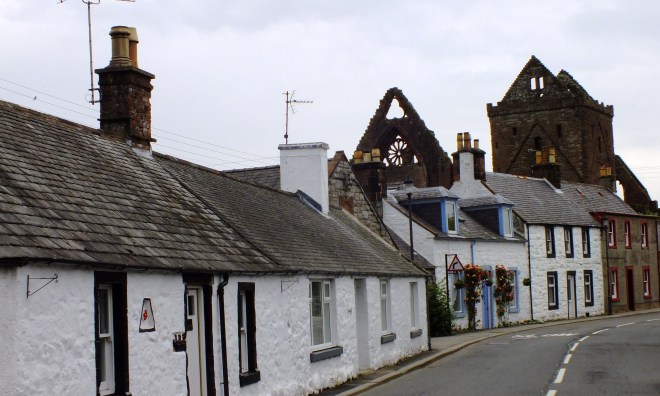
New Abbey must rank amongst the prettiest settlements in the area with its whitewashed cottages overlooked by the Abbey ruins.
DSCF0336

If you enjoy a walk, short or long, then you may enjoy visiting Jo’s Monday Walk where you are in for a treat.

Or if your interest is windows then Dawn from ‘The Day After’  invites participants to post pictures of any windows that  they find curious, inviting, photogenic, or in some way tell a story.
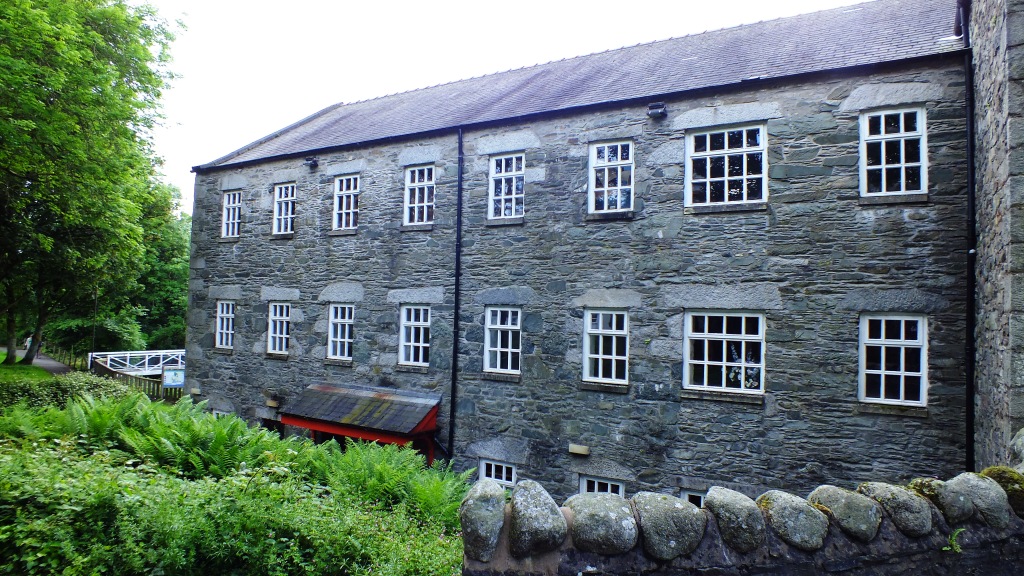
The Mill on the Fleet

The Mill at Fleet
The Mill at Fleet

The Mill on the Fleet  – The Mill was built in 1788 as a cotton spinning mill by James Birtwhistle from Yorkshire and was the second mill to be built on this site. The water wheel on the gable end was used to drive the machinery to spin the cotton.

(click to enlarge images)

By 1800, because of increasing competition from steam driven mills, the cotton industry in Gatehouse declined and by 1850 the mills were out of use. In 1859 they were bought by the Helme brothers from Dalbeattie and the upper mill was used to make wooden bobbins for the textile industry while this mill was used as a store and bark mill for the processing of oak for the leather tanning industry which was thriving in Gatehouse at the time. Source: History of the Mill

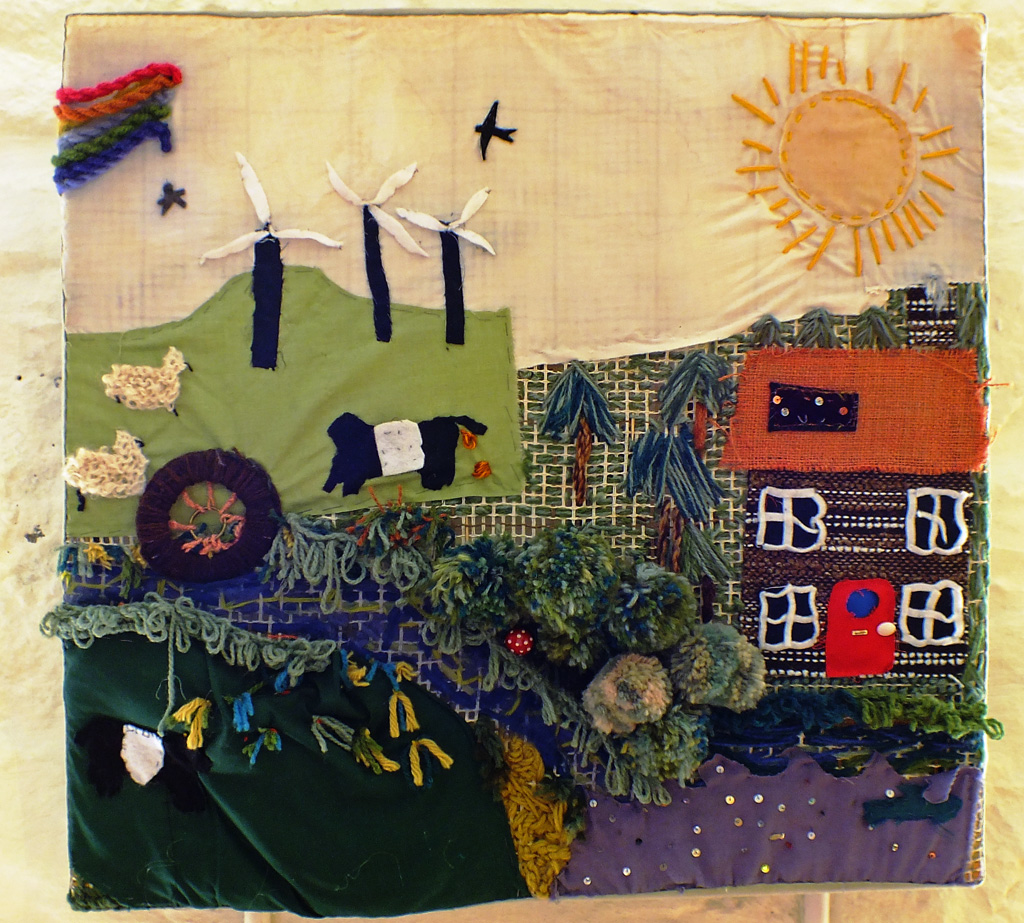
Art work on display
Art work on display

As well as a lovely tea room (and terrace), an information centre and a shop on the ground floor there is a bookshop and a permanent exhibition floor focusing on the history and heritage of Gatehouse, and exploring the Fleet Valley and surrounding areas, and on the top floor the Faed Gallery holds a programme of temporary exhibitions throughout the season.

More textiles
More textiles – and even more windows!

During our visit work by William Neal from his two current strands – Lyrical Abstraction and Iridescent Passages was on display. I have to say I was completely mesmerised by the way the light falling on the paintings changed with each angle you looked at them.

DSCF8526

DSCF8537

This weekly challenge is hosted by Dawn from ‘The Day After’ who invites participants to post pictures of any windows that  they find curious, inviting, photogenic, or in some way tell a story. Visit her blog to see more windows and/or to join in with the challenge.