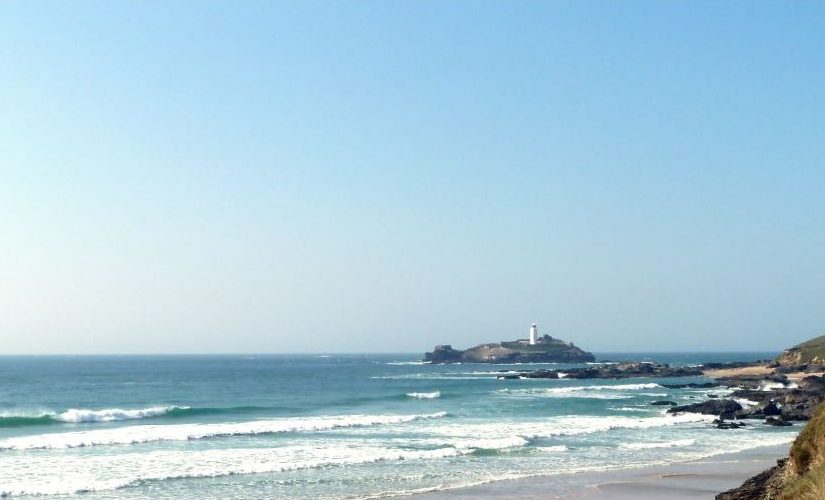
January’s theme / technique: Composition and Framing
Composition and Framing is dictated by the camera and lens equipment as well as where you can and cannot stand whilst viewing the subject. Challenge yourself by using a prime lens or not using the zoom on your lens so you have to physically move to take the shot. Often the more creative images come about from taking the time to move around a subject. We’ll explore some of these techniques over the coming months, but for now consider these tips:
-
- Horizontal vs vertical – which looks better? Why?
- Missing parts of people or objects irritate the viewer and create an incomplete image. It distracts the eye. So watch the edges of your image.
- Rule of thirds
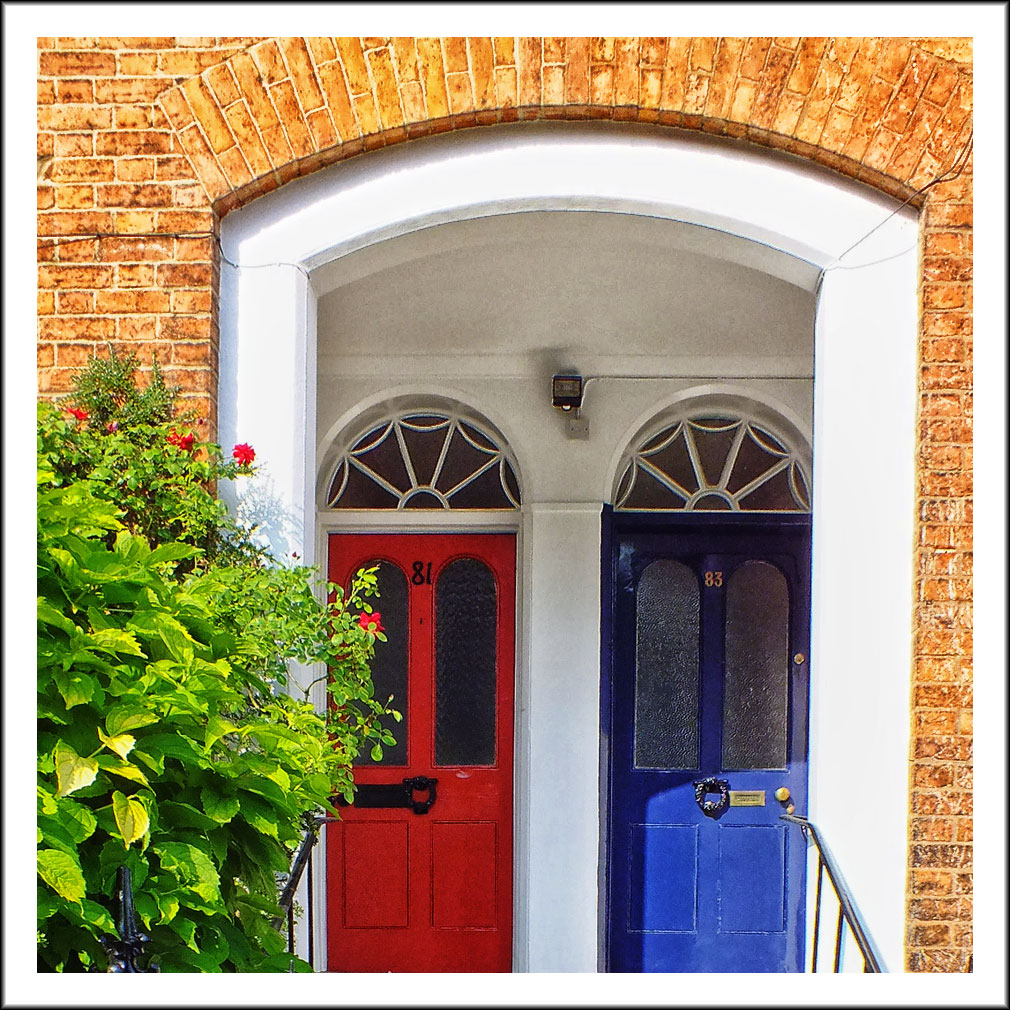
- Look for frames – These come in two types, natural or man-made. Natural would be an opening in trees or a rock formation with a hole in it. Man-made frames are doorways, windows or arches. All of these help contain the subject or scene in a form that is very pleasing to the eye.
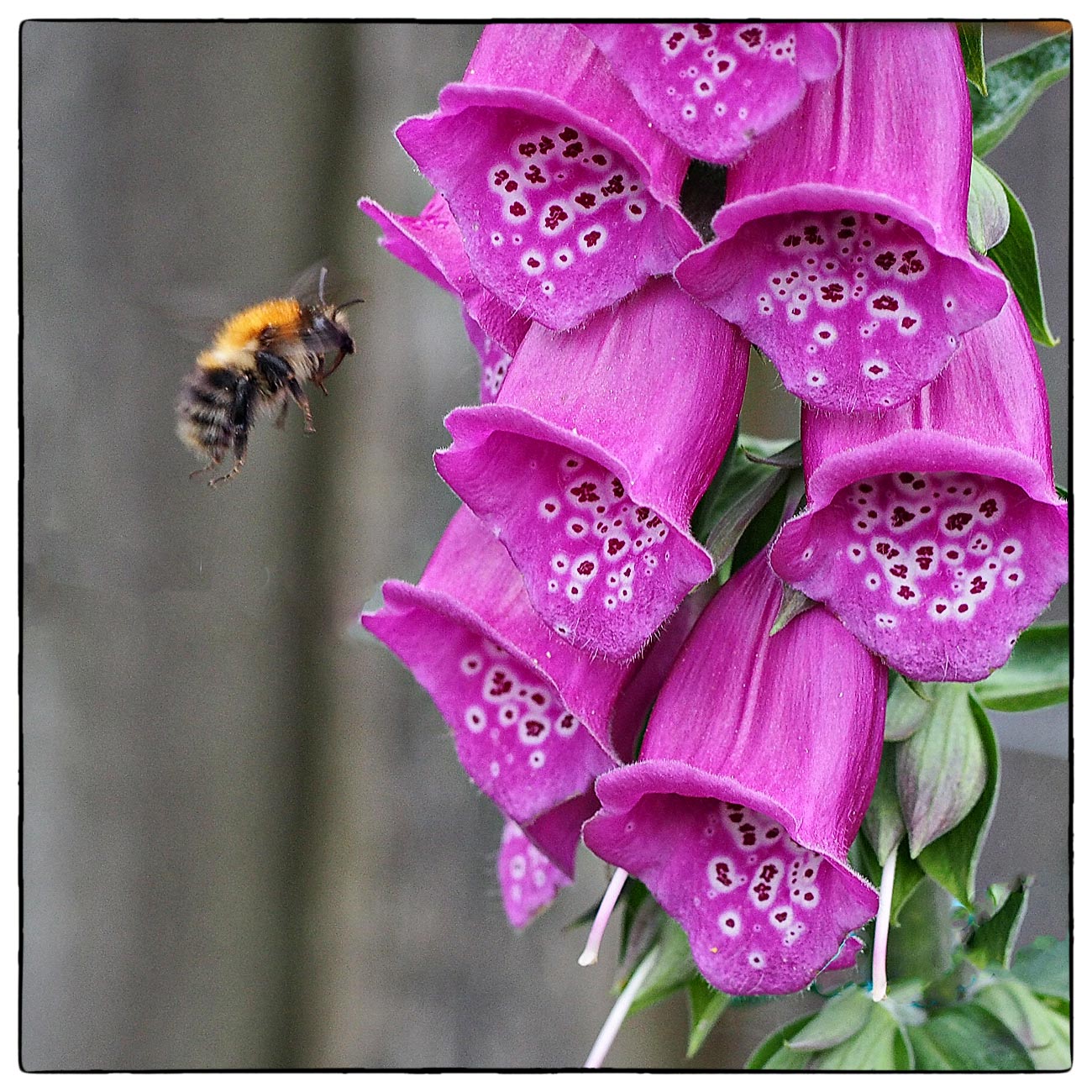
- Watch your background. Make sure that there is nothing there that would detract from your subject. Things like chimneys or lamp-posts growing out of heads and other subjects diverting the eye from the main subject. You want balance by not going in too close but including enough of the environment of the subject or object to contextualise it.
This week's assignment - Get in closer still. Decide whether to use the vertical or horizontal aspect ratio. Image orientation produces different emphases and can alter the whole dynamic of a shot.
Landscape-shaped images (horizontal orientation) tend to emphasise the relationship between subject elements in the right and left of the frame, while portrait-shaped pictures (vertical orientation) tend to relate to foreground and background subject elements. You can of course break the rules and use an unconventional orientation.
 Sunlight (noun) = light from the sun.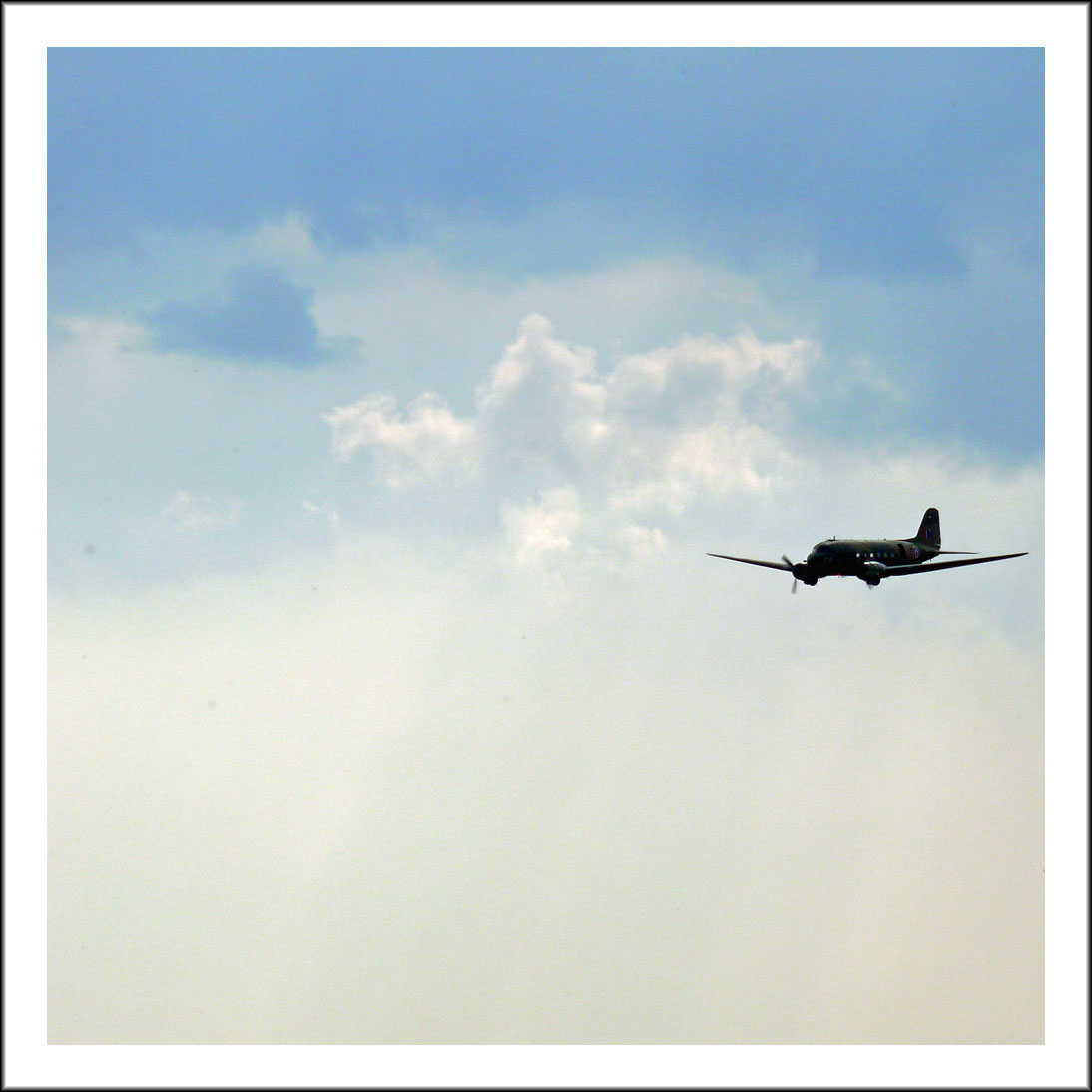
 TRAVEL WORDS