KRINAIAI, the Naiads of fountains

Cee’s Black & White ChallengeThis black and white challenge is topic related but this week there is no theme.

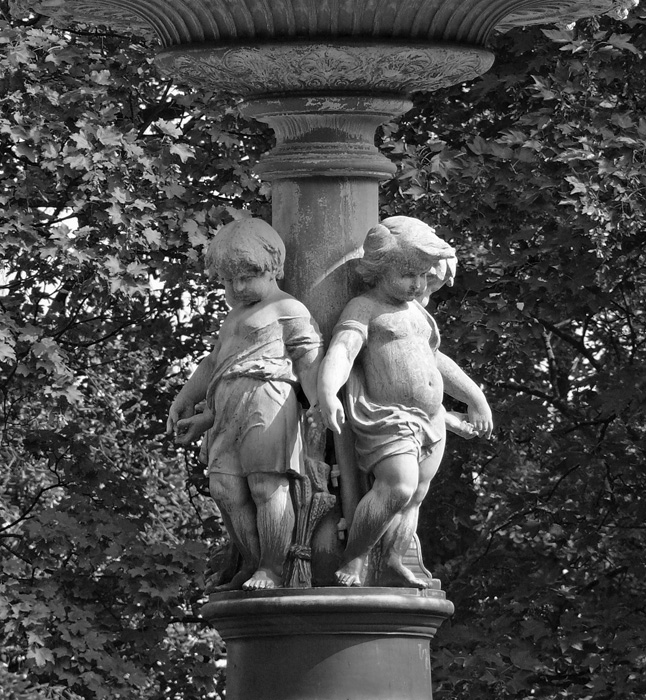
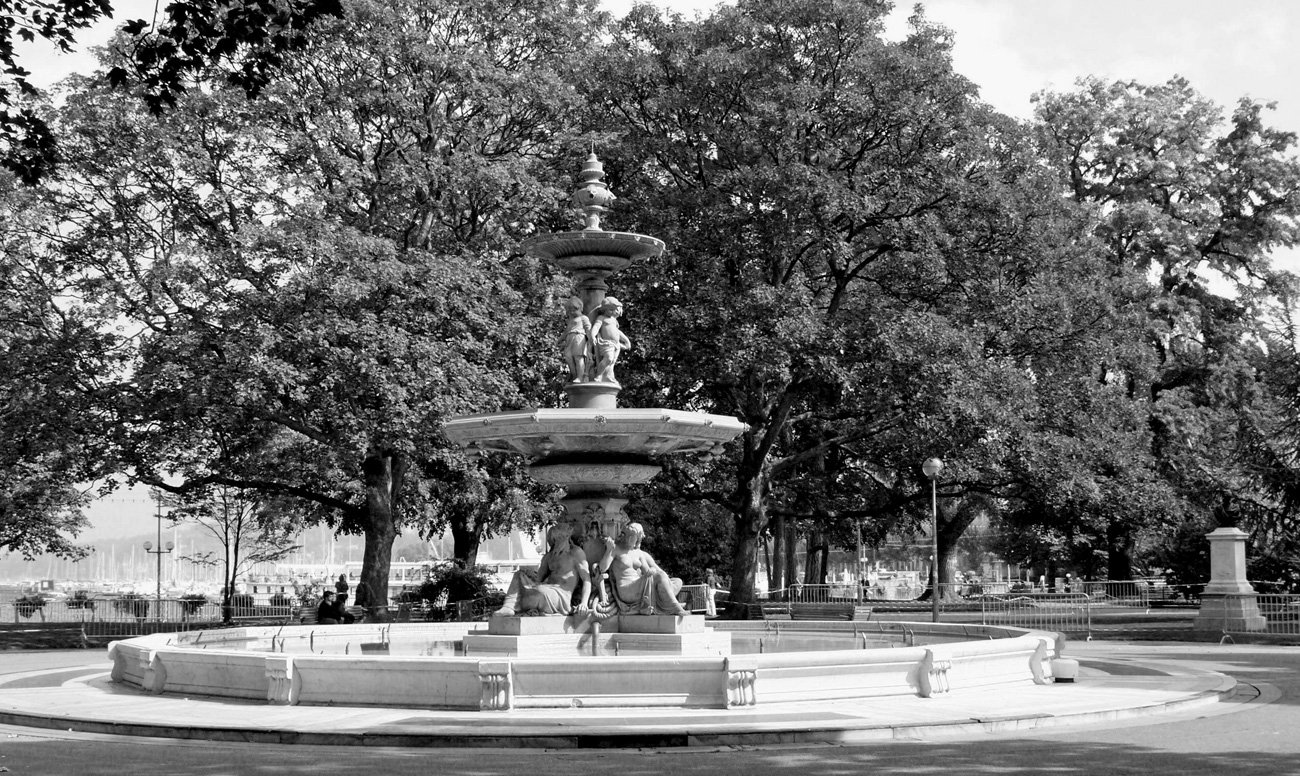
So I thought I’d take the opportunity to feature one of my favourite fountains  in the Jardin Anglais in Geneva, Switzerland.
fountain-1

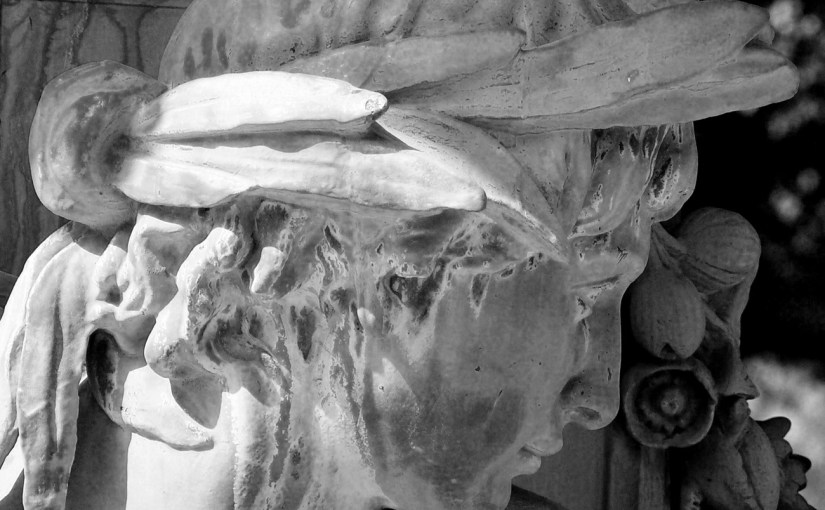
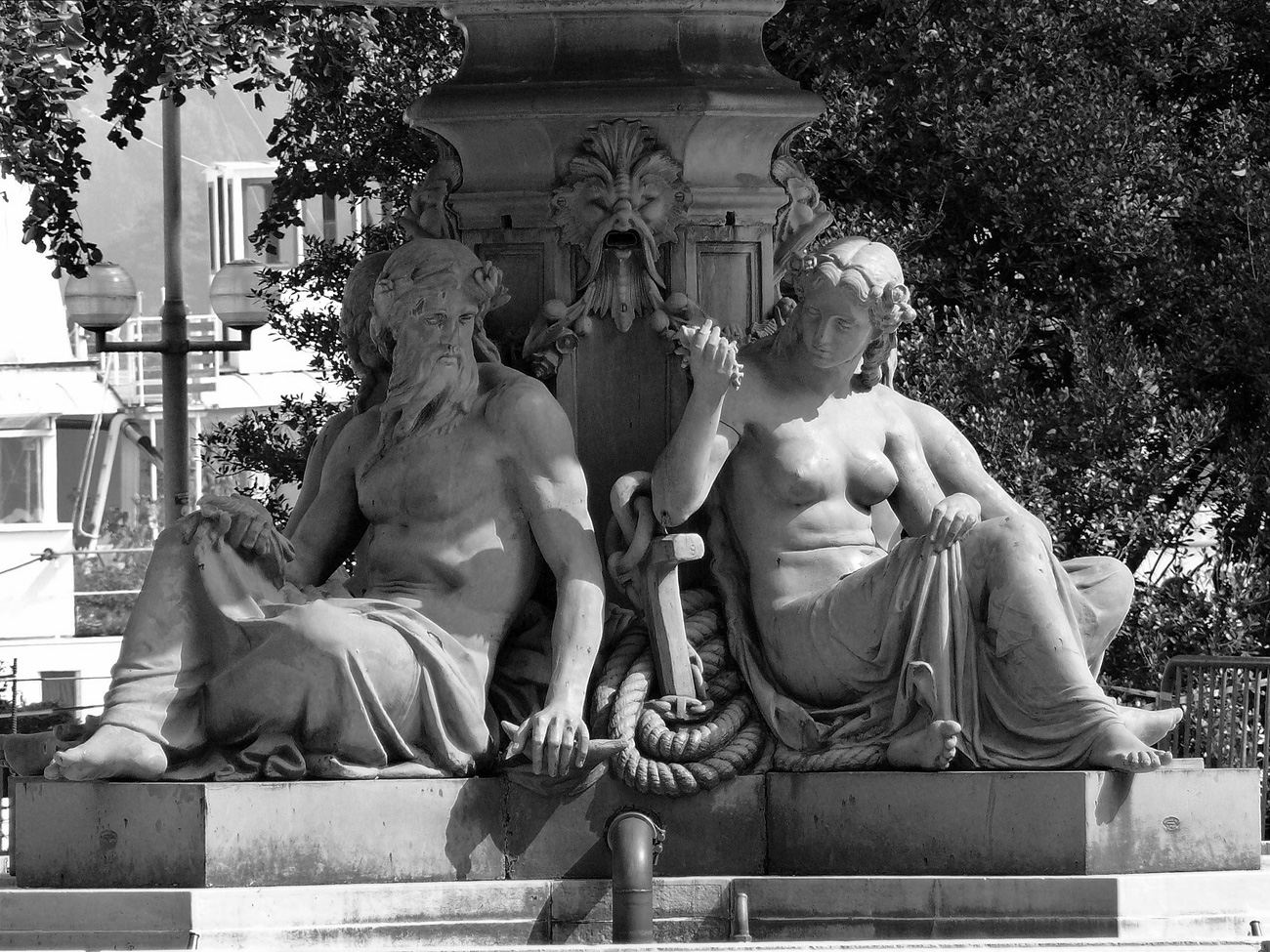
This large bronze fountain with its superposed basins borne by naiads was the work of the Parisian sculptor Alexis André in 1862.
KRINAIAI, the Naiads of fountains

THE NAIADES were fresh-water Nymphs who inhabited the rivers, streams, lakes, marshes, fountains and springs of the earth. They were immortal, minor divinities who were invited to attend the assemblies of the gods on Mount Olympos.

fountain-3fountain-2I am combining this post with this week’s Travel Theme challenge from Ailsa of “Where’s My Backpack?” who has written an interesting article about statues in Rome and is now urging everyone to find some suitable STATUES to join her this week. If you would like to join in with her challenge then please do.  Everyone is welcome.

Travel Theme: Pink

Ailsa of “Where’s My Backpack?” is tickled PINK this week. If you would like to join in with her challenge then please do. Everyone is welcome.

(Above: pink flamingo at San Diego zoo)

50 shades of pink

Pink is not a colour that I wear or normally buy, though I confess to having a soft-touch pink mouse attached to this laptop. Not by design, it was the only colour they had in stock. As the only girl-child in my family I was enforced to spend my childhood in a  pink room (Dawn Pink) which was quite a subtle pink if I remember correctly, but pink all the same. As a teenager I rebelled and went for purple!

pink peony

Anyway, obviously the same distaste doesn’t stop me from photographing things that are pink, so here are a few of my discoveries made on my travels.

Pink in India

(click on an image to view the slideshow)

Do YOU PINK?

Unusual Things You Find Inside a Garden

Ailsa of “Where’s My Backpack?” has been pondering her visits to gardens around the world this week. If you would like to join in with her challenge then please do. Everyone is welcome.

And I am combining this with the Weekly Photo Challenge from WordPress: Inside.

As some of you will know I do have another blog which is specifically for flowers – Earth Laughs in Flowers – and if you click this link you will be able to read about some of the gardens I have been enchanted by and see some lovely flowers and plants.

But for this challenge I am going to show you some of the odd sculptures and statues that have caught my eye whilst wandering inside the gardens, beginning with the infamous Eden Project in Cornwall.

(click on an image to enlarge)

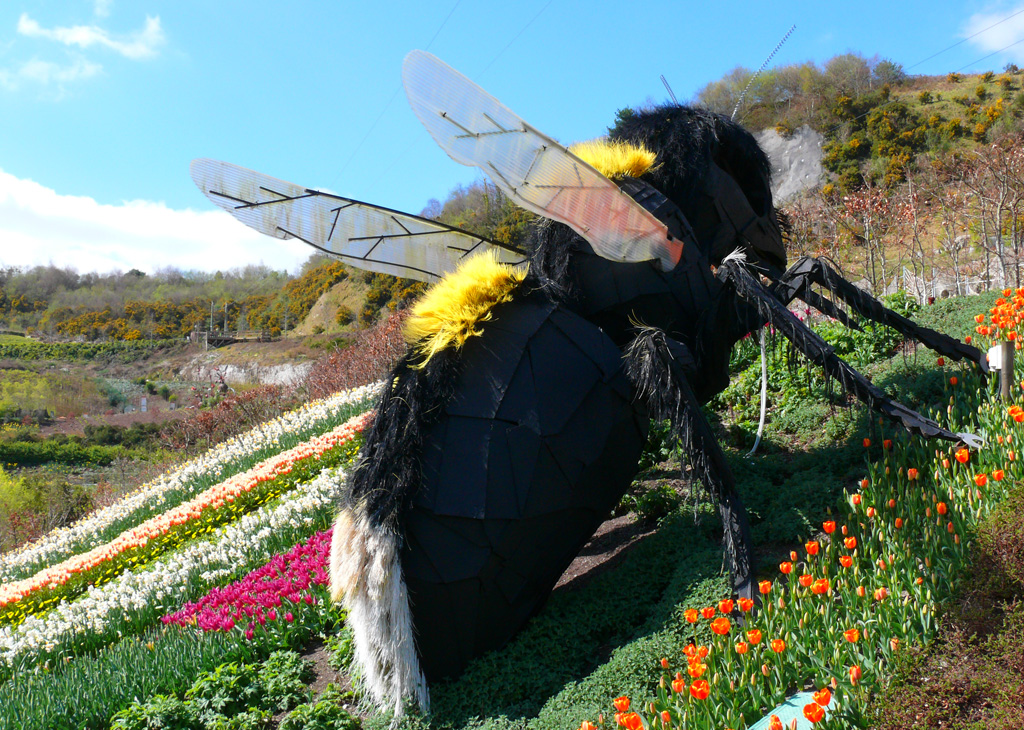
The Bee
The Bee
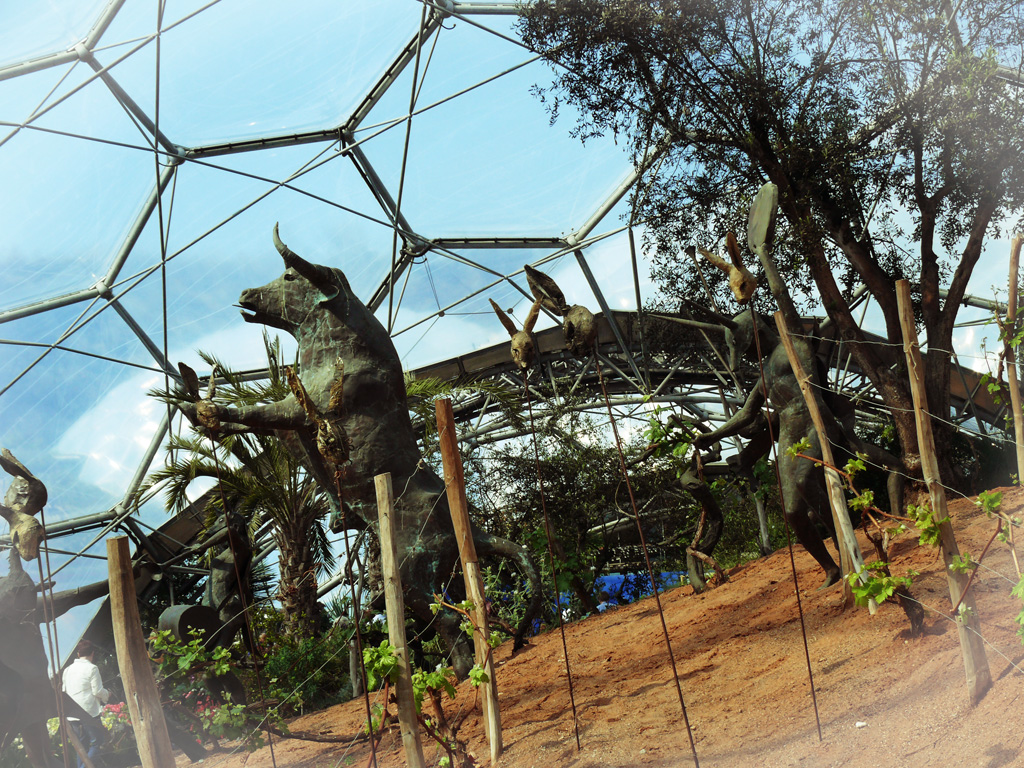
The Rites of Dionysus by Tim Shaw
WEEE Man, Outdoor Biome
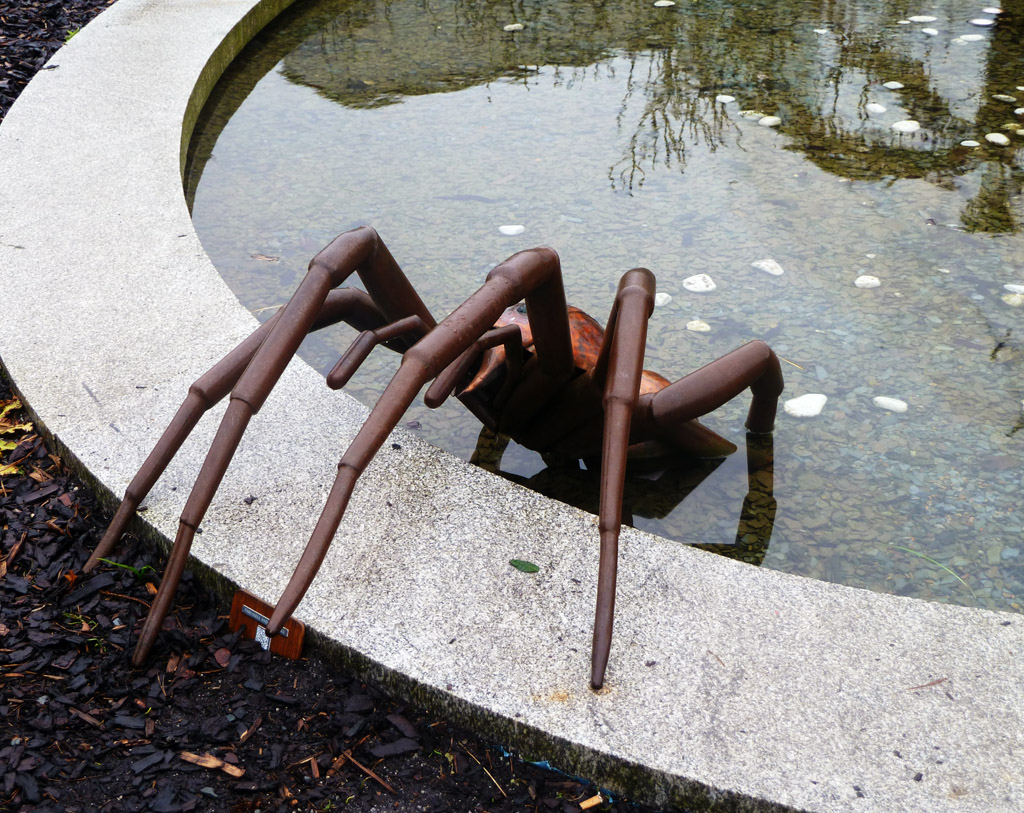
spider
Incy Wincy spider…or is it a crab?

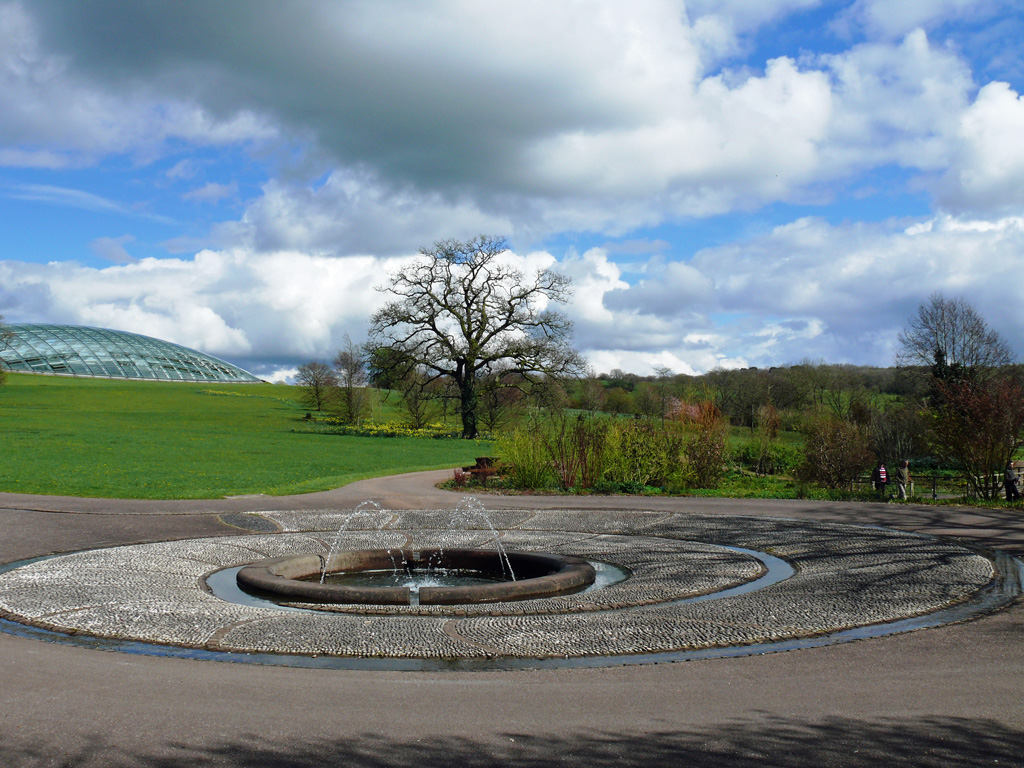
Next is a visit to the National Botanic Garden of Wales.

Welsh Black by Sally Matthews
‘Tawr’ A Welsh Black by Sally Matthews
'Pi' by Rawleigh Clay
‘Pi’ by Rawleigh Clay
Circle of Decision
Circle of Decision

And finally a few sculptures that have appeared in my favourite garden, RHS Wisley in Surrey.

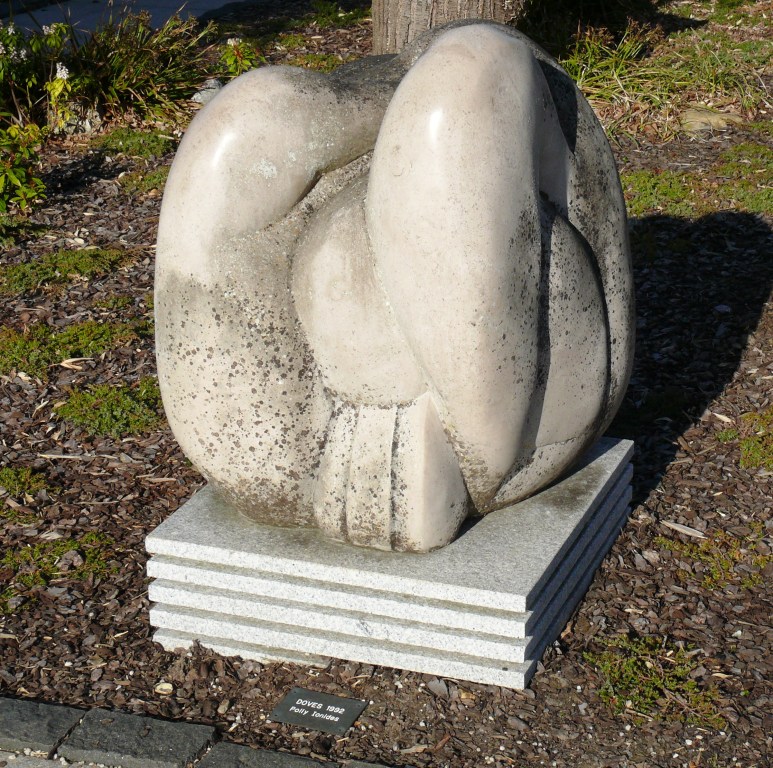
Doves
Doves
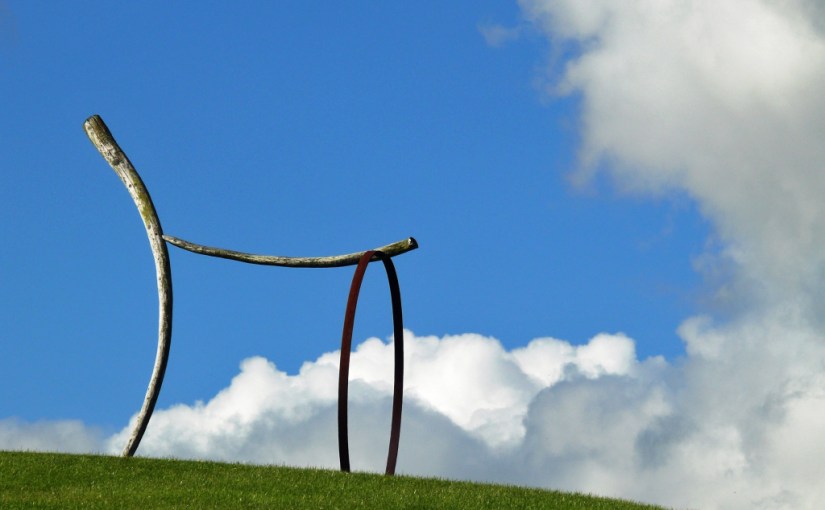
Henry Moore's Arch
Henry Moore’s Arch
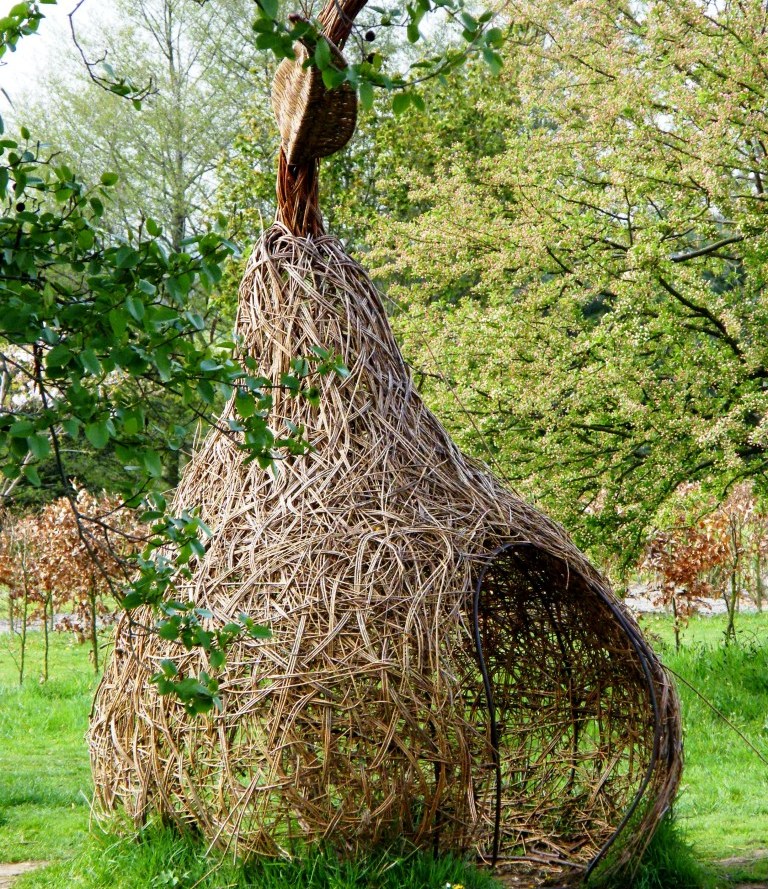
Wicker 'Pear'
Wicker ‘Pear’
Wicker Sculptures
Wicker Sculptures

What unusual things have you found in a garden?

Travel Theme: Ancient

Ailsa of “Where’s My Backpack?” wants us to show her our most decrepit, worn and torn, antediluvian shots this week. If you would like to join in with her challenge then please do. Everyone is welcome.

avebury 2

One of England’s oldest sites is the Avebury Stone Circle in Wiltshire. Believed to have been started around 3000 BC it was probably used as a religious and ceremonial centre, but no-one knows by whom. The nice thing about Avebury is that you are allowed to wander freely on the site and get close up to the standing stones.

avebury

The main circle covers approximately 28 acres with two smaller circles inside. The henge is also split by the village of Avebury and a road. There is an avenue of stones leading away from the circle towards Overton Hill a mile and a half away, and it has been speculated by some archaeologists that the avenue was constructed to form the body of a snake, with the circle as the snake’s head.

A steep bank and ditch surrounds the circle, together they form a 60 foot barrier.

avebury 4

Just a few miles away is the strange conical mound of Silbury Hill, across the road from West Kennet Long Barrow. In the other direction is Windmill Hill causeway camp, the finest hilltop camp in England.

The Enigma
The Enigma

Travel Theme: Work

Ailsa of “Where’s My Backpack?” is in WORK mode this week. If you would like to join in with her challenge then please do. Everyone is welcome.

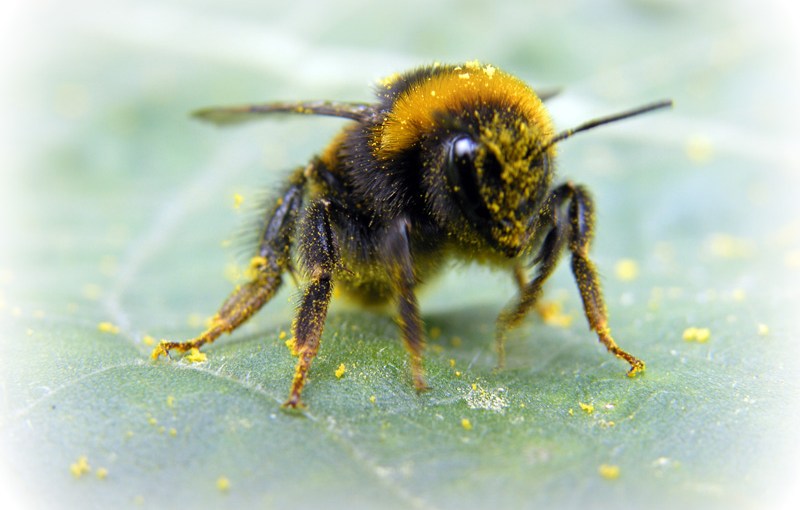
The life span of worker bee is a modest six weeks during the colony’s active season. However, worker bees live longer (four to eight months) during the less active winter months. These winter workers are loaded with protein and are sometimes referred to as “Fat Bees.”

Part of their lives are out foraging for pollen.

bee