
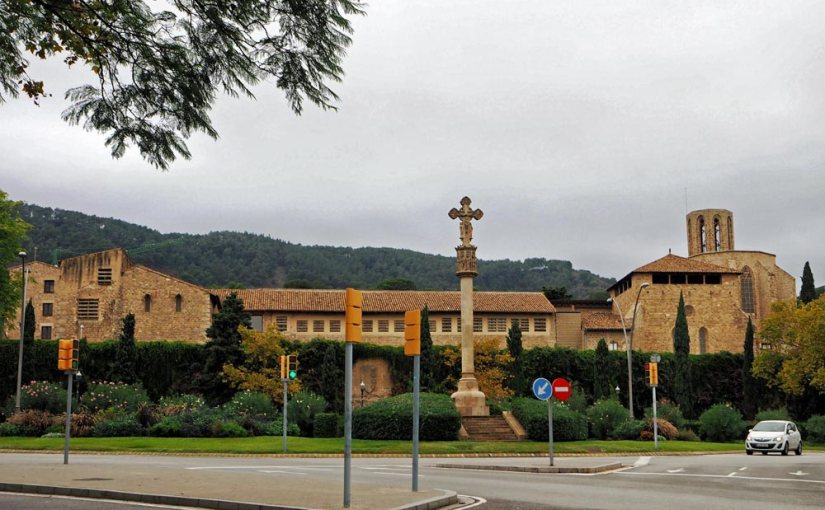
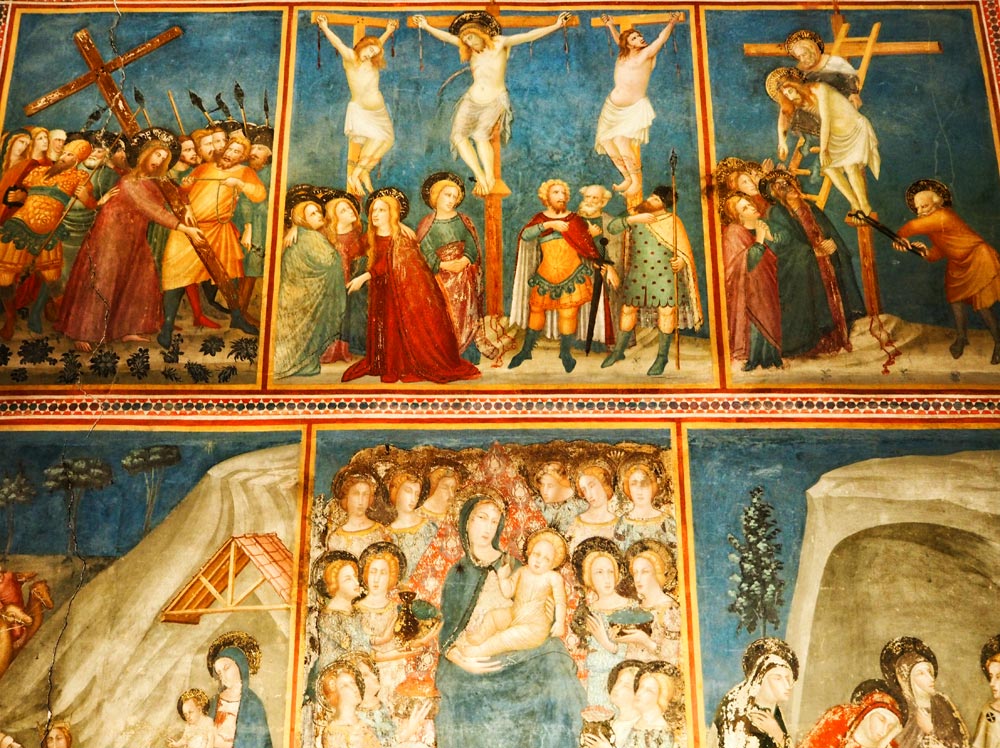
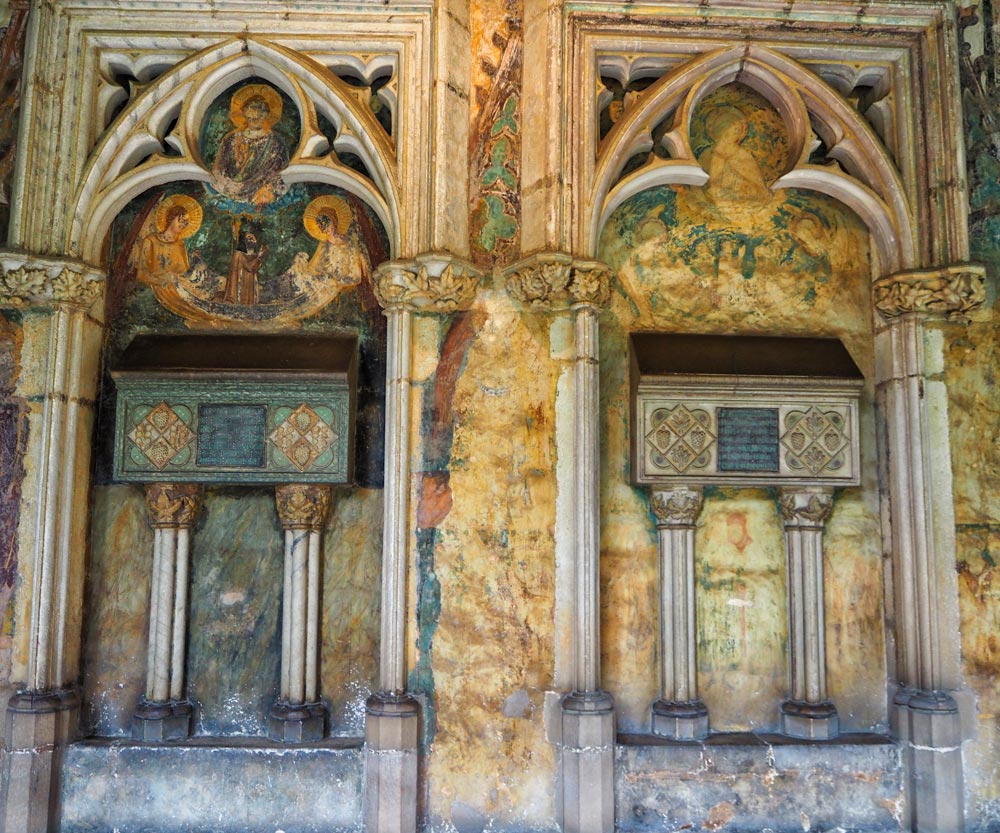
Back to the lovely monastery of Pedralbes in Barcelona, which is a delightful place to visit and includes an exhibition of the Monastery Treasures. The founder of the monastery, Queen Elisenda of Montcada, created a convent of great spiritual and cultural importance. Her wealth, and that of the women who entered the convent, who had a high social background, brought valuable contributions to its assets.
…presents a unique collection of works of art, furniture, and secular and liturgical objects from the monastery treasure, built up, conserved and restored over the centuries by the Poor Clare community.
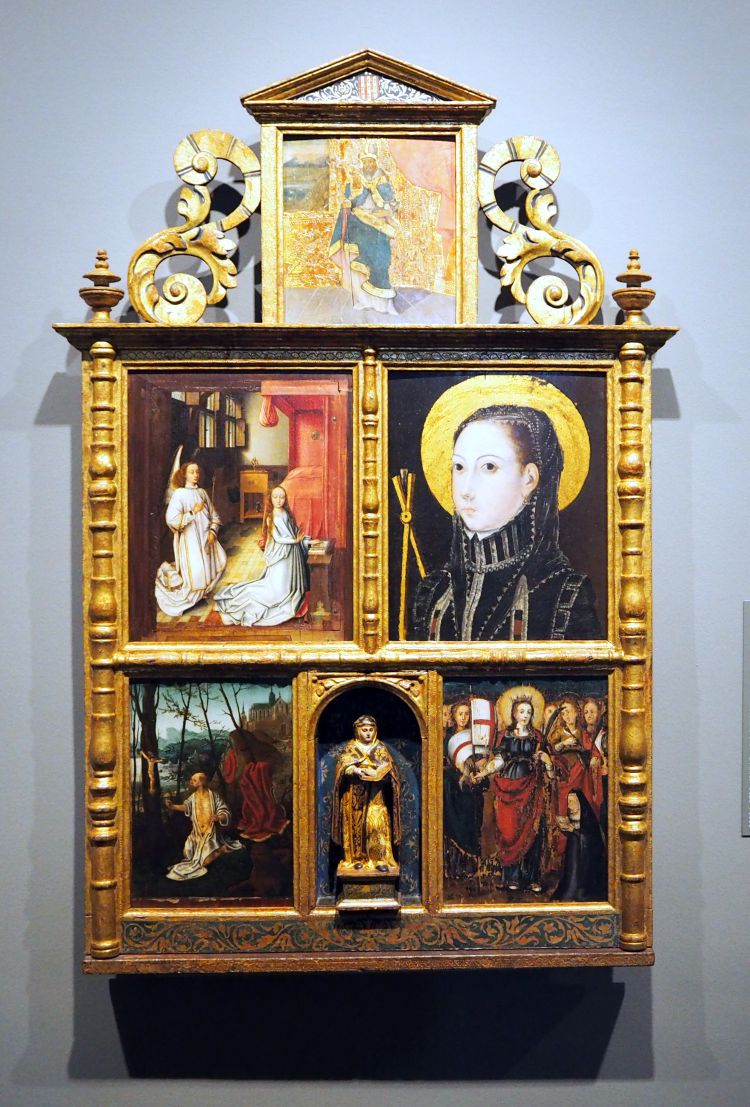
All of the paintings in this factitious altarpiece are the work of artists active in Catalonia during the first half of the 16th century.
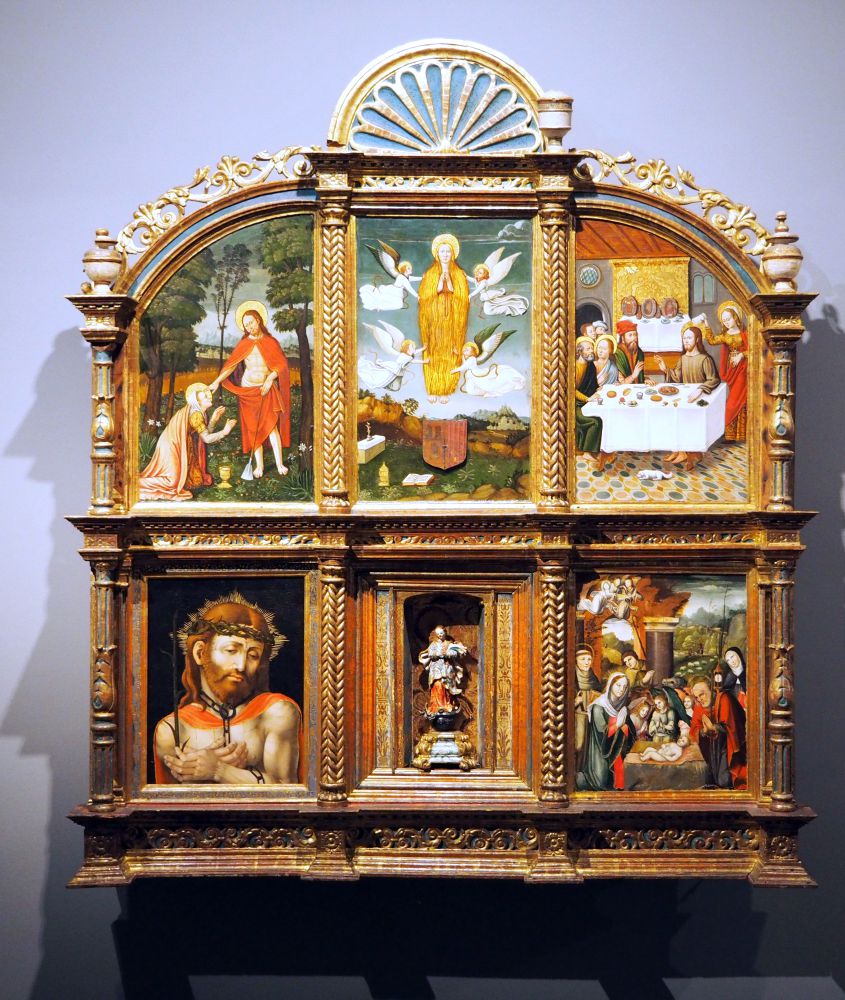
The upper elements of the piece below are panels of a triptych, in which the side panels were the doors.
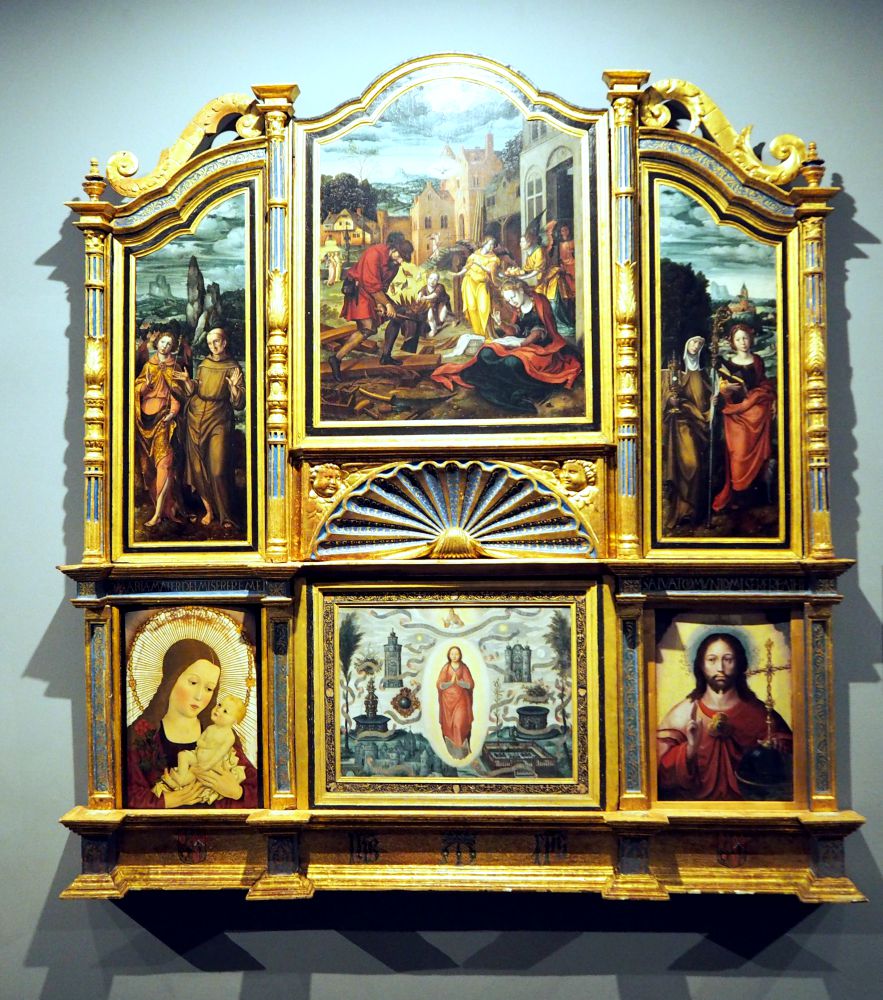
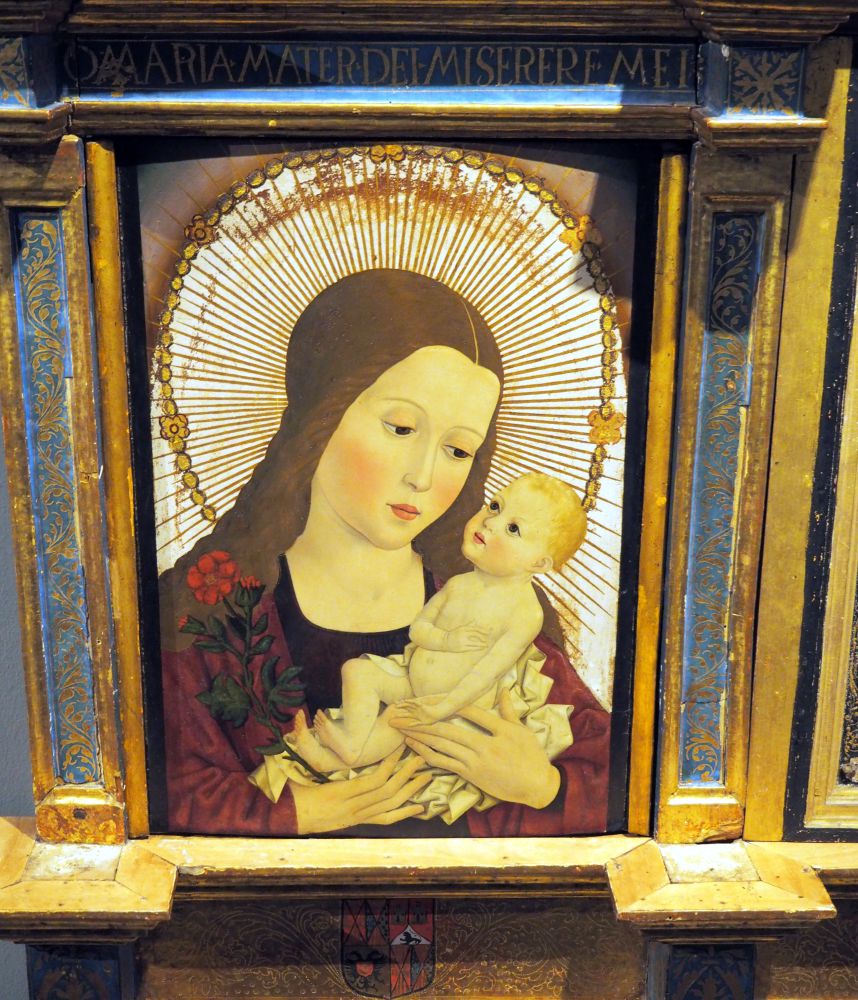
The most notable piece of this factitious set is the Virgin with the child in a landscape (bottom right), which may be attributed to Joachim Patinir and his workshop.
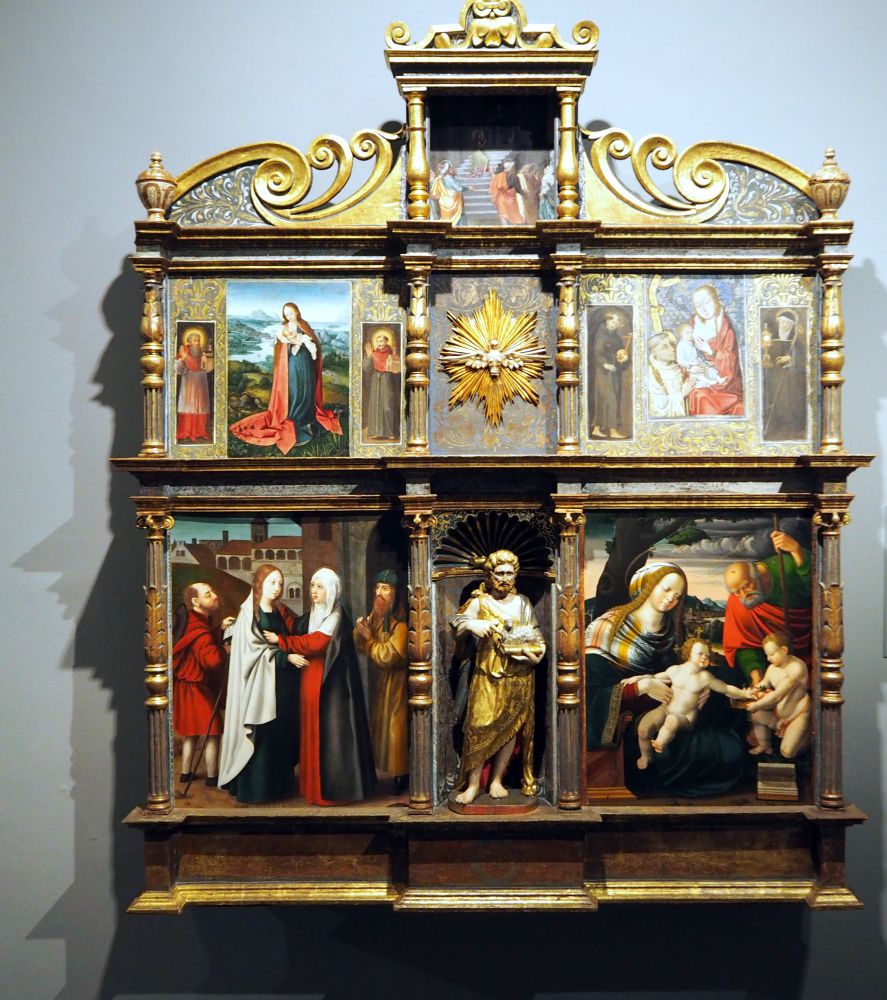
Towards the end of the 15th century the monastery entered a period of reforms driven by Ferdinand II of Aragon. Life in the cloistered community became stricter. At the same time the importation of Flemish artwork into Catalonia took place as close trade relations were formed between the Spanish and northern Europe.
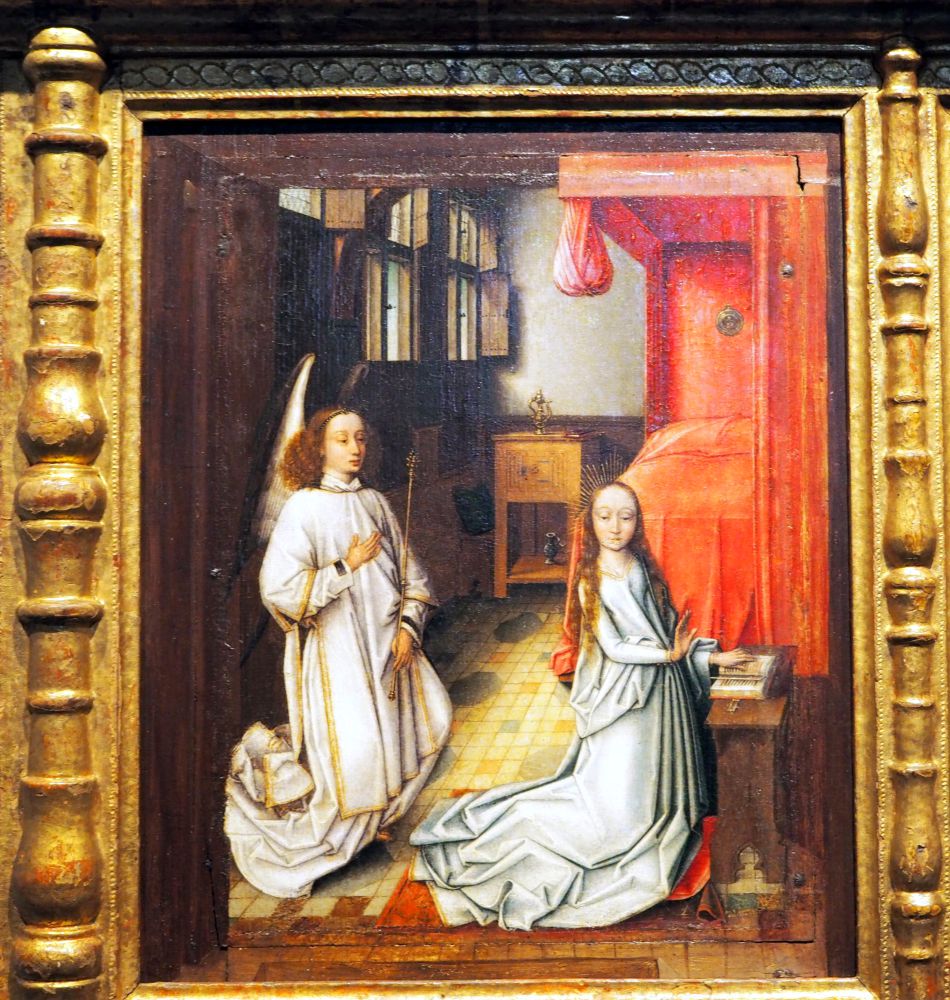
The most significant piece of this factitious work is the Announcement (top left) which may be attributed to an unknown Flemish artist known as the Master of the Legend of Saint Catherine. The domestic interiors are reminiscent of the Jan van Eyck models that Van der Weyden had reproduced.
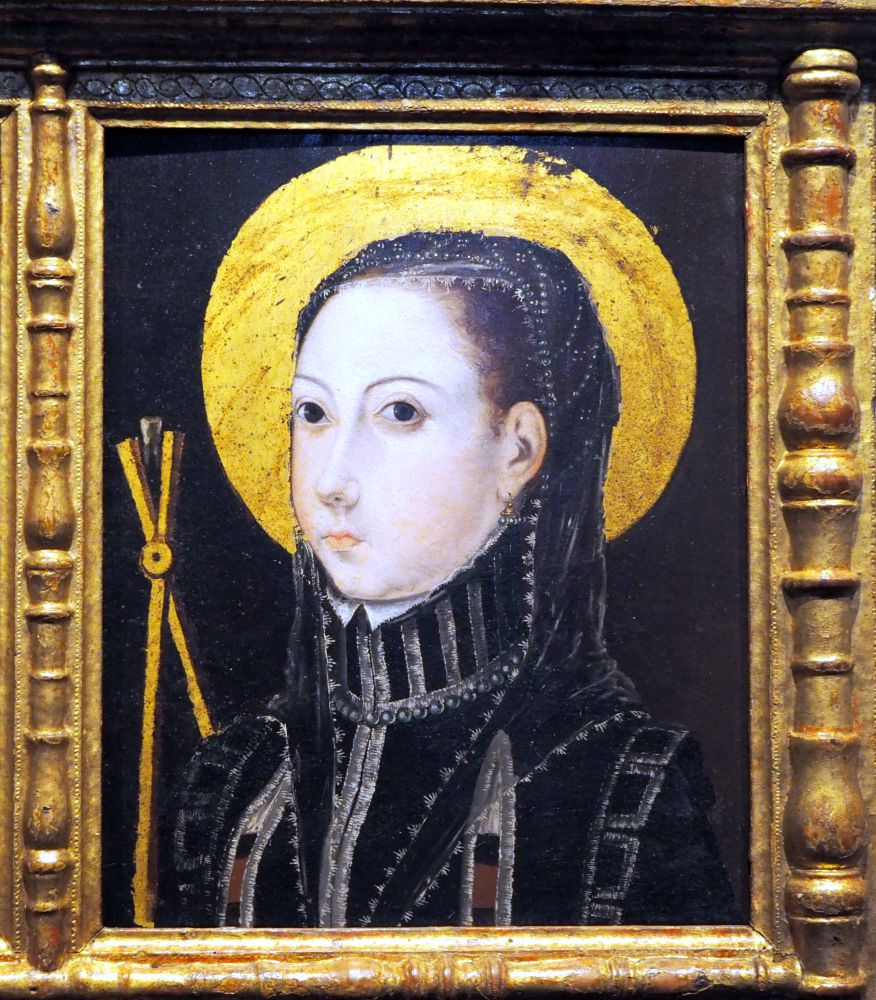
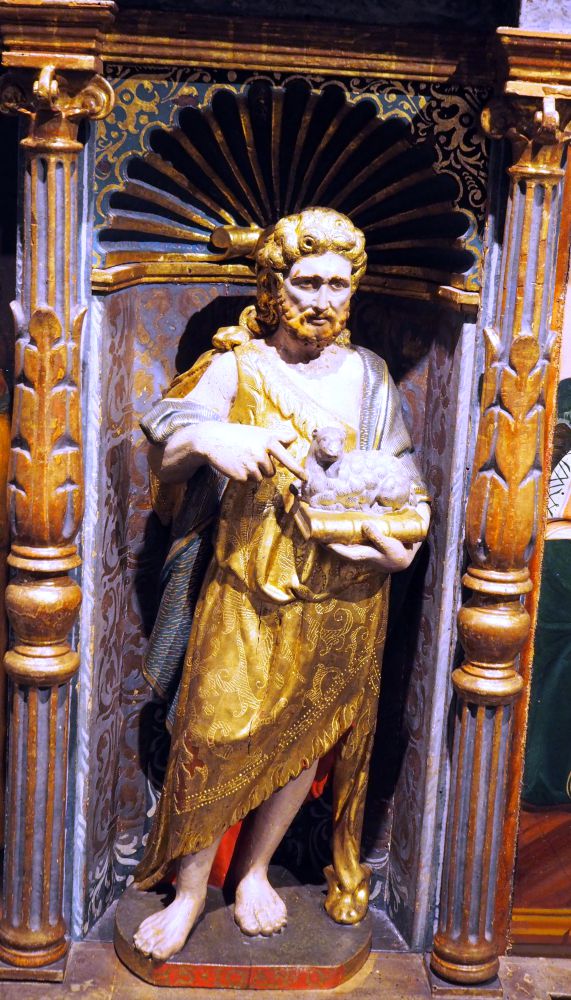
‘Factitious’ altarpieces combine pictorial and occasionally, sculptural sections of different provenance and styles. So we find Spanish and Flemish works side by side. The tableaus have often been trimmed to size to fit into the new structure. They were generally made in the mid-sixteenth century and inspiration for their manufacture may have come from the classicist architecture at the time. Three of them preserve the heraldry of the nuns who paid for their production or owned them.
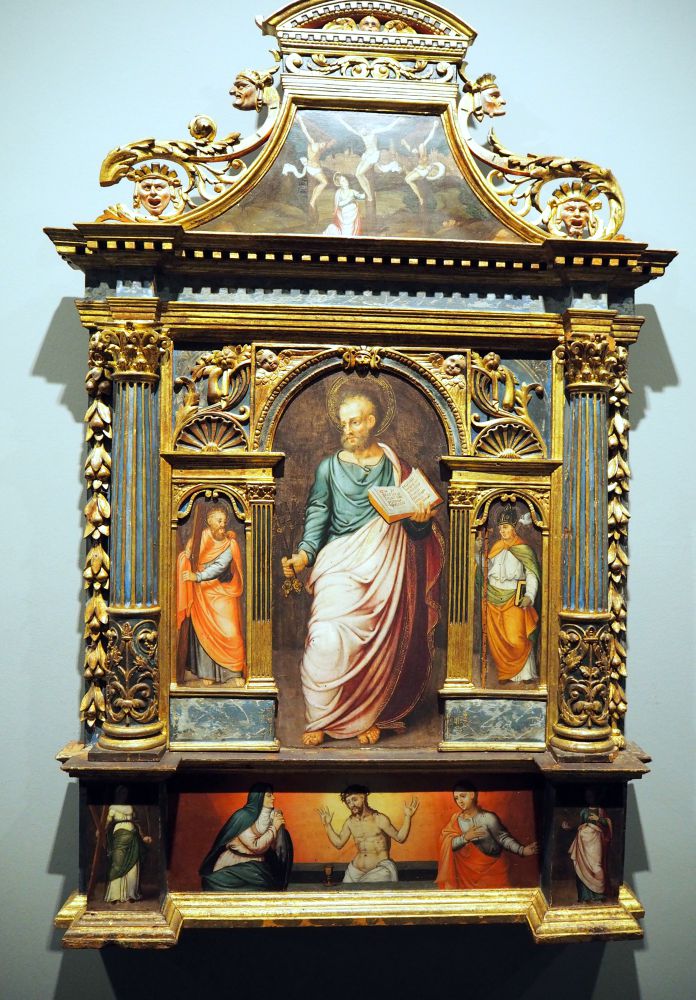
Of a similar format to the factitious pieces of Pedralbes, this is a unitary collection. Its paintings may be attributed to the Catalan artist Joan Mates.
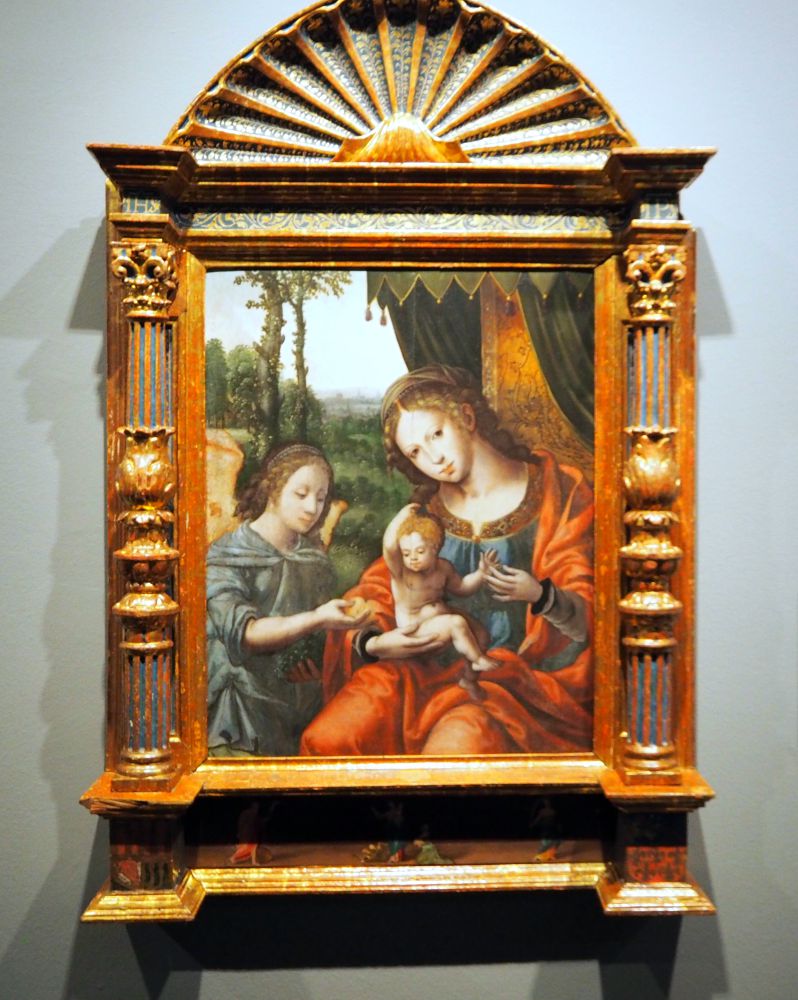
The two central figures derive from a model by Jan Gossaert while the added angel and landscape is an idea from Pieter Coecke van Aelst.
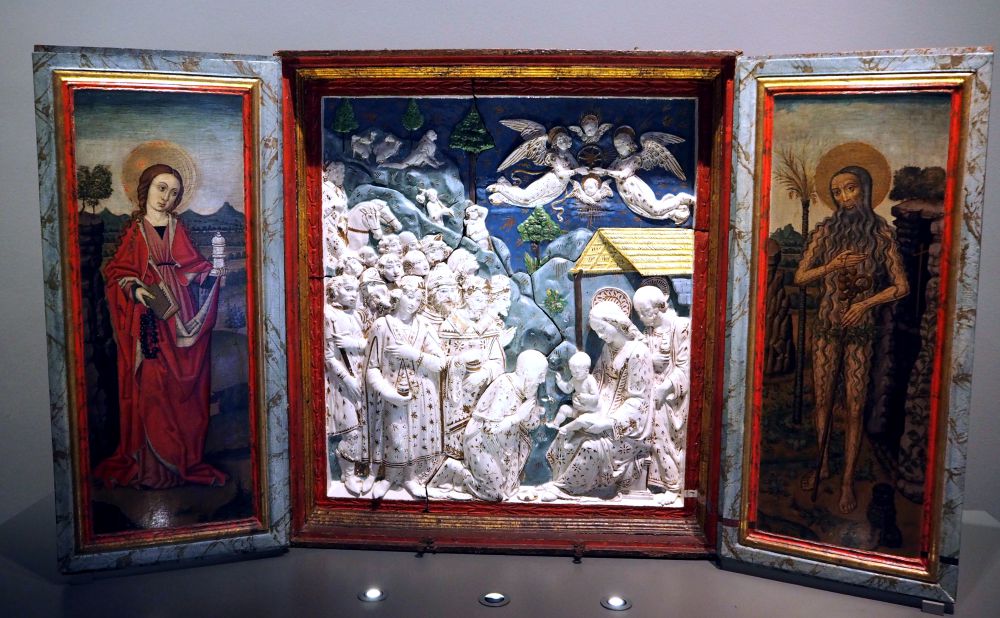
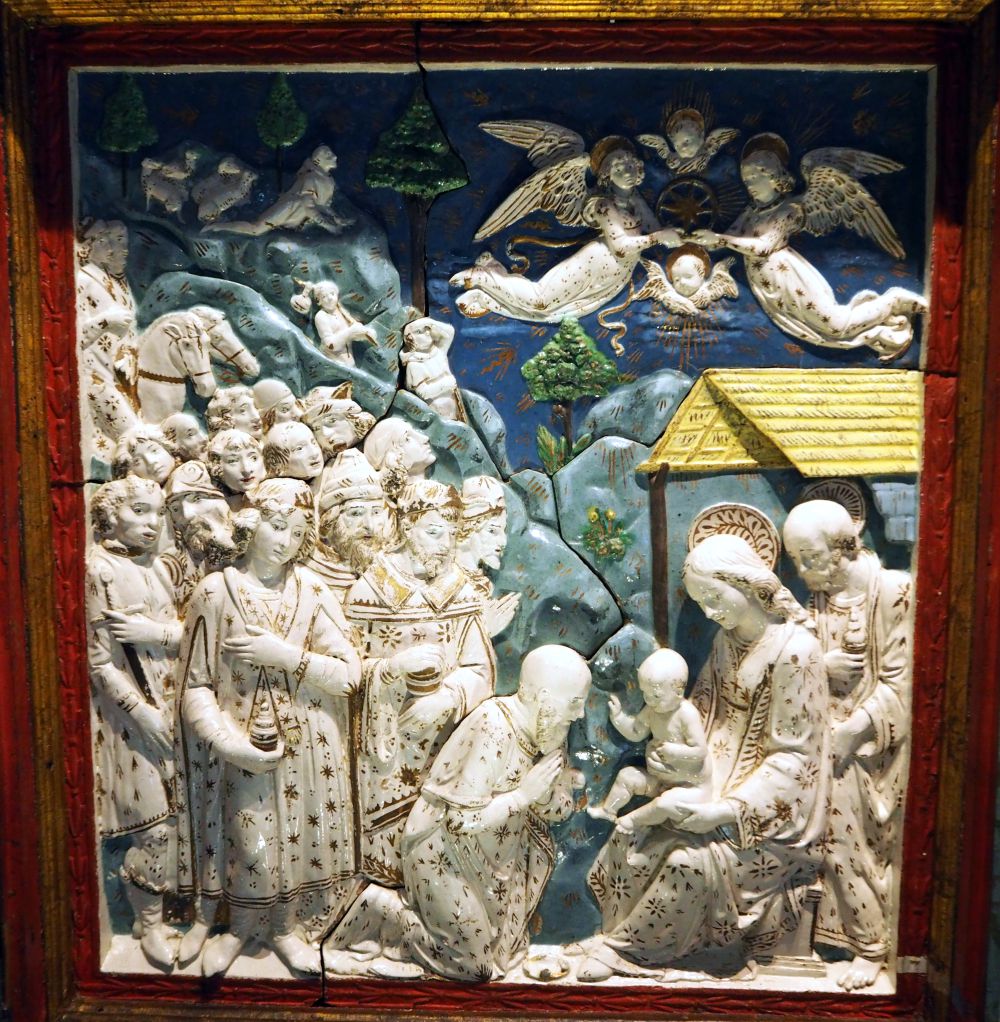
A factitious triptych with doors added to the central relief. A work of art from the Italian Renaissance was exceptional. The relief which feature the Adoration of the Kings but with an Announcement to the shepherds in the background, is made from the characteristic glazed terracotta of the Florentine workshop of the Della Robbia family.
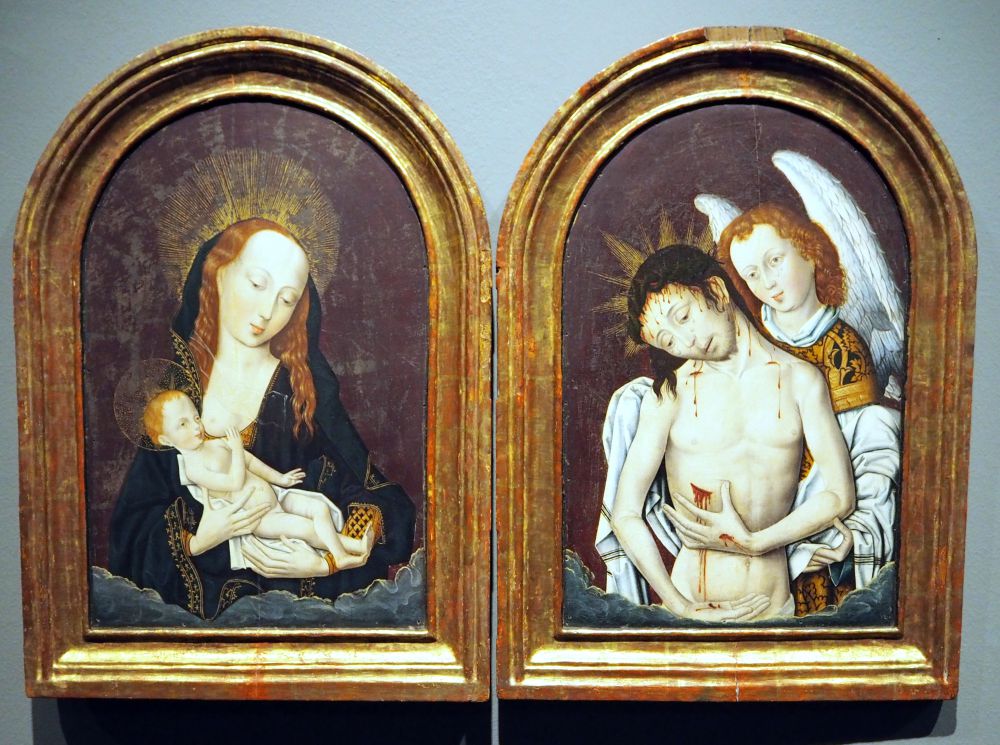
This diptych is one of the characteristic formats of “devotional painting” of the former Low Countries. The unknown painter probably had a workshop in which such paintings were almost mass-produced, exploiting models tracing back indirectly to the works of Rogier van der Weyden.
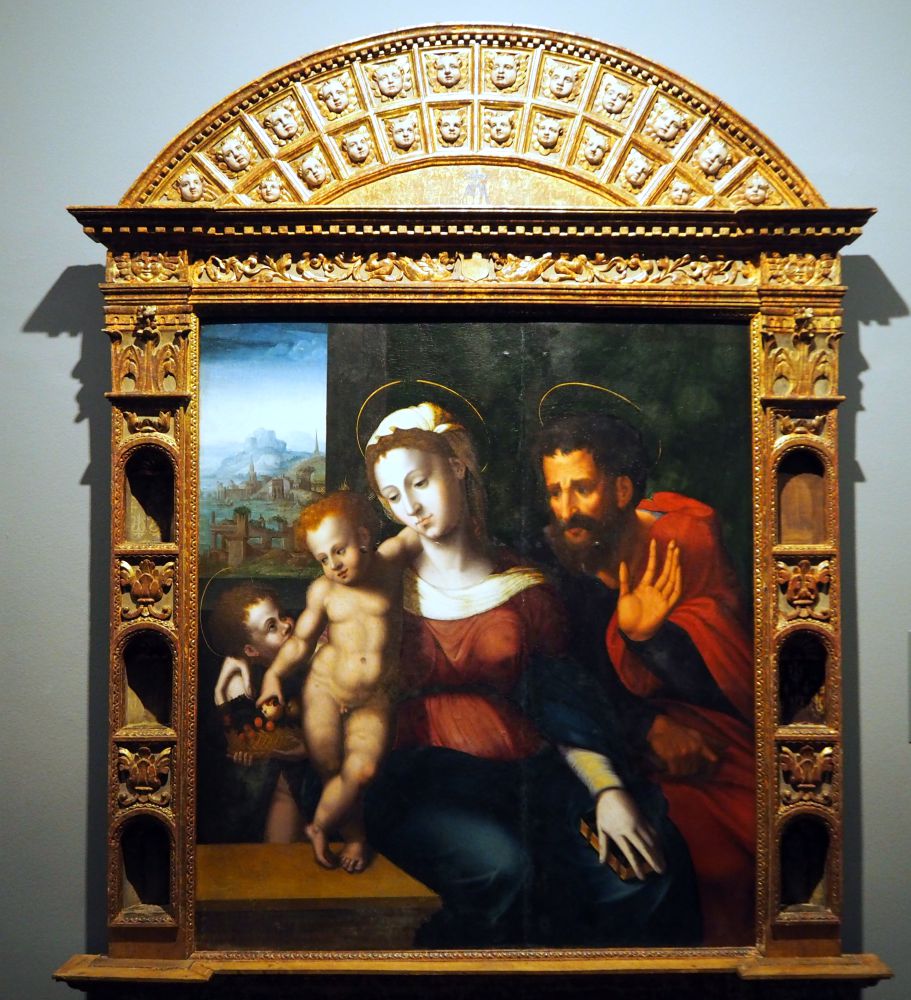
The descriptive tendency and open window in the background point to a Nordic artist of discreet quality with knowledge of Italian Renaissance as regards typologies and body language.
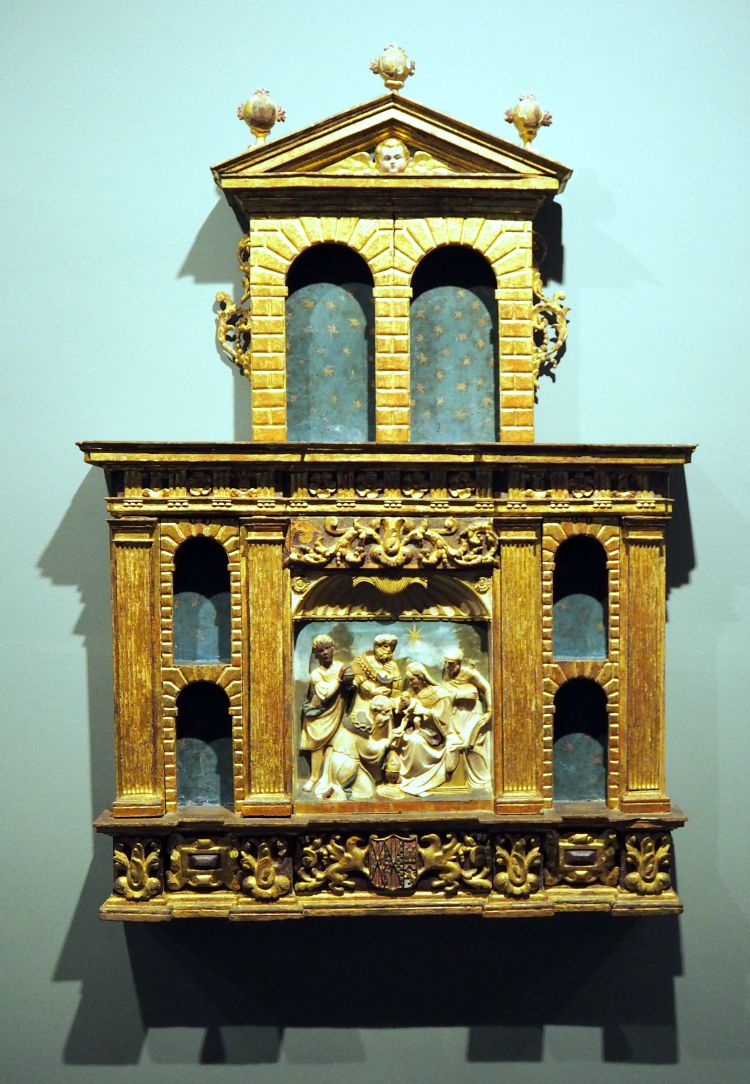
The sculptures in the niches of this altarpiece may have been lost in the Spanish Civil War. The relief of the Epiphany comes from the workshop of Damia Forment. The coat of arms links this to Sister Teresa de Cardona who was the first cousin of King Ferdinand II.
By the beginning of the seventeenth century the community in Pedralbes had witnessed a gradual but relentless decline in their income. Subsidies from King Phillip II and aid from the Council of the One Hundred assisted them in building the infirmary and renewing their cloisters. The Catalan Revolt of 1640 worsened their position as did the 18th century War of the Spanish Succession. At the end of that century further royal donations came to their assistance and helped to renovate and improve the building and the liturgical ornamentations. Despite the precarious financial situations the nuns would not renounce the maintenance and renewal of their liturgical adornments and some interesting works of art were purchased during this time.
Please visit the website of the monastery to find more about this exhibition.










 TRAVEL WORDS