Home thoughts from abroad is a new series on Travel Words featuring a single photograph that reminds me of a country visited and showing something that uniquely identifies it as being ‘abroad’.
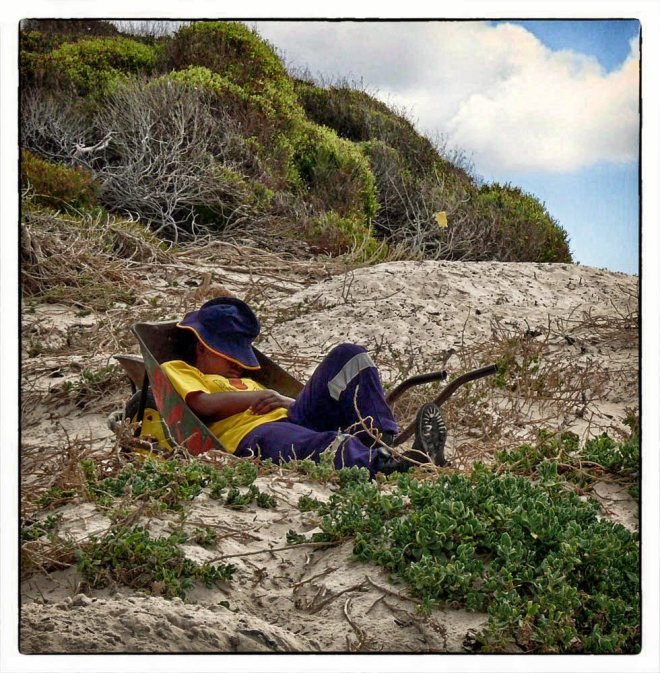
Visiting the African penguins at Boulder’s Beach in Cape Town in 2008 we came across this young guy sleeping in his wheelbarrow. Obviously exhausted from his efforts to keep the dunes tidy. Whenever I see this photo it makes me smile and brings back memories of those delightful and comical creatures who have colonised what was once considered to be a prime beach on the peninsula.
I can still recall the long row of parked cars along the roadside in the summer months making it impossible to visit the beach back in the 1970s.
“… when we stayed in San Diego several years ago, we were lucky to have an apartment high up in a building overlooking Coronado Island, from where we had the most wonderful sunset views. Although standing out on the balcony to take the photograph was a little hairy to say the least.”
Home thoughts from abroad is a new series on Travel Words featuring a single photograph that reminds me of a country visited and showing something that uniquely identifies it as being ‘abroad’.
This picture takes me back to the 26 day camping trip I took travelling around southern Africa. Although I lived in South Africa for many years I never had the time, money or opportunity to visit neighbouring countries other than a brief trip to Mozambique and Swaziland in my pre children days. In 2000 I went on this journey of a lifetime recorded as a diary on this blog. If you haven’t read about it then please click on the links below. The picture is of a Sociable Weaver nest. In the Namib Desert these nests can become so large and heavy that they bring the tree down. They are the largest nest built by any bird and may house over 100 pairs of birds. They sometimes build them on electricity poles causing short circuits in the rainy season and fire in the dry season. One look at it and I remember the dryness and the heat of that region. When the hairs in your nostrils smell as though they are being singed, you know it is hot.
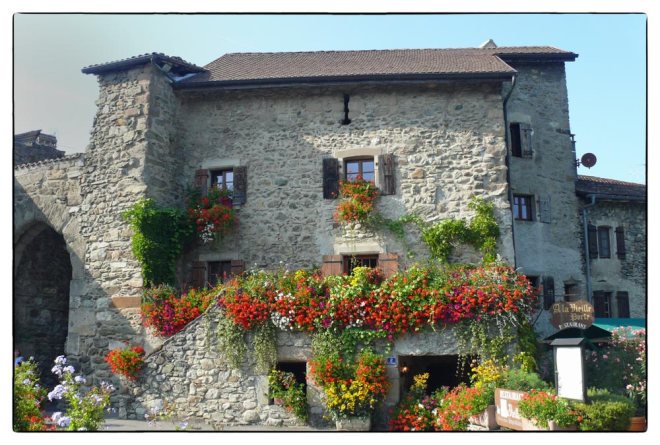
Yvoire – a floral medieval village in France on Lac Léman (lake Geneva)
I have no idea how I came to hear about Yvoire, maybe a search for gardens in the area when I was planning my trip to Geneva back in 2009. I always want to check out the gardens in a place I visit so do a search and then make notes of the ones I can fit in, including times and days open etc. When I discovered ‘Le Jardin des Cinq Sens’ (The Garden of Five Senses) was just a ferry ride from Geneva and the fact it is in a place called the ‘floral’ town then I had to make it happen.
The Gate of Rovorée (or Gate of Thonon) built into the ramparts of Yvoire.
I am not going to talk about the garden here, that deserves a post of its own, though if you click on the link you will get a sense of how it affected me. I will write a fuller post on the garden blog.
Yvoire is not all about this garden: the medieval centre is romantic and famous for its flowers, cobbled streets, town walls and a wonderful historic chateau (private) going back to 1306 and a time when Lake Geneva castles played an important role in protecting the strategic trade routes through the Alps and along the lake. Probably best to time your visit outside of peak holiday time as it can become very crowded.
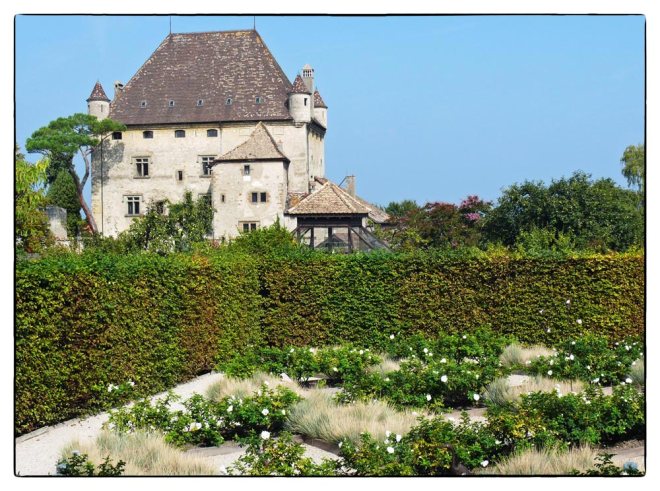
Yvoire Castle as viewed from Le Jardin des Cinq Sens
As I leave the port along with many other disembarking passengers I debate whether to eat first or explore. When I notice that everyone was else was headed for the restaurants the decision was made. Explore.
Once I get behind the camera I am lost in the zone. My eyes flit from flower to flower. The heat brings out the scents, the bees are busy humming and the gentle trickle of water from the drinking fountains are all I hear. Most people are busy eating in the numerous eateries in the village so I am able to wander in peace. Murmurs of conversations blending into the background. I saunter along the lanes and alleys lost in the history and beauty of this place.
Yvoire Castle as viewed from the ferry port
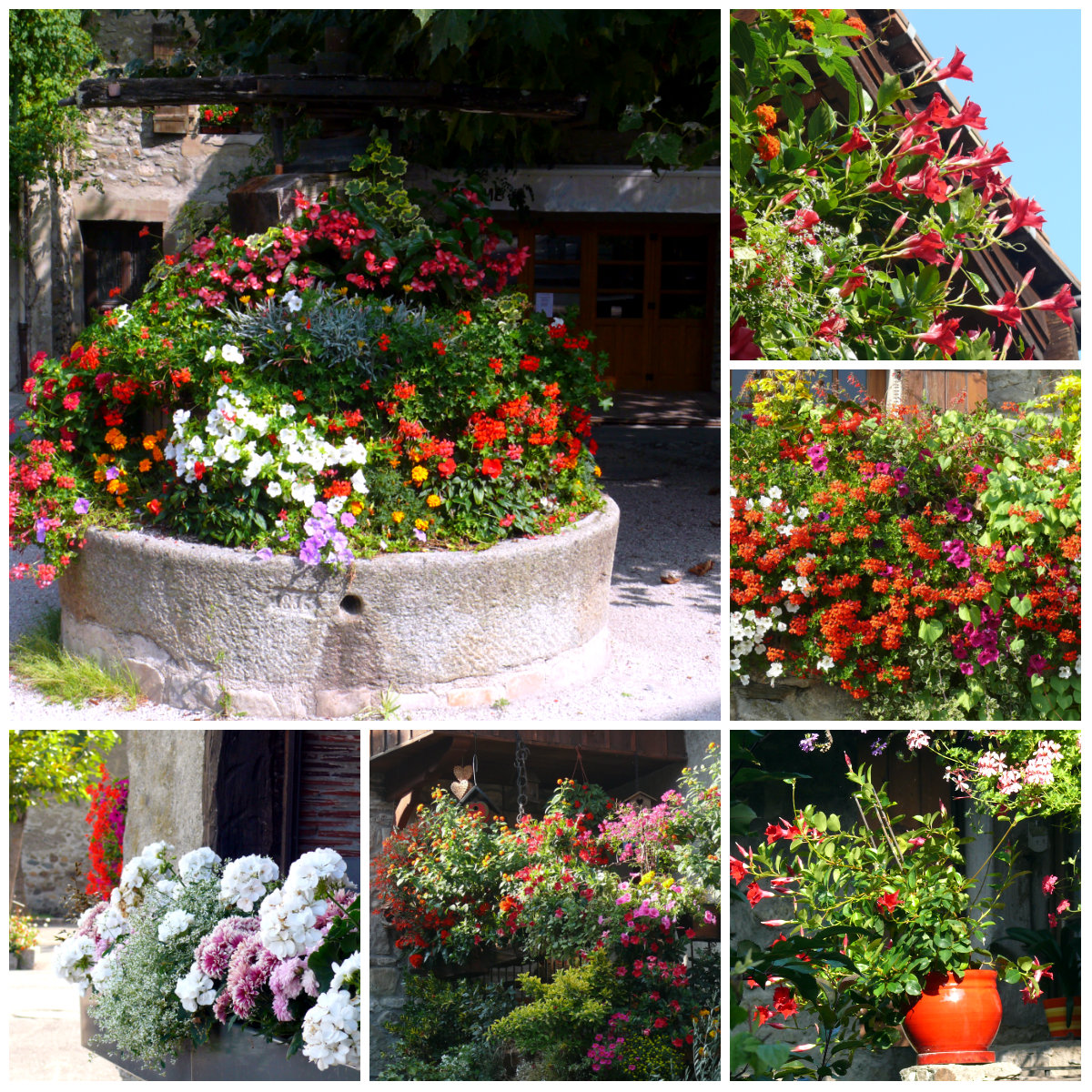
Everywhere you look are flowers: hanging baskets, window boxes on every balcony, containers crammed into tiny nooks and crannies, flowers along the narrow lanes and steps leading to the marina, flowers on steps. Begonias, petunias, pelargoniums. A riot of colour. And then there are the colourful shutters: pale blues and greens, turquoise.
The streets and alleys within the medieval walls are lined with restaurants, bars, tea shops, ice-cream makers, creperies, boutiques and artisan workshops. The unusual onion dome of St Pancras was constructed in 1857, replacing the old campanile. It was eventually covered in stainless steel in 1989 and the top is covered with gold leaf coming from one of the last gold miller in France located in Excenevex, near Yvoire. The church itself dates from 1250.
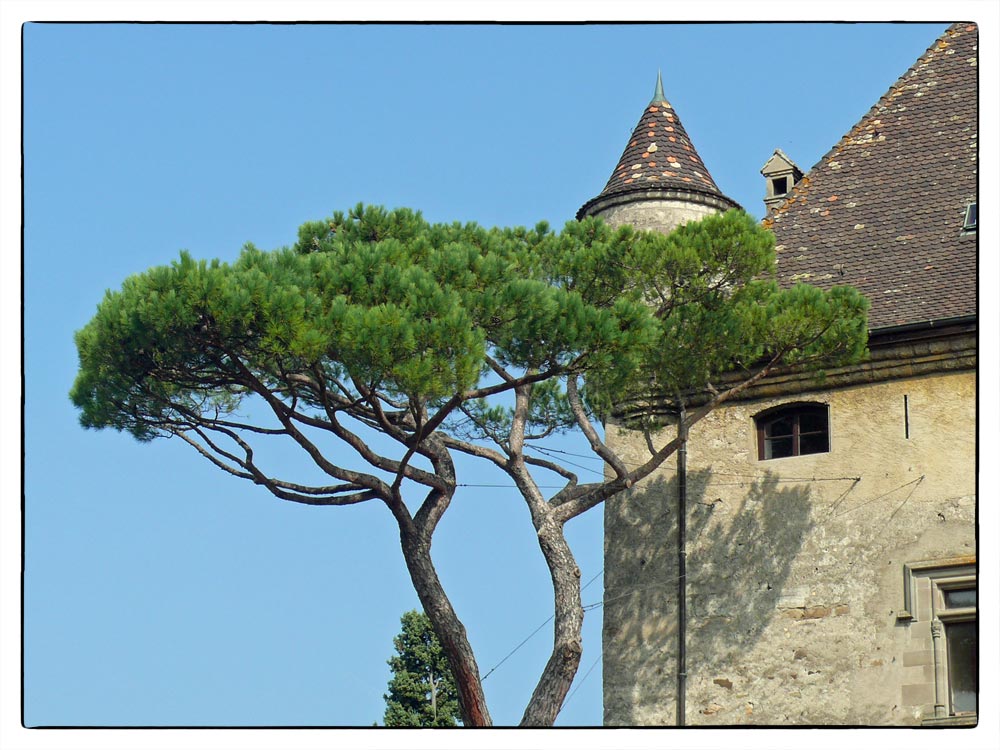
The castle, although privately owned and not open to the public, dominates the village and is a must for photographers. The only question is where to take the photo(s) from. I try to find some unusual angles
Stepping outside the two gates I discovered more floral displays as well as sculptures, hotels and car parks and bus stops. By now it was time to visit that garden, before everyone else descended upon it.
Display outside the ramparts
The Gate of Geneva (or Gate of Nernier) built in the ramparts of the medieval village of Yvoire.
Sculpture
I did finally have some lunch, a little late, but delicious all the same. And what better place than the Brasserie Les Cygnes(swans) in the ferry port where I tucked into Tarte à la tomate et au chèvre, salade mixte and a bier blond citron. Followed by a desert called ‘Baby Estelle’ consisting of pistachio ice-cream, fruit of forest sorbet and sauce and whipped cream. Well I had done a lot of walking. I enjoyed sitting on the upstairs terrace overlooking the port and the lake and reflecting on my day out whilst waiting for the boat back to Geneva.
 “… when we stayed in San Diego several years ago, we were lucky to have an apartment high up in a building overlooking Coronado Island, from where we had the most wonderful sunset views. Although standing out on the balcony to take the photograph was a little hairy to say the least.”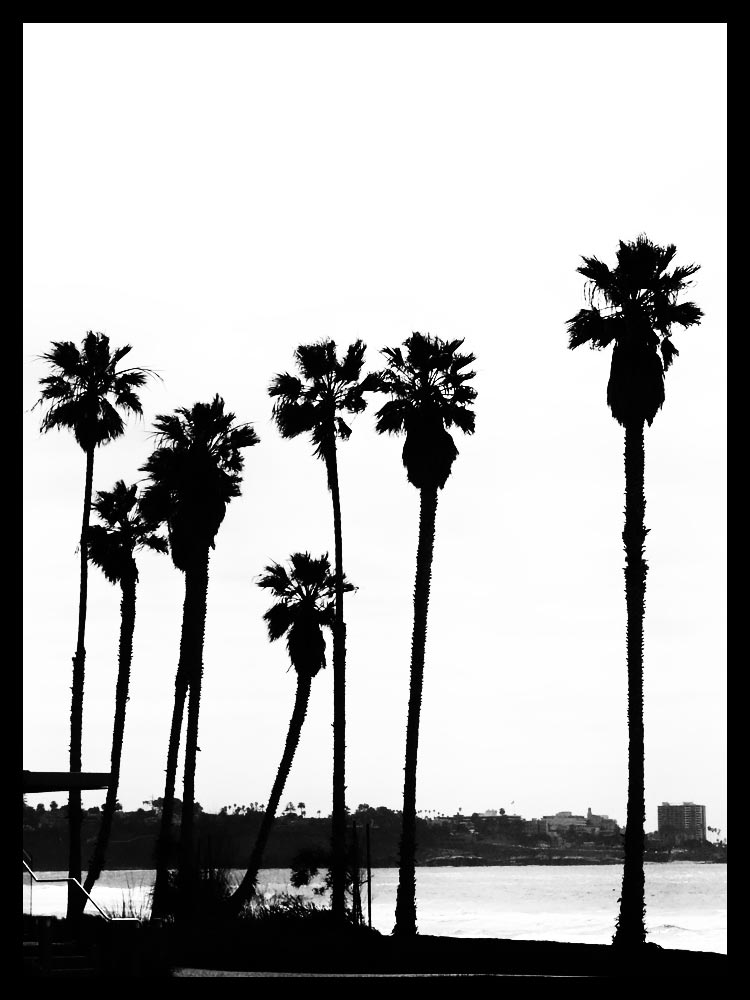










 TRAVEL WORDS