Wherever I travel I like to find a public garden to visit. Prague proved a little more difficult especially in late October, but then I read about the Wallenstein Gardens designed in the Italian style with a sala terrena (a garden pavilion), a grotto, an aviary and an artificial lake with an island.
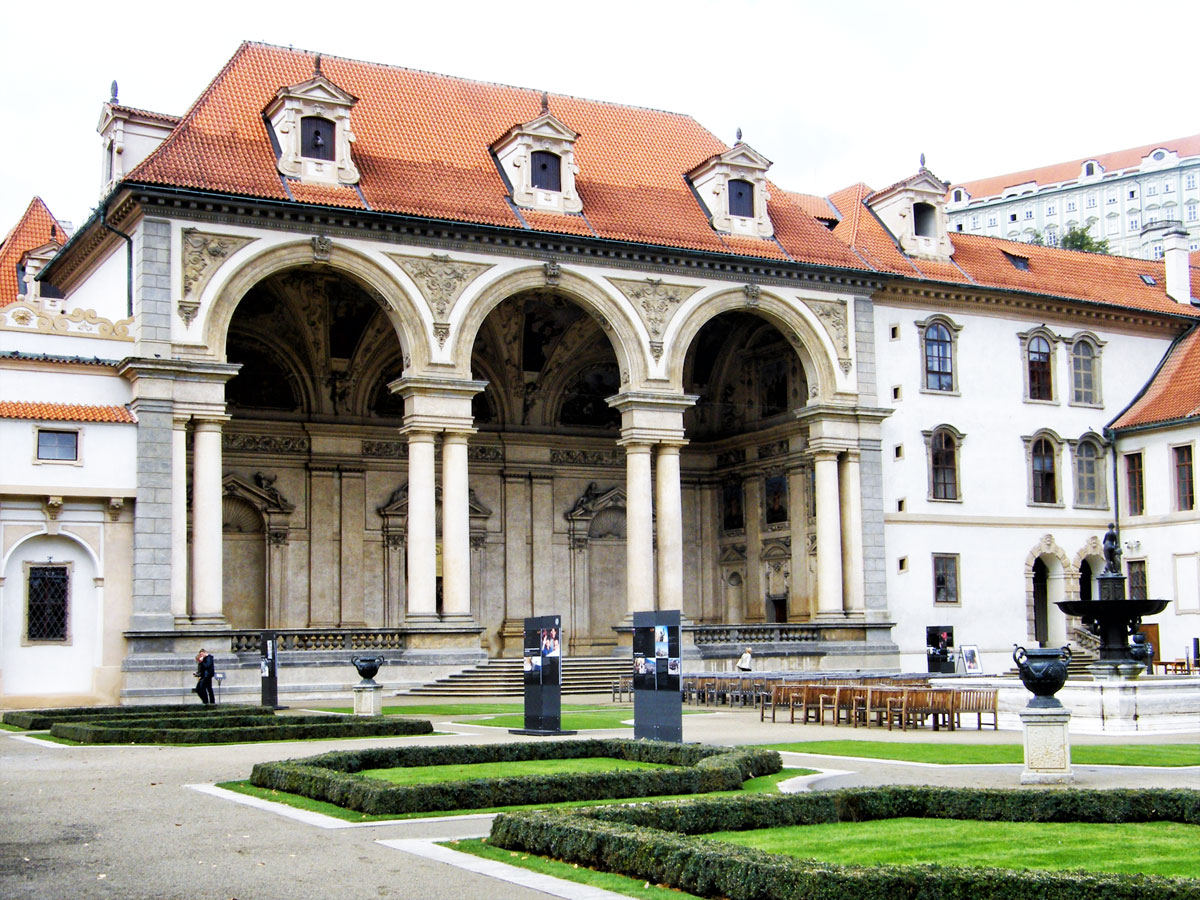
The statues you see in the garden are replicas.¹ The original statues were taken as spoils of war by the Swedes during the Thirty Years’ War in the seventeenth century.


They also took a statue of Venus by Benedikt Wurzelbauer which is the only one to have been returned. A copy of it and all the other sculptures have been replaced in the garden.

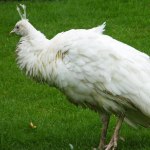
The garden lies in the middle of a beautiful Baroque complex, hidden behind a variety of buildings in Malá Strana. It is free to enter and is a peaceful place to get away from the madding crowds and sit for a while. Peacocks roam the grounds among the many sculptures.

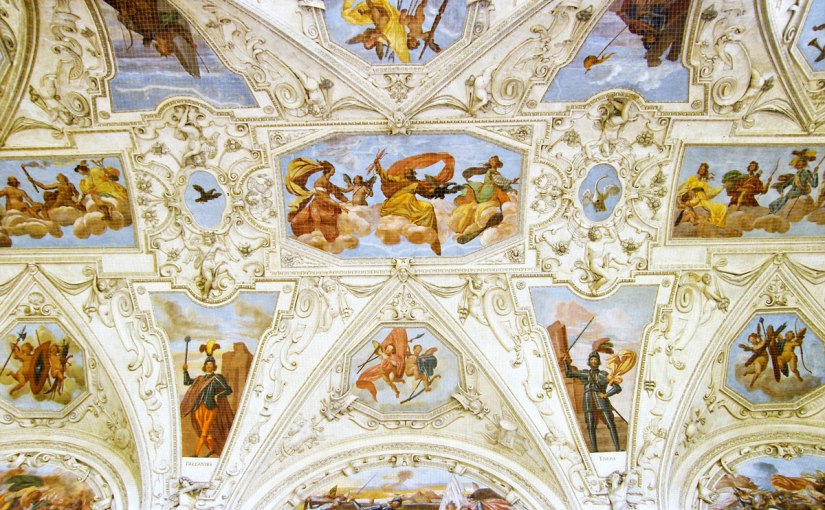
At one end is the Wallenstein Palace which houses the Czech Senate. The palace has a remarkable loggia with painted ceiling (header photo) and at the other end is the Wallenstein Riding School though you won’t find any horses here now.
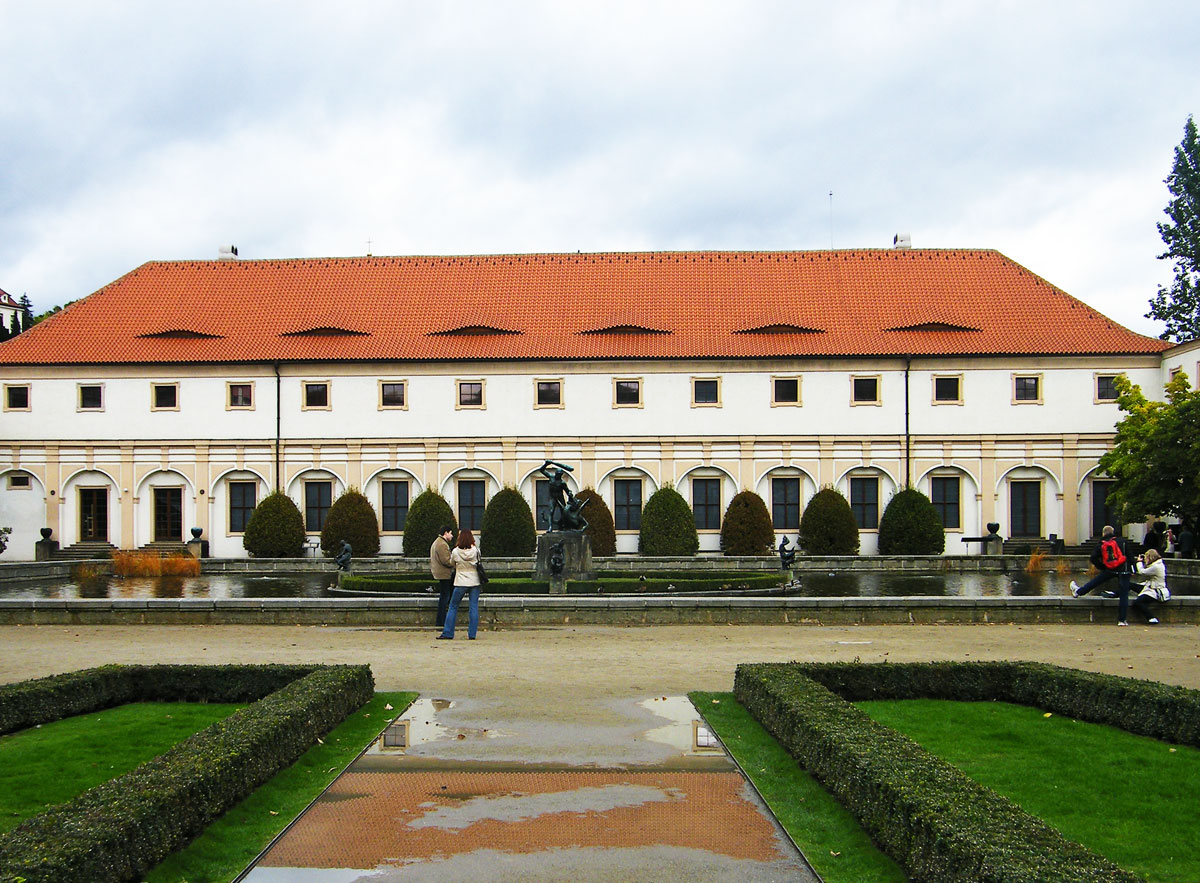
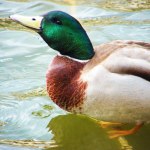
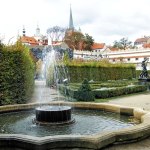
Today, it houses the meeting room and the National Gallery. It hosts various exhibitions of both Czech and international artists throughout the year. Next to the Wallenstein Riding School is a fish pond with koi, pike, and other ornamental fish, a fountain and statue in the middle. Feel free to feed the ducks.



A bizarre part of the garden (and one which I had noticed from the castle) is an enormous stalactite grey wall with hidden creatures among what looks like dripping mud.


During the summer season, the public can watch live concerts and performances here.
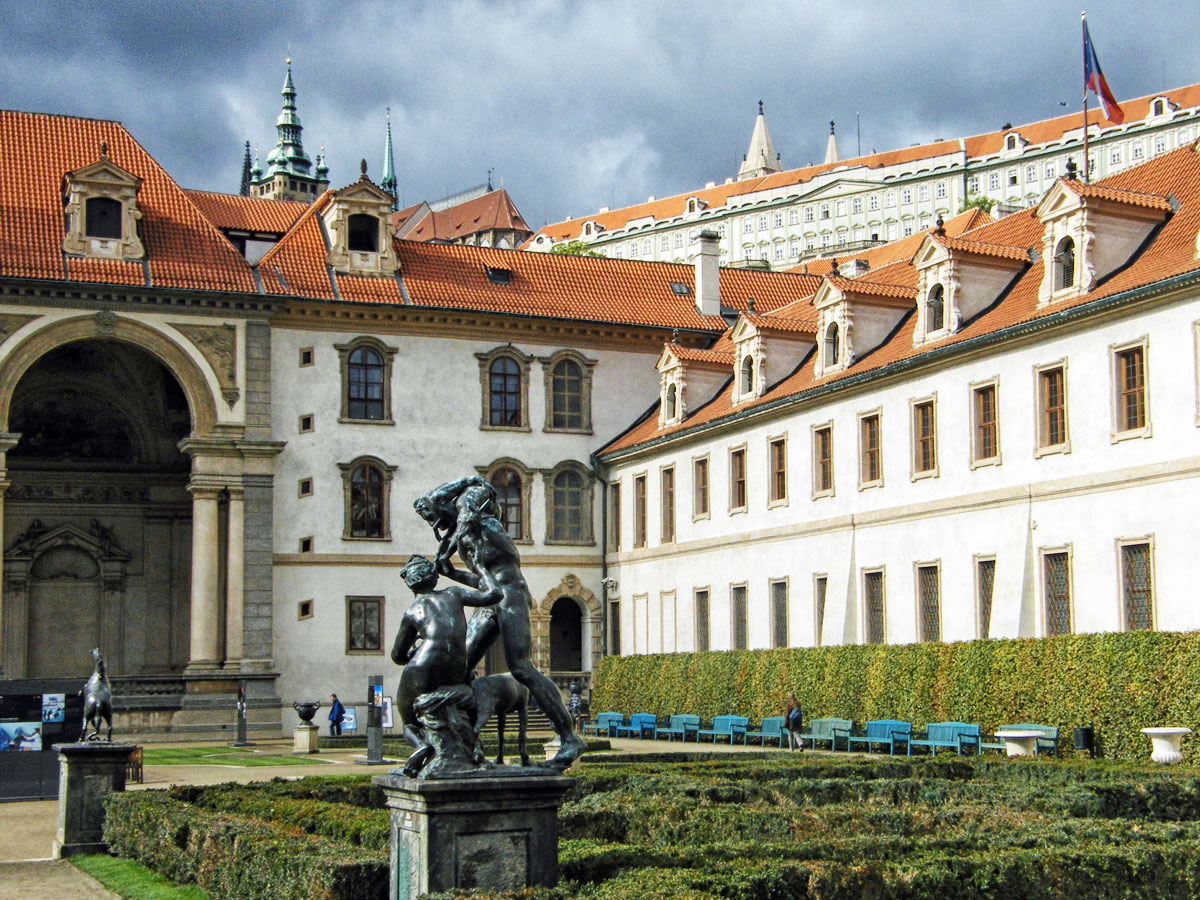
¹In the years 1625 and 1626, a collection of bronze statues and sculptural groups by significant Dutch sculptor Adrian de Vries, depicting antique gods and horses, one of the highlights of Mannerist sculpture was placed there. The Palace has been looted twice: at the end of the Thirty Years’ War in 1648 by mercenaries of the Swedish general Königsmark and during the War of the Austrian Succession in 1742 when the French established a depot there. The Swedes took all the sculptures to Sweden in 1648 where they are located at Drootningholm Palace.
 TRAVEL WORDS