A Walk along the Dee

It was another lovely evening and time for some exercise. We decided to take the riverside walk following the tidal waters of the River Dee up to Tongland Bridge. A three and a half mile stroll along a level path felt doable and would take us around a couple of hours if we didn’t stop too many times to take photos.

DSCF9388

“While looking towards the north the scene is truly delightful, the banks of the river, from Tongland to the sea, being peculiarly rich in natural beauty. In the foreground is the river sparkling in the sun’s rays, and winding like a silver thread among the green meadows; while the grounds around Compstone, sloping gently to the river’s margin, are clothed with plantations of great freshness and beauty.”

Rambles in Galloway, by M. McL., Harper.1876.

The tree-lined Dee Walk begins at the end of the Kirkcudbright bridge and continues upstream alongside the river.

DSCF9421

At the end of the walk several paths lead off back into town, but carry on across the open grass and then after crossing a wooden footbridge (3/4 mile) turn left and walk along the flood embankment by the riverside hedgerow.

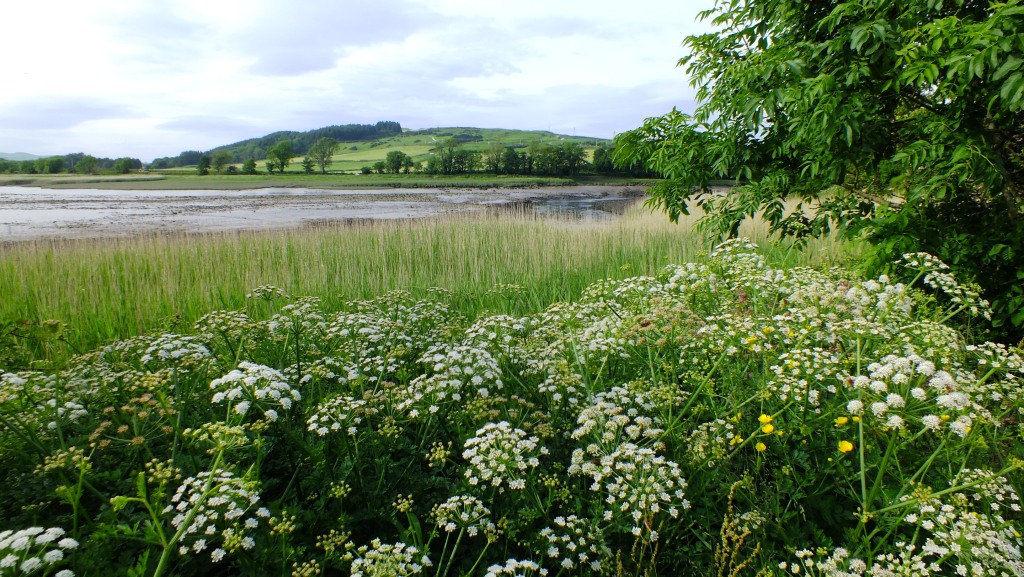
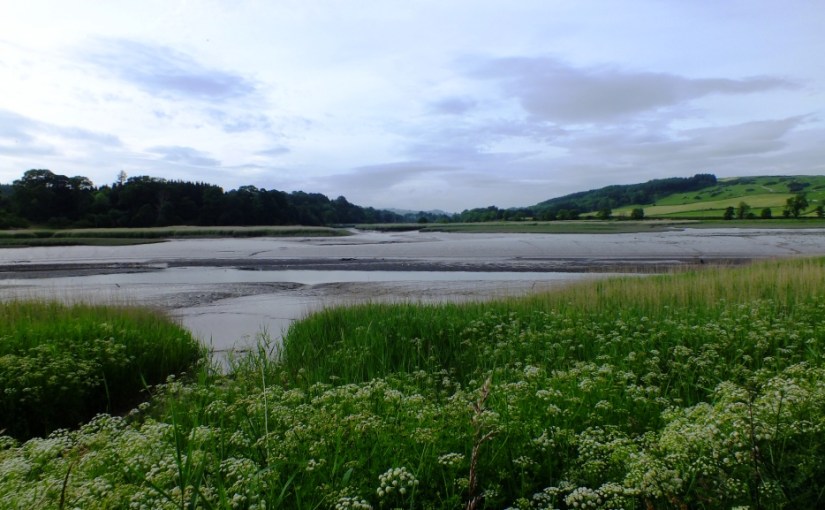
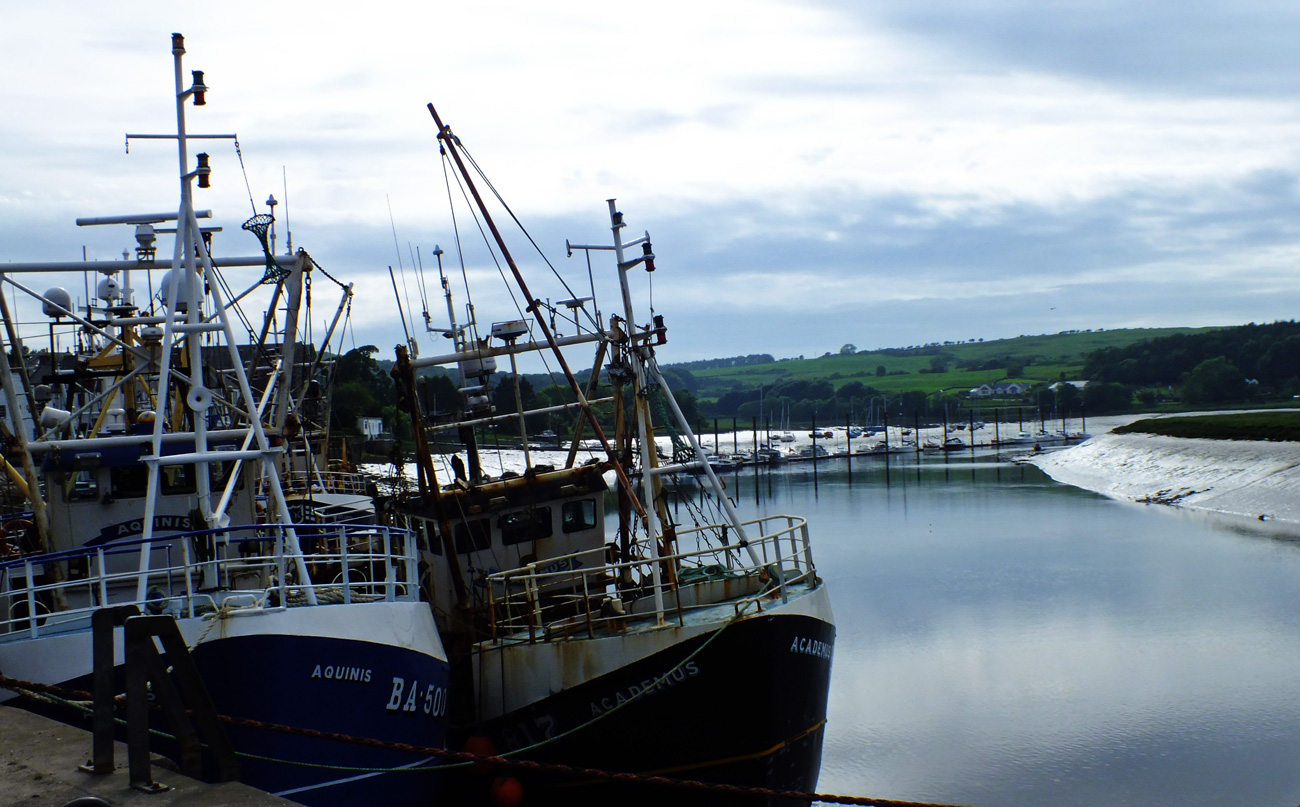
Unfortunately it was low tide, so the walk wasn’t as picturesque as it may be when the river is in full flow. Mud banks aren’t the prettiest of things, but still it was a lovely sunny evening and the wet mud glistened silver in the late sunlight.

DSCF9462

DSCF9450

Several abandoned boats provided photo opportunities

And a cormorant standing out on the sand bank drying his wings

DSCF9455

There are good views over the reed beds and the odd bench provides a rest and chance to look back at the town.

DSCF9472

DSCF9449

DSCF9484

Just before the Bridge, there is an attractive strip of deciduous woodland, with some steep drops by the river side.

DSCF9495

DSCF9522

And finally we reached the bridge. Which proved very difficult to photograph because of all the trees and scrub in front of it. This is a Thomas Telford design with three Gothic-pointed arches. The crenellated towers and the corbelled parapets are the work of Alexander Nasmyth.

DSCF9505

We returned to the town by retracing our steps, though we could have followed the road back as there is a roadside footpath. There we picked up some excellent fish and chips from Polarbites and took them back to our cottage to eat.

If you enjoy a walk, short or long, then you may enjoy visiting Jo’s Monday Walk where you are in for a treat.
New Abbey Buildings

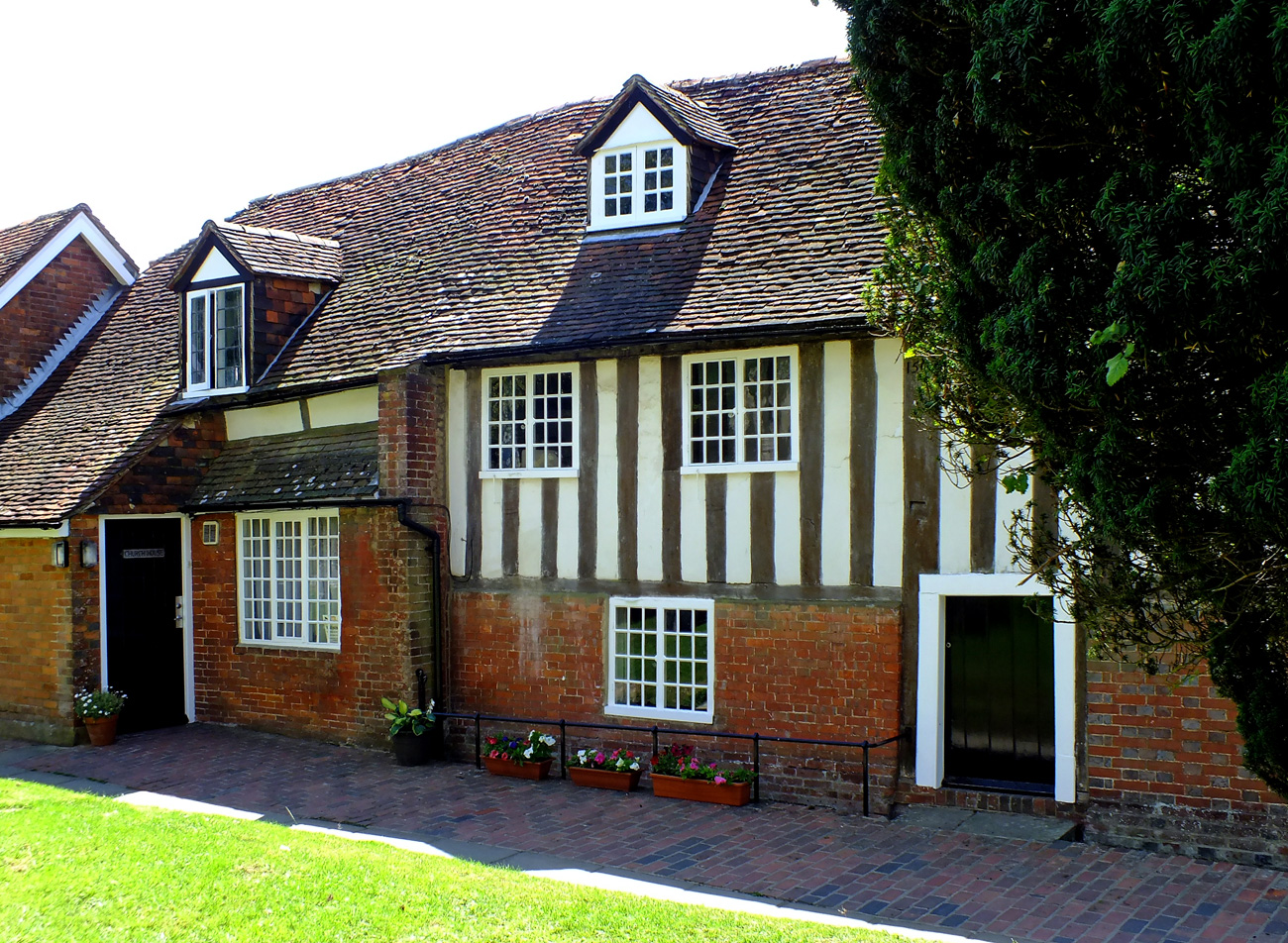
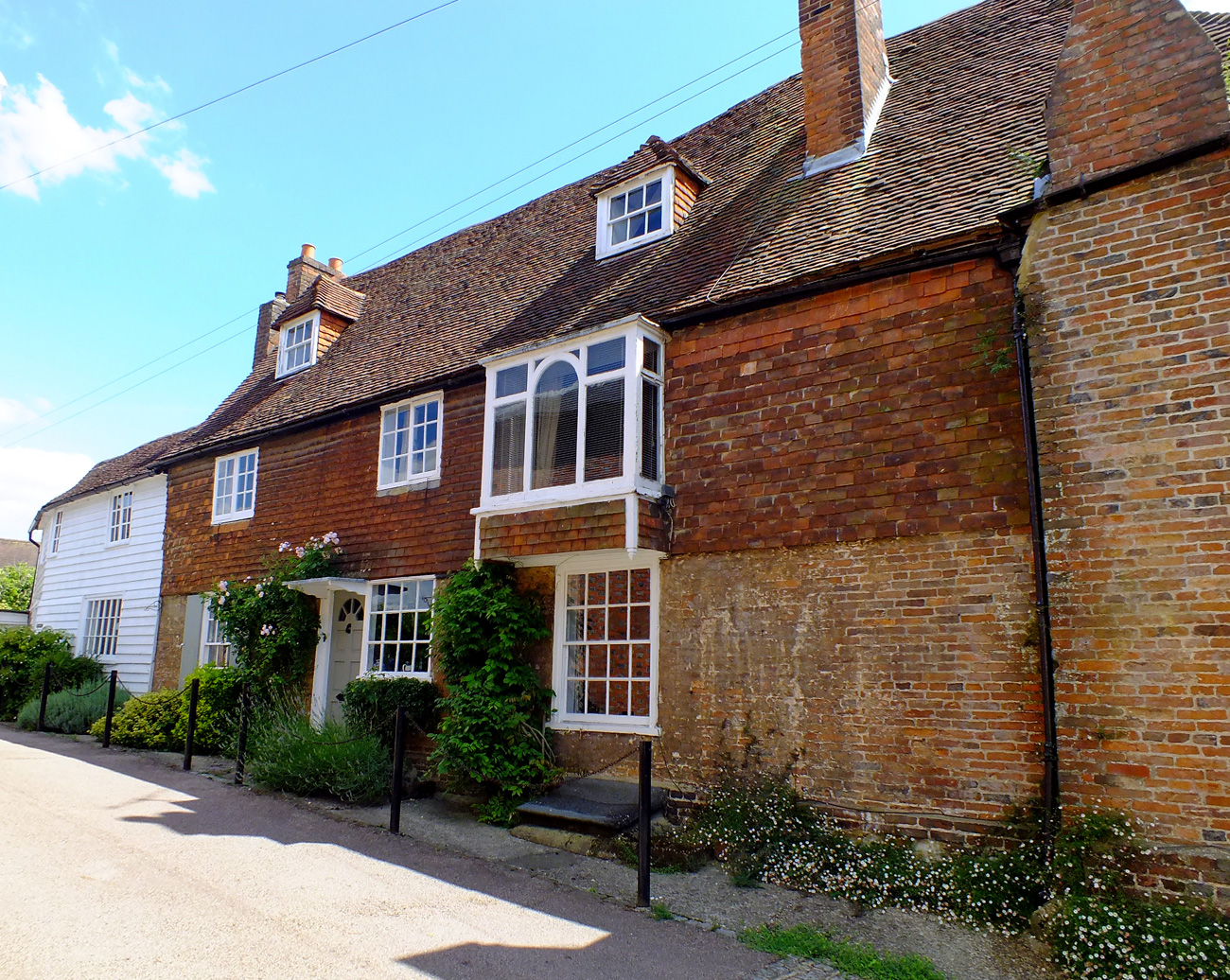
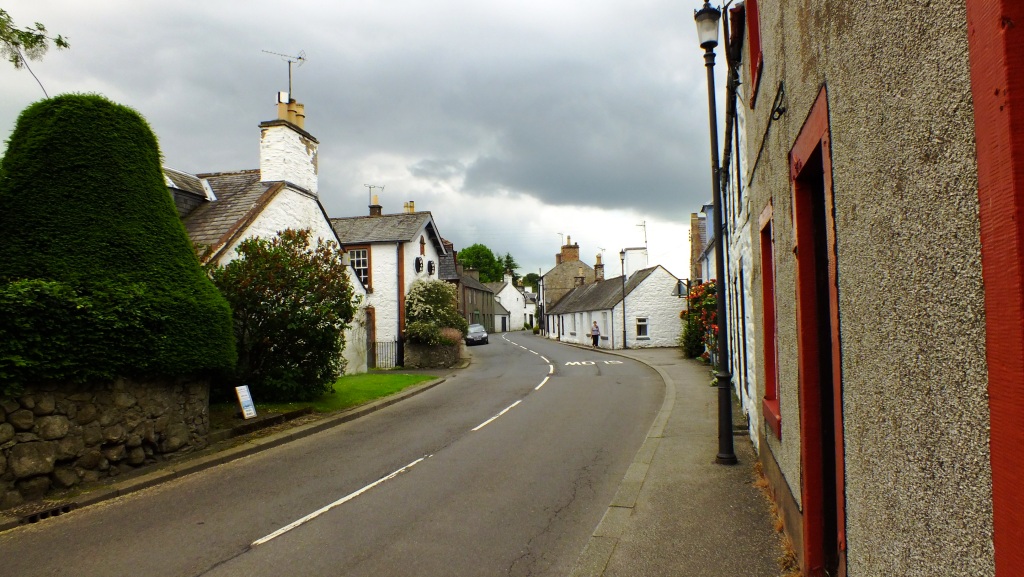
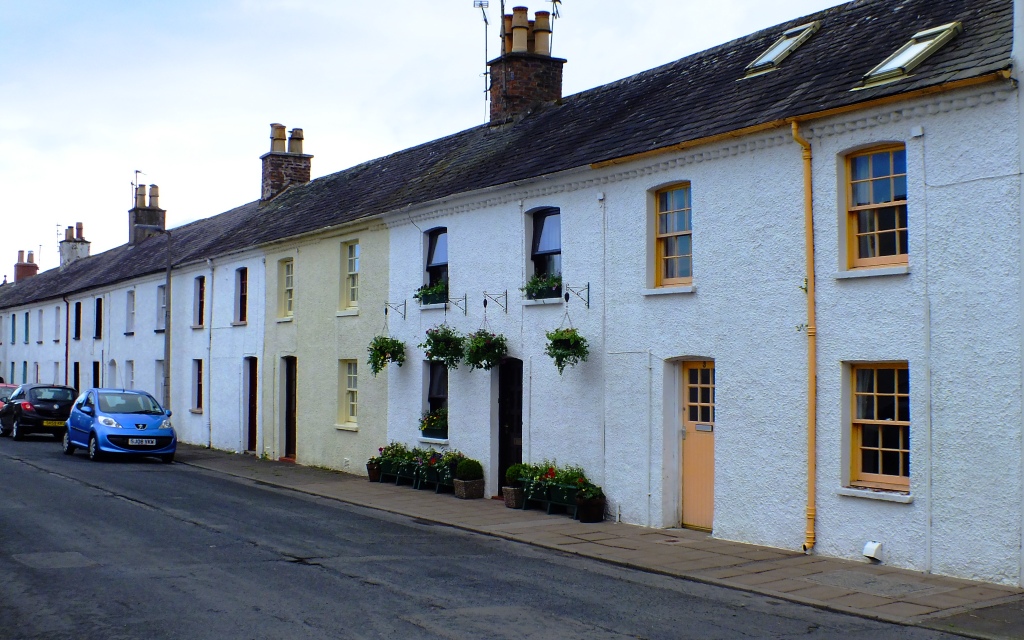
Although the main reason for visiting New Abbey was the delightful Sweetheart Abbey, we also took a stroll along the main street to the Corn Mill at the bottom. There are some interesting houses and windows that I thought I’d share with you.

DSCF0330

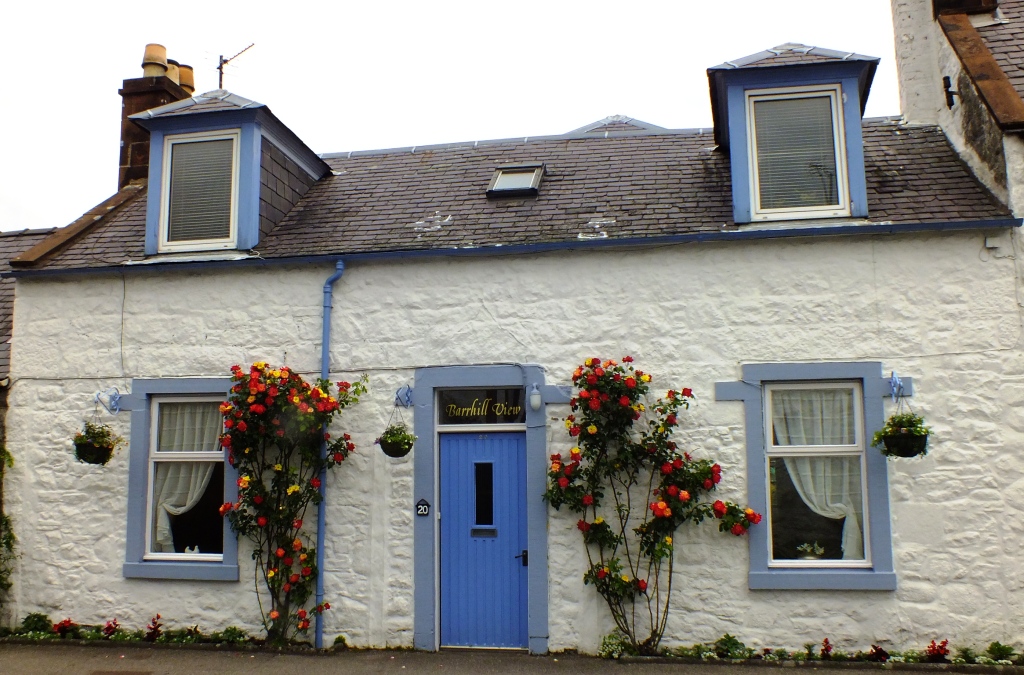
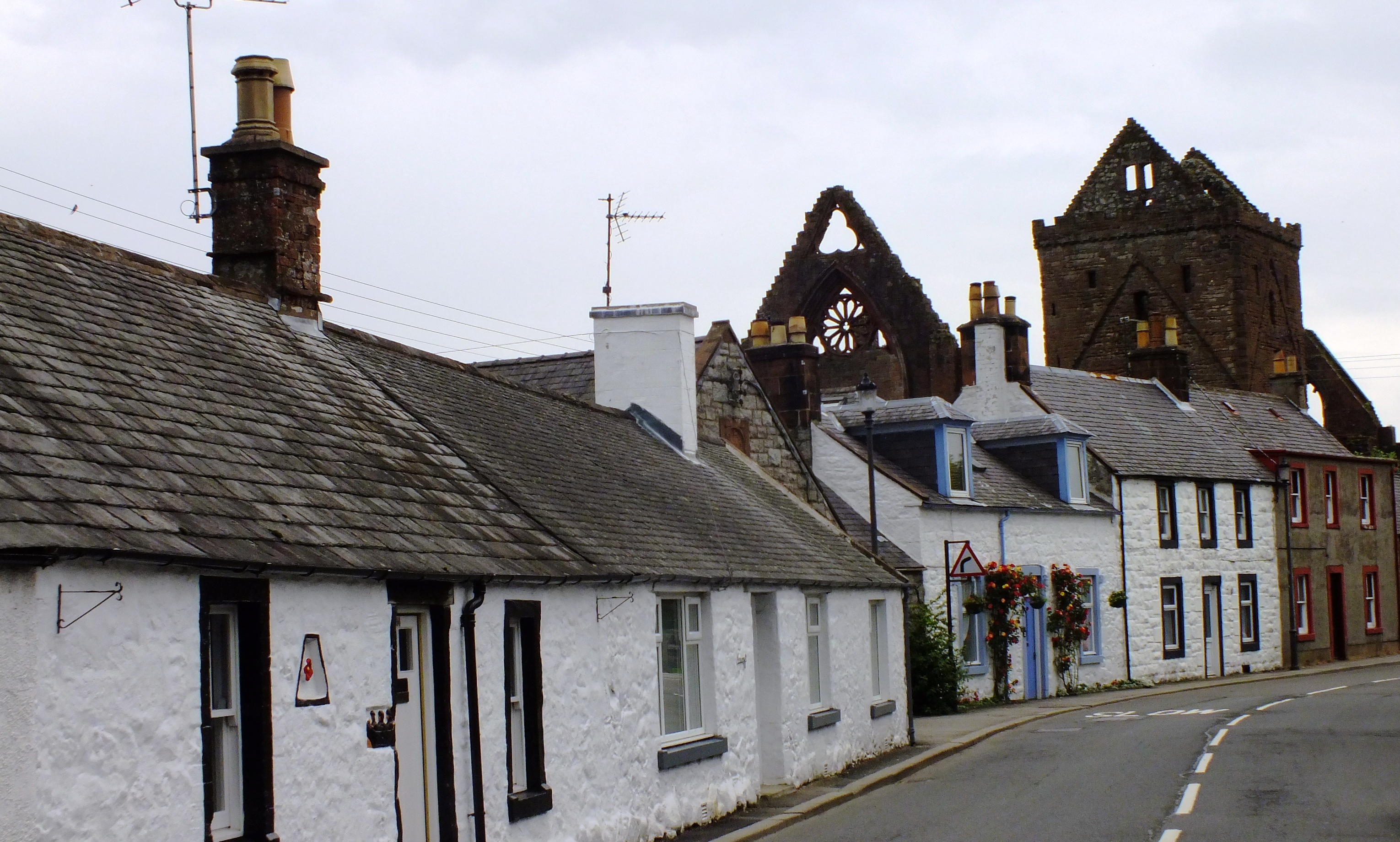
From the carpark at the Sweetheart Abbey head back to the road and turn right through the village down to the working Corn Mill. Pass several single-storey rubble-stone, whitewashed cottages like this pretty blue-painted framed openings with roses around the door.

DSCF0332

Rosewall

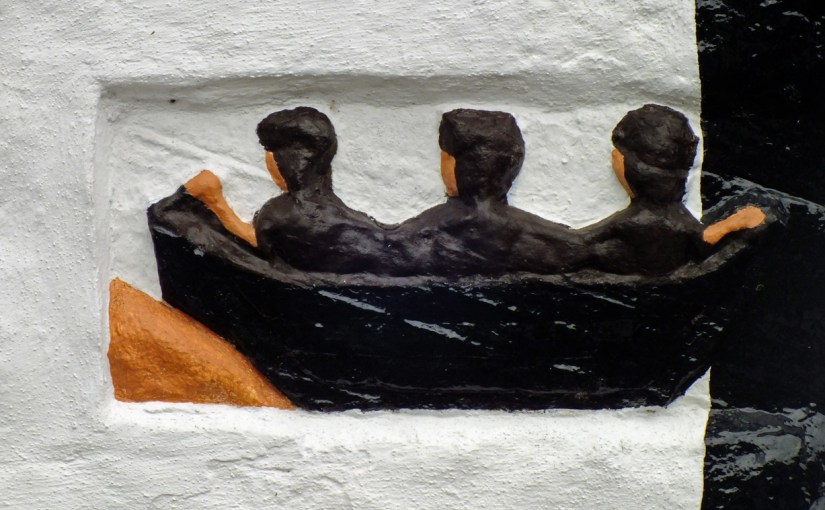
Mid/late 18th century. Single storey 3-bay cottage with central door and 2 carved stones incorporated. Carved stones represent a) 3 men in a boat, b) rose motif in incomplete pediment.

The Port House

Probably late 16th/17th century, but heightened late in 18th or in first quarter of 19th century, and openings altered.

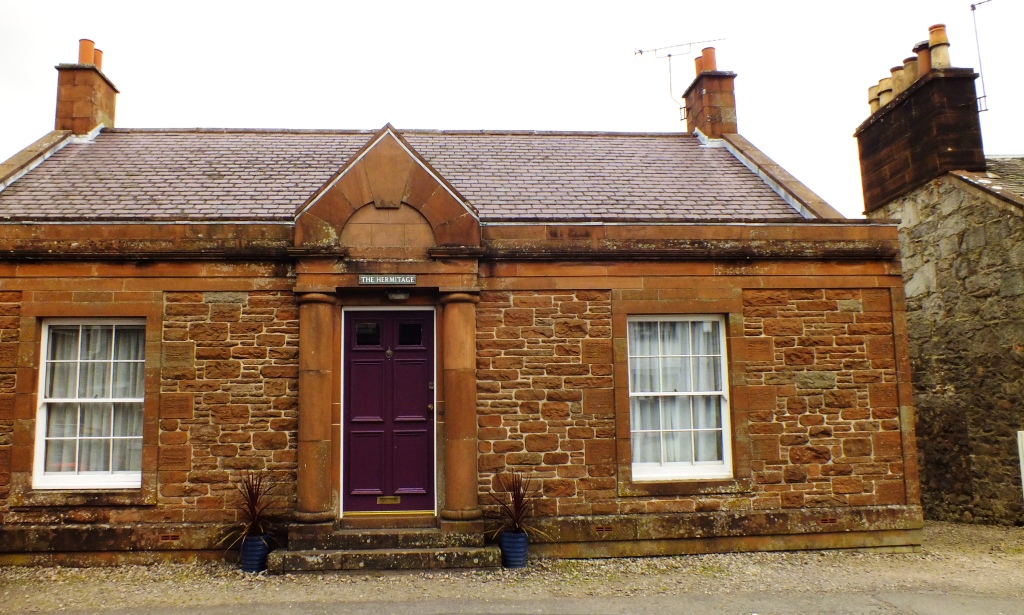
The Hermitage

DSCF0341

Windows filled with interesting old glass bottles.

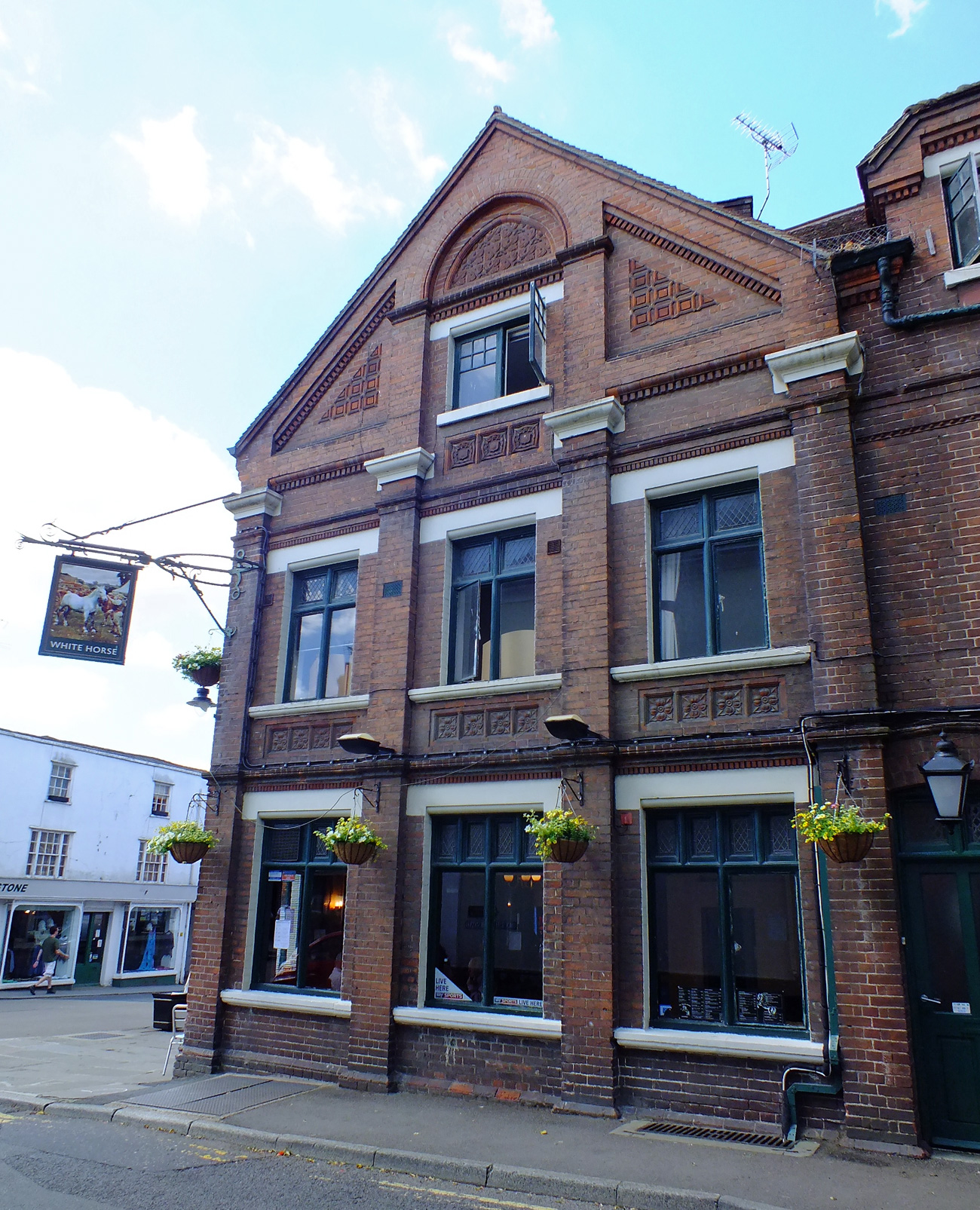
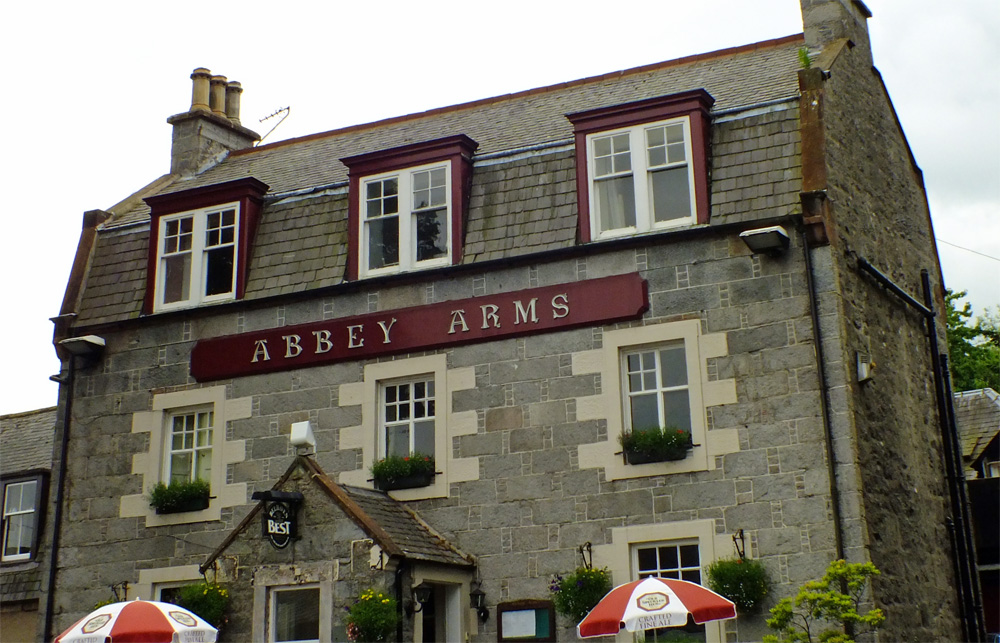
And two village pubs facing each other across the square.

DSCF0348

and another house with an interesting plaque

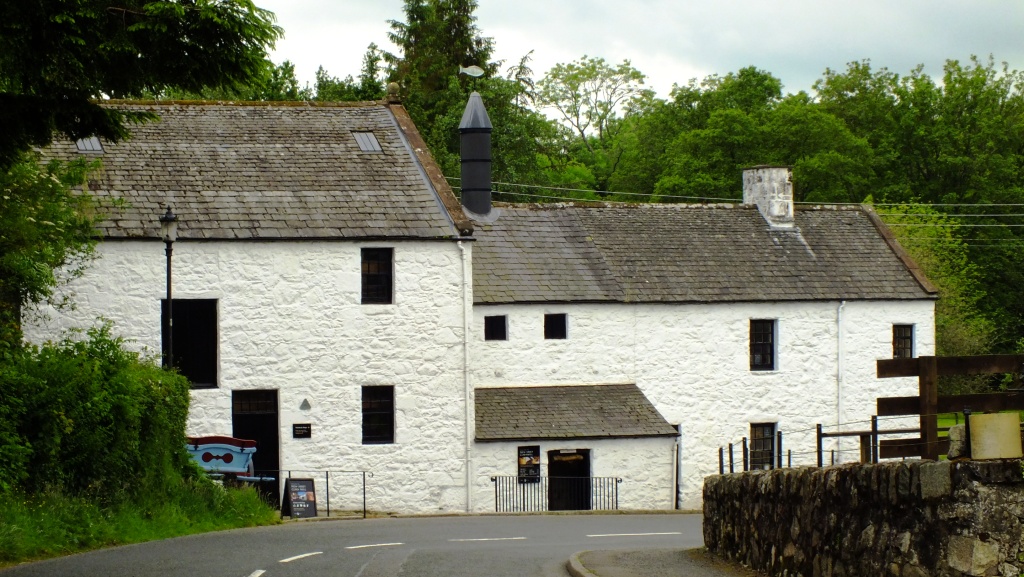
And finally the Corn Mill

DSCF0344

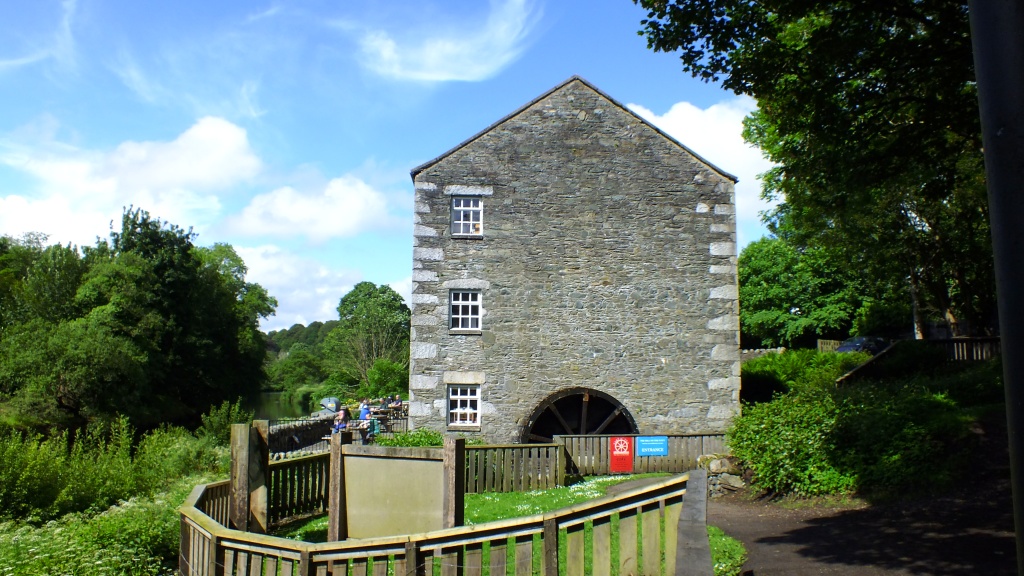
Now under the care of Historic Scotland, this three-storey whitewashed mill building was built towards the end of the 18th century by the Stewarts of nearby Shambellie House. However, it is thought that it reaches back much later than that, perhaps to as early as the late 13th century, when the Cistercian monks established their monastery of Dulce Cor (‘Sweet Heart’ ) at the far end of the village;  today the mill is still known locally as ‘Monks’ Mill’.

Behind the mill is an 1806 Masonic Lodge converted to church hall 1887; now a dwelling house.

New Abbey must rank amongst the prettiest settlements in the area with its whitewashed cottages overlooked by the Abbey ruins.

DSCF0336

If you enjoy a walk, short or long, then you may enjoy visiting Jo’s Monday Walk where you are in for a treat.
Or if your interest is windows then Dawn from ‘The Day After’  invites participants to post pictures of any windows that  they find curious, inviting, photogenic, or in some way tell a story.

Capturing Cornwall (Carnewas)

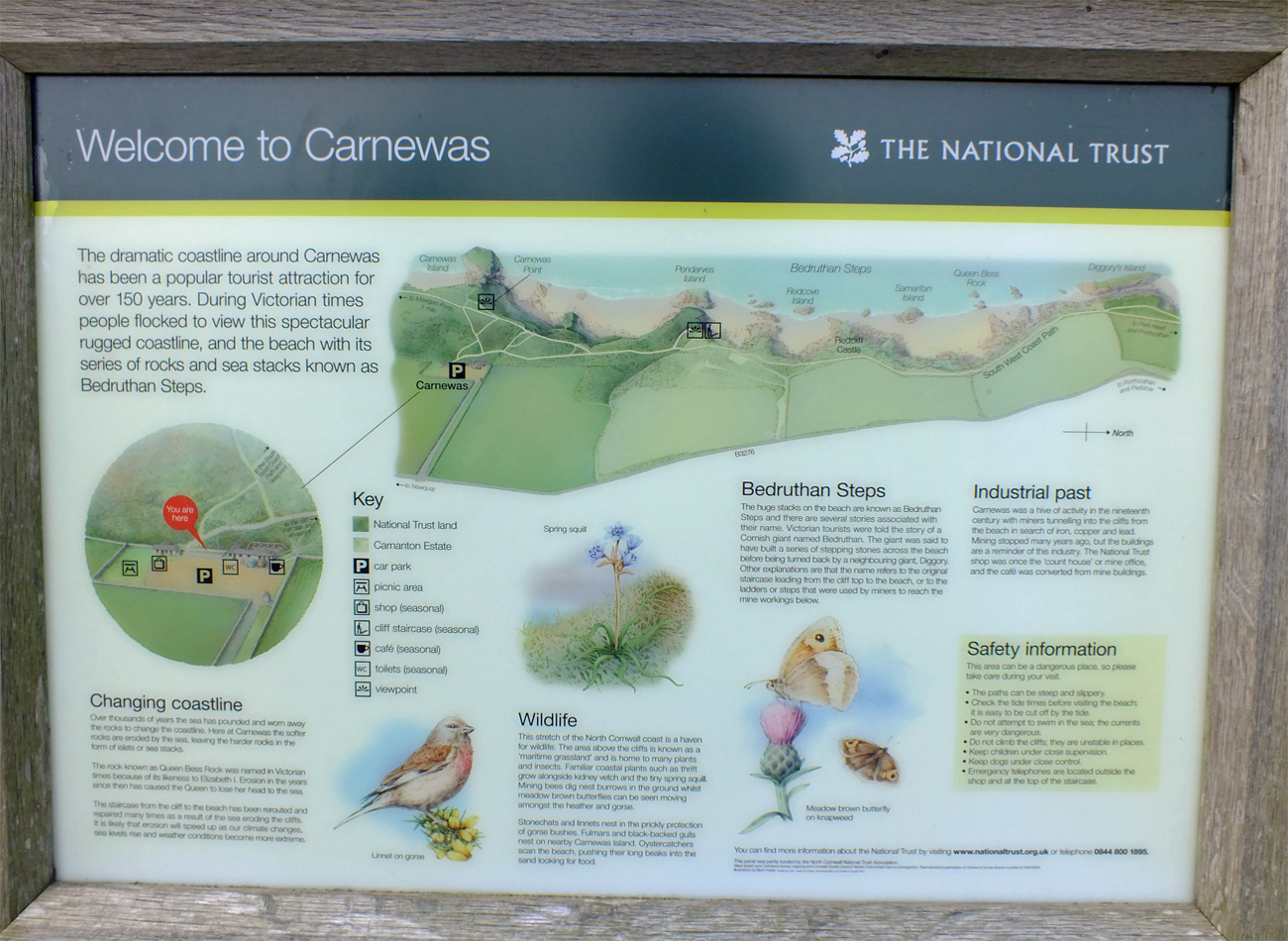
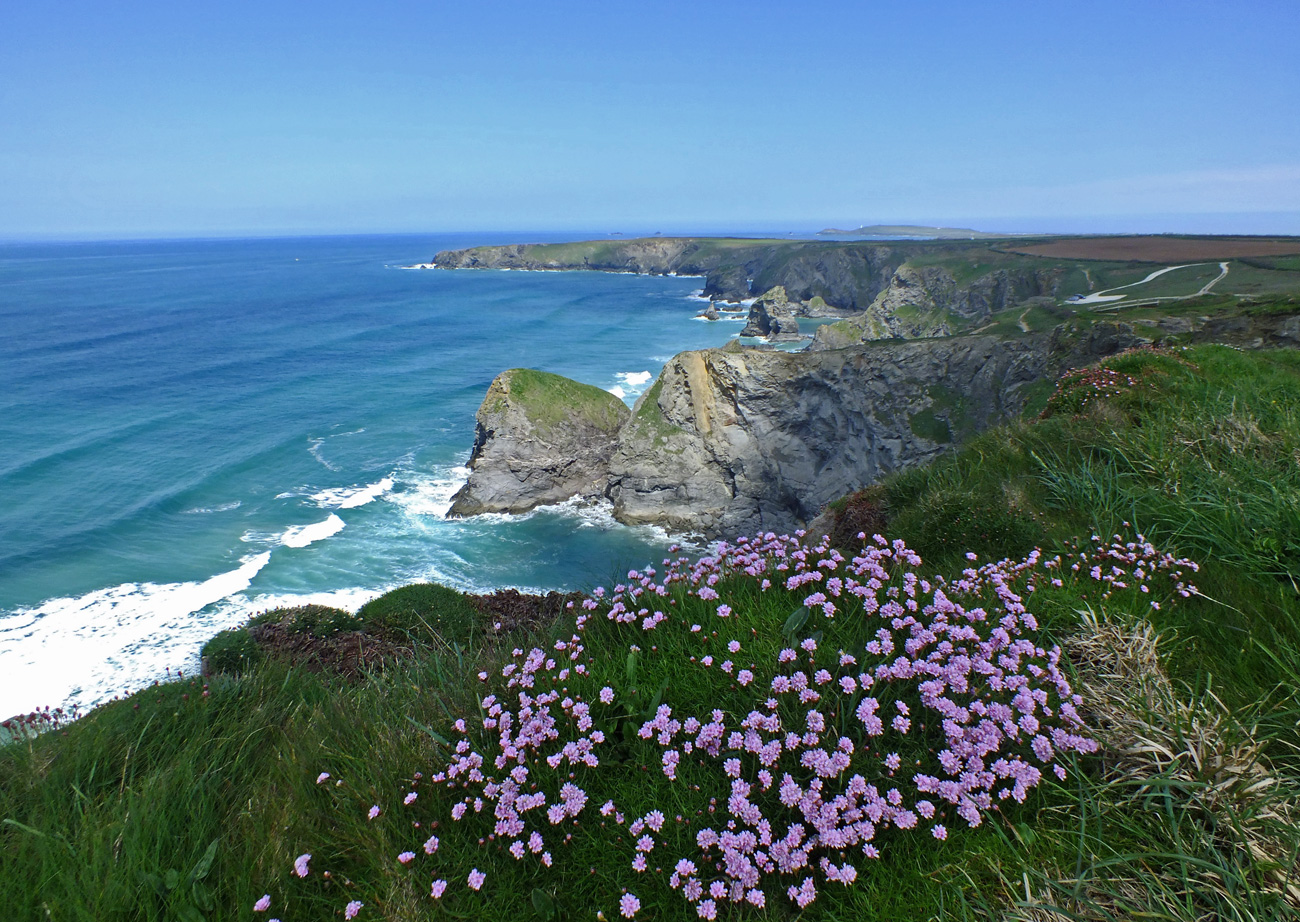
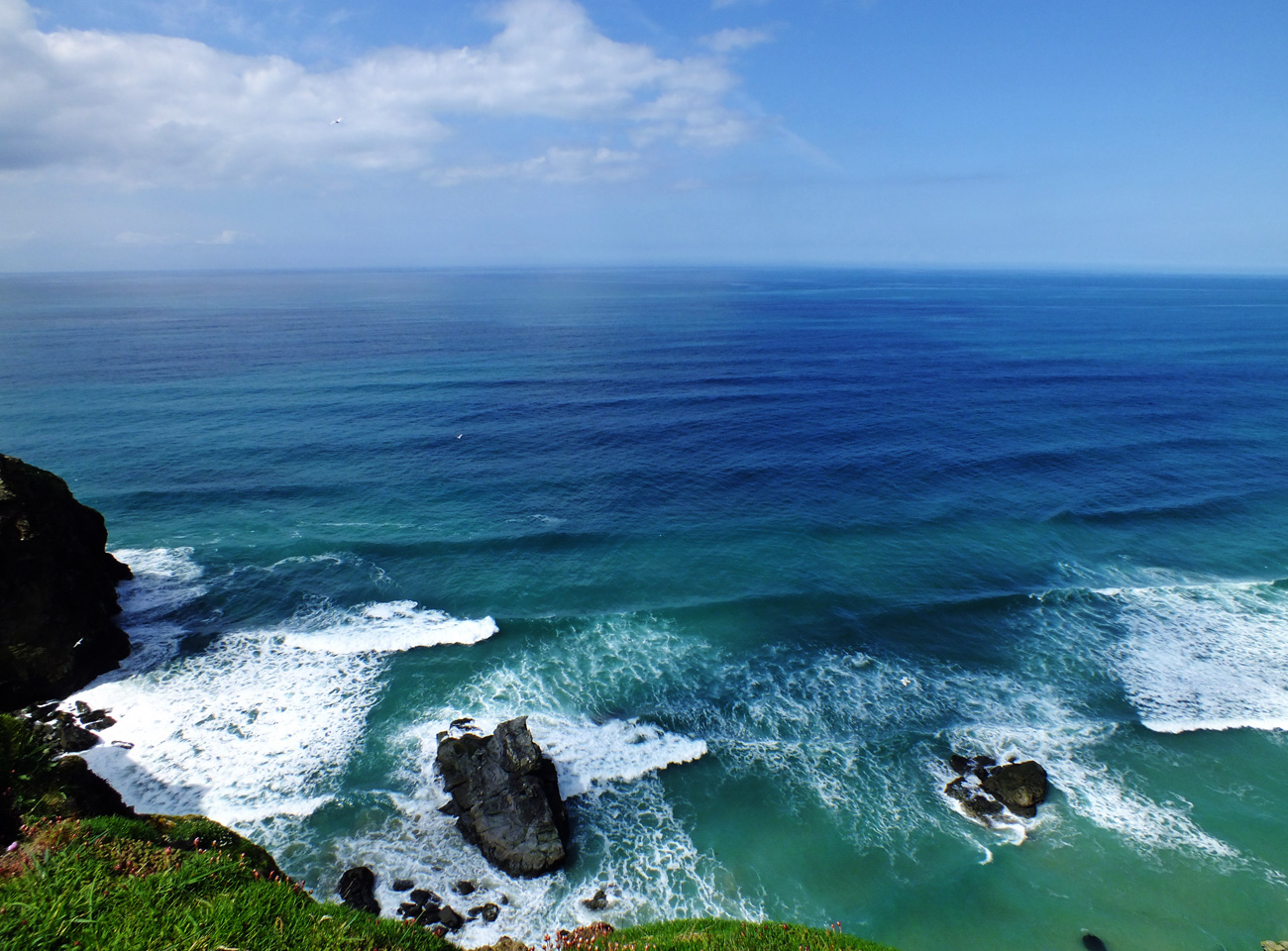
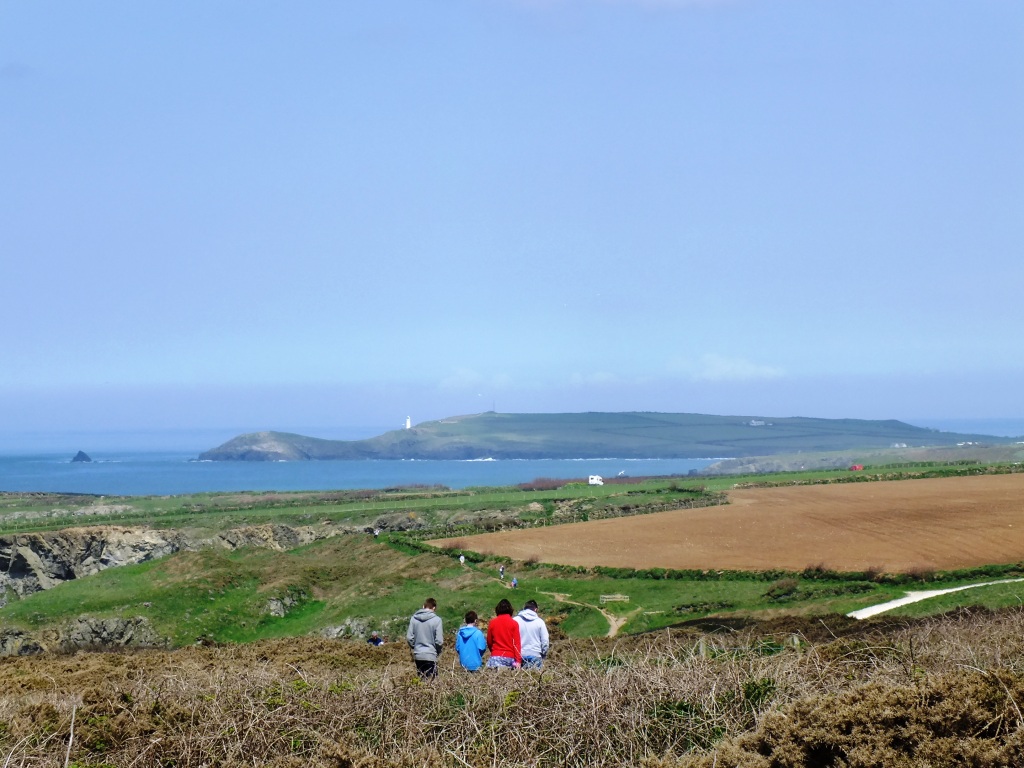
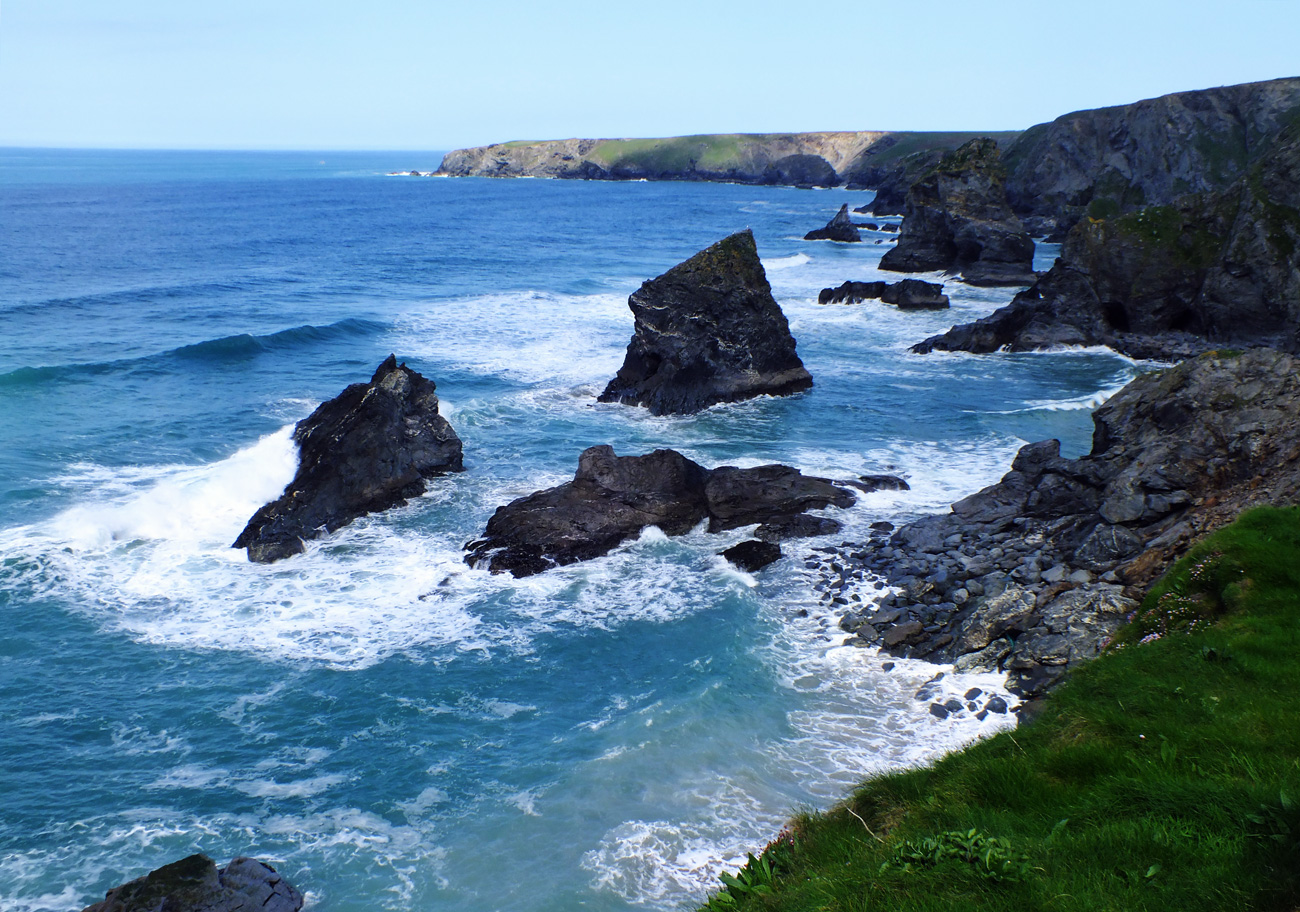
We started at the NT car park at Carnewas (along the north Cornish coast half-way between Padstow and Newquay) where there is a lovely tea-room which is open throughout the summer months. From here you cannot see anything of the coastline. DSCF5515 Well established paths lead you through the gorse on a detour to the cliffs from where you have amazing views of the cliffs in both directions, along to Trevose Head and the spectacular sea stacks at Bedruthan beach and south towards Mawgan Porth.

DSCF5524
Coastal Path looking south
DSCF5530
Looking north to the Bedruthan Steps
Looking Down
Looking Down

After admiring the views return to the main path and continue down the wide steps to the bottom where you have good views over the beach when there is a low tide, or the waves crashing over the rocks when there isn’t.

I must go down to the seas again, to the lonely sea and the sky,

~ John Masefield

When the tide is out you can take the steep stone beach steps to access the beach. (These steps are closed from November and there is no swimming from this beach because of the currents).

The rest of the route includes slopes, steps and unfenced cliff top, none of which are attractive to the OH, so we returned to the café for a cool glass of ginger beer.

Trevose Head in the distance

There is no record of the name “Bedruthan Steps” before 1847, but it is thought to have originally referred to one of the two cliff staircases to access Carnewas mine (presumably the one nearer to the village of Bedruthan). The name later also became used for the name of the beach itself.

The legend of Bedruthan Steps was invented for Victorian tourism, said to be taken from a mythological giant (Bedruthan) who used the rocks as stepping stones. These were formed after the last Ice Age, when rising sea levels eroded the surrounding soft shales to leave the harder rocks as islands. Each of the 5 rock stacks has a name (Queen Bess, Samaritan Island, Redcove Island, Pendarves Island and Carnewas Island). DSCF5543 This is a very short walk, but can be extended if you continue along the south-west coastal path to Porth Mear or in the other direction to Mawgan Porth returning through the countryside.

If you enjoy a walk, short or long, then you may enjoy visiting Jo’s Monday Walk where you are in for a treat.

The Gatehouse of Fleet

The town takes its name from its location near the mouth of the river called the Water of Fleet which empties into Wigtown Bay at Fleet Bay, and its former role as the “Gait House” or “the House on the Road on the River Fleet” or toll booth of the late 18th century stagecoach route from Dumfries to Stranraer, now the A75 road. It was a safe haven along this route, and travellers would often stop in the area rather than furthering the journey at night due to the high numbers of bandits and highwaymen at the time. Wikipedia

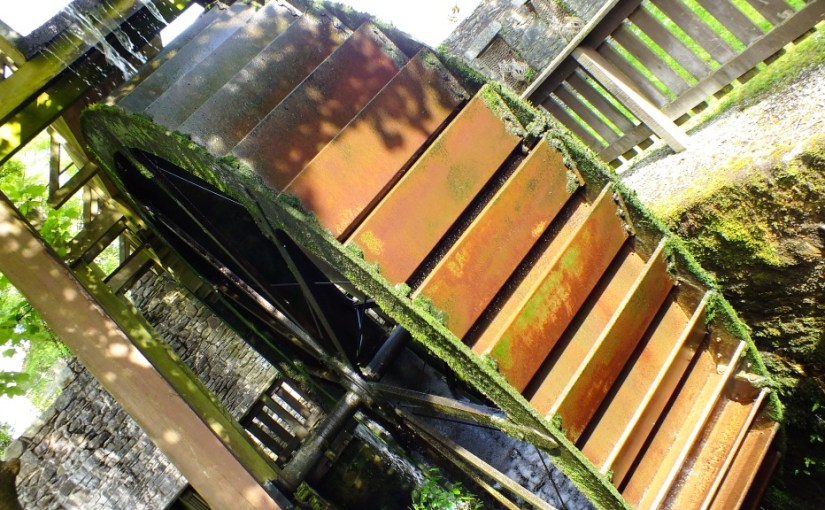
We drove a few miles from Kirkcudbright to visit the converted mill ‘The Mill on the Fleet‘ (1788) to have  a look at the art gallery and bookshop and also have coffee and cake on the terrace at the  Tart n’ Tea  café. The most delicious cream choux pastry I have ever eaten.  Cardoness Castle is on the outskirts of the town too and Cally Nursery, which I didn’t get the time to visit.

DSCF8502

Having picked up a leaflet from the Information Office in Kirkcudbright of a Walking Tour of the town I dragged the OH off for a stroll.  I think he’d have quite happily remained on the terrace or in the second-hand bookshop if it hadn’t been closing time.

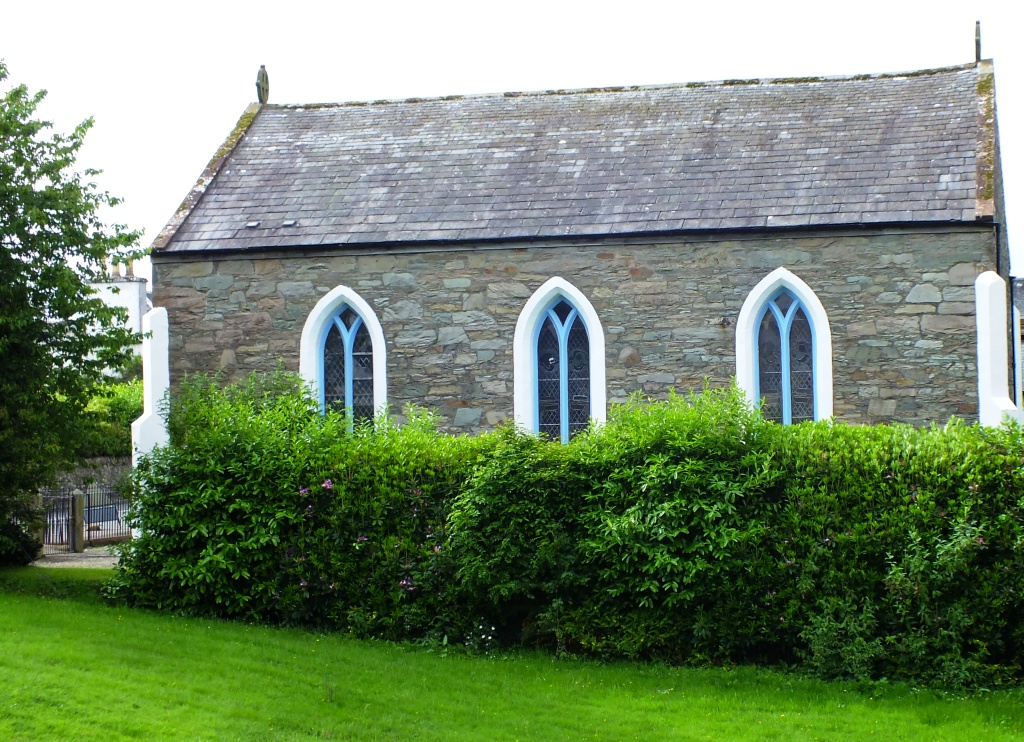
Leaving the Mill behind you cross over a pedestrian bridge and through the park to the Riverbank – a housing project built in the 1950s to cope with the overcrowding and poor conditions in Gatehouse. Turning left on to Hannay Street you pass an interesting little Episcopal Church with robin’s egg coloured painted windows.

DSCF8584And on the corner stands the rather dilapidated Ship Inn (previously Anworth Hotel) where Dorothy L Sawyers wrote Five Red Herrings. One of the Gatehouse artists of the ’20s and ’30s, Alice Sturrock, also lived along here.

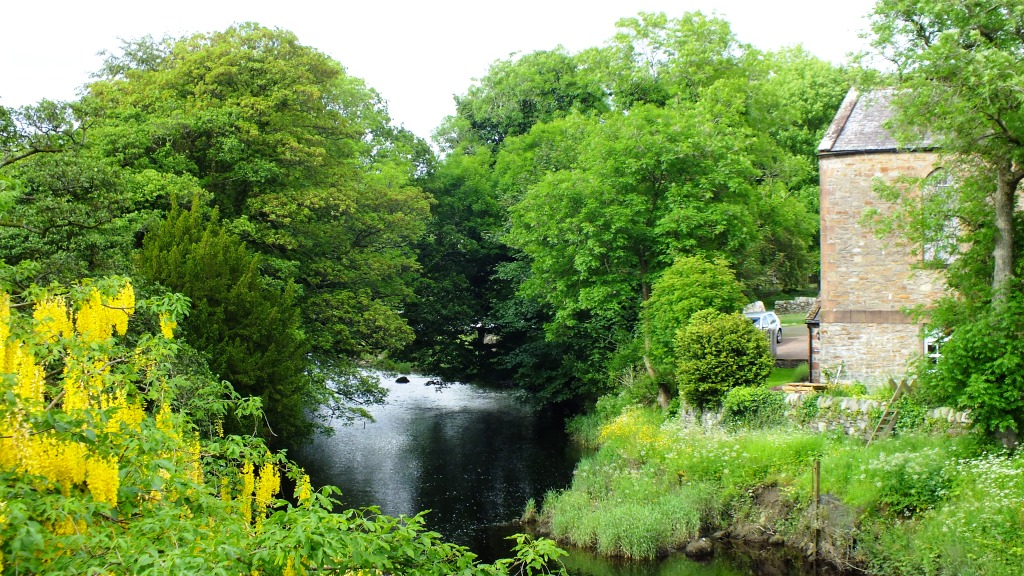
The town harbour used to be here, but no longer. The river is still tidal at this point. Turn left onto the High Street and cross the road bridge.

DSCF8589

DSCF8585

In front of you to the left is the Spar and Post Office which were once a tannery. Opposite was a former brewery complex, now flats.

DSCF8594

Continuing up the High Street the red sandstone building was the Town Hall. Now only the front remains, the rest of the building demolished in 1978 and replaced by a lovely little public garden that leads into Garries Park.

Naturally we took the garden route and after passing the bowling green (below) we came out on Ann Street.

Bowling Green
Bowling Green
View from the Bowling Green

The Cotton Mill (Scott’s Mill) at the top of Ann Street

DSCF8631

Ann Street

Ann Street

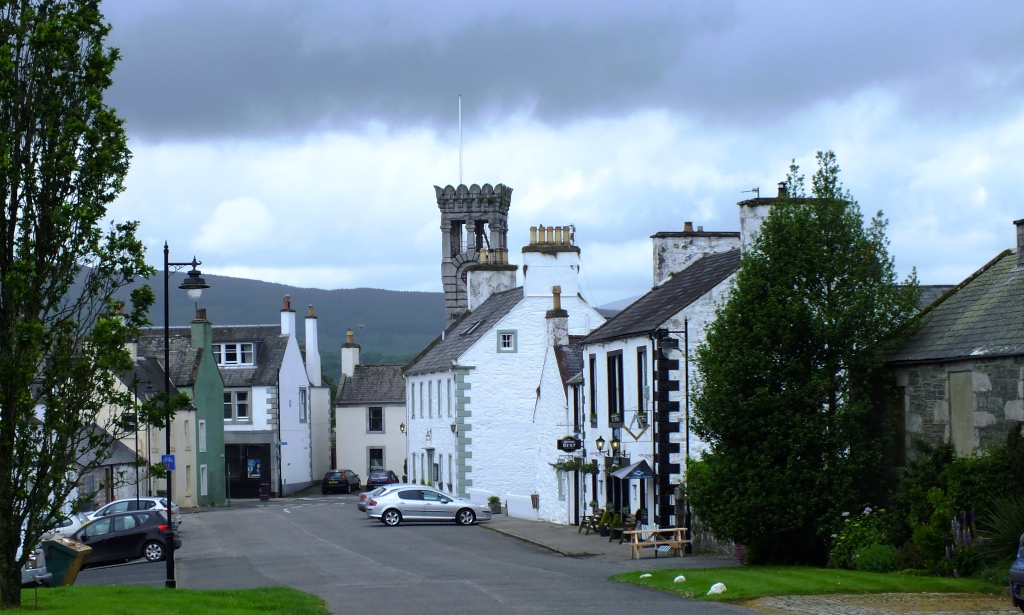
At the bottom of Ann Street is the clock tower (1871) and on the left in the courtyard of the Murray Arms is the original gatehouse. This building predates the town and may have been an inn on the old road to the ford.

The Murray Arms
The Murray Arms

Also in Ann Street is the Masonic Arms and opposite the Cally Estate office which looks to be under renovation. This, along with other local locations, featured in the cult movie The Wickerman.

Crossing the High Street we headed along Castramont Street, past the Parish Church with masses of Philadelphus (mock orange) scenting the evening air.

a rather quirky decorated house (now this would have been a good photo for the Kitsch challenge)

and down Birtwistle Road with its rather lovely row of workers’ cottages and back into the Mill grounds by way of a gate at the end of the lane.

DSCF8680


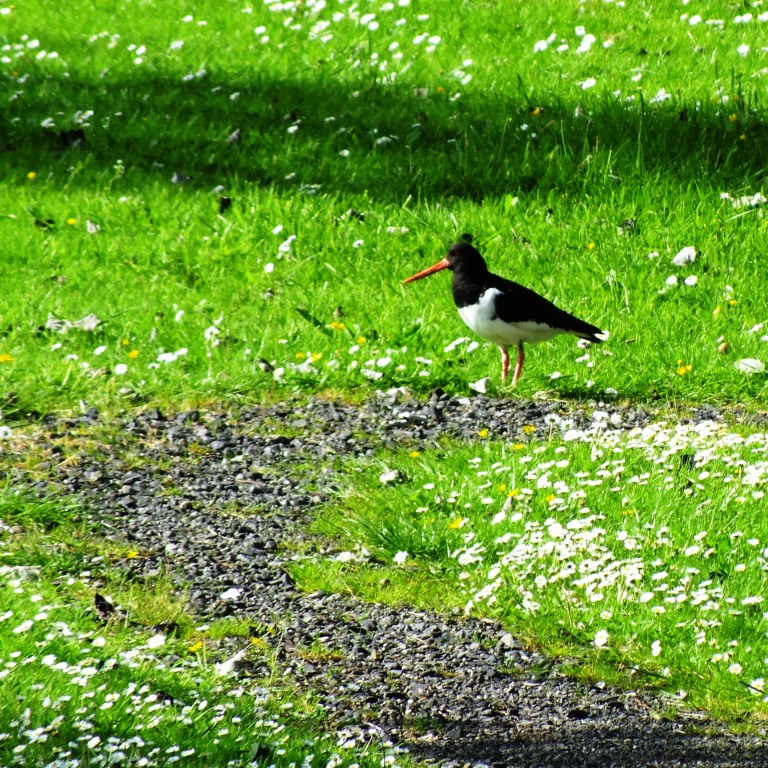
And the final thing I saw and photographed was a lovely oyster-catcher in the park. Now a reminder of a dear blogging friend.

oyster catcher (2)

Source: Fleet Valley Trails Town Trail leaflet (Dumfries and Galloway Council)

If you enjoy a walk, short or long, then you may enjoy visiting Jo’s Monday Walk where you are in for a treat.

Circumnavigating Grasmere Lake

Whilst in the Lake District last month – time flies – we did a couple of lakeside walks. One, around the pretty picture postcard village of Grasmere is about 3 miles long which is long enough for me, especially as on this day, rain threatened.  The lake is one of the smallest and a full circuit should not take long unless, like me, you stop to take dozens of photographs. The start and end of the walk is on the road, but it is fairly level once you reach the lake shore and there is a lovely lakeside beach at the southern end.

After wandering around the lovely village for half an hour or so, we headed off along Red Bank at the west of the village (near the church) and up hill where stunning homes nestle amongst the woodland filled with vibrant pinks and mauves of rhododendrons. DSCF7167

Where fayries wander

Selma and Siri's Lakeland cousins perhaps?
Selma and Siri’s Lakeland cousins perhaps?

and bright yellow Welsh poppies huddle alongside the hedgerows. In fact I am reminded of Wales here. Though it feels lighter somehow.

One, the wooden Garden House, appealed to me, but I dare say the price is high as well as the terraced garden, but oh, what a view.

DSCF7188The road continued meandering around bends, with no sight of a lake.

DSCF7194

Then, a glimpse, through the trees and not long after we found the rough track leading down to the shoreline.

And a lovely house by the side

The views once we reached the shore were amazing. Lush green fells rearing up all the way around the lake, the village now shrouded in cloud and to the south, just a glimpse of the beach we were heading to.

DSCF7245

DSCF7235

And neat wooden boardwalks to help us safely over the streams that feed into the lake.

Ripples in the rain
Ripples in the rain
Lakeside Path
Lakeside Path

The path follows the shoreline until you reach the southern end, where you head up slightly into woodland, before coming out onto the beach. This must be a lovely place for a picnic in the summer months. It was, however, a little drizzly today.

DSCF7251

But with beautiful reflections in the mirror-like surface

DSCF7249

We found more people at this end of the lake (and discovered later that there is a car-park not too far away), some sitting admiring the view, others walking their dogs,  and other fit people climbing up the fell behind us.

DSCF7256

DSCF7257Now we had to decide which way to go. There was no obvious sign, so we headed over the wooden bridge and into the woodland. Only to get lost. Later we realised that we should have simply followed the path alongside the river as that led to the road and car-park. It was awfully wet though.
DSCF7261Into the wood

DSCF7264Finally, after doubling back on ourselves a couple of times, we found a way out of the wood and onto the very busy A591 road which leads to Windermere. Fortunately we only had a few metres to walk before hitting the pavement which took us back into Grasmere. Can you spot that lovely house overlooking the lake?

DSCF7273

A last view of the lake at the northern end.

DSCF7277

If you enjoy a walk, short or long, then you may enjoy visiting Jo’s Monday Walk where you are in for a treat.