A Stroll Around Ludlow Castle


And so they came to Ludlow, which some say is the fairest country town in England. In the twelfth century its walls were pierced with seven gates of which only one now remains, but everything else about it today is overshadowed by its magnificent castle, a memorial to the days when its courtyards echoed to the ring of steel and armoured knights rode over the drawbridge to fight the marauding Welsh.” Malcolm Saville, 1958

(click on an image to enlarge)

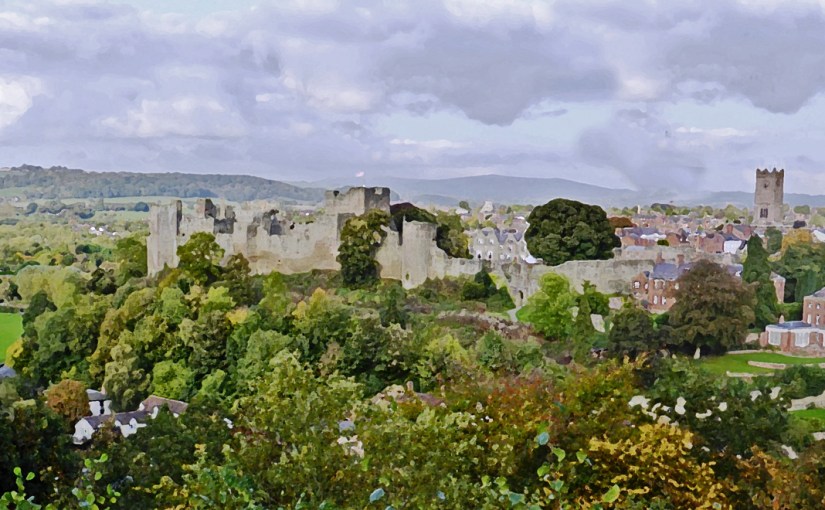
Last Monday the weather was so good that I popped out for a stroll around Ludlow Castle. This  is a ruin, but quite an interesting one, and it dominates the skyline from the river side of the town. It has a combination of architecture from Norman, Medieval and Tudor times. Parts date from the 11th century when built by Walter de Lacy.

It was enlarged by Roger Mortimer in the 14th century and has been in the hands of the Earls of Powis since 1811. The castle was a seat of government for Wales for a time and it was involved in the Wars of the Roses. Often events are held in the castle such as the Christmas Medieval Fayre (late November) and the Ludlow Festival held in the summer which features an open-air production of Shakespeare.

Starting in the castle gardens at the end of Castle Square (where the open market is held at least three times a week) , this walk takes you down Dinham, past a few Georgian houses and this timber-framed example which must have been a public house once as there is a Welsh Harp hanging outside. Then exit right through the outer castle wall.

After leaving the path next to the outer wall you find yourself above the River Teme and Dinham Bridge. With the castle behind you, turn right along a dirt track which leads around the base of the castle. This leads to a lovely bench where you can rest and admire the beautiful views.

Unless you have the feet of a goat, and I don’t,  you need to turn round here and head back to the archway, then make your way down hill and around the castle on a lower level path.

The path splits and you can head even further down to the river and the Dinham bridge and a lovely café where you can have lunch, or tea and cake or simply an ice-cream. But we are going to carry on up the hill and make our way around the castle back to the square.

This is a very short walk, but it can take a while, if like me, you stop to look at the views, take photos and sit and enjoy the sun.  At then end of the walk, near the square you’ll find another bench to rest your feet, before completing the loop.

Have a final glimpse of the castle through the gates. If you want to enter it will cost £5 per adult or more for special events like Knight Jousting or the Food Festival. There’s lots to explore inside the grounds and you can climb the towers for spectacular views over the town and countryside. Maybe another time 🙂

I’m combining Cee’s Which Way Challenge with Jo’s Monday Walk  this week as they seem to complement each other.

Join in with Cee’s challenge  and  view other ‘Which Ways’.
and take a look at Jo’s Monday Walks over on Restlessjo’s blog where you are in for a treat.
Cee’s Which Way Challenge: Those Blue Remembered Hills

Fortunate to have a lovely sunny day on Sunday (Mother’s Day in the UK) and an extra hour of daylight (the start of British Summer time  so clocks went forward an hour) I was determined to get out of the house and go for a walk.

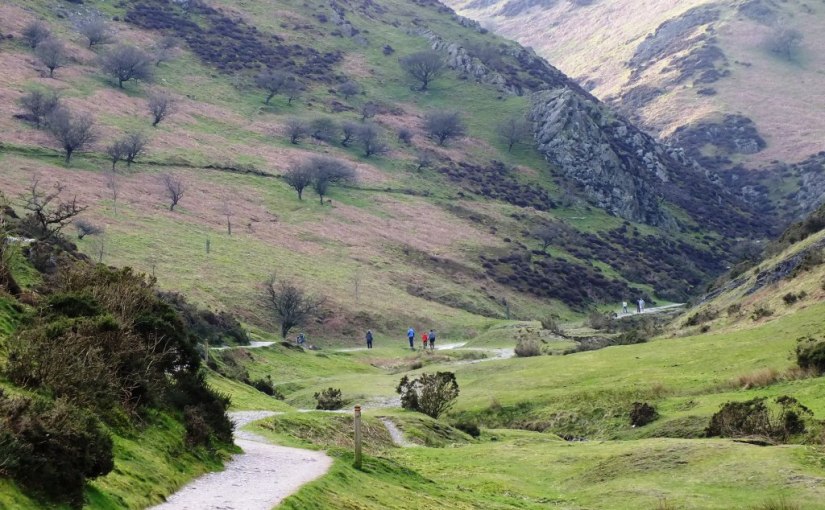
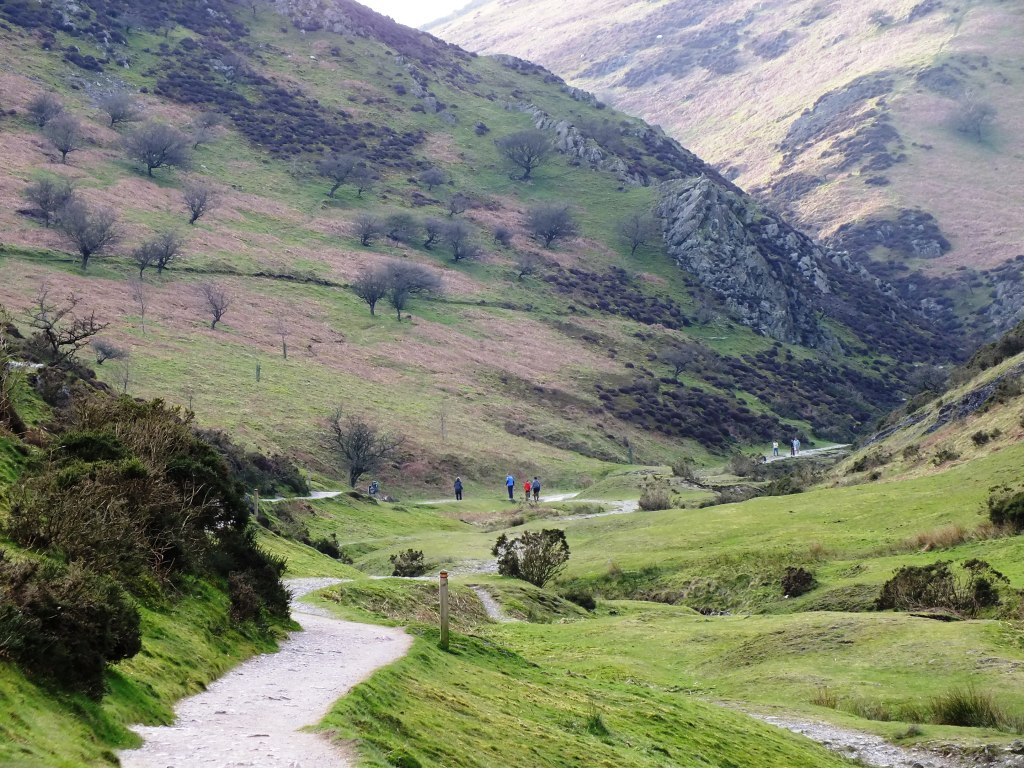
Cardingmill Valley lies on the edge of Church Stretton, a little Shropshire town that I still need to explore.  Church Stretton is a small town and civil parish in Shropshire, England. The town lies entirely in the Shropshire Hills AONB, on the A49 road approximately 13 miles south of Shrewsbury, the county town, and 15 miles north of Ludlow. Wikipedia

c21

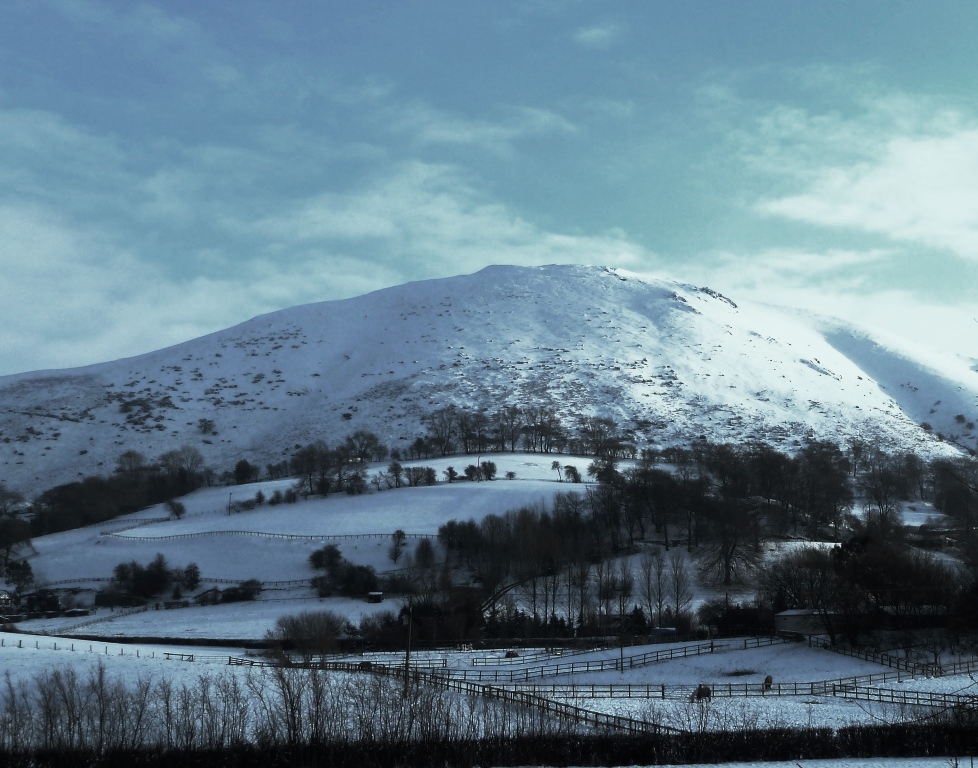
Just as Ludlow is the gastronomic capital of Shropshire, Church Stretton is the walking capital of the Shropshire Hills Area of Outstanding Natural Beauty. I have been here many times, it is my favourite part of Shropshire and has been called ‘Little Switzerland’ on account of its hills.  And when coated in snow it is very pretty.

Shropshire Hills

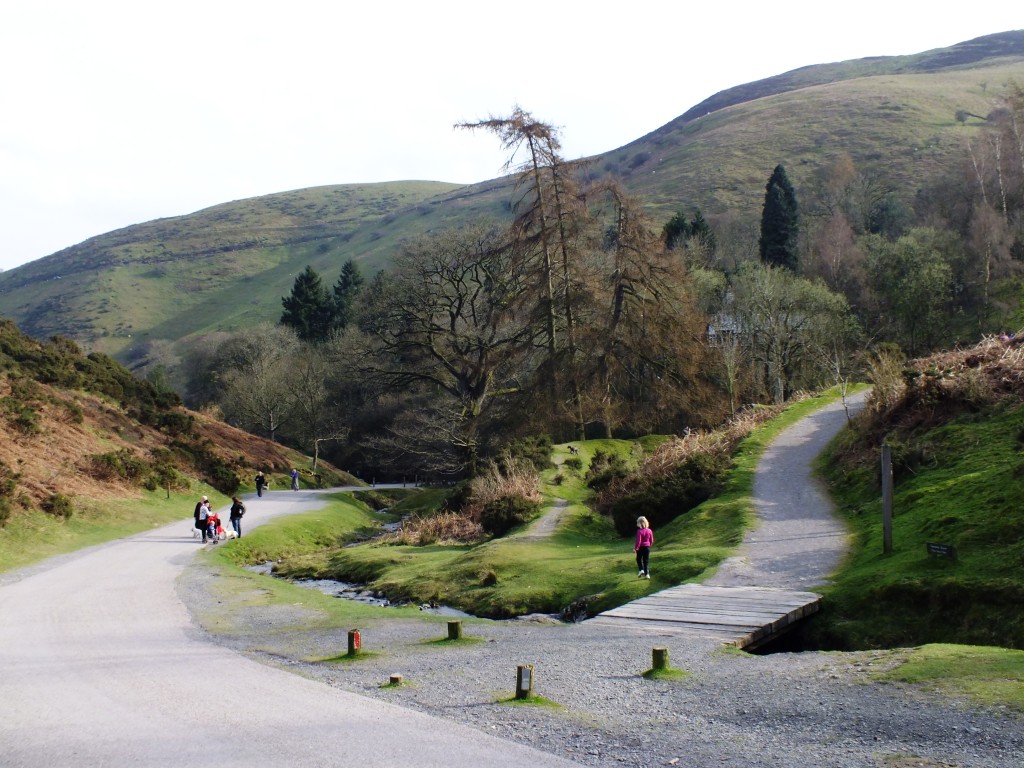
But on Sunday it was sunny and spring was springing. We could have taken any number of trails, but decided that we’d return to the Reservoir as it is a wide path and fairly flat.

c1
Turn right onto the orange trail

c4

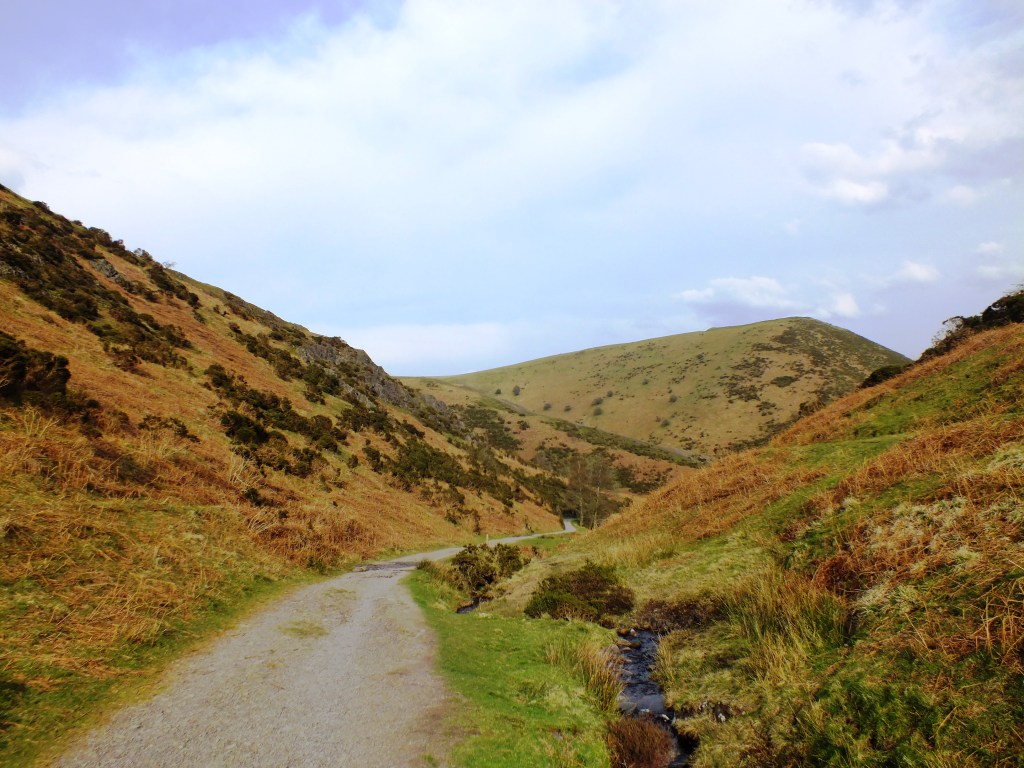
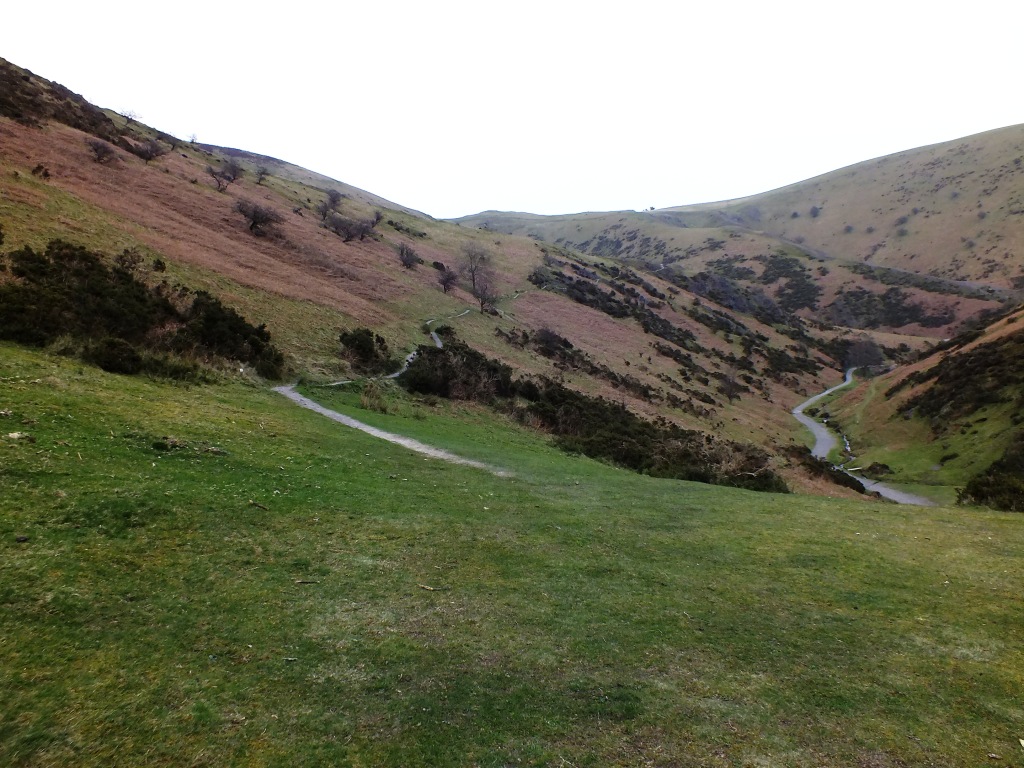
This trail is quite gentle and soon you are hidden amongst the hills with only the sound of birdsong and a burbling brook. A hidden lost world.

c5

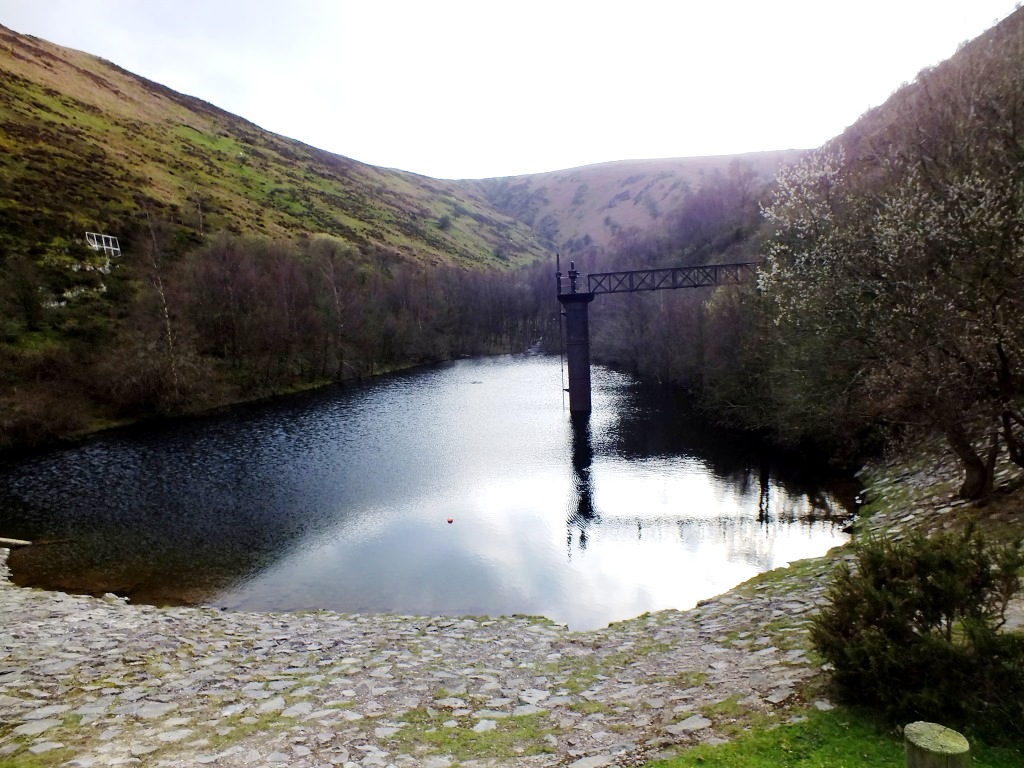
At the reservoir you do have to climb up quite a steep hill to reach the water, and the trail continues should you wish to head further onto the Long Mynd (Long Mountain).

You can swim in the reservoir, though the water probably isn’t all that warm today.

c11

Before heading back to the car park I nipped over a stile to have a closer look at the reservoir and found this pair of Common Toads at the side of the path.  I spared them their blushes and swiftly moved on.

Doesn’t look as though we can go this way, so head back down the hill.

c12

A choice of routes, but I’m going to stick to the one I came along, the other one looks as though it might end in a sheep trail and I’ve been there before and it didn’t end well.

c14

Or you could go over the stream and head for a path on the other side.

c9

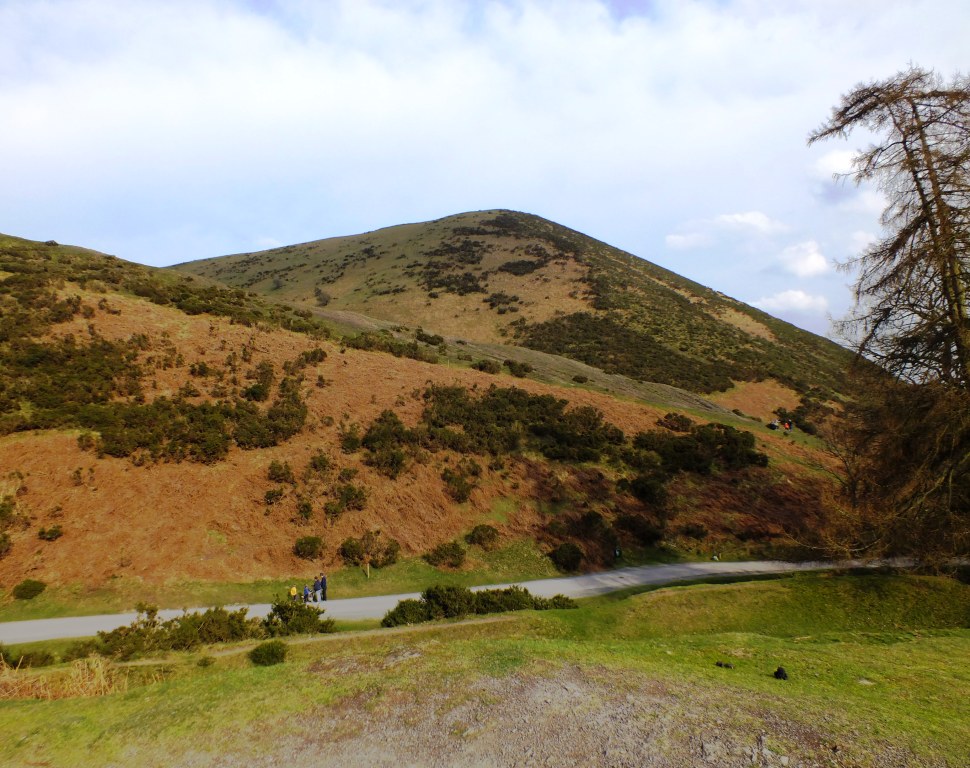
Returning on the orange route there are caves up on the left, and ahead on the top of that hill in front are the remains of an Iron Age Hill Fort.

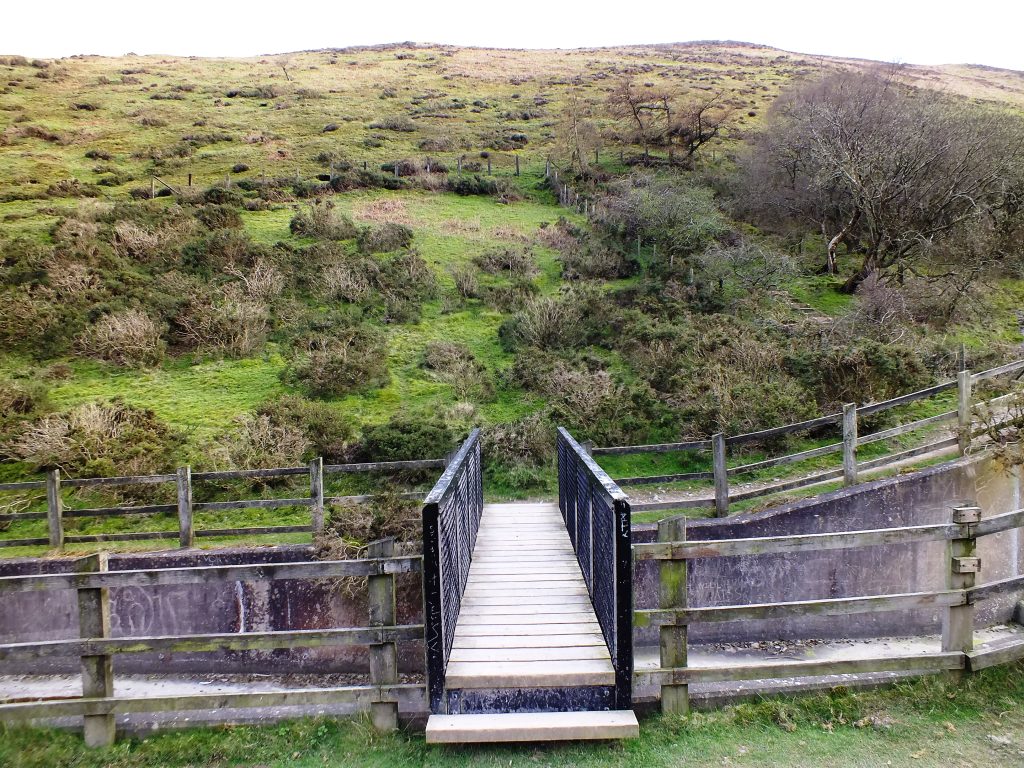
Back at the road we could turn right and walk to the tea-room, but as it is now after 5 p.m. it will be closed.

c3
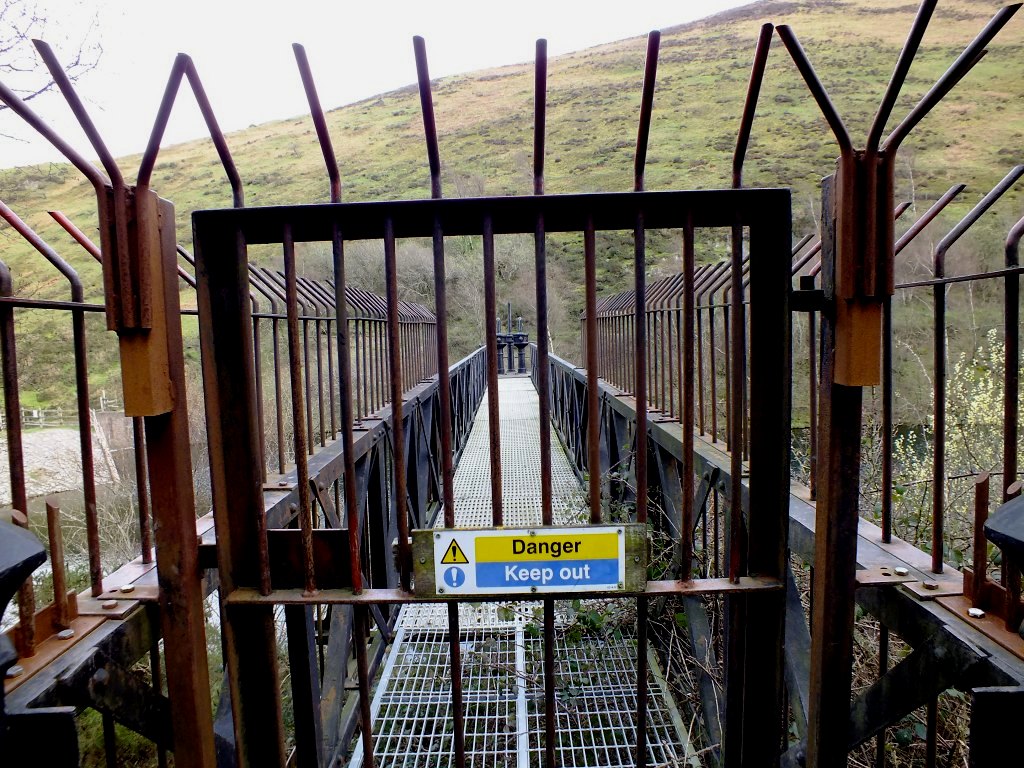
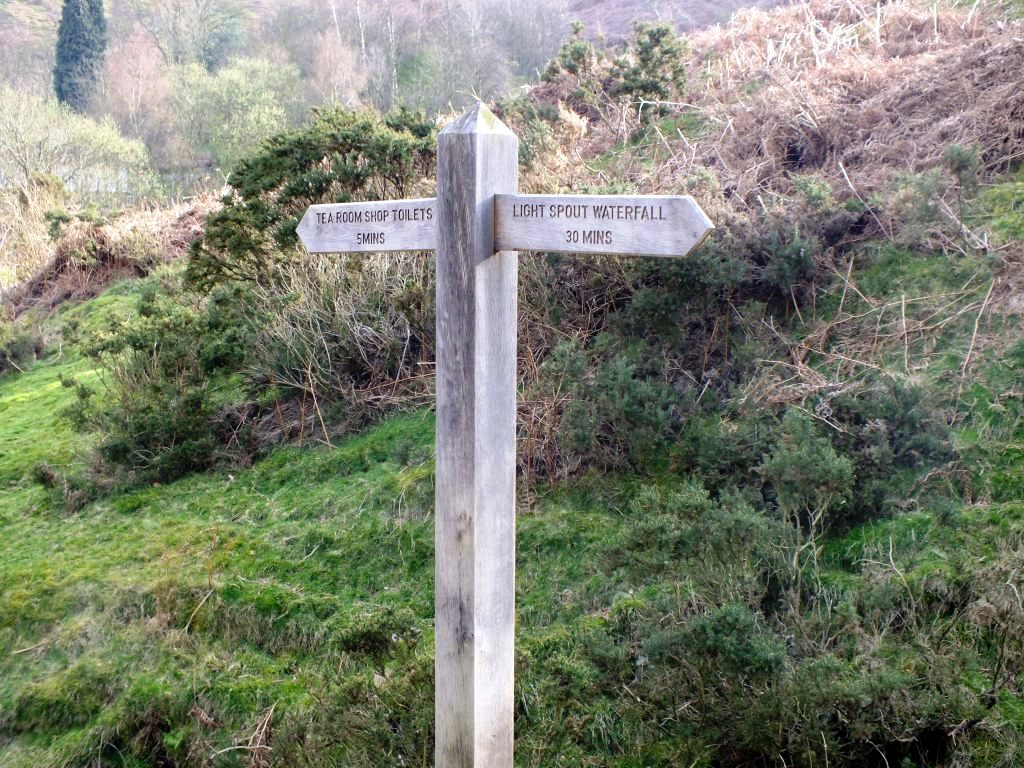
A typical “Which Way” fingerpost

c17

We’ll head back to the car, after one last look around and go home for a well-deserved glass of red wine. If you decide to come for a walk here, please take note of the signs. Some people seem to think their dogs are much better controlled than they actually are around sheep, and watching a sheep being chased is not amusing for me or the sheep.

c20
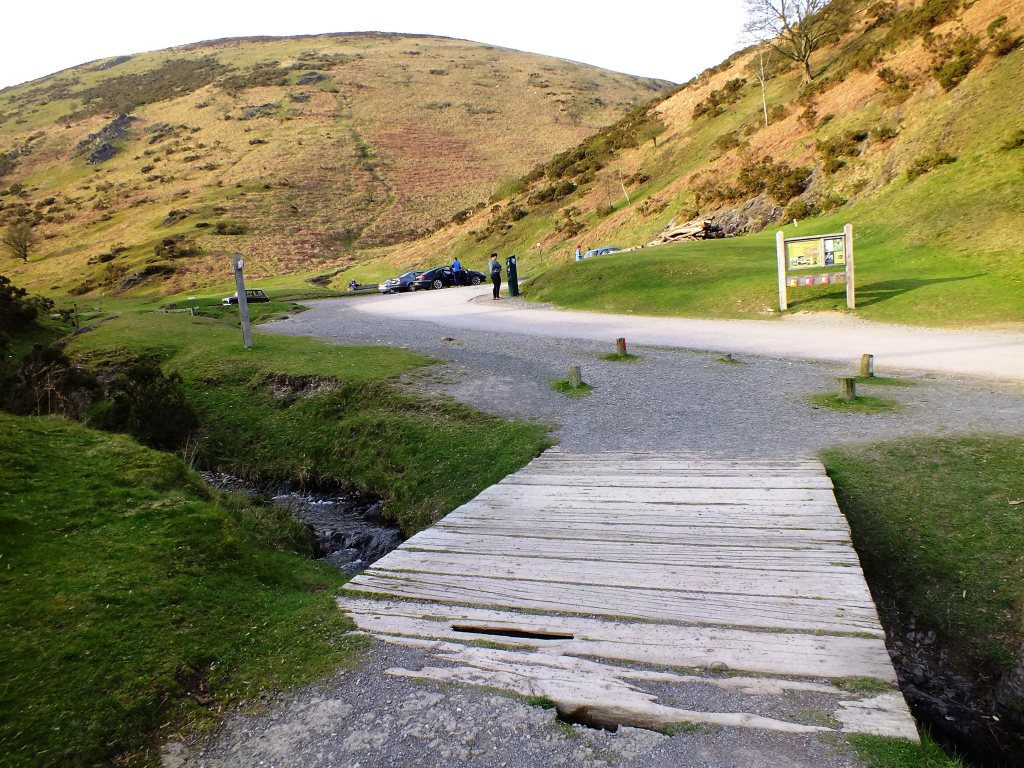
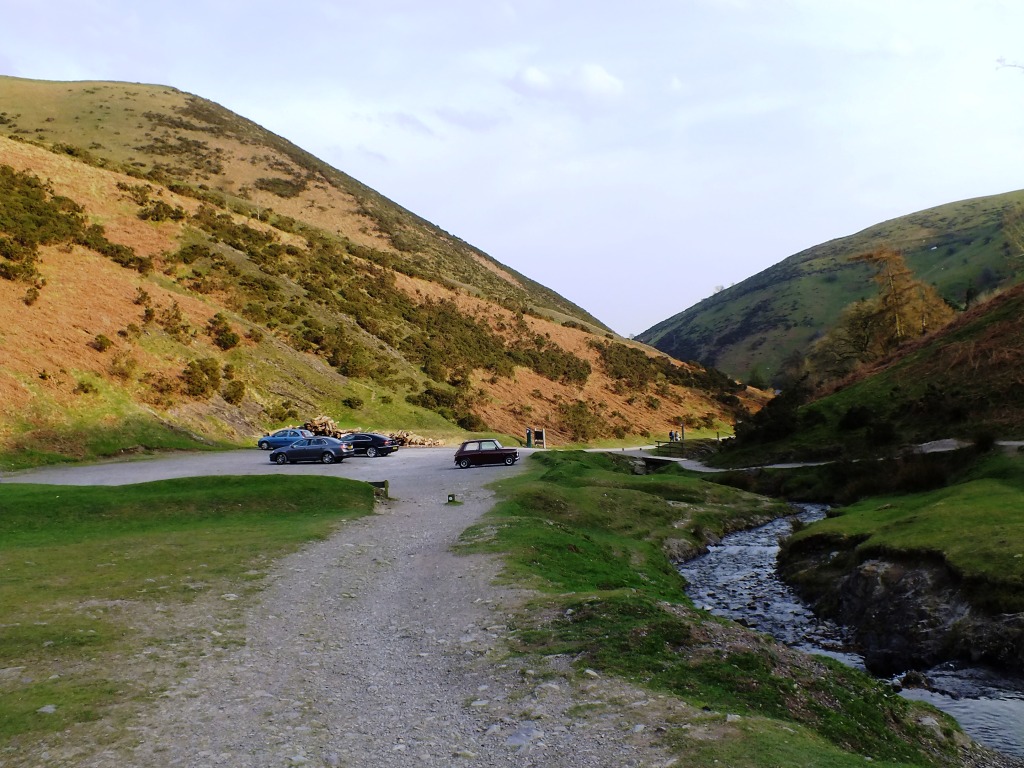
The Most Scenic Carpark?

Next time I’ll take you up the red route and see if we can find the waterfall.

Cee’s Which Way Challenge: There is no specific theme given.  It just needs to be some sort of  ‘Which Way’. The possibilities are endless.

 Join in with the challenge or view other ‘Which Ways’.
and you may like to have a look at Jo’s Monday Walks over on Restlessjo’s blog where you are in for a treat.
A Lingering Look at Broad Street

This weekly challenge is hosted by Dawn from ‘The Day After’ who invites participants to post pictures of any windows that  they find curious, inviting, photogenic, or in some way tell a story. Visit her blog to see more windows and/or to join in with the challenge.

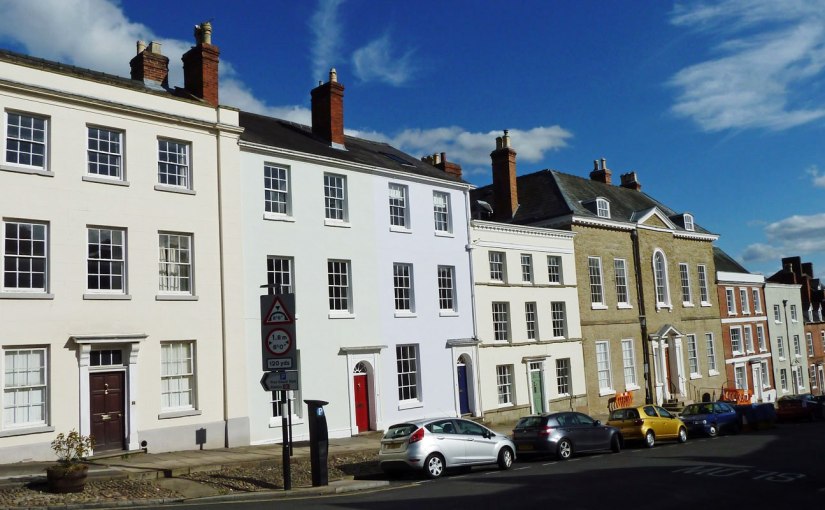
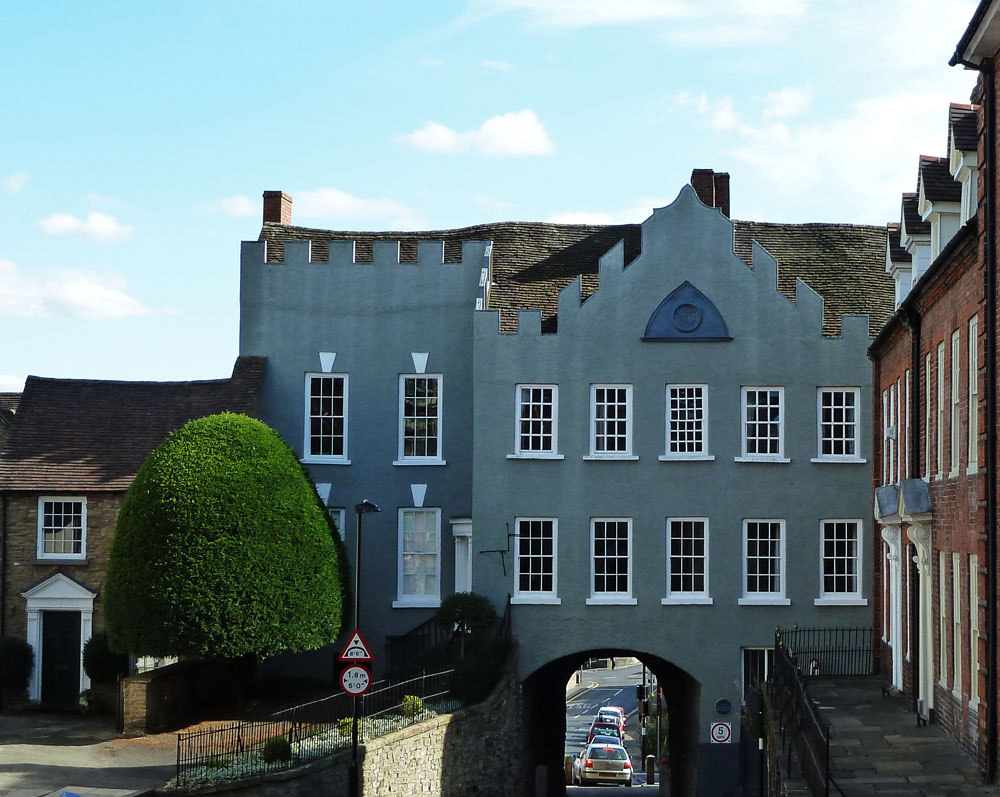
Broad Street  (header photo) in Ludlow is renowned for its Georgian façades with lovely Georgian sash windows lining both sides of this wide street leading from the Buttercross down to the only surviving gate in the town walls – Broad Street Gate – a narrow medieval  gate-passage.

From the north side you can see the Gothic crenellations and details probably by T F Pritchard, an architect from Shrewsbury, (better known for his involvement in the Iron bridge project.)

Broadgate from Broad Street
North Broadgate from Broad Street

(Note the multi-paned sash windows all have twelve panes: 3 x 4  in varying sizes except for the central window top right which for some reason has twenty four panes: 4 x 6)

Built in the 13th century the gate was an important entrance into the town from the  Ludford Bridge crossing. It is now partially encased by a large Georgian House.

South of the Broad Street Gate

(Note the lovely Regency gothic bay windows on the left of the gate)

From the south side you can see the Gate arch and twin round towers typical of Edwardian castle building. The west tower is hidden behind the house  added in 1824 -1829.

A Lingering Look at Windows: # 8

This weekly challenge is hosted by Dawn from ‘The Day After’ who invites participants to post pictures of any windows that  they find curious, inviting, photogenic, or in some way tell a story. Visit her blog to see more windows and/or to join in with the challenge.

D---No-1-Dinham

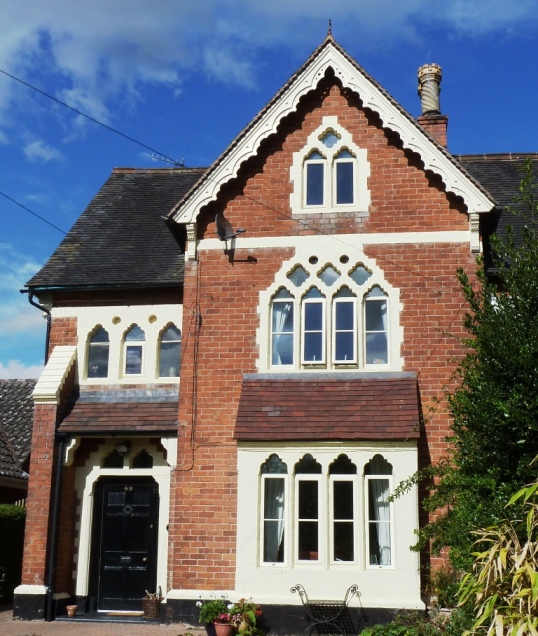
Ludlow has a lot of wonderful old houses from Medieval to Georgian, though very few from the Victorian age. There are exceptions though and this house at No 1 Dinham is one of them.

victorian gothic

A truly amazing eclectic Victorian Gothic style with imported fiery red bricks and mechanical stonework contrasting with local materials and craftsmanship.

victorian gothic 2

and here is another one, though not as eclectic, still has those wonderful Gothic windows and a rather spectacular twisted chimney pot! They may not be in the best of taste, but they are certainly buildings with character.

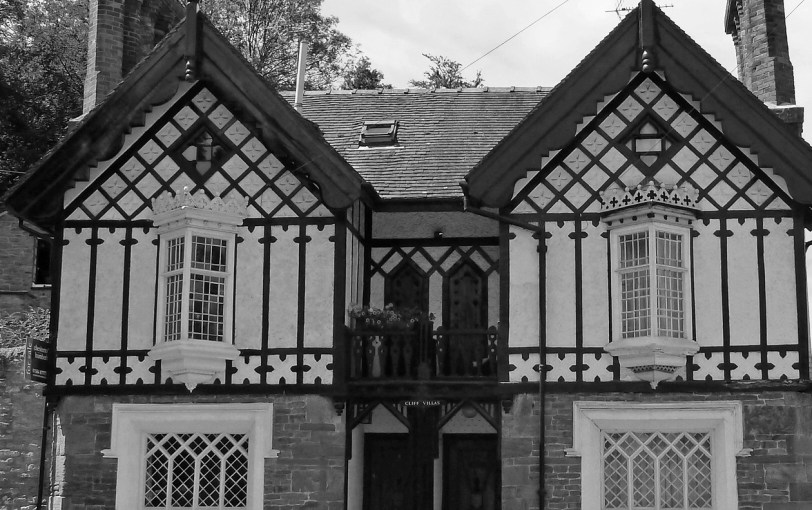
Cliff Villas

Cee’s Black & White Challenge: This black and white challenge is topic related and this week the theme is Older than 50 years.

And this is also my entry to this week’s Lingering Look at Windows hosted by Dawn over at “The Day After“.

There’s rather a lot in Ludlow that falls into this category. In fact most of the buildings go back as far as the 11th century so 50 years here is considered to be new. Even if you have lived here for 50 years you are still considered an outsider   🙂

(click to enlarge and see the detail)

Cliff Villas BWCliff Villas – Ludford

Dating back to circa 1840 Cliff Villas are Grade II listed character homes. There are stone mullion windows on the ground floor, oriel windows to the first floor, ornamental barge boards, ornamental plaster work with timber framing and decorative multi-shaft chimney stack. The windows are majority metal framed with lattice work or small panes.