A Walk on a Wild Ridge

I meant to return to the Stiperstones in Shropshire during August when the hills would be a purple haze. Unfortunately the damp weather conspired against me but on a gloriously clear day in mid-September I did go back. The Stiperstones is a spectacular 10-kilometre ridge in south-west Shropshire rising to 536 metres above sea level.

Information
Information

We started the walk this time from the Knolls car park which lies between the Bog Visitor Centre and the hamlet of Bridges at the base of the Long Mynd. There is a fairly short all-ability trail on a broad, level, well-surfaced track running along the southern edge of the Reserve.

All Ability Trail
All Ability Trail

There are resting perches and a tapping rail as well as plenty of benches providing views over the area, although the actual quartzite tors are only just visible. There are no benches on top so make the most of these. Continue reading A Walk on a Wild Ridge
Park Life

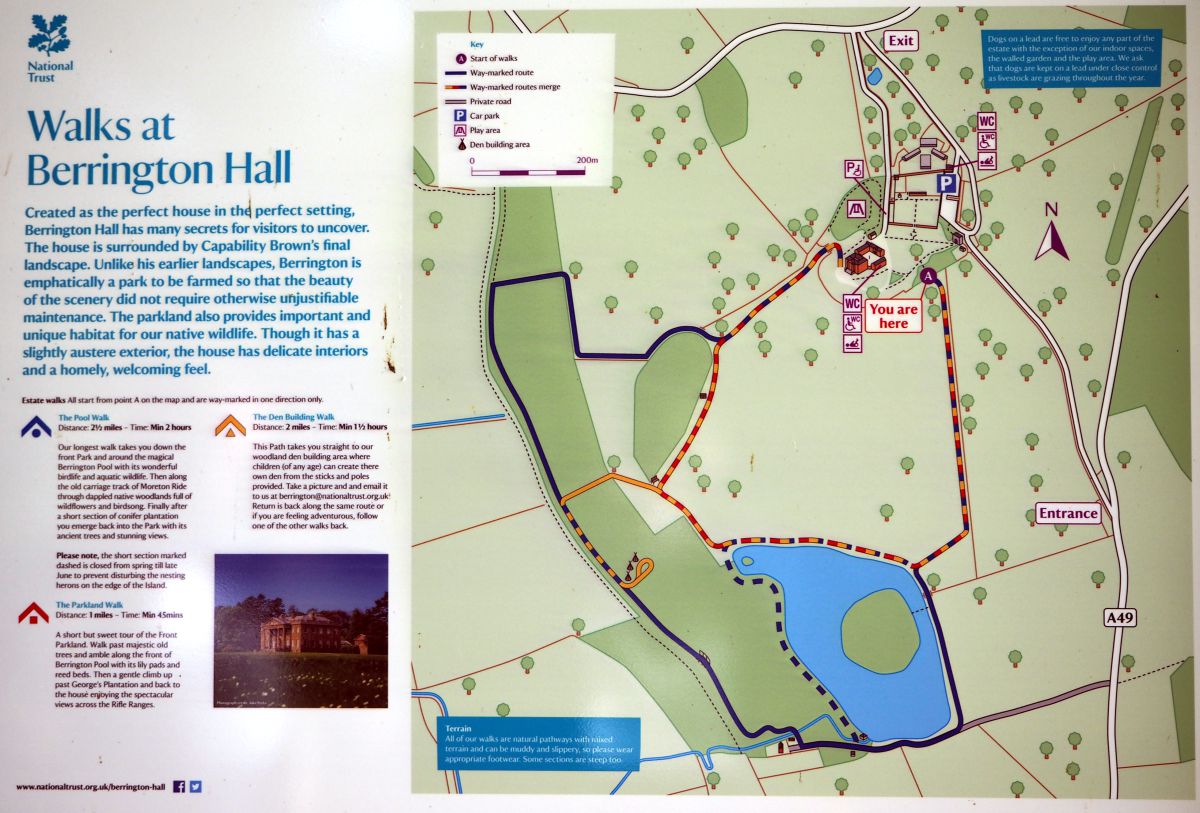
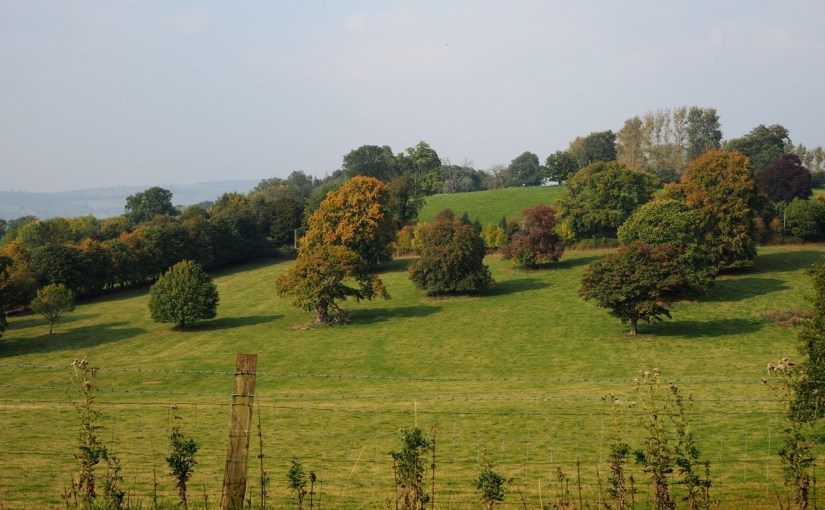
Sunday was a beautiful day. The sun was shining. It was reasonably warm for the time of year and it was my birthday. To celebrate we went for a walk in a nearby National Trust parkland, Berrington Hall, where a new route has been created through the broadleaf-woodland, followed by coffee and cake in the courtyard with live music from a folk group celebrating the apple harvest and a last lingering stroll around the walled garden and orchard simply dripping with apples of all colours and sizes. Care to join me?

Walks

We decided to follow the blue route but cut alongside the lake and then follow the yellow route to cut across and join the blue one again. Although we have visited Berrington many times, it has always been during the period when the lake walk is closed due to grey herons nesting there between March and July.

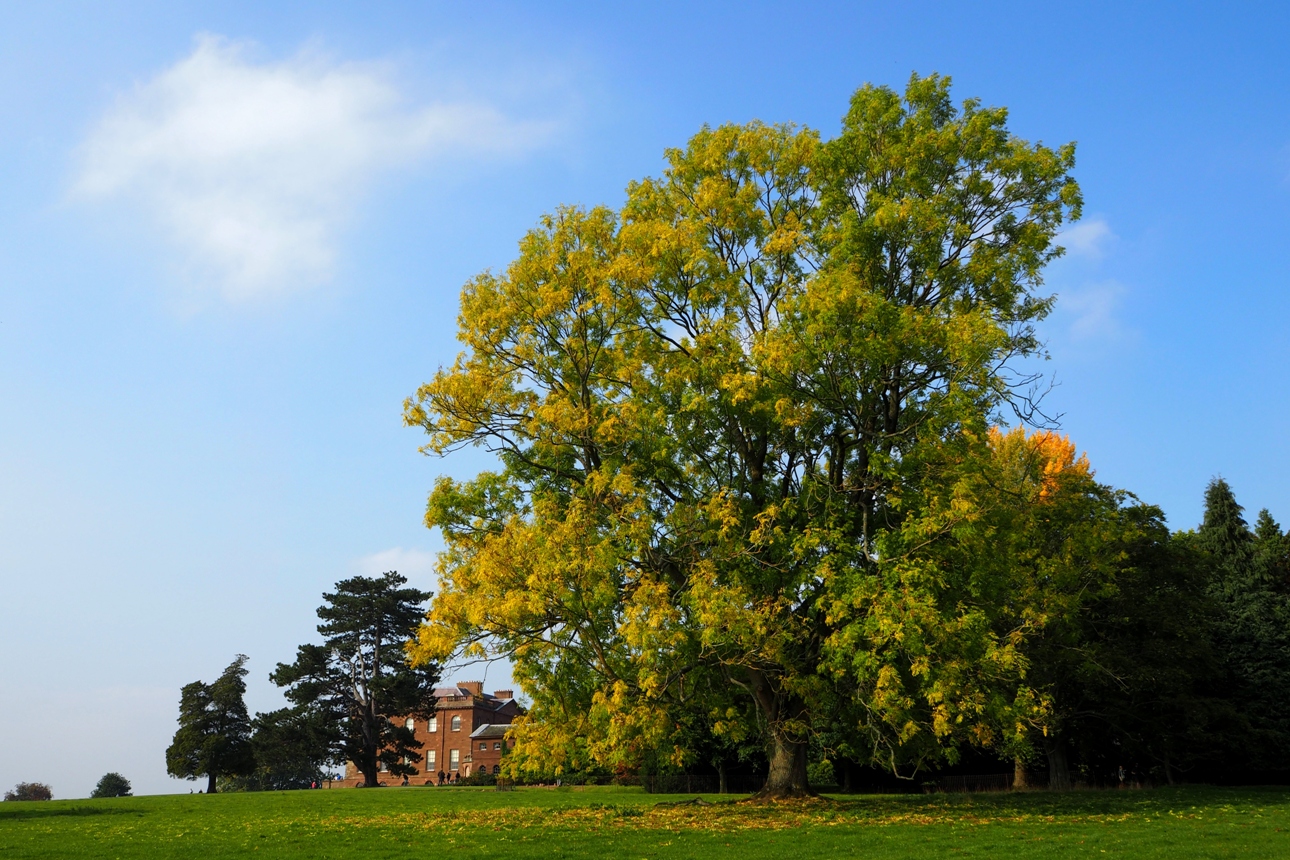
Looking back towards the house, built in 1775 by Thomas Harley and designed by Henry Holland in the latest French influenced Neo-classical style. Continue reading Park Life

Discovering St Leonards

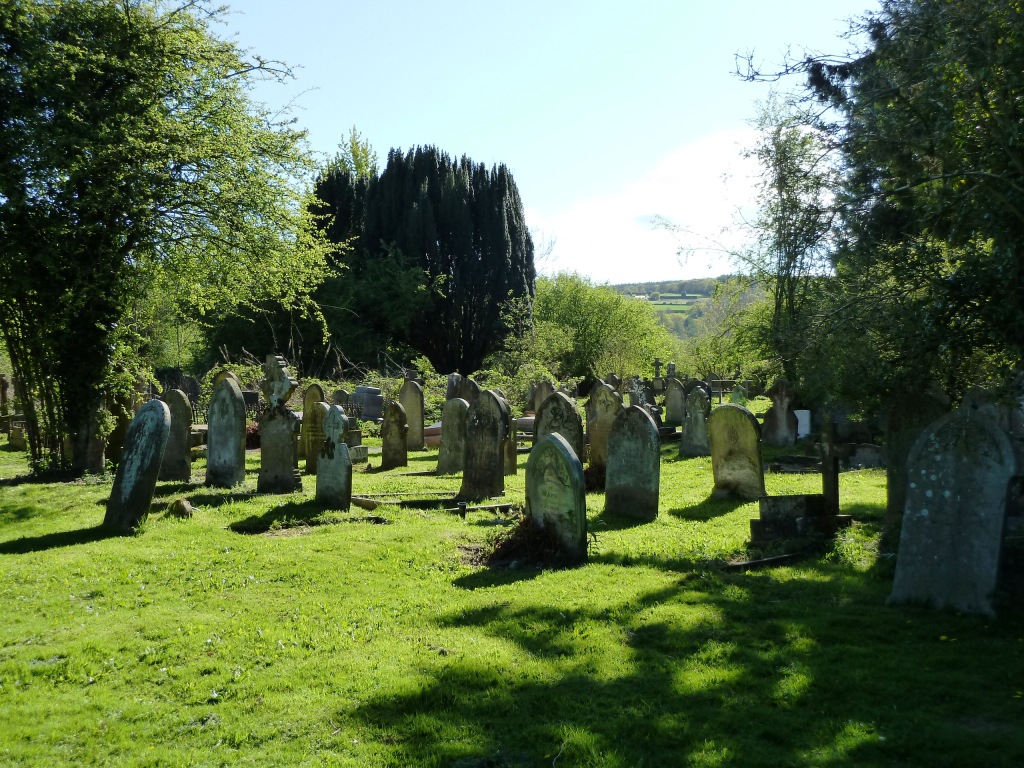
One of my favourite places to take a local walk is in the burial ground of St Leonard’s in Ludlow. The grounds are now a naturalised area for people to enjoy nature and wildlife, an attractive environment that residents and visitors alike can enjoy. There are many trees including Yew trees which were grown to make bows, but as the berries are poisonous to animals (and humans), the trees had to be grown in places like churchyards where animals were excluded.

P1200357

There are also some ageing Lawson’s Cypresses and self-sown Sycamores and Horse-Chestnuts. A large number of birds, butterflies and a colony of rabbits live in the grounds and there are many benches on which to sit and rest and enjoy the birdsong and the countryside views, as well as a few picnic tables and benches situated in a grass clearing.

P1200397

P1200355

I love to wander around the monuments and select interesting carvings, words, shapes to photograph. Often hidden by clumps of stinging nettles and moss or lichens each time I visit I see something different. Continue reading Discovering St Leonards

St Just in Penwith

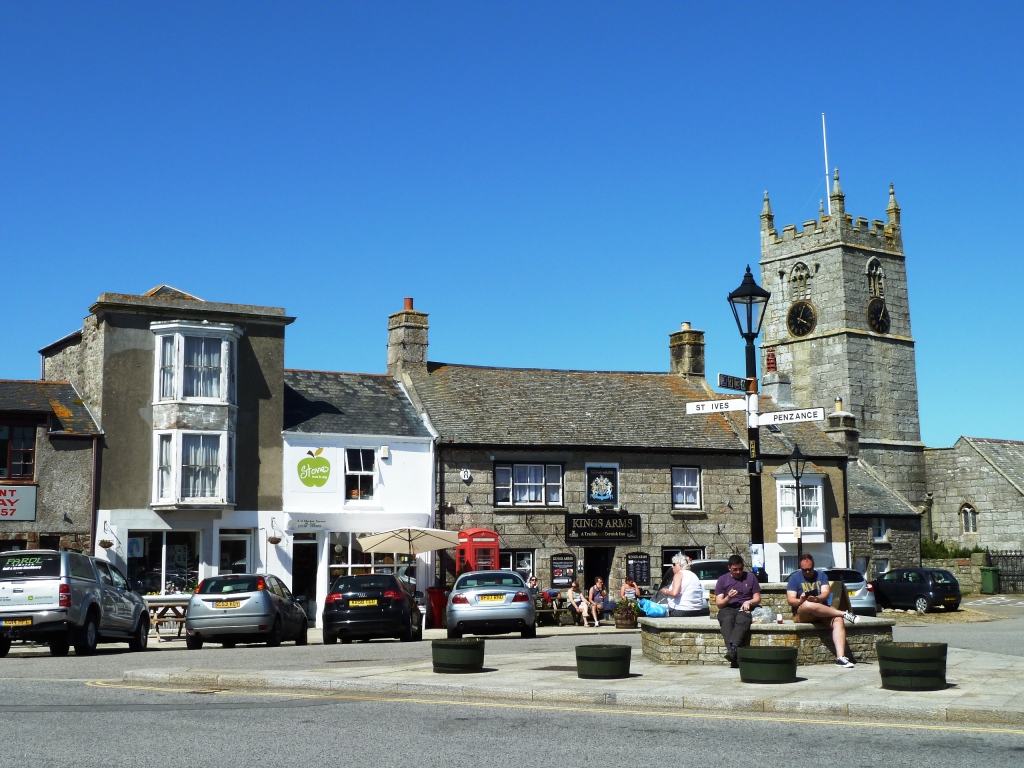
St Just in Penwith, shaped by its industrial mining past, is the most westerly town in England and began as a medieval settlement called Lafrowda. It is surrounded by dramatic landscapes of wild moorland, wind-shaped carns and Bronze Age remains. The town made its fortune from tin and the marks left by the boom of the mid-1800s still dominate. There are two squares – Bank (with its 1931 clock tower) which was the business centre (and where the miners would have collected their wages) and Market where the shops and pubs are located (and where the miners would have spent their wages).

Market Square
Bank Square

The grass amphitheatre behind the clock tower is Plen-an-Gwary (Old Cornish for ‘playing place’) where Miracle plays would have been performed 500 years ago. In more recent times it has been used to stage the full cycle again in 2004 and also to hold the Gorsedd, an important Cornish festival. Continue reading St Just in Penwith

On the Edge

Cape Cornwall

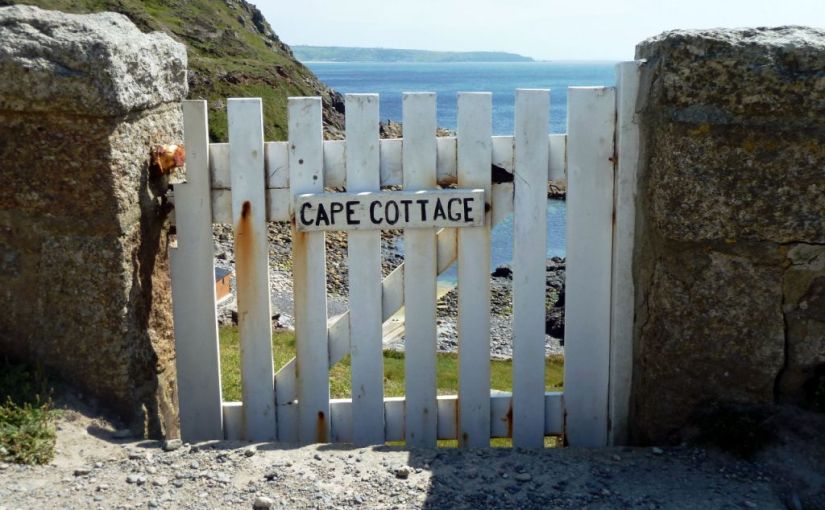
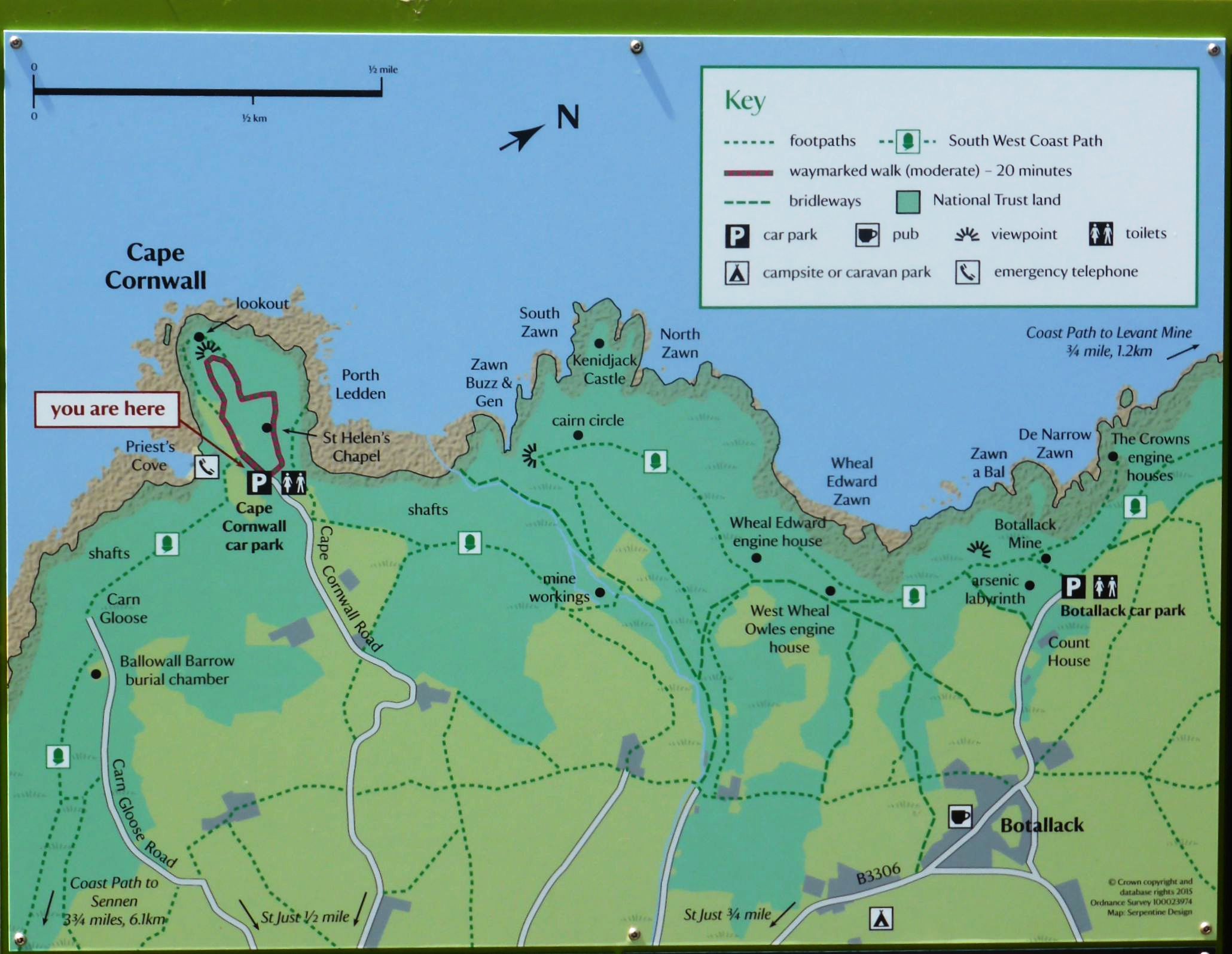
Cape Cornwall is the only Cape in England and is so-called because until the 19th century it was thought to overlook the meeting of the English Channel and St George’s Channel (they actually meet at Gwennap Head, near Land’s End). A climb up the Cape headland to the stack offers panoramic views of Lands End, Sennen Cove, the Brisons rocks, the Isles of Scilly and the Wolf Rock lighthouse. You can either walk here from St Just or via the south-coastal path, or drive down to the National Trust car park, from where you can walk down to the former Count House and holiday cottage Brisons Vean (the dark facing house with the two round windows)  and around to the lookout, or take one of the routes behind the house up to the summit.

The Summit

Continue reading On the Edge