If anyone is wondering where this week’s flashback is then you need to pop over to my flower blog as this week I am going back to a Flower of the Month post from August 2019.

Please leave any comments on that post. Thank you.
If anyone is wondering where this week’s flashback is then you need to pop over to my flower blog as this week I am going back to a Flower of the Month post from August 2019.
Please leave any comments on that post. Thank you.
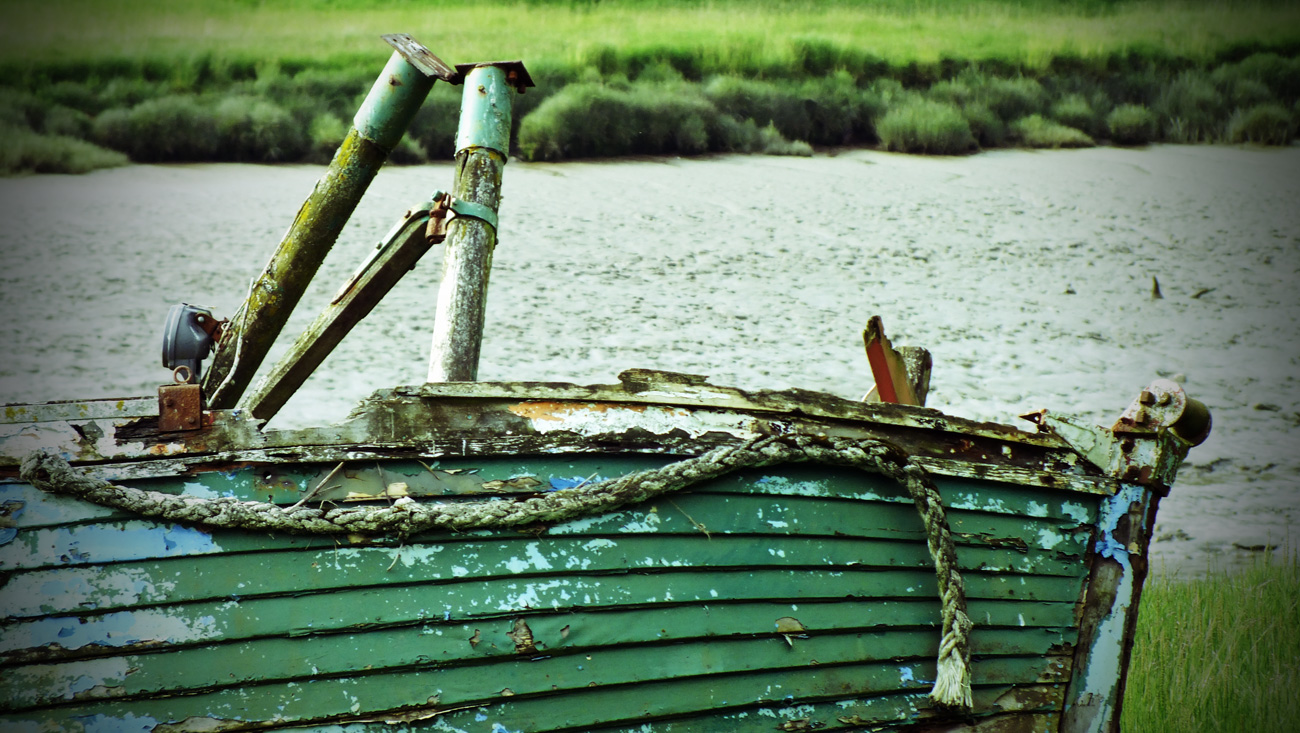
Another post back from 2014 as part of the weekly WPC allowed me to share some of my rope photos. I’m sad to say that I have been neglecting the sea and harbours this year. Time to rectify that.
| synonyms: | unravel, wear, wear thin, wear out, wear away, wear through, become worn, become threadbare, become tattered, become ragged, go into holes, go through |
I love the coast. I love what you can find at the coast. From typical bucket and spade beaches to wild unpopulated coastlines. And the variety of photographs that can be taken. Although I am a terrible sailor (just looking at waves can make me sea-sick) I like to wander near fishing harbours for scenes to snap, boats and ropes, lobster pots, chains and winches. I also like to look for flotsam and jetsam, driftwood and frayed rope.


This post is a contribution to Fandango’s Flashback Friday. Have you got a post you wrote in the past on this particular day? The world might be glad to see it – either for the first time – or again if they’re long-time loyal readers.
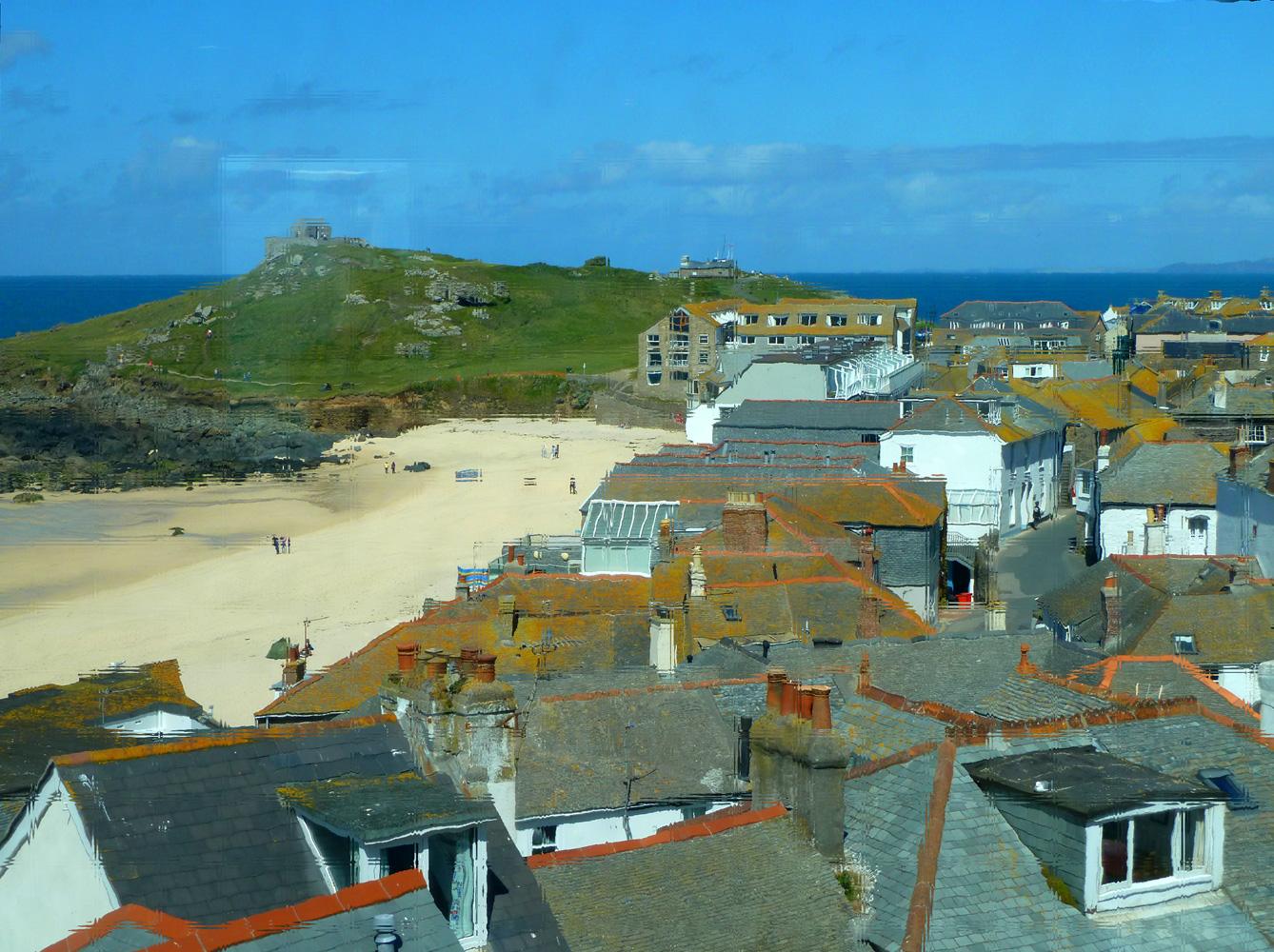
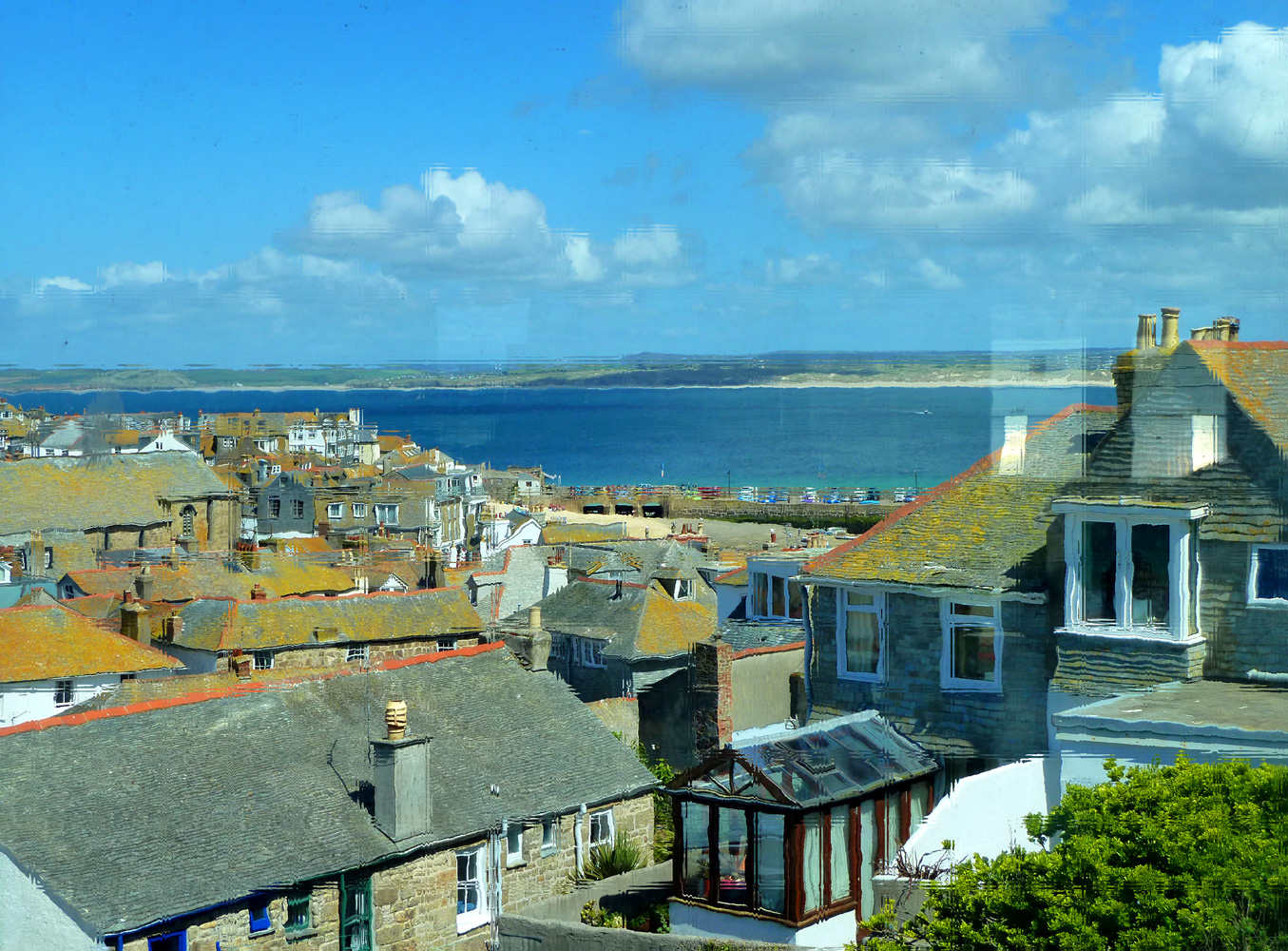
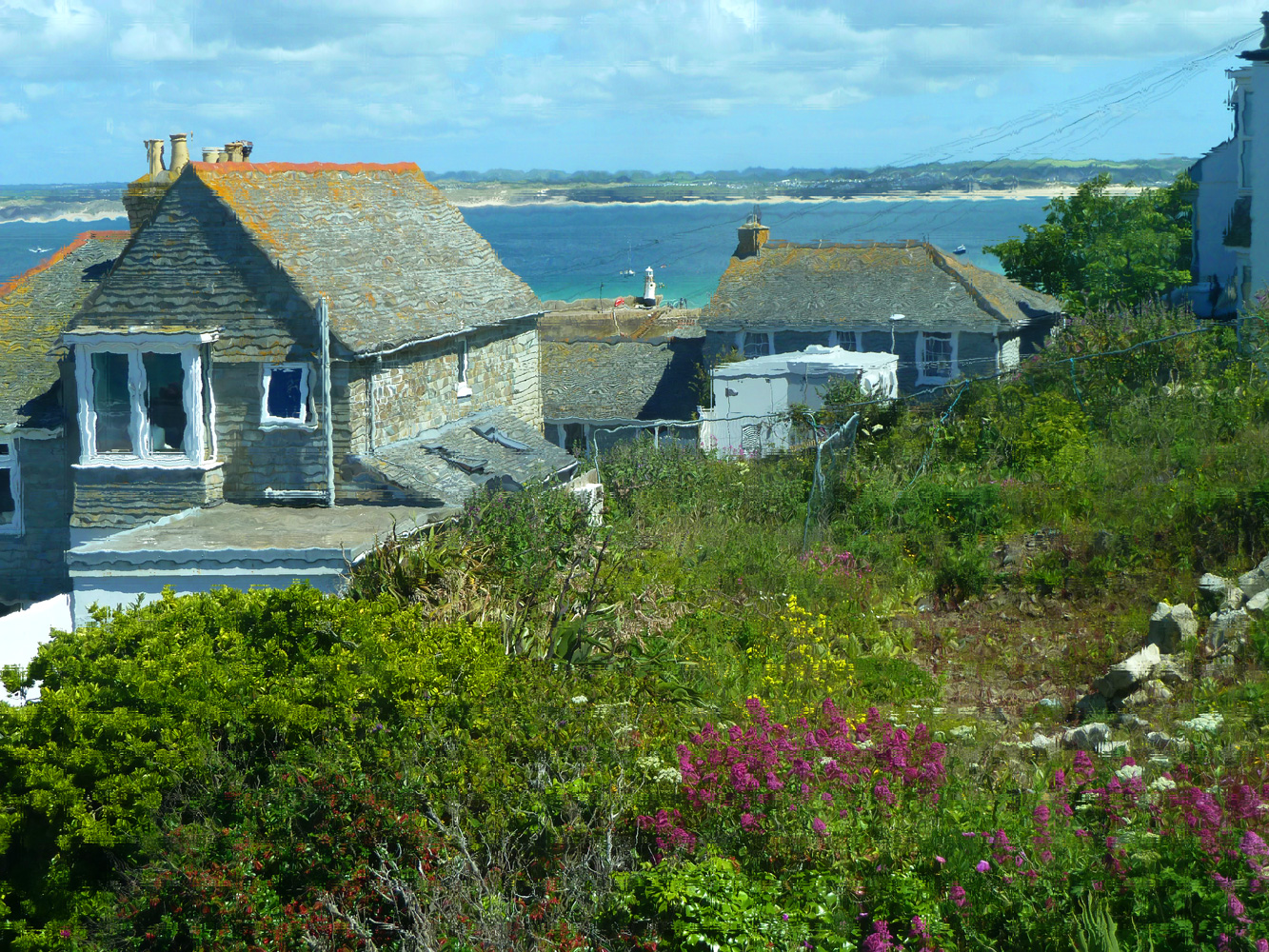
Going back to 2015 now and a visit to the Tate Gallery. Despite having a local’s pass I haven’t been back for a couple of years (most of which it has been closed due to the pandemic), but hopefully once St Ives is less crowded I can return. Of course there are many more photos of St Ives on my Cornwall blog which I began when we moved there in 2016.
All these images were taken through the windows of the café located on the roof of the Tate, St Ives. A slight glass distortion effect has been applied. The reflections are original 🙂
This post is a contribution to Fandango’s Flashback Friday. Have you got a post you wrote in the past on this particular day? The world might be glad to see it – either for the first time – or again if they’re long-time loyal readers.
In 2014 we took an add-on holiday to Dumfries and Galloway after spending a week in the Lake District based at Keswick. It is not a part of Scotland either of us had visited before, but it turned out to be one of the best holidays we have had.
The town takes its name from its location near the mouth of the river called the Water of Fleet which empties into Wigtown Bay at Fleet Bay, and its former role as the “Gait House” or “the House on the Road on the River Fleet” or toll booth of the late 18th century stagecoach route from Dumfries to Stranraer, now the A75 road. It was a safe haven along this route, and travellers would often stop in the area rather than furthering the journey at night due to the high numbers of bandits and highwaymen at the time. Wikipedia
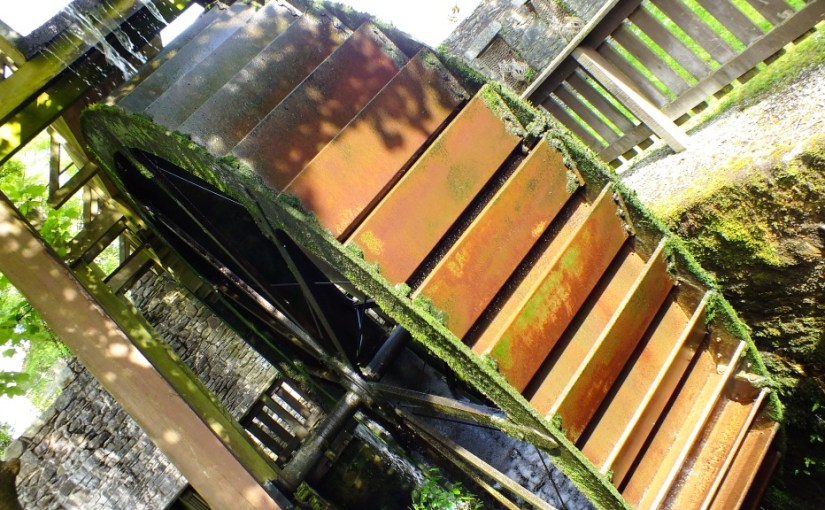
We drove a few miles from Kirkcudbright to visit the converted mill ‘The Mill on the Fleet‘ (1788) to have a look at the art gallery and bookshop and also have coffee and cake on the terrace at the Tart n’ Tea café. The most delicious cream choux pastry I have ever eaten. Cardoness Castle is on the outskirts of the town too and Cally Nursery, which I didn’t get the time to visit.
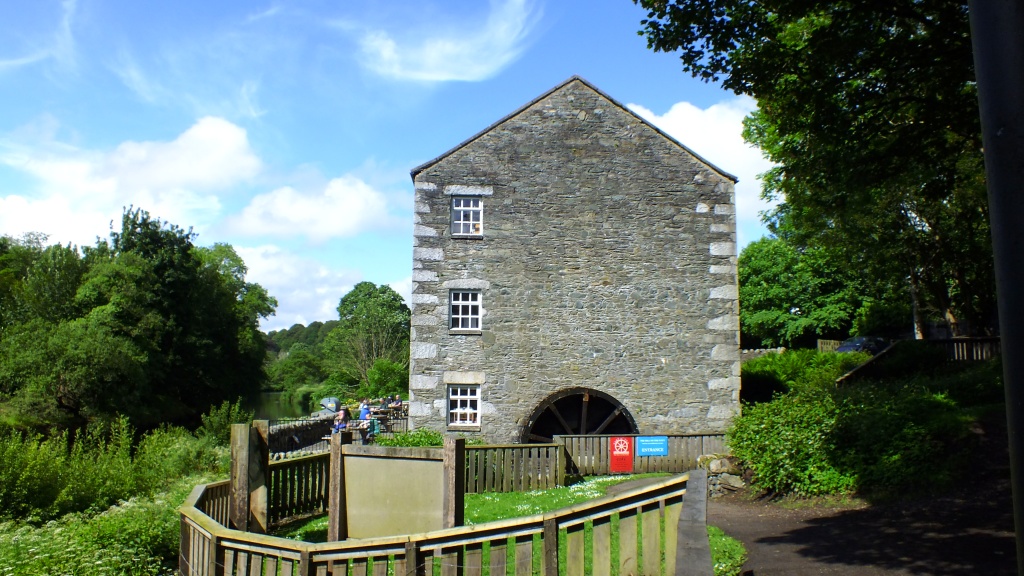
Having picked up a leaflet from the Information Office in Kirkcudbright of a Walking Tour of the town I dragged the OH off for a stroll. I think he’d have quite happily remained on the terrace or in the second-hand bookshop if it hadn’t been closing time.
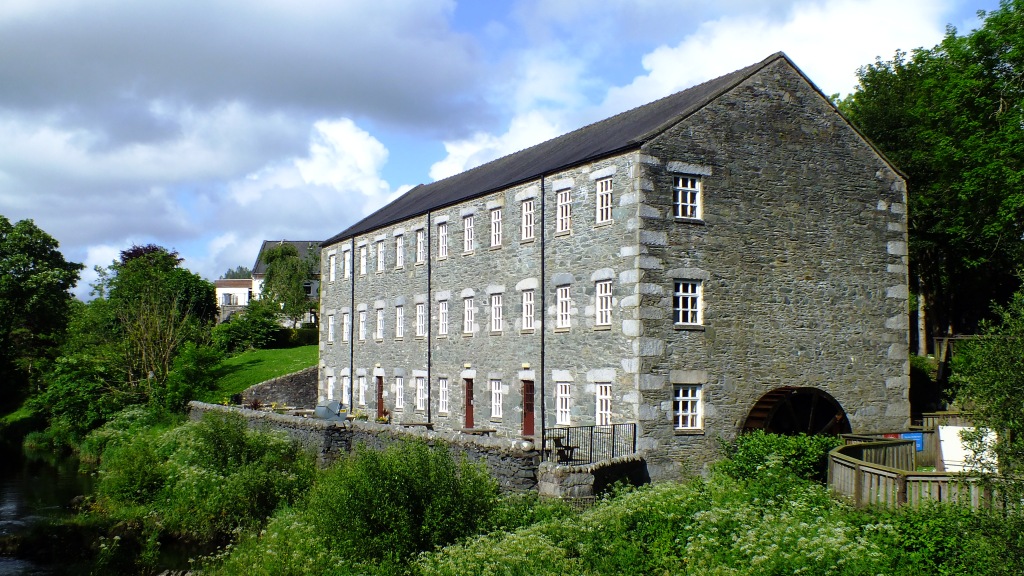


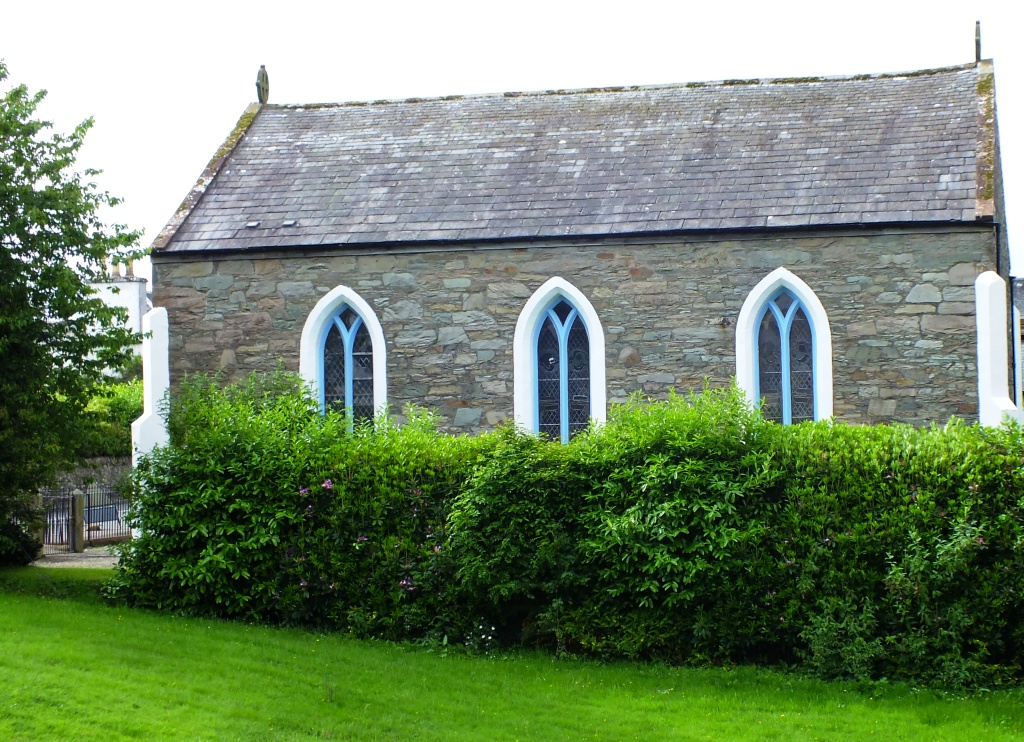
Leaving the Mill behind you cross over a pedestrian bridge and through the park to the Riverbank – a housing project built in the 1950s to cope with the overcrowding and poor conditions in Gatehouse. Turning left on to Hannay Street you pass an interesting little Episcopal Church with robin’s egg coloured painted windows.
 And on the corner stands the rather dilapidated Ship Inn (previously Anworth Hotel) where Dorothy L Sayers wrote Five Red Herrings. One of the Gatehouse artists of the ’20s and ’30s, Alice Sturrock, also lived along here.


Back in 2015 I used to take part regularly in a monthly challenge hosted by Dawn from ‘The Day After’ who invited participants to post pictures of any windows that they find curious, inviting, photogenic, or in some way tell a story.
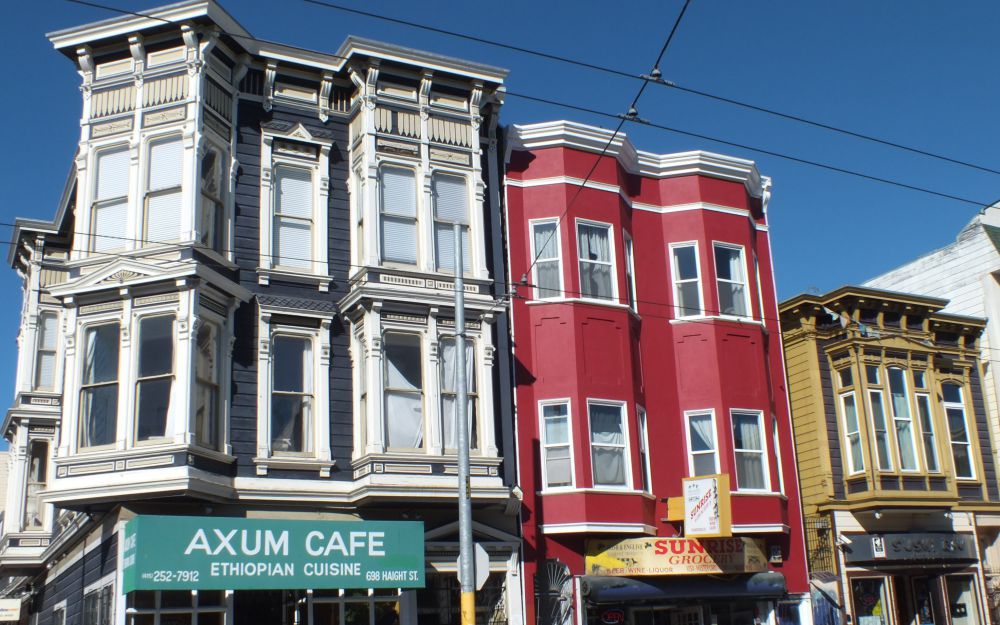
The “Painted Ladies” of San Francisco sounds quite scandalous, but is actually a nickname for the city’s Victorian and Edwardian mansions with their genteel pastel hues and feminine façades, lacy wooden mantles and perfectly pitched roofs.
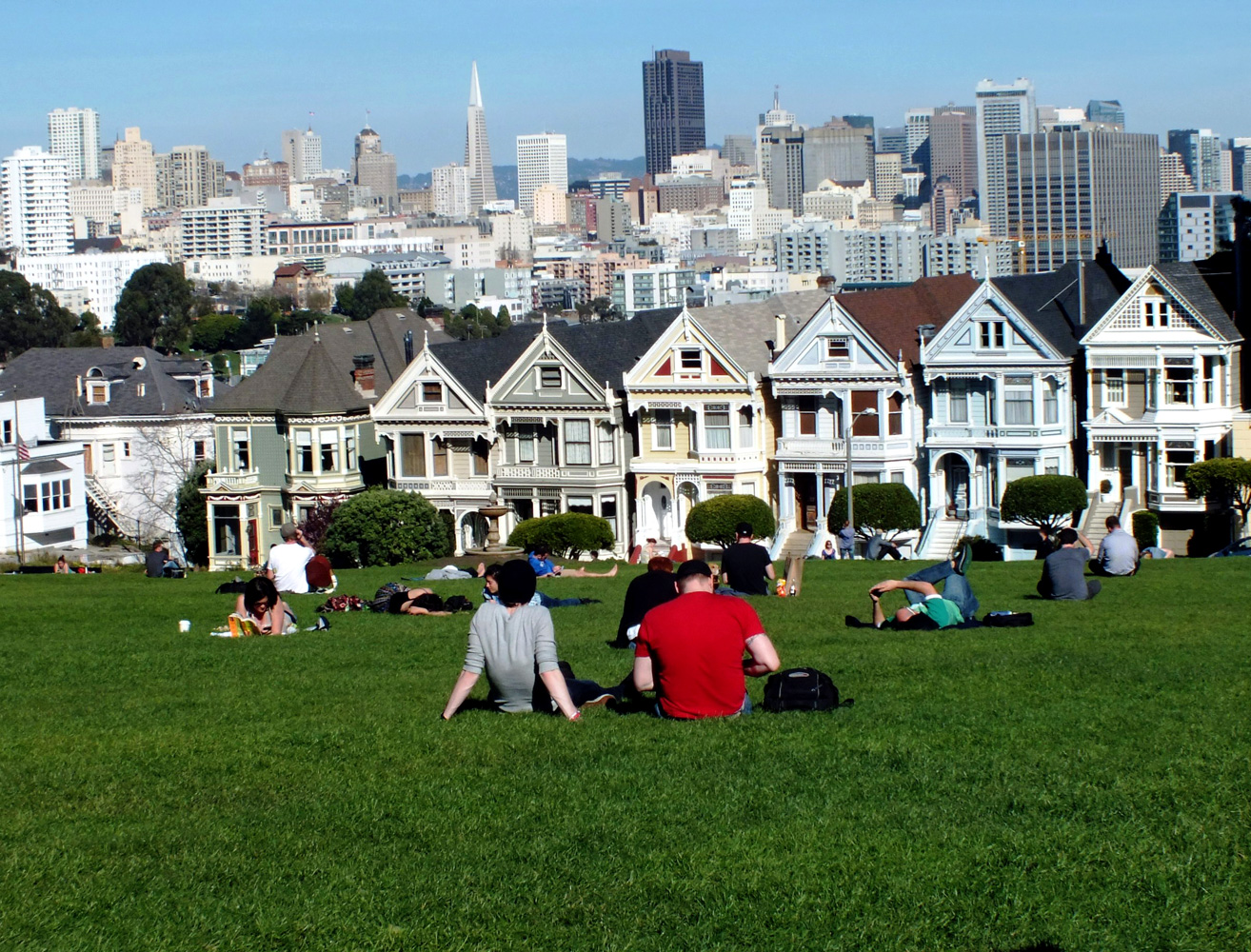
One of the most photographed vistas is from Alamo Square on the corner of Hays and Steiner where you get a background of the modern city that contrasts with these lovely ladies. It is sometimes known as “Postcard Row.” The houses were built between 1892 and 1896 by developer Matthew Kavanaugh, who lived next door in the 1892 mansion at 722 Steiner Street. The definition of a painted lady is a Victorian with three or more paint colours. So, even though the seven on Steiner Street are the most famous — there are several other painted ladies in the neighbourhood to enjoy.
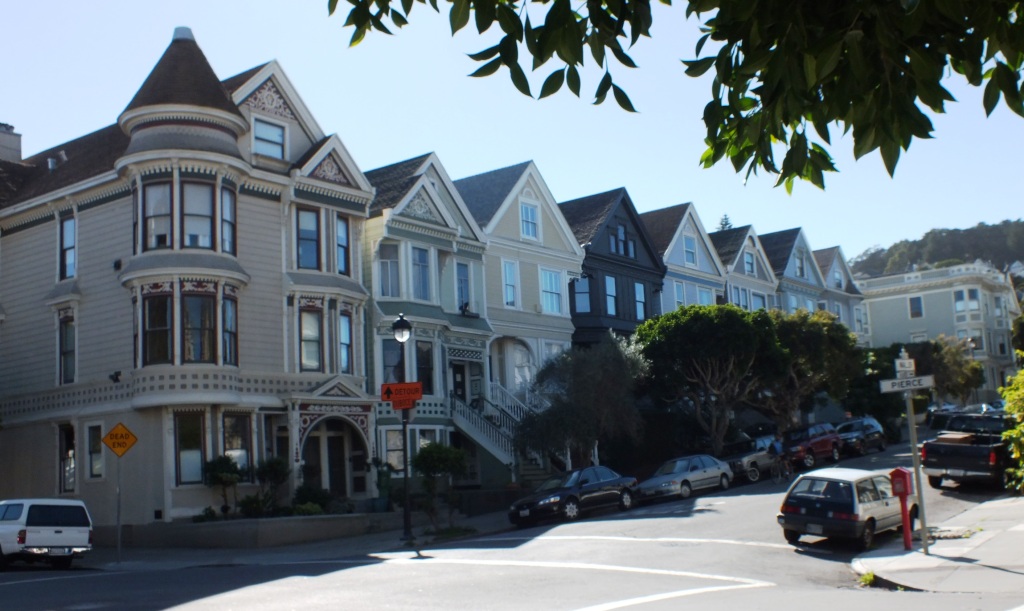
Explore the streets, parks and vistas around Scott Street, McAllister, Haight Street, Steiner and Pierce that tell the story of a Victorian era and discover more beautiful mansions, but be warned, it is very hilly around here so it can be quite a strenuous walk. Alamo square is a great place to sit and rest and admire the view after your walk around the neighbourhood.


I walked about 10 blocks from the Misión San Francisco de Asís on 16th Street which is some distance away, through Duboce Park. You can of course take public transport to Alamo Square, but then you’d miss an awful lot of this wonderful architecture. And don’t forget to look up!


This post is a contribution to Fandango’s Flashback Friday. Have you got a post you wrote in the past on this particular day? The world might be glad to see it – either for the first time – or again if they’re long-time loyal readers.


 TRAVEL WORDS