A Walk in the Blue Mountains

Last week we took a train from Sydney up into the Blue Mountains Region. It didn’t look very promising as we set out from Central Station amidst grey skies and high humidity. As we passed the soulless western suburbs of the city seemingly full of business parks and car lots, it struck me how awful arriving in any city by train can be. After an hour though we started climbing and then went through the more picturesque suburbs of Emu Plains, Warrimoo and Bullaburra – you have to love the Australian names. Arriving in Katoomba we found the bus to take us to Echo Point and The Three Sisters lookout. As we stepped out of the bus the cloud broke and the sun pierced it’s way through and the full weight of the heat struck us.

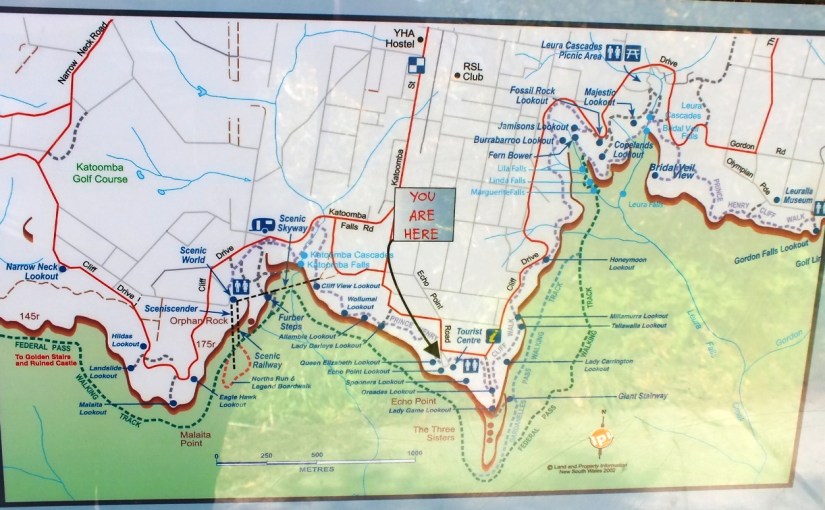
After admiring the views for a while I decided to head off on one of the bush trails past Kedumba View which looks out over the Kedumba River to Mount Solitary. It was too hot already to contemplate the longer, more arduous boardwalk you can access from over at Scenic World, but I think you’ll find that even on a shortish walk (40 mins one way) there is a lot to see.

I continued along the trail which would lead to another viewpoint, before retracing my steps. The views were amazing, but I was also interested in the flora alongside the trail, much if looking like the fynbos found in the Cape Peninsula, South Africa.

The path became muddier and less easy to traverse with short steps along the route, but the joy of discovering different things to see every few yards made me continue until I reached Lady Darley’s Lookout.

Where I found the most wonderful views, and a group of French youngsters posing for photos on the edge of the overhang! What makes people do this? Do they not realise that one false step and they are over the edge? Looking at my options of either the ladder going down (and the steps in the distance to the next viewpoint at Katoomba Falls) and the steep staircase going up to the Cliff Drive, I decided that this would be my turnaround point. By now that sun was hot too!

and a final few photos of the flora…

The following day there were severe bush fires in the Blue Mountains – a common occurrence and one which must put fear in the hearts of those people who live in this vast ‘bushland’.

(Why are the Blue Mountains blue? The distinctive blue haze is always present. The phenomenon is known as ‘Rayleigh Scattering’ and caused by scattering rays of light coming into contact with the fine dust particles and droplets of oil dispersed from the eucalyptus trees in the valley.)

If you enjoy a walk, short or long, then you may enjoy visiting Jo’s Monday Walk where you are in for a treat.
Pilsdon Pen

DSCF4225

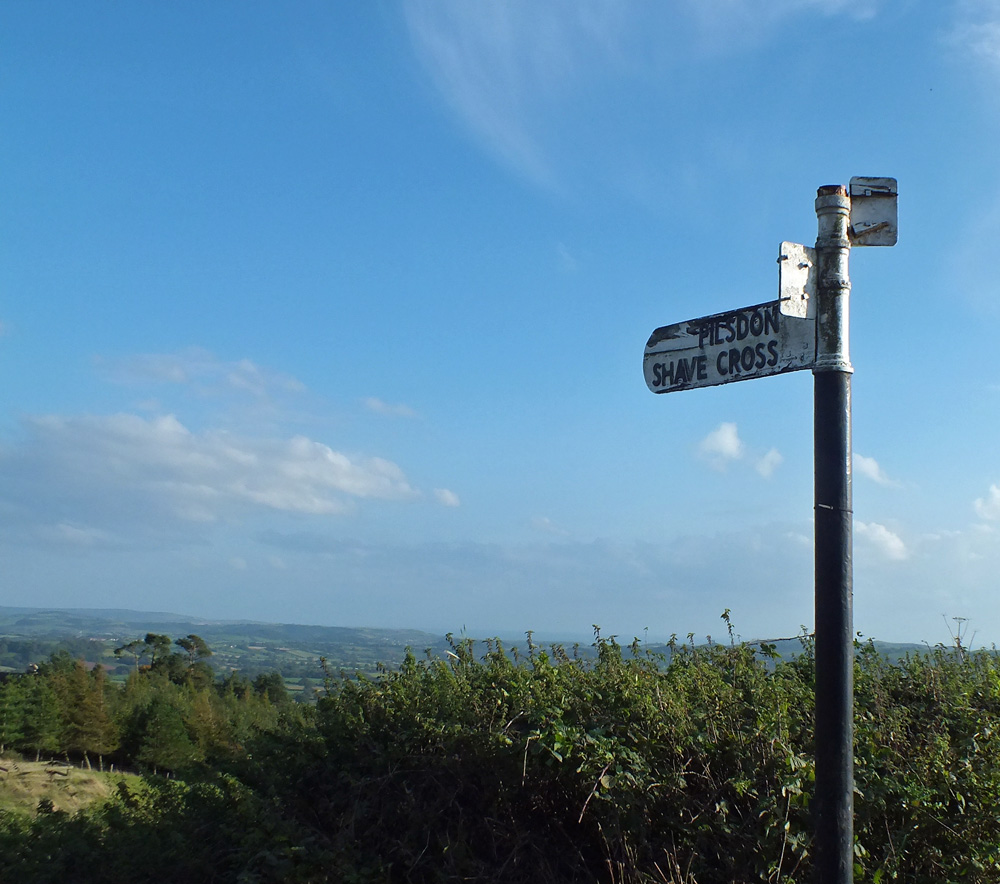
Like a lot of things in life finding Pilsdon Pen was a fluke. We were driving back to Bridport in Dorset after visiting Lyme Regis and me being, well, me, decided to return via the country roads instead of the direct route. Admiring the views surreptitiously as I was driving along the narrow winding road, it was a relief to find a layby to pull into. Obviously a spot with a view as there were already a couple of cars parked there.

DSCF4227

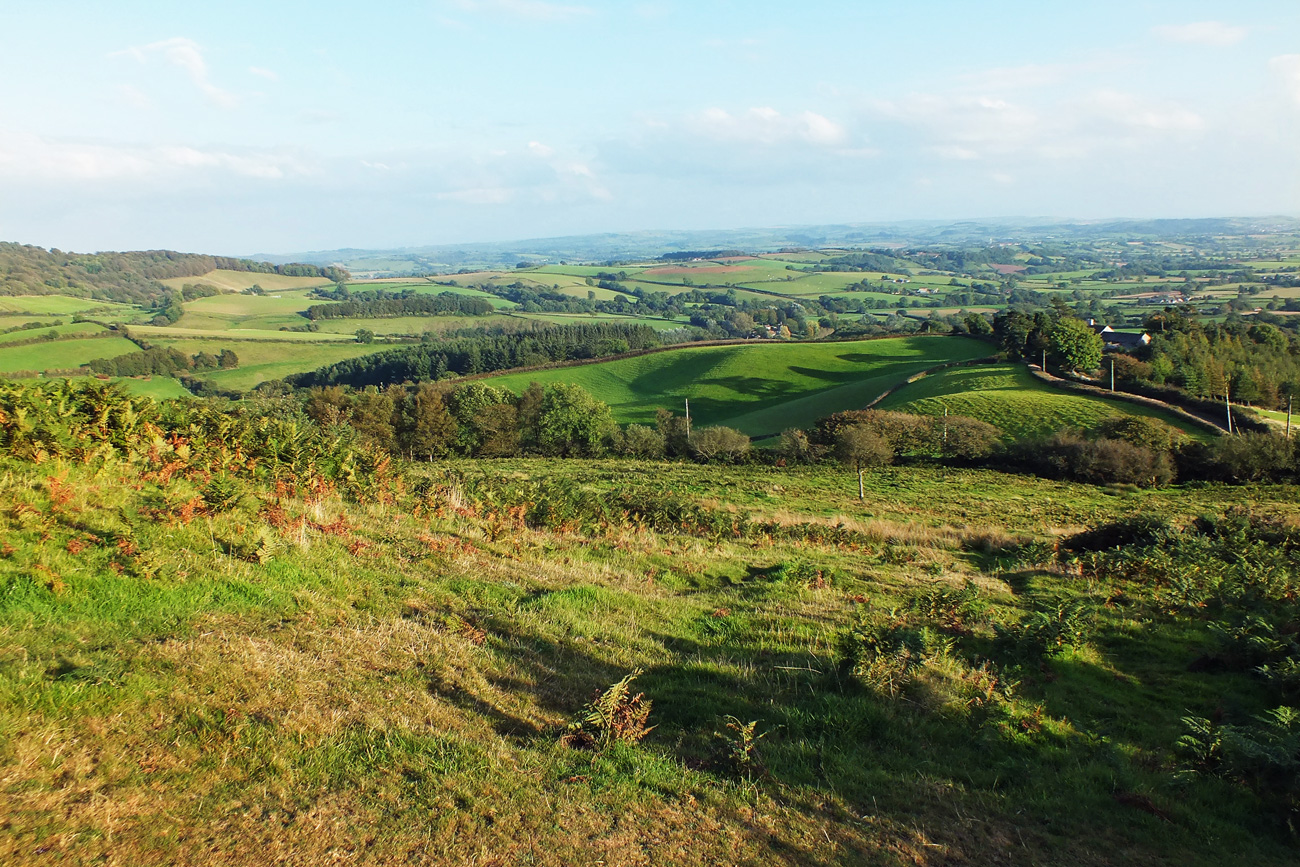
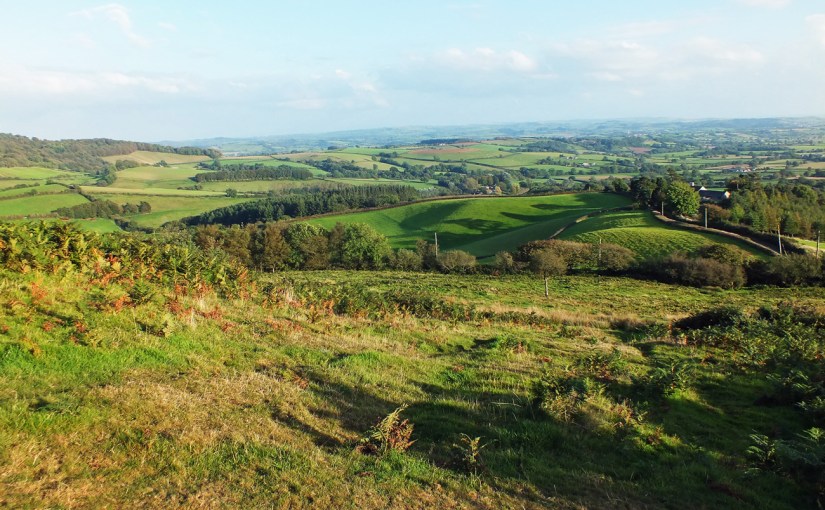
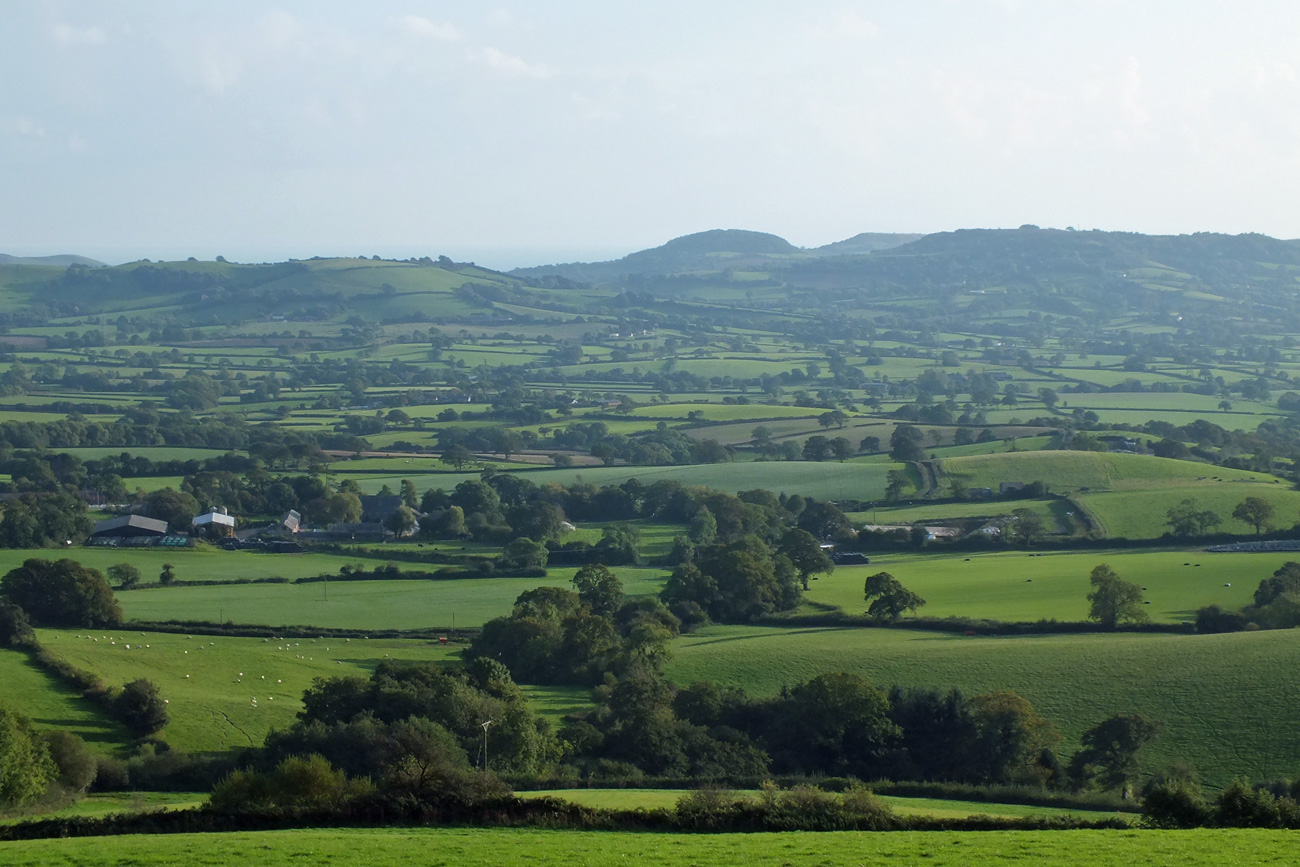
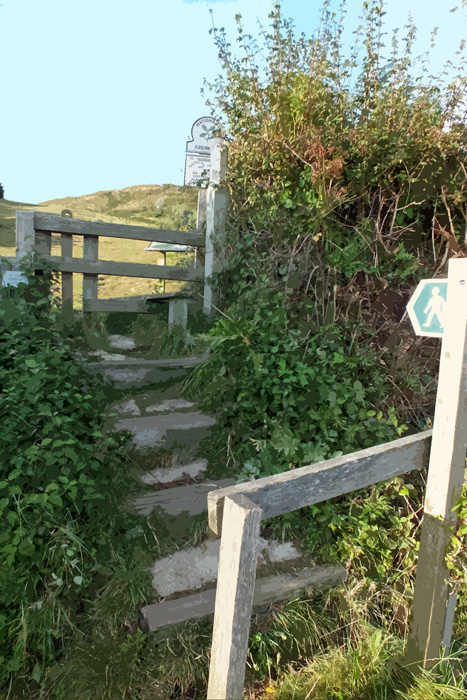
The panorama was spectacular, rolling hills, cliffs and in the distance, the sea. After taking a few photos, I headed across the road to a stile that I had spied which led to a path up a hill. Thinking that I might get even better views from the hill, I hopped over the stile.

DSCF4235

And found that I was on Pilsdon Pen, the highest point in Dorset.

DSCF4237So of course I had to climb to the top, and after a bit of huffing and puffing and a stop or two at a conveniently placed bench, I got to see the 360 degree views.

And I was particularly fascinated by the late afternoon shadows of the trees bordering that field.

shadows

 Serendipity 🙂

If you enjoy a walk, short or long, then you may enjoy visiting Jo’s Monday Walk where you are in for a treat.
Reculver Towers and Roman Fort

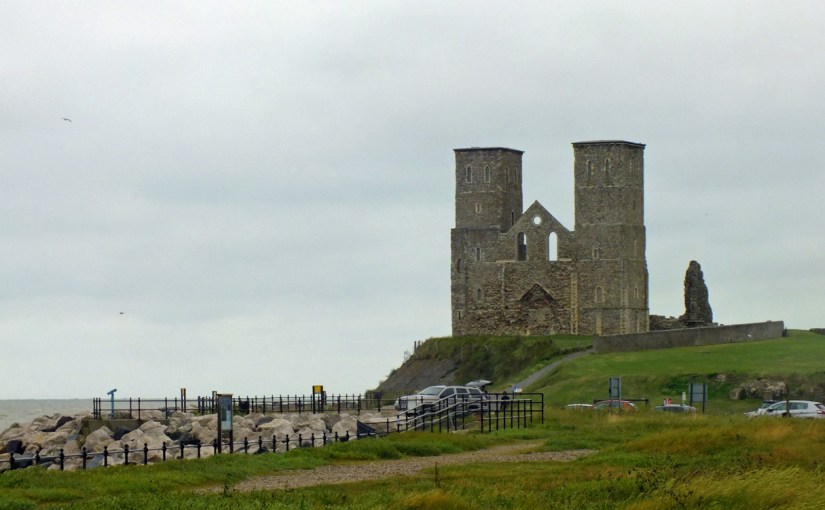
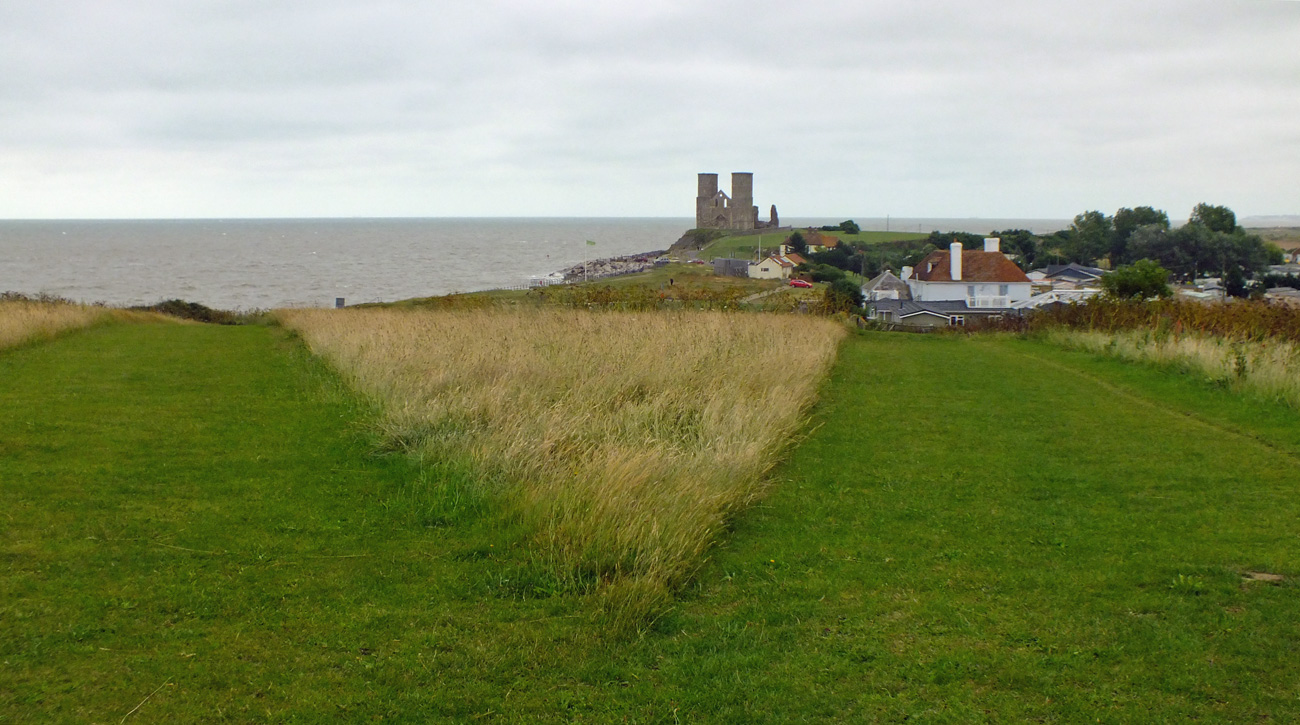
It was a cold, grey day in June when I ventured out to the North Kent coast to visit a building that had intrigued me when I first glimpsed it in the distance from Herne Bay a few years ago. Twin towers that looked as though they rose from the sea itself.

DSCF0485

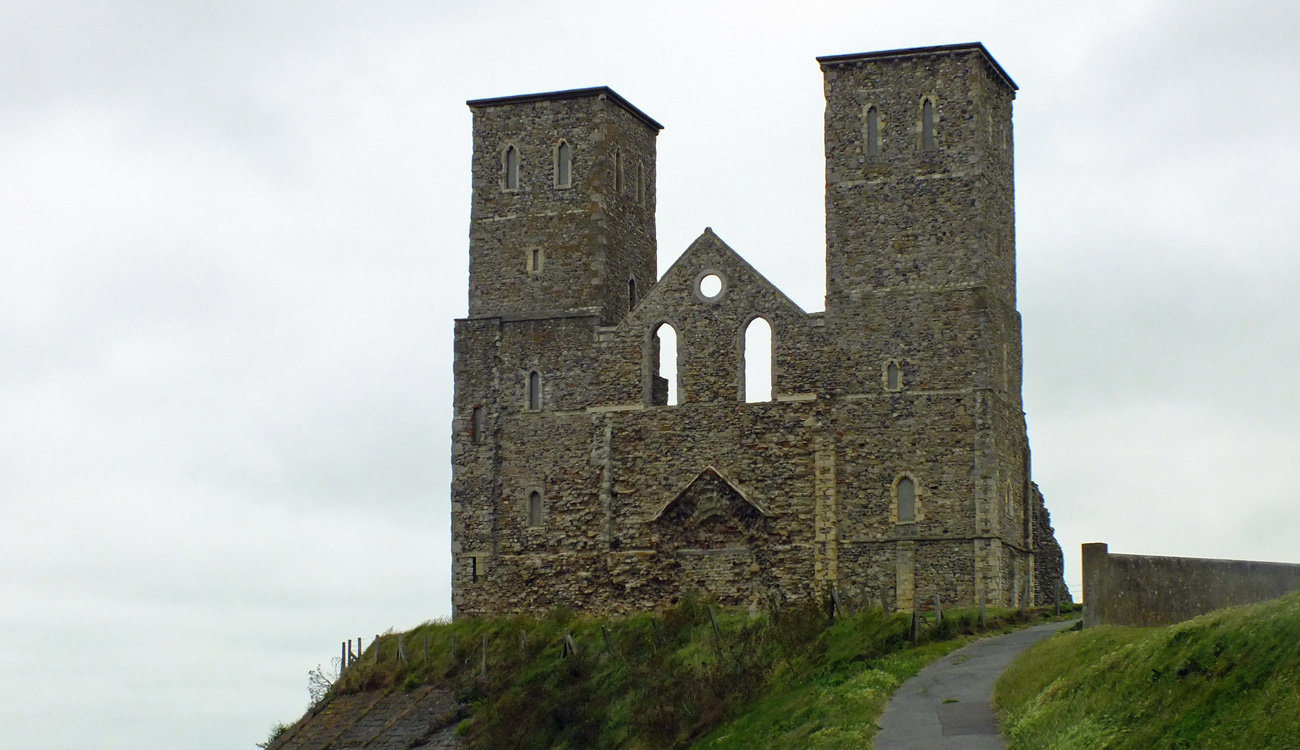
An imposing landmark, the twin 12th-century towers of the ruined church stand amid the remains of an important Roman ‘Saxon Shore’ fort and a Saxon monastery.

DSCF0486

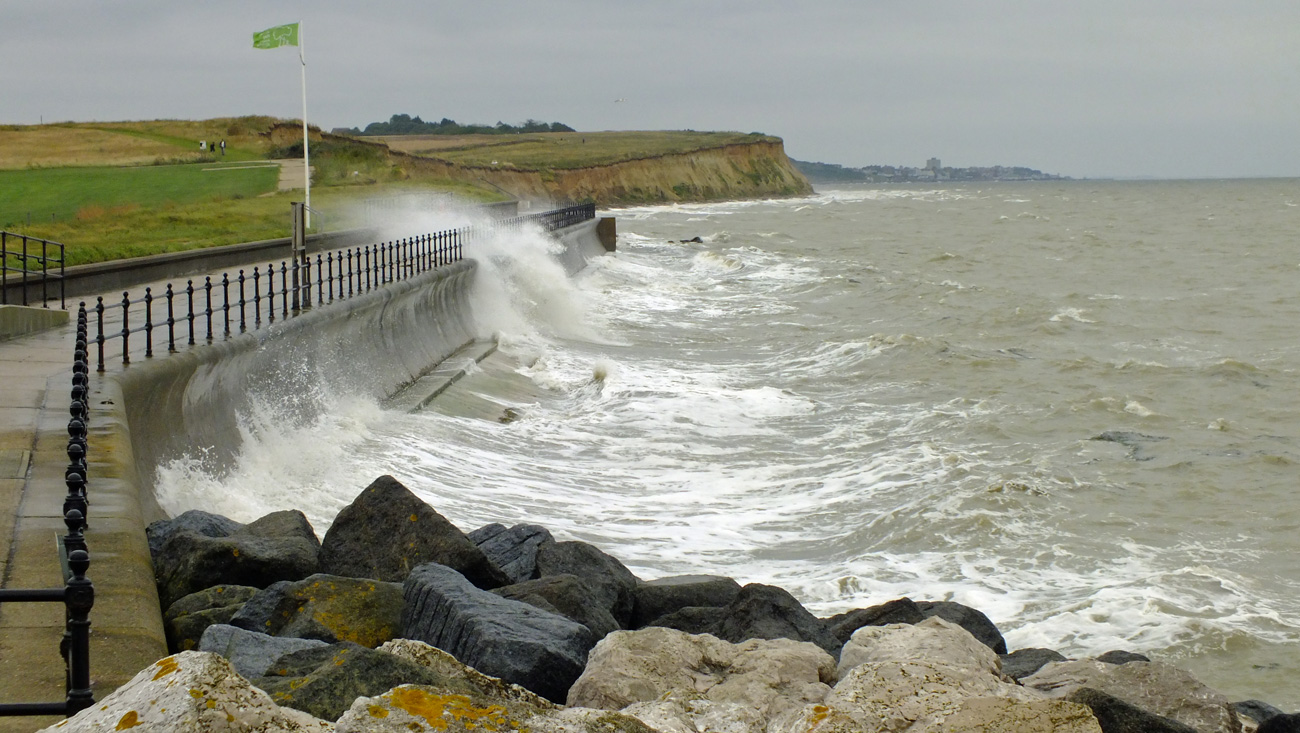
It wasn’t always on the beach – coastal erosion has caused much of this site to be lost to the sea, so if you want to visit I suggest you don’t leave it too long.

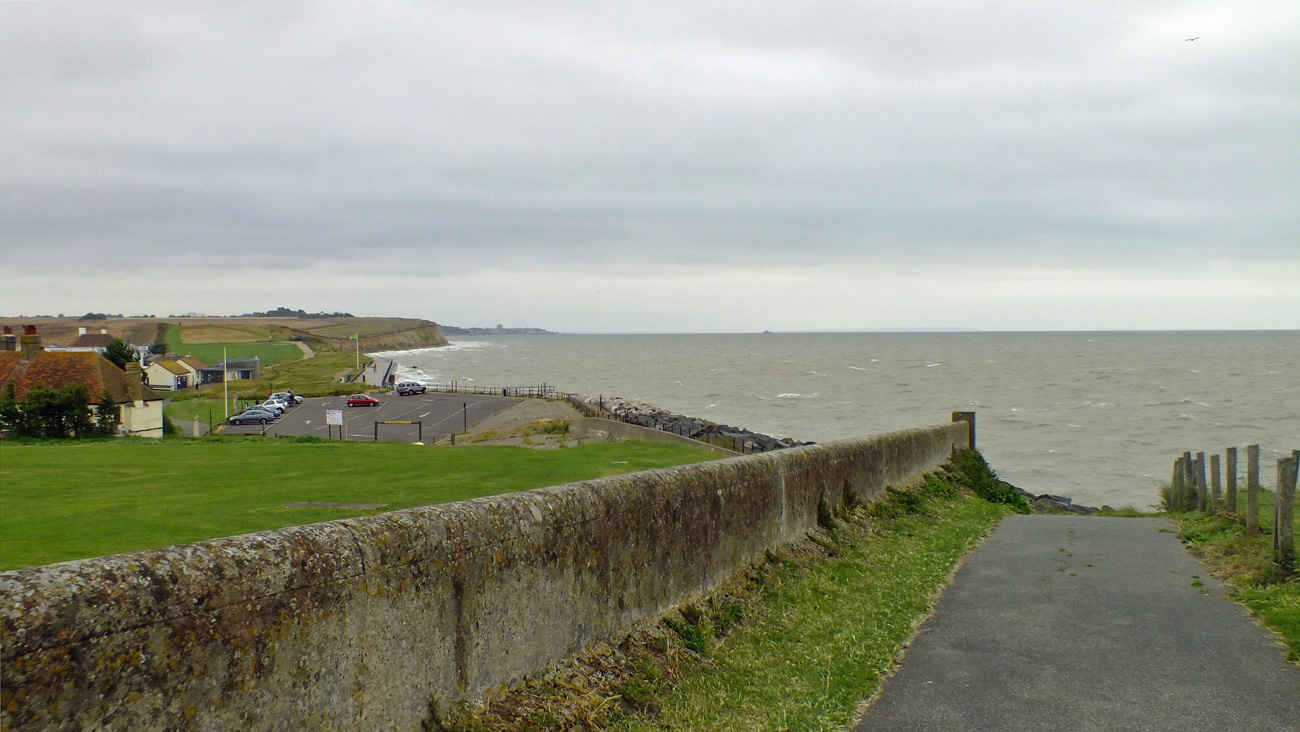
From the car park it is a very short walk to the site ruins, but you can continue to walk along the coast through the Reculver Country Park to Herne Bay (west) along the Wantsum Way, or towards Margate (east). Given the blustery, wet weather I’m afraid I didn’t venture too far along this coastal path, but in sunnier weather I imagine it is a very nice place to walk or cycle in.

Looking West

DSCF0496

DSCF0525

DSCF0533You can see the path leading away on the left-hand side, but this promenade obviously wasn’t the best route forward. I was constantly wiping the camera lens already!

DSCF0552If you enjoy a walk, short or long, then you may enjoy visiting Jo’s Monday Walk where you are in for a treat.
 

Tilting at Windmills

Let me introduce you to one of the prettiest towns in the Kent High Weald, only three miles from the famous Sissinghurst Gardens created by Vita Sackville-West. You may enjoy the many types of weather-boarding and architecture, independent shops, the narrow medieval streets and some interesting buildings all within an easy walk of each other including a beautiful church and a smock windmill. It is the picture of a small English town and on a warm summer’s day with church bells chiming and white sails shimmering, let’s go for a stroll around Cranbrook.

DSCF2056

Cranbrook means ‘brook frequented by cranes or herons’. The name is first recorded as Cranebroca in the Domesday Monachorum of 1070, but as the name of a stream, not a settlement.

Leave the car in one of the free car parks and head down the High Street to the Vestry Hall built in 1859 as Cranbrook’s court-house with the Old Fire Station below. Now the Weald Information Centre.

DSCF2059

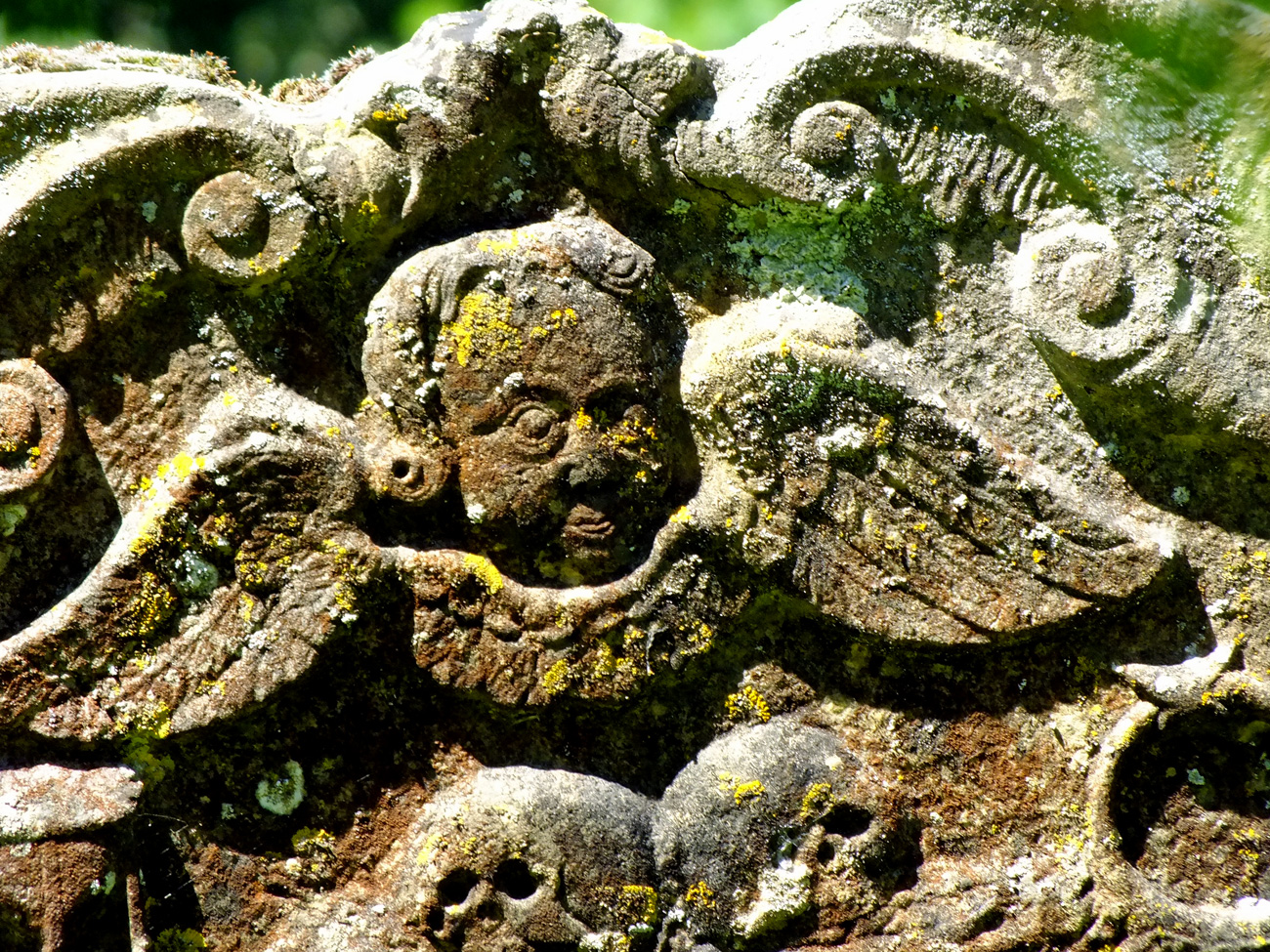
Head up the steps on the left to St Dunstan’s Church. Outside on the tower is a carved figure of Father Time. Local legend says that he comes down every night and scythes the churchyard grass to keep it neat and tidy.

DSCF2070

DSCF2075

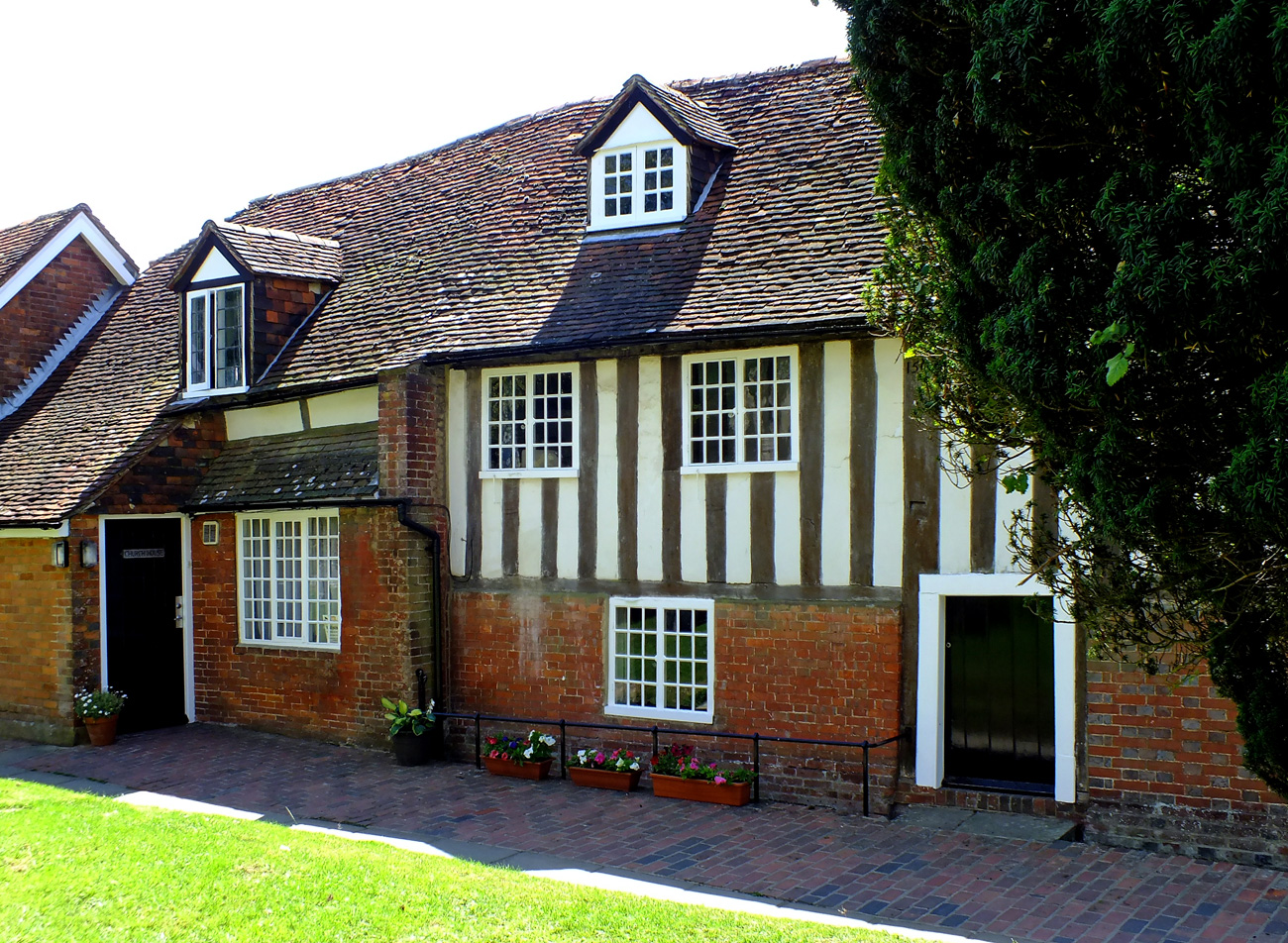
Opposite the church is Church House, formerly Dence’s School, which was built in 1567 by Alexander Dence. It was used as an elementary school for 300 years.

DSCF2145

Carry on around the church and through the churchyard which leads into another small car-park and back into the town.

DSCF2156

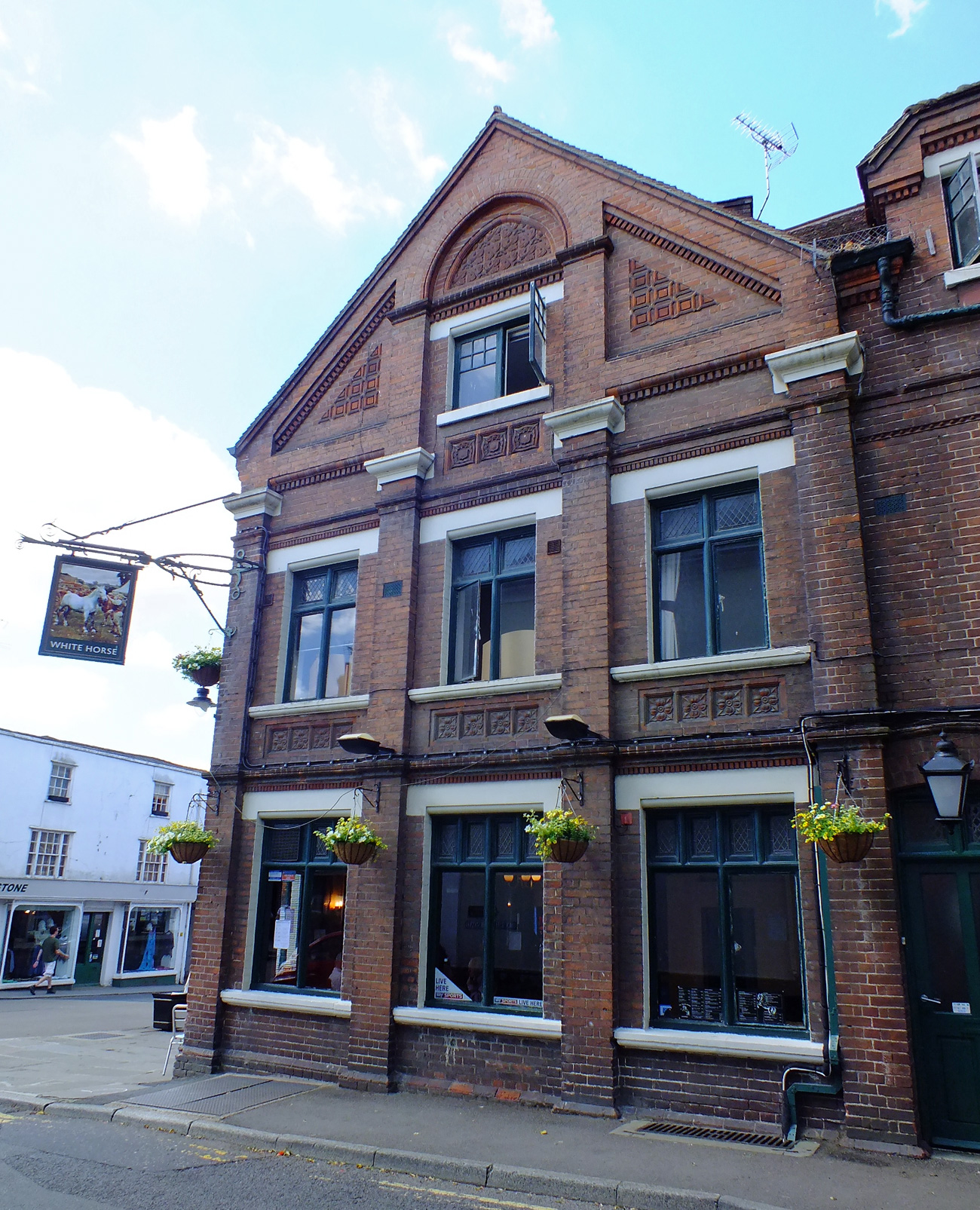
Stop to look at the decorative bricks of the White Horse public house on the corner.

DSCF2058

DSCF2161

Straight on down Stone Street you will catch glimpses of the windmill ahead of you.

DSCF2168

and lots of lovely shops…

On the right hand side several narrow passageways lead off Stone Street.  One passage passes Hatter’s cottage, which was William Tooth’s water-powered hat factory.

DSCF2255

Pop around the corner to see Cranbrook School. John Blubery (d 1518) bequeathed funds for “a frescole howse for all the poor children of the towne”. The school received a charter from Queen Elizabeth I in 1574. It is now a co-educational grammar boarding and day school and still State-funded.

DSCF2181

Retrace your steps and turn left onto St David’s Bridge where you will find a delightful Arts and Crafts House which used to be a restaurant. Originally a temperance coffee house with reading room the Old Coffee Tavern was built in 1890 by Clement Cramp (1816-1894) for working men.

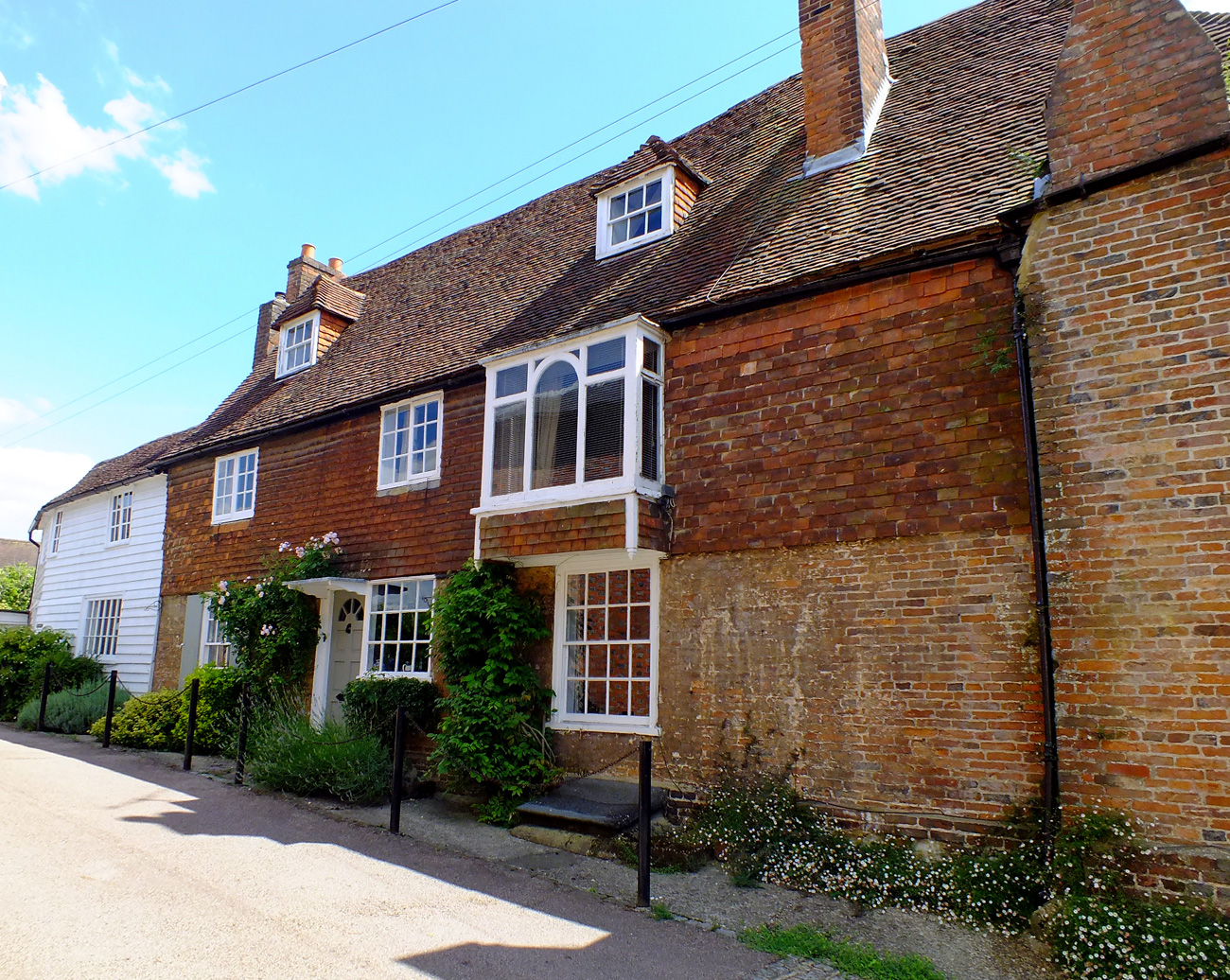
Opposite is a row of white weatherboarded houses and The Chapel of Strict and Particular Baptists. Built in 1785, this is the oldest existing place of worship for Dissenters in the Parish.

Continuing up Hill Road with Hill House on the right. Dating from the late middle ages, when the town was the centre of a thriving woollen industry, Hill House is a medieval clothier’s house. Note its lovely door.

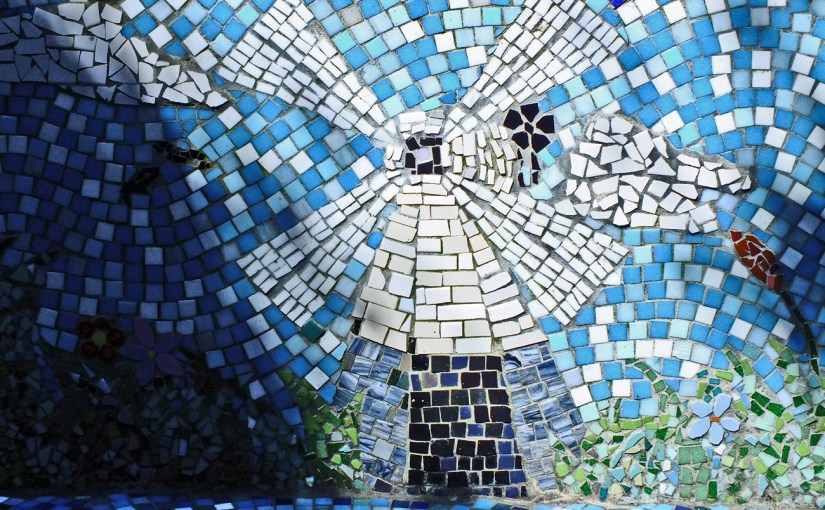
We have now arrived at Cranbrook’s windmill which is the tallest surviving smock mill in the British Isles. Built in 1814 it dominates the town. It is still in working order, grinding wheat regularly to produce wholemeal flour which can be purchased from the mill shop. The Windmill is usually open Saturday, Sunday and Wednesday afternoons in the summer. Note: not on a Monday.

DSCF2225

Stepping into Cranbrook is like stepping back in time.

DSCF2212

If you enjoy a walk, short or long, then you may enjoy visiting Jo’s Monday Walk where you are in for a treat.
A Walk along the Dee

It was another lovely evening and time for some exercise. We decided to take the riverside walk following the tidal waters of the River Dee up to Tongland Bridge. A three and a half mile stroll along a level path felt doable and would take us around a couple of hours if we didn’t stop too many times to take photos.

DSCF9388

“While looking towards the north the scene is truly delightful, the banks of the river, from Tongland to the sea, being peculiarly rich in natural beauty. In the foreground is the river sparkling in the sun’s rays, and winding like a silver thread among the green meadows; while the grounds around Compstone, sloping gently to the river’s margin, are clothed with plantations of great freshness and beauty.”

Rambles in Galloway, by M. McL., Harper.1876.

The tree-lined Dee Walk begins at the end of the Kirkcudbright bridge and continues upstream alongside the river.

DSCF9421

At the end of the walk several paths lead off back into town, but carry on across the open grass and then after crossing a wooden footbridge (3/4 mile) turn left and walk along the flood embankment by the riverside hedgerow.

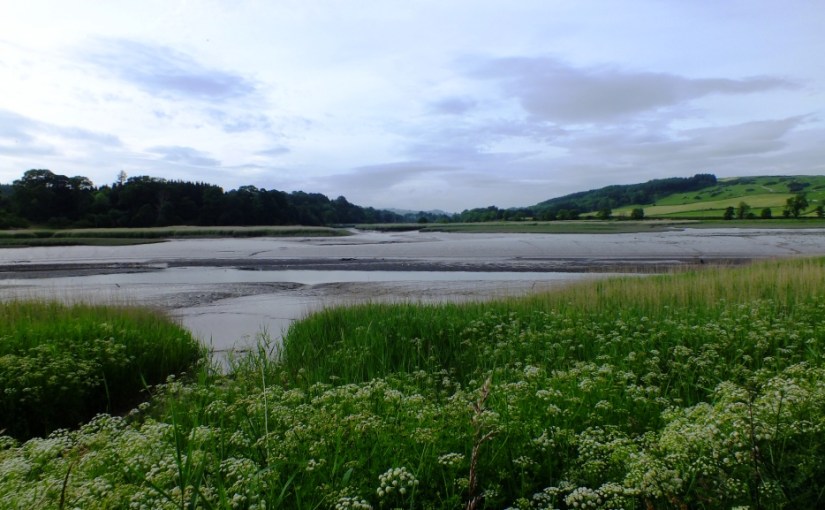
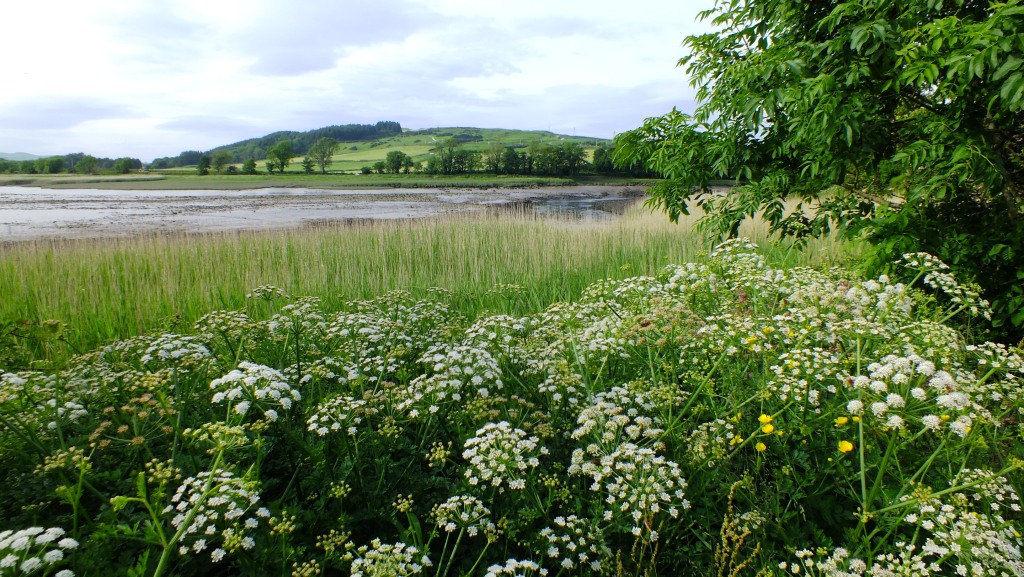
Unfortunately it was low tide, so the walk wasn’t as picturesque as it may be when the river is in full flow. Mud banks aren’t the prettiest of things, but still it was a lovely sunny evening and the wet mud glistened silver in the late sunlight.

DSCF9462

DSCF9450

Several abandoned boats provided photo opportunities

And a cormorant standing out on the sand bank drying his wings

DSCF9455

There are good views over the reed beds and the odd bench provides a rest and chance to look back at the town.

DSCF9472

DSCF9449

DSCF9484

Just before the Bridge, there is an attractive strip of deciduous woodland, with some steep drops by the river side.

DSCF9495

DSCF9522

And finally we reached the bridge. Which proved very difficult to photograph because of all the trees and scrub in front of it. This is a Thomas Telford design with three Gothic-pointed arches. The crenellated towers and the corbelled parapets are the work of Alexander Nasmyth.

DSCF9505

We returned to the town by retracing our steps, though we could have followed the road back as there is a roadside footpath. There we picked up some excellent fish and chips from Polarbites and took them back to our cottage to eat.

If you enjoy a walk, short or long, then you may enjoy visiting Jo’s Monday Walk where you are in for a treat.