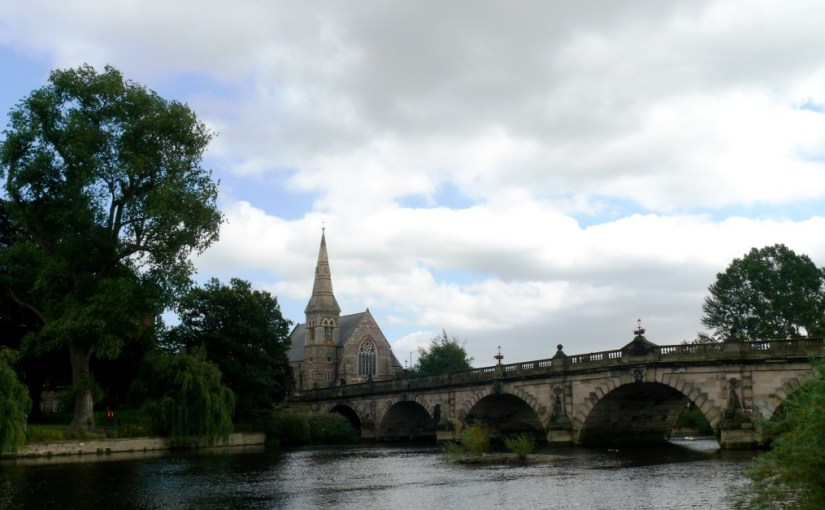
Scrobbesbyrig/Shrewsbury: A look at stone buildings

Although I lived in Shewsbury for two years at the beginning of the millennium, and relocated to south Shropshire from Surrey in 2011 I have not written much about the county town. I do have rather a large number of photos though taken over several years from various visits and since it has quite an interesting history, including buildings of various designs and styles built over a thousand years, I thought it time to set this right.

The first written evidence that refers to Shrewsbury dates back to 901. It refers to Shrewsbury as ‘Scrobbesbyrig’ which indicates that it was then a fortified settlement with ‘Scrobbes’ most likely referring to a scrub covered hill, and ‘bryig’ suggesting the presence of fortifications. Shrewsbury is a stunning historic town with over 660 listed buildings and some very strange street names – Dogpole and Mardol, Gullet Passage and Grope Lane. And there is still disagreement as to whether the modern-day name is pronounced Shrewsbury, or Shrowsbury.

Shropshire is England’s largest inland county with Shrewsbury as the county town. Curled up within a horseshoe bend of the River Severn (Great Britain’s longest river), it narrowly escapes being an island.
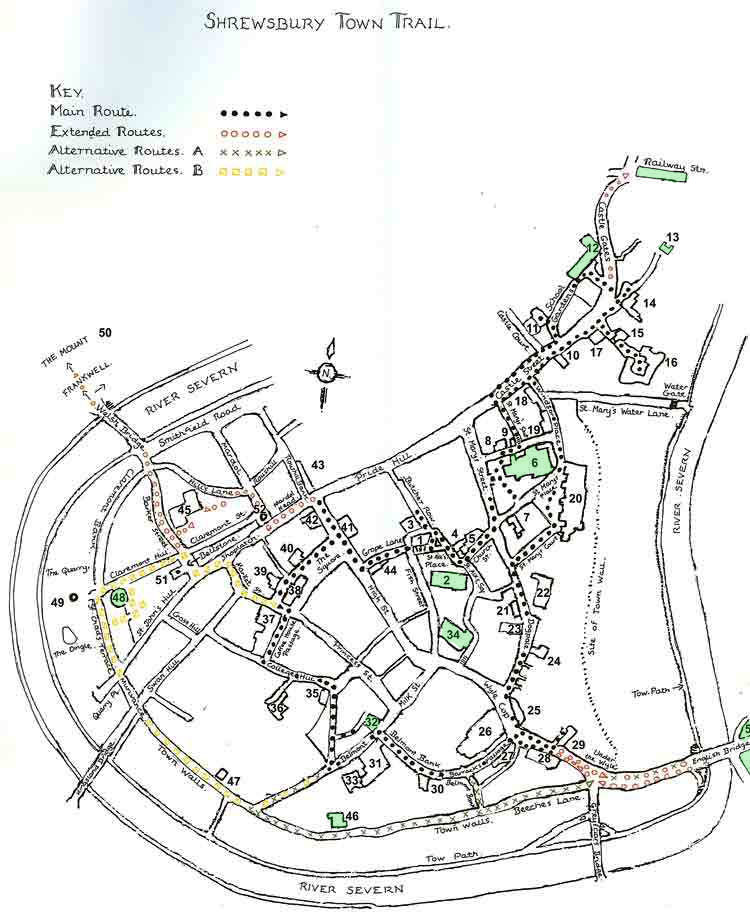
towntrailmap (stone)

A thriving Saxon town it had a mint by the early 900s and following the Norman Conquest, a castle and a monastery. By the 1380s Shrewsbury was the third largest centre after London and York. The town’s heart still remains within the embrace of the river, protected and rich in ancient streets and historic buildings. Continue reading Scrobbesbyrig/Shrewsbury: A look at stone buildings
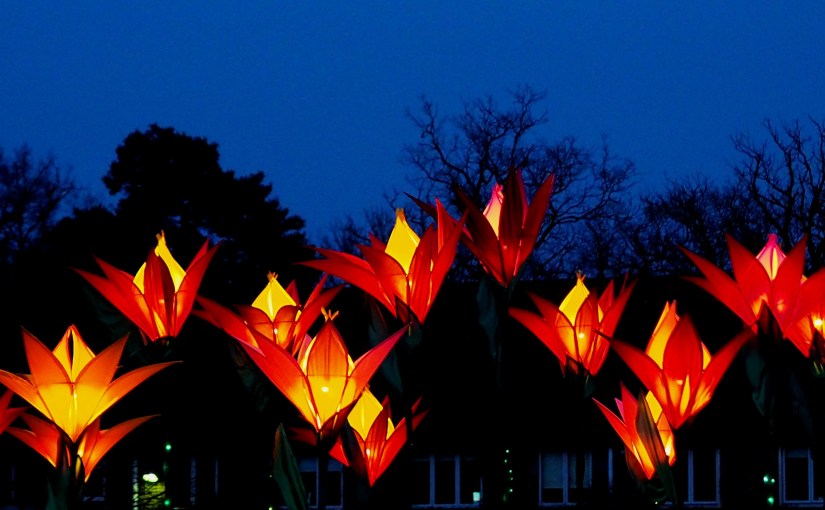
Christmas Glow

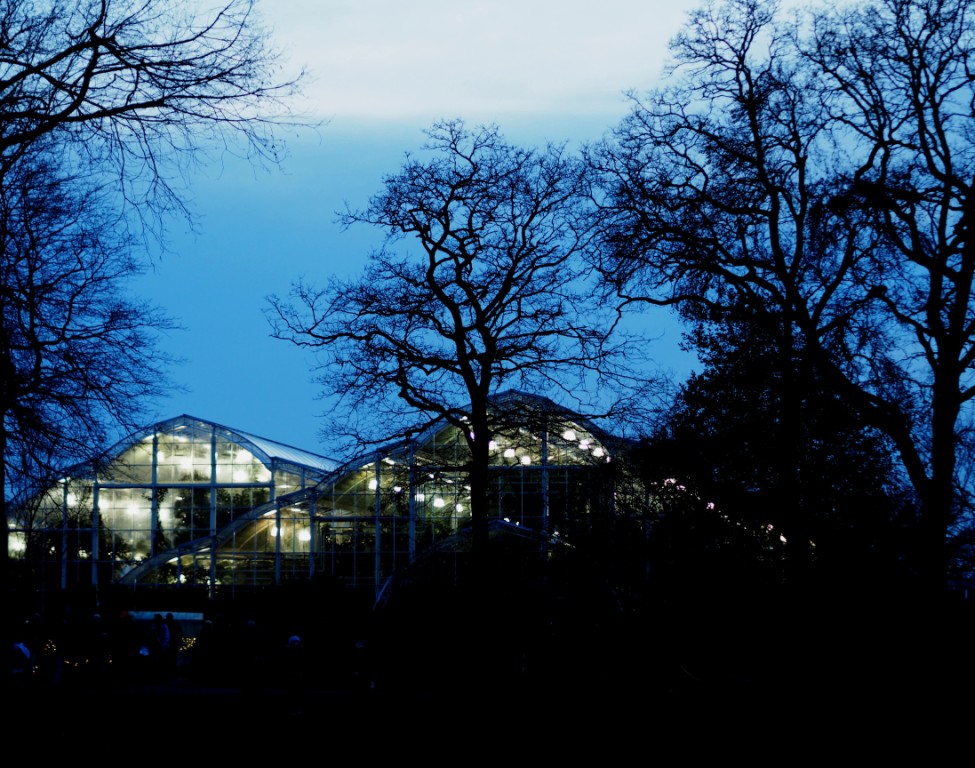
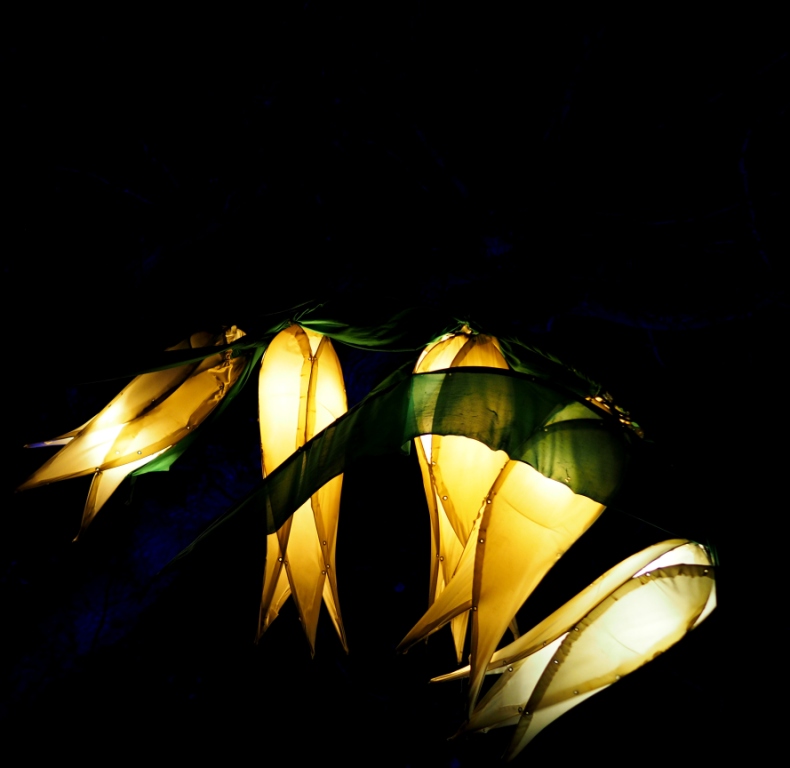
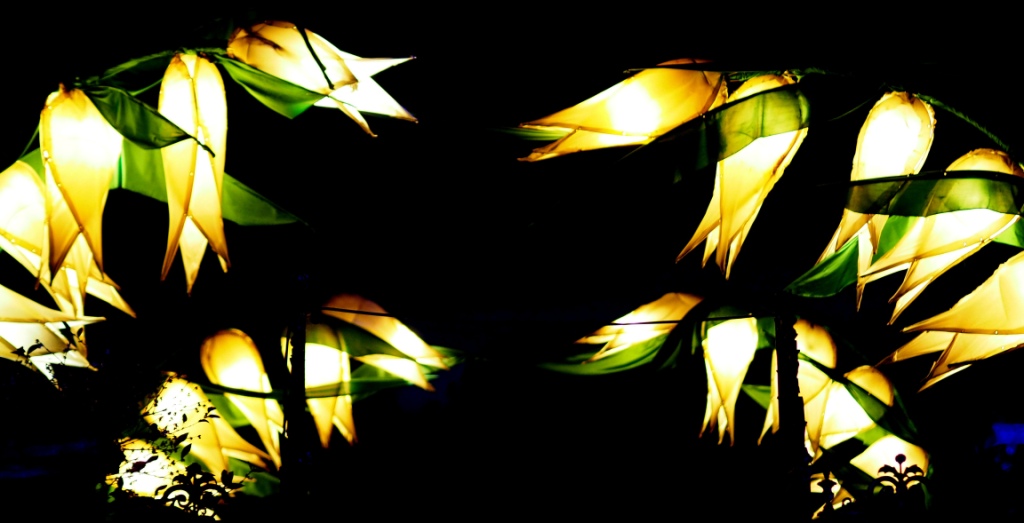
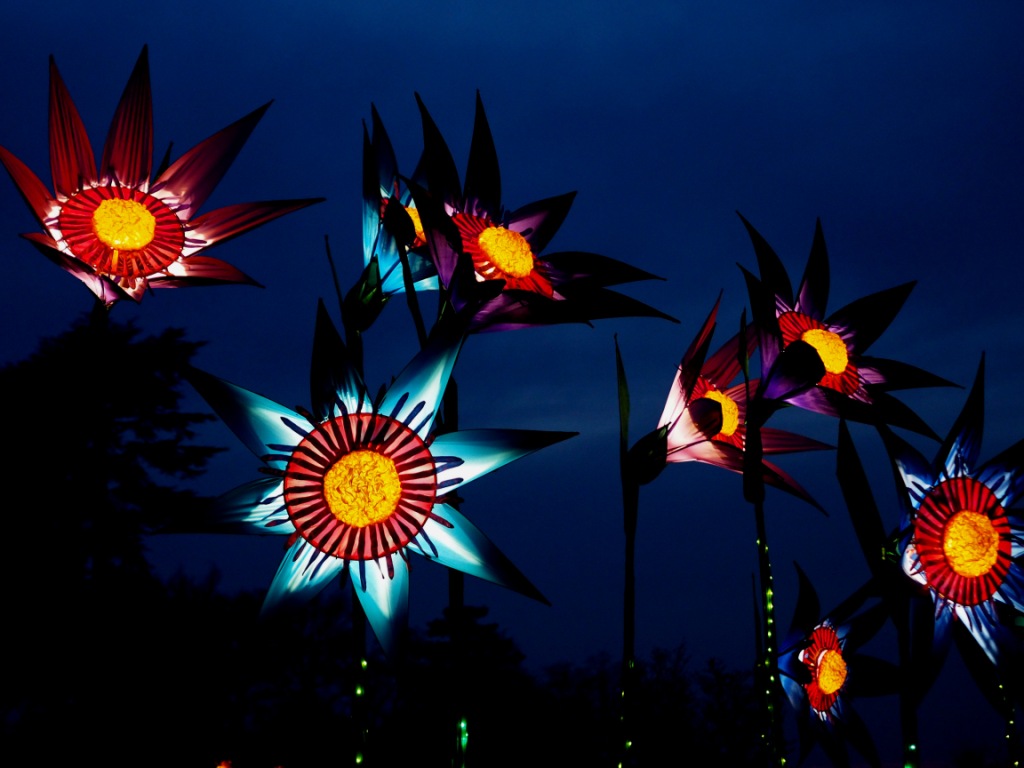
From Thursday 3 December until Sunday 3 January RHS Wisley added to the enjoyment of the festive season with the Jigantics light installations in the shape of magical, giant lit-up flowers.

Of course you have to wait until dusk before the show really begins.

OLYMPUS DIGITAL CAMERA

Snowdrops at the entrance

snowdrops

snowdrops

Tulips along the canal and loggia

Lotus flowers changing colour

Lilies near the food hall

Gerberas on the lawn

and more lovely lights in the garden

If you enjoy a walk, long or short, then have a look at Jo’s site where you are welcome to join in.

And I guess this could also be a post for my January challenge: Winter Gardens!

Ancient trees and the Spanish Armada

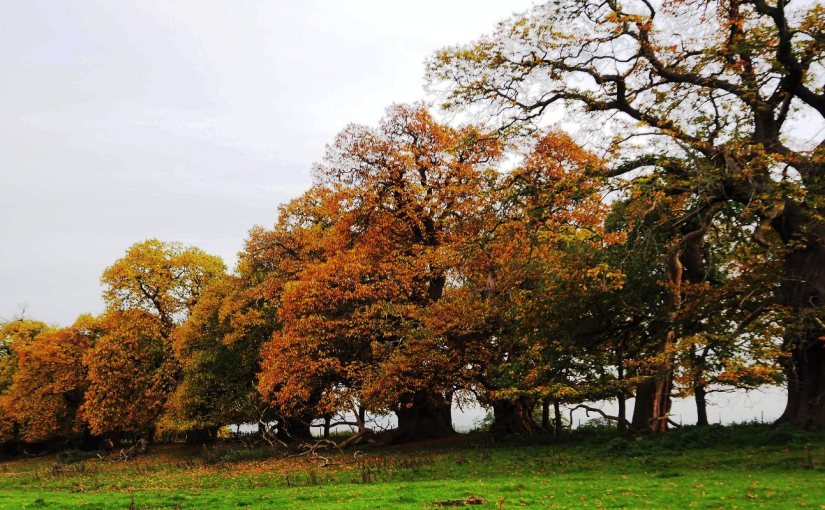
One of the loveliest things about visiting Croft Castle in Herefordshire is to see the many ancient trees planted there. Majestic chestnuts and oaks some going back hundreds of years.
OLYMPUS DIGITAL CAMERA

A story tells that sweet chestnuts were taken from captured Spanish ships and planted at Croft between 1580 and 1680. The avenue is said to represent the formal battle plan of the Spanish Armada with rows of chestnuts representing the Spanish ships and oaks the English. This was the original formal approach to the castle.

Continue reading Ancient trees and the Spanish Armada

A Walk on a Wild Ridge

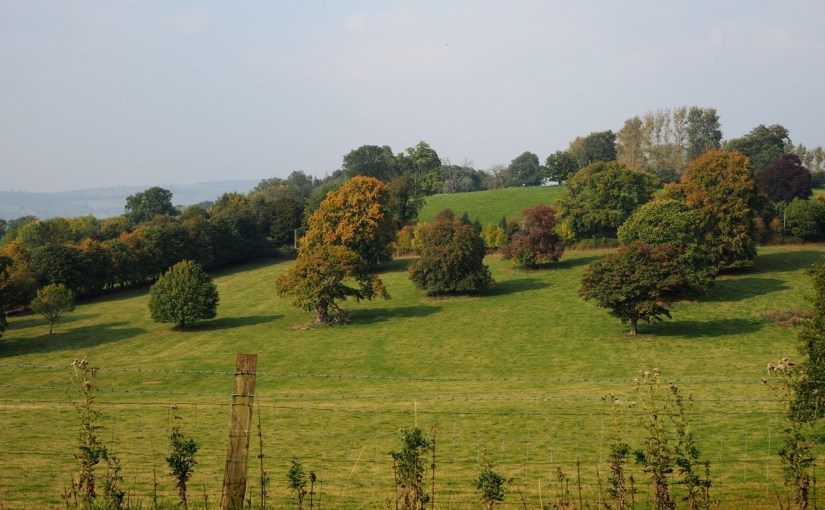
I meant to return to the Stiperstones in Shropshire during August when the hills would be a purple haze. Unfortunately the damp weather conspired against me but on a gloriously clear day in mid-September I did go back. The Stiperstones is a spectacular 10-kilometre ridge in south-west Shropshire rising to 536 metres above sea level.

Information
Information

We started the walk this time from the Knolls car park which lies between the Bog Visitor Centre and the hamlet of Bridges at the base of the Long Mynd. There is a fairly short all-ability trail on a broad, level, well-surfaced track running along the southern edge of the Reserve.

All Ability Trail
All Ability Trail

There are resting perches and a tapping rail as well as plenty of benches providing views over the area, although the actual quartzite tors are only just visible. There are no benches on top so make the most of these. Continue reading A Walk on a Wild Ridge

Park Life

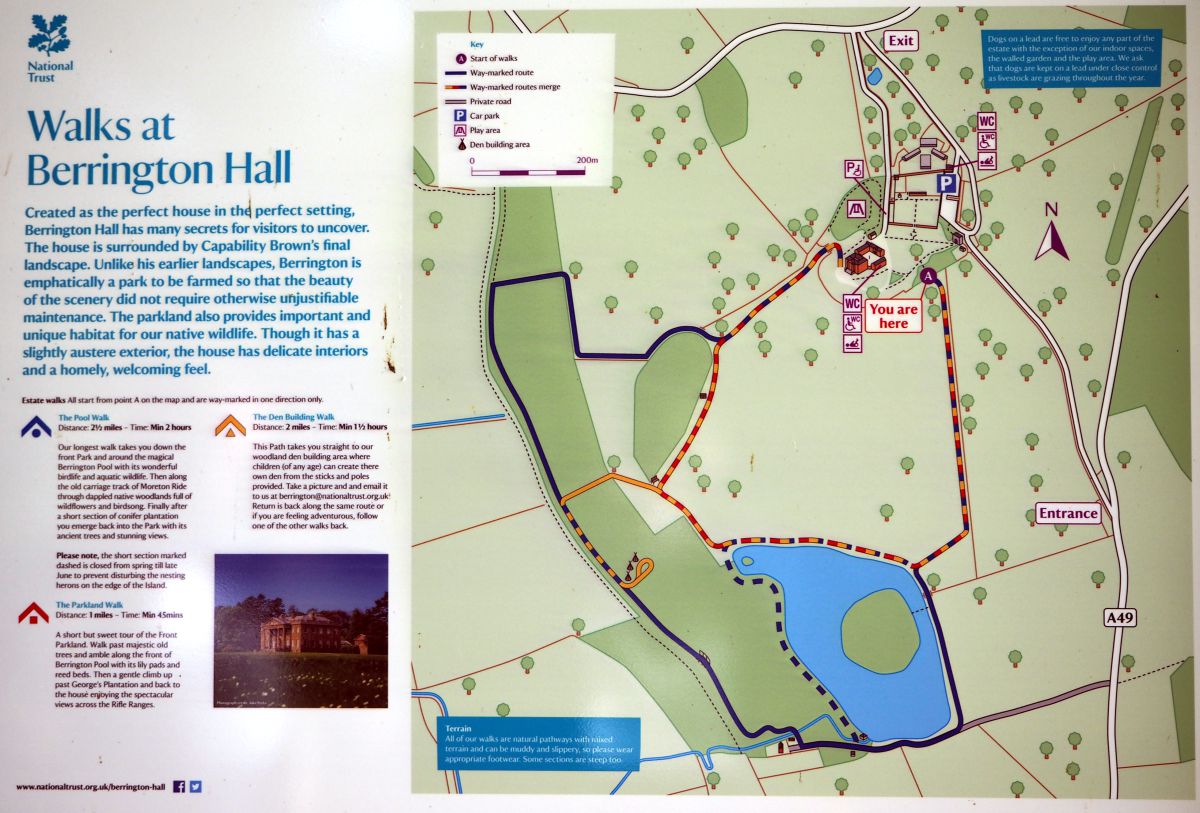
Sunday was a beautiful day. The sun was shining. It was reasonably warm for the time of year and it was my birthday. To celebrate we went for a walk in a nearby National Trust parkland, Berrington Hall, where a new route has been created through the broadleaf-woodland, followed by coffee and cake in the courtyard with live music from a folk group celebrating the apple harvest and a last lingering stroll around the walled garden and orchard simply dripping with apples of all colours and sizes. Care to join me?

Walks

We decided to follow the blue route but cut alongside the lake and then follow the yellow route to cut across and join the blue one again. Although we have visited Berrington many times, it has always been during the period when the lake walk is closed due to grey herons nesting there between March and July.

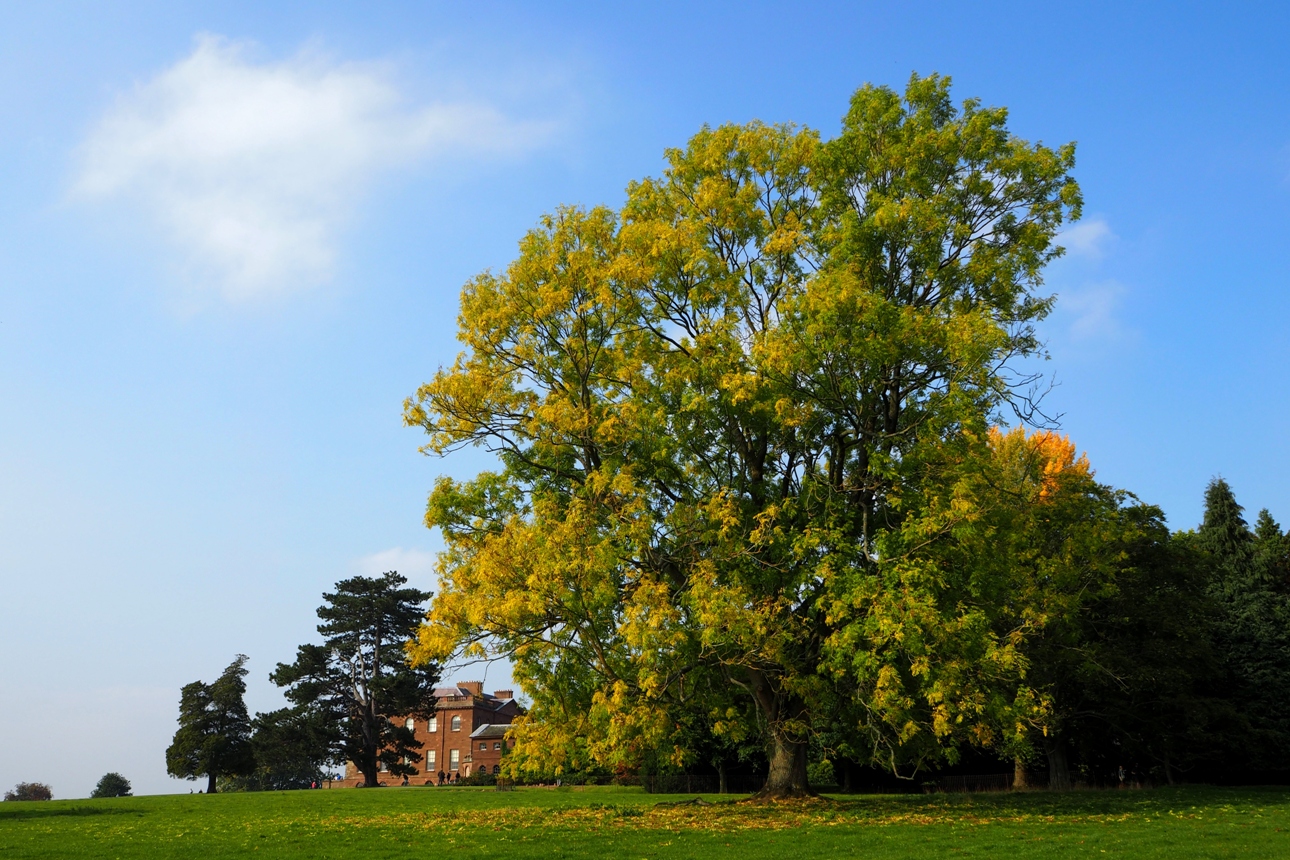
Looking back towards the house, built in 1775 by Thomas Harley and designed by Henry Holland in the latest French influenced Neo-classical style. Continue reading Park Life