Scrobbesbyrig/Shrewsbury: Town Trail Part 2

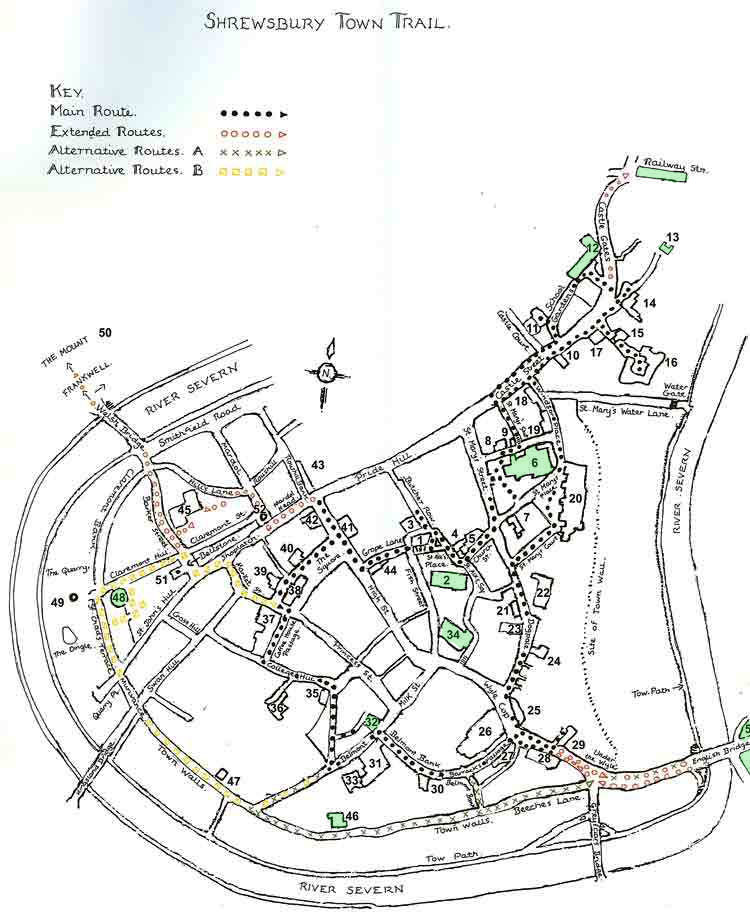
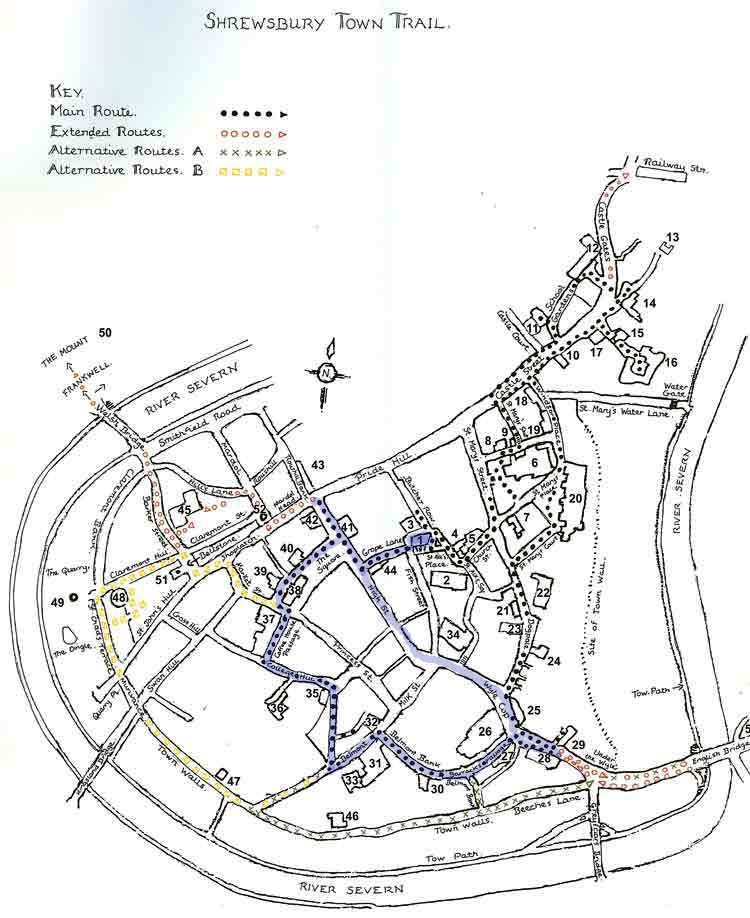
towntrailmap (Trail 2)

Leave Bear Steps on Fish Street (1) via Grope Lane to exit onto the High Street. On the corner is the former Cross Keys Inn. (44)
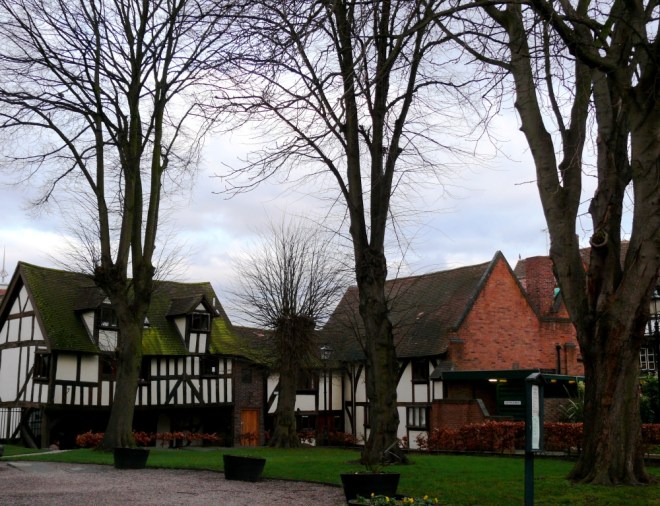
Bear Steps

(The medieval folk were quite apt to call ‘a spade a spade’, or in this instance, the heart of the red-light district was called Grope Lane (ahem… shortened from something even more unacceptable). These areas were often found in the centre of market towns, such as Shrewsbury, to  please the visiting market tradesmen who came to the town and whose stalls were close by, as well as the locals. St Alkmund’s Place was used for the market until the thirteenth century. Most towns have renamed their streets to something more genteel, such as Grove or Grape or Grave – you get the picture. Shrewsbury has retained its name, but then with names like Mardol and Dogpole you can sort of see why!)
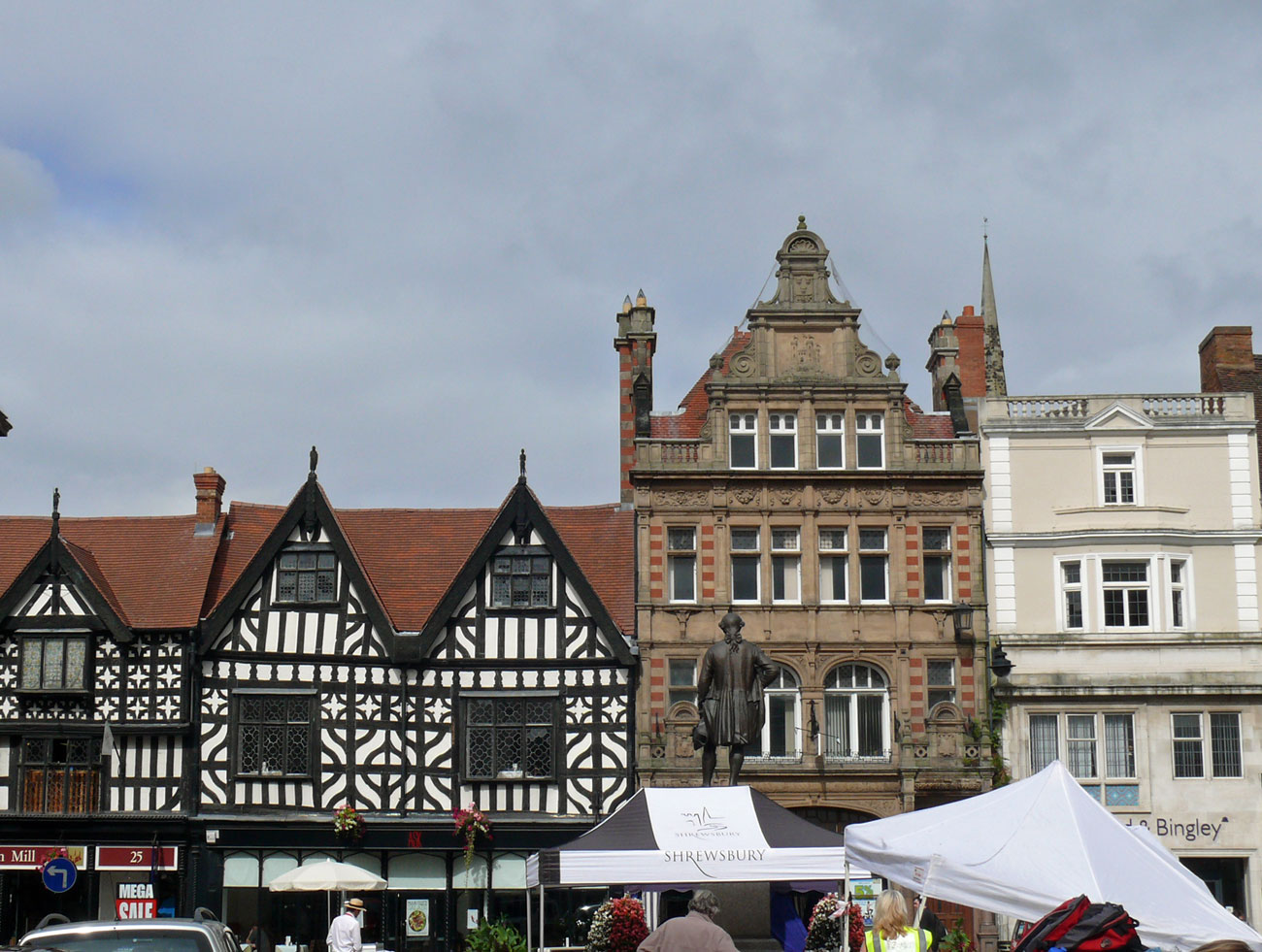
The High Street

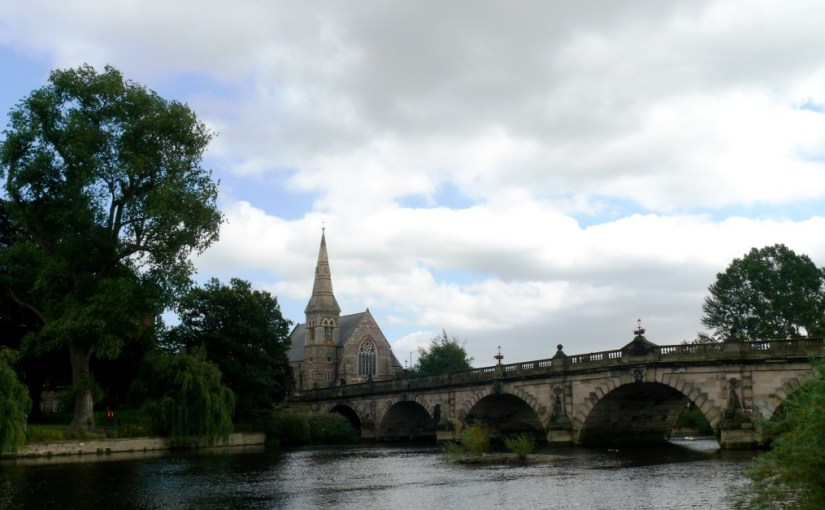
Opposite is the Square. From here you can see several important buildings: Owen’s Mansion (41),  the former Plough Inn (40), Wolley’s House (39), the Old Market Hall (38), the former Music Hall (37), and the very interesting Alliance Assurance Company with its Flemish styled ornate building of pink banded brick and grey stone. Look at the top of this building and you will see the loggerheads (leopards or lions) the Salop coat of arms. Continue reading Scrobbesbyrig/Shrewsbury: Town Trail Part 2
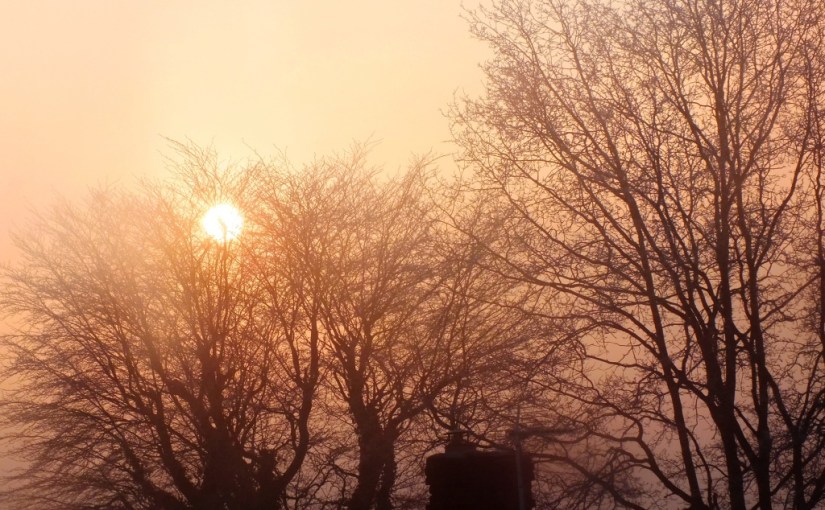
Monthly Photo Challenge: Frosty January

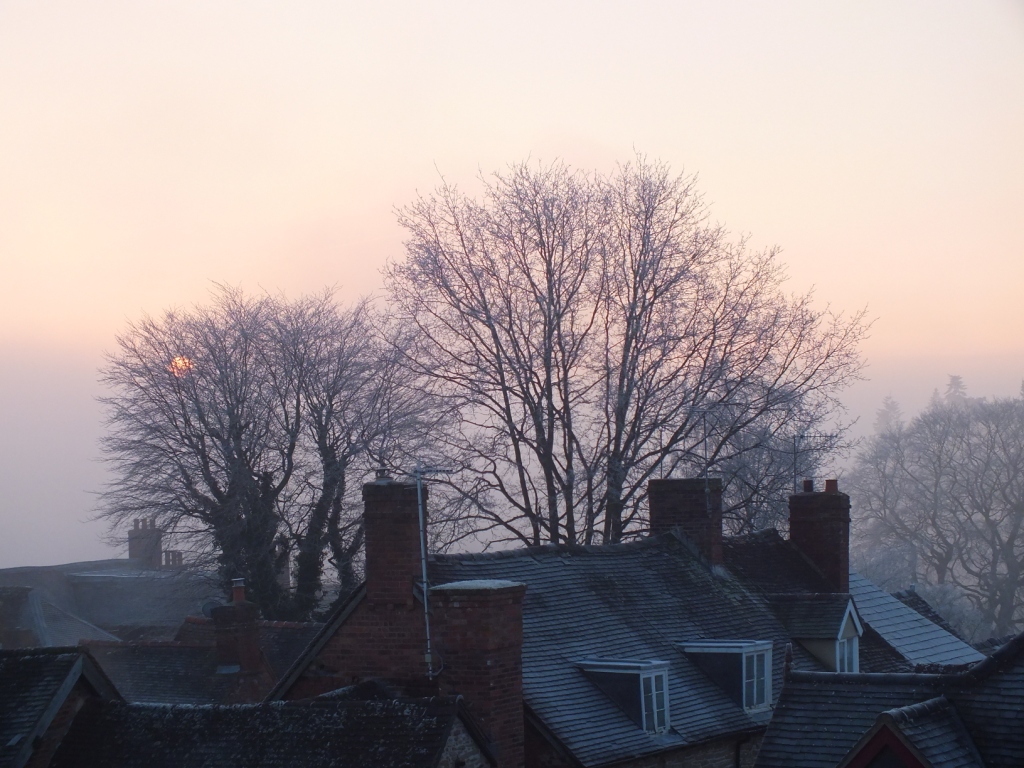
I was beginning to think I would never get any frost or snow photos of Ludlow. The last time I saw a really hard hoar-frost was several years ago. Then on Wednesday I awoke to a beautiful softly coloured sunrise – and frost!

DSCF3744

Not only was there a hard frost, but also fog diffusing light. An ideal time to grab the camera and wander down by the river.

Date: January 20 2016
Weather: cold, freezing fog, but sunny
Temperature: Cold (0°C)
Time: 13:20 – 14:25 PM

Excited by the thought that I might find some rime ice on leaves and trees I first went down to the river by the Mill Weir, where I hoped to get a view of the river and the trees along the Breadwalk. Because the sun was coming from my left, the trees were in darkness with just a glimmer of gold on my side of the river. Continue reading Monthly Photo Challenge: Frosty January

Scrobbesbyrig/Shrewsbury: A look at stone buildings

Although I lived in Shewsbury for two years at the beginning of the millennium, and relocated to south Shropshire from Surrey in 2011 I have not written much about the county town. I do have rather a large number of photos though taken over several years from various visits and since it has quite an interesting history, including buildings of various designs and styles built over a thousand years, I thought it time to set this right.

The first written evidence that refers to Shrewsbury dates back to 901. It refers to Shrewsbury as ‘Scrobbesbyrig’ which indicates that it was then a fortified settlement with ‘Scrobbes’ most likely referring to a scrub covered hill, and ‘bryig’ suggesting the presence of fortifications. Shrewsbury is a stunning historic town with over 660 listed buildings and some very strange street names – Dogpole and Mardol, Gullet Passage and Grope Lane. And there is still disagreement as to whether the modern-day name is pronounced Shrewsbury, or Shrowsbury.

Shropshire is England’s largest inland county with Shrewsbury as the county town. Curled up within a horseshoe bend of the River Severn (Great Britain’s longest river), it narrowly escapes being an island.

towntrailmap (stone)

A thriving Saxon town it had a mint by the early 900s and following the Norman Conquest, a castle and a monastery. By the 1380s Shrewsbury was the third largest centre after London and York. The town’s heart still remains within the embrace of the river, protected and rich in ancient streets and historic buildings. Continue reading Scrobbesbyrig/Shrewsbury: A look at stone buildings

Christmas Glow

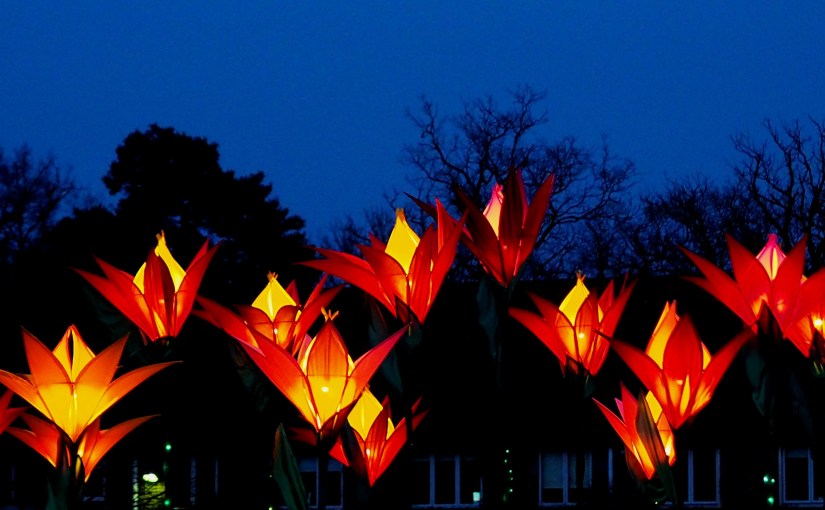
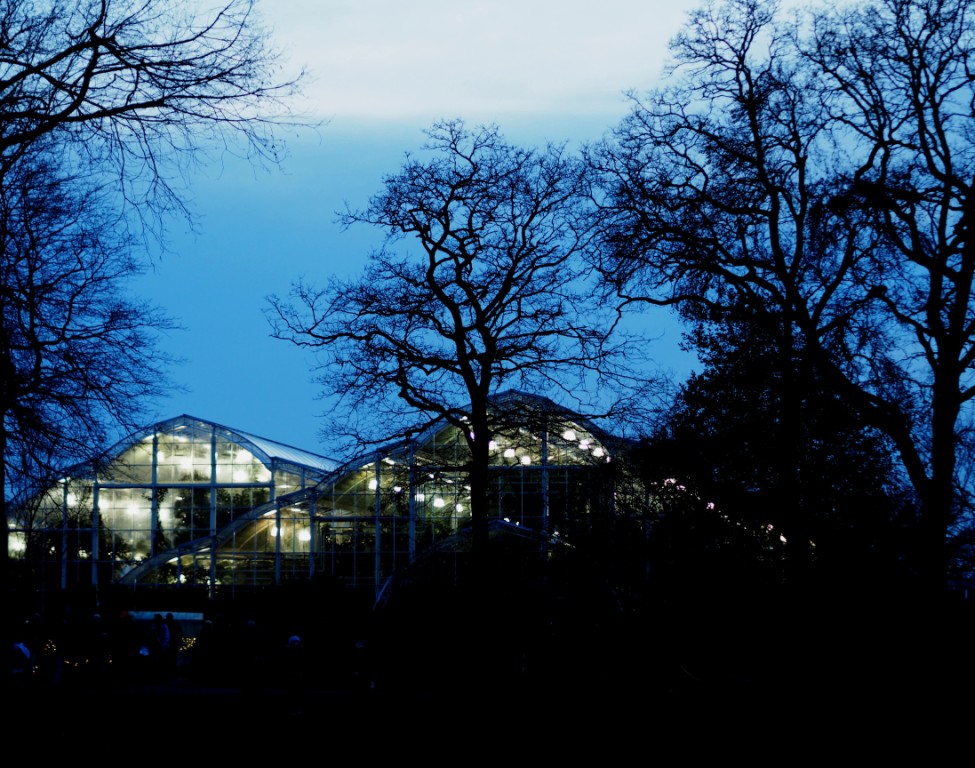
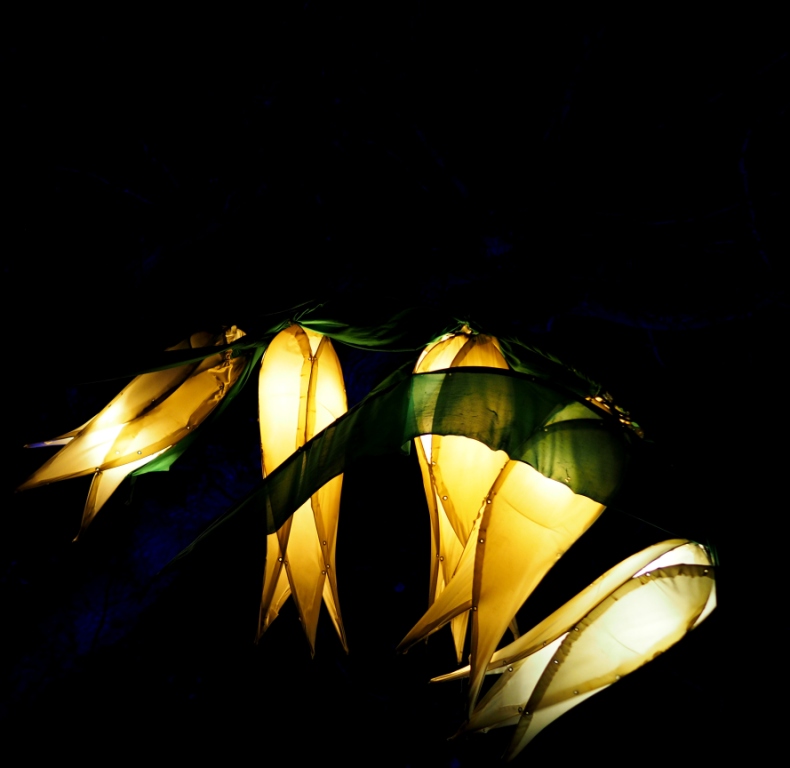
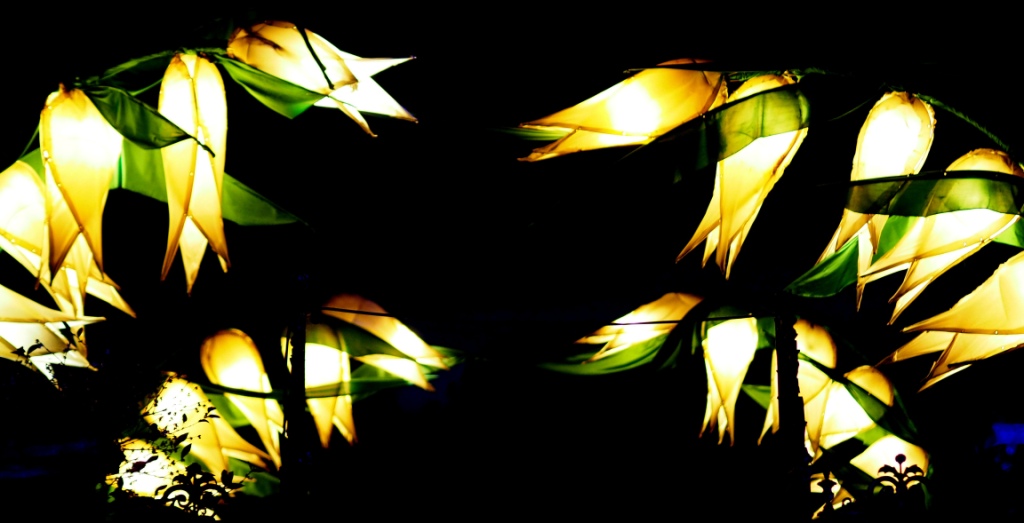
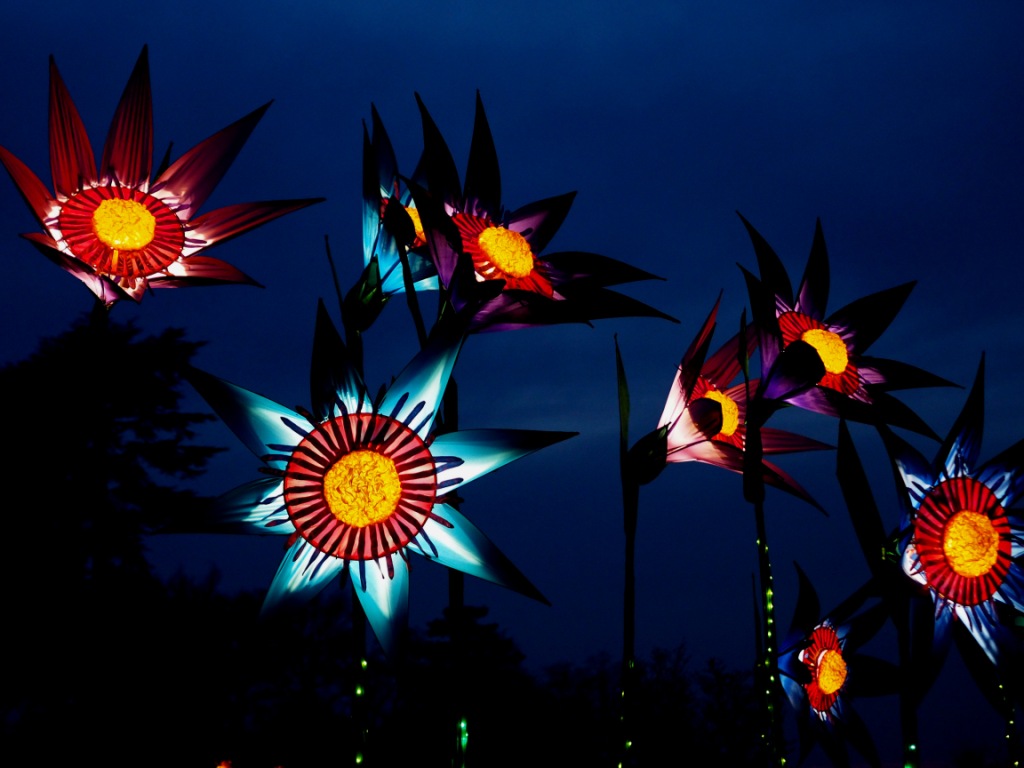
From Thursday 3 December until Sunday 3 January RHS Wisley added to the enjoyment of the festive season with the Jigantics light installations in the shape of magical, giant lit-up flowers.

Of course you have to wait until dusk before the show really begins.

OLYMPUS DIGITAL CAMERA

Snowdrops at the entrance

snowdrops

snowdrops

Tulips along the canal and loggia

Lotus flowers changing colour

Lilies near the food hall

Gerberas on the lawn

and more lovely lights in the garden

If you enjoy a walk, long or short, then have a look at Jo’s site where you are welcome to join in.

And I guess this could also be a post for my January challenge: Winter Gardens!

Ancient trees and the Spanish Armada

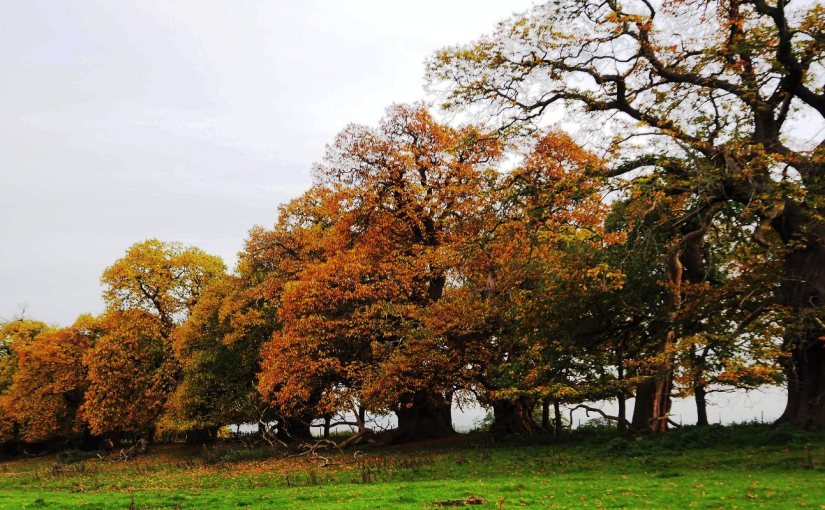
One of the loveliest things about visiting Croft Castle in Herefordshire is to see the many ancient trees planted there. Majestic chestnuts and oaks some going back hundreds of years.

OLYMPUS DIGITAL CAMERA

A story tells that sweet chestnuts were taken from captured Spanish ships and planted at Croft between 1580 and 1680. The avenue is said to represent the formal battle plan of the Spanish Armada with rows of chestnuts representing the Spanish ships and oaks the English. This was the original formal approach to the castle.

Continue reading Ancient trees and the Spanish Armada